Headphones For Flying
-
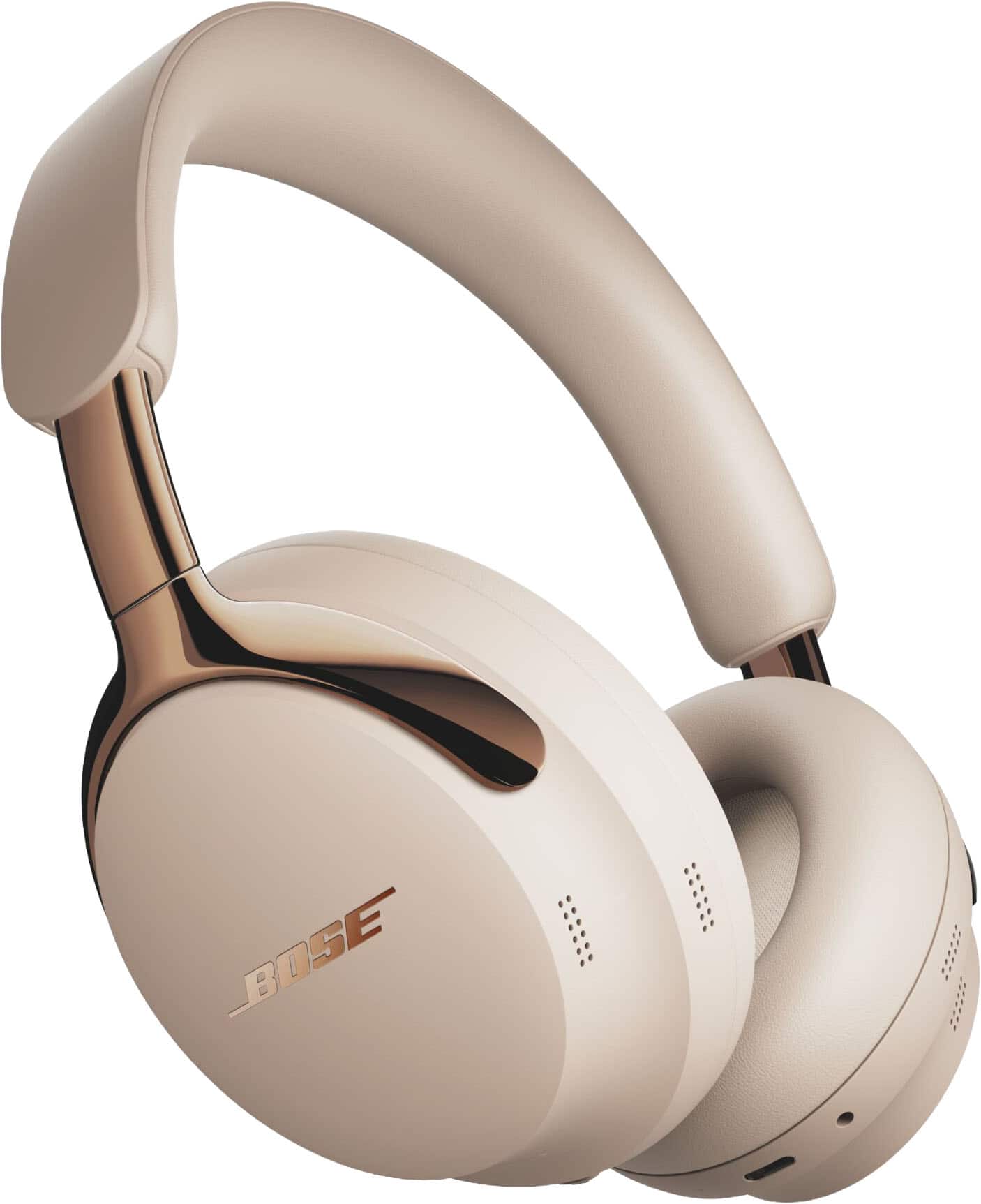
Bose - QuietComfort Ultra Headphones (2nd Gen) - Driftwood Sand
SKU: J7C5V6W785Gotta love my Bose headphones!...Love, love, love my new headphones. These replaced my Bose EQC earbuds....I would highly recommend these great headphones....Great Quality and Worth the Money...Love love...
See all Over-Ear HeadphonesProduct Description
An over-the-ear wireless headphone in Driftwood Sand featuring advanced noise cancellation and immersive spatial audio.Your price for this item is $399.00Save $50The previous price was $449.00 -
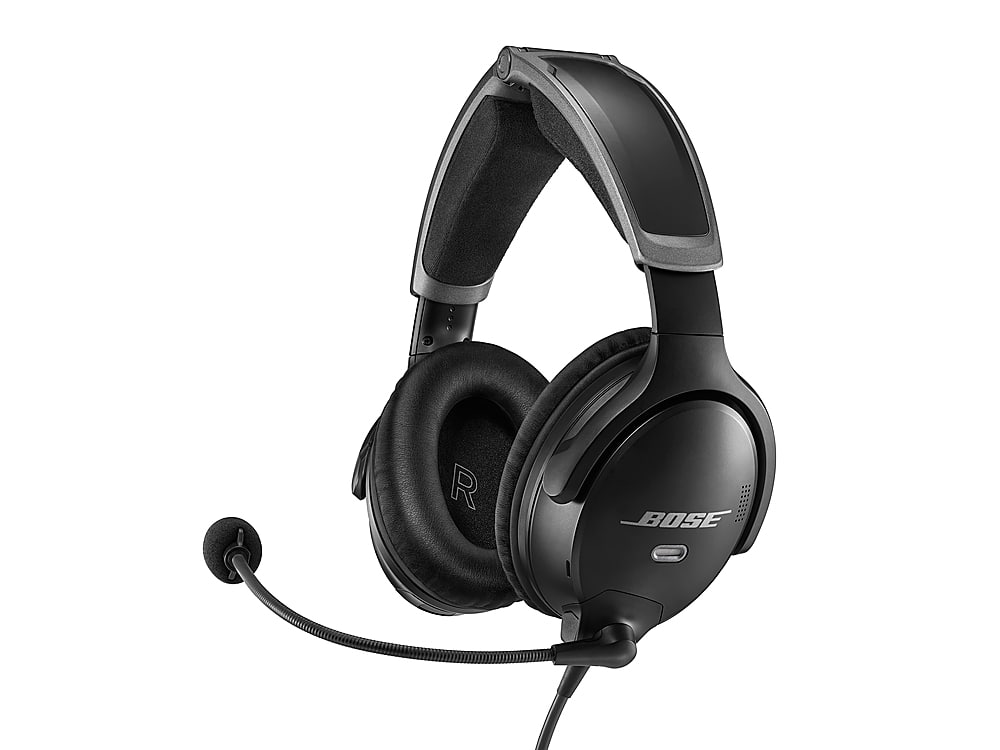
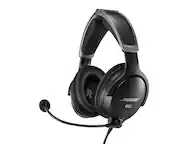
Bose - A30 Bluetooth Noise Cancelling Over-the-Ear Aviation Headset with Dual Plug - Black
SKU: J7C5V6HKKYBest gift ever....My daughter love her aviation bose ... her flight time is more quiet and help her performance...Love it
See all Headsets & MicrophonesProduct Description
A professional black over-the-ear aviation headset featuring Bluetooth, active noise cancellation, and exceptional comfort.Your price for this item is $1,299.00 -
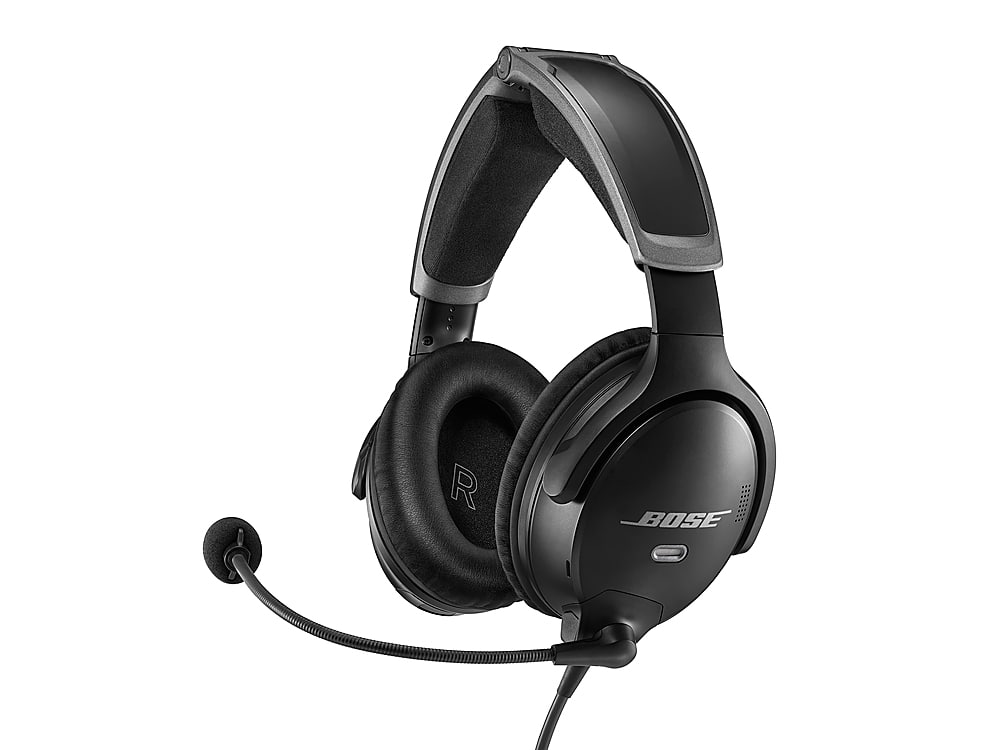
Bose - A30 Noise Cancelling Over-the-Ear Aviation Headset with Dual Plug - Black
SKU: J7C5V6HKZGIt's great to get the zero percent interest from Best Buy to pay off this essential, but expensive gear...It has a very comfortable fit that does not clamp down excessively which is great for long days...
See all Headsets & MicrophonesProduct Description
An over-the-ear black aviation headset featuring three modes of active noise cancellation and a detachable microphone.Your price for this item is $1,299.00 -
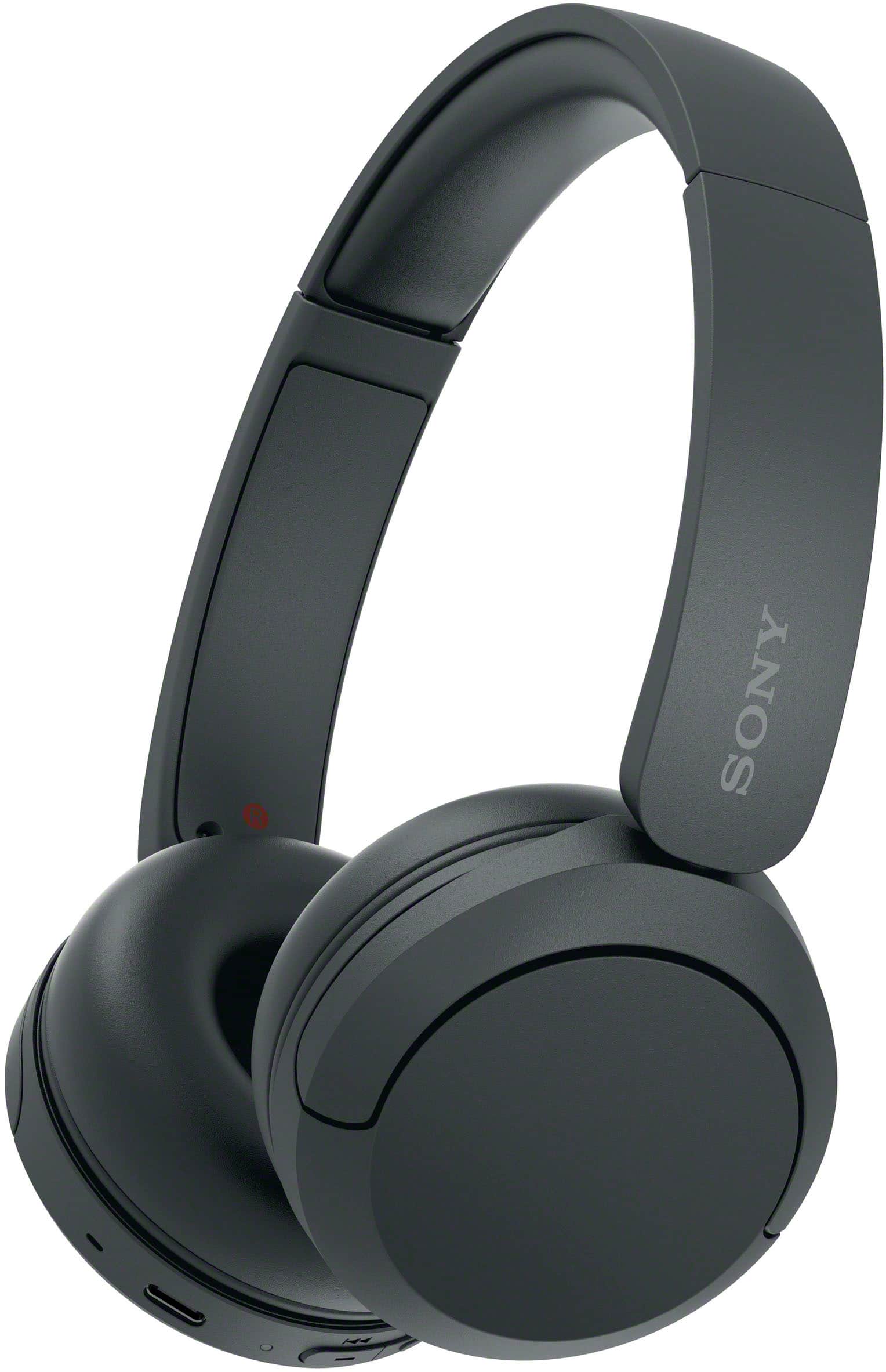
Sony - WH-CH520 Wireless Headphone with Microphone - Black
SKU: J7XSRH53L3The best...My 12 year old love it the best gift he ever received!...Best purchase! LOVE these headphones!...These are the best purchase h e done for myself recently.! The battery life is INCREDIBLE.......
See all Headsets & MicrophonesProduct Description
A wireless on-ear headphone in black offering up to 50 hours battery life and built-in microphone.Your price for this item is $39.99Save $28The previous price was $68.00 -
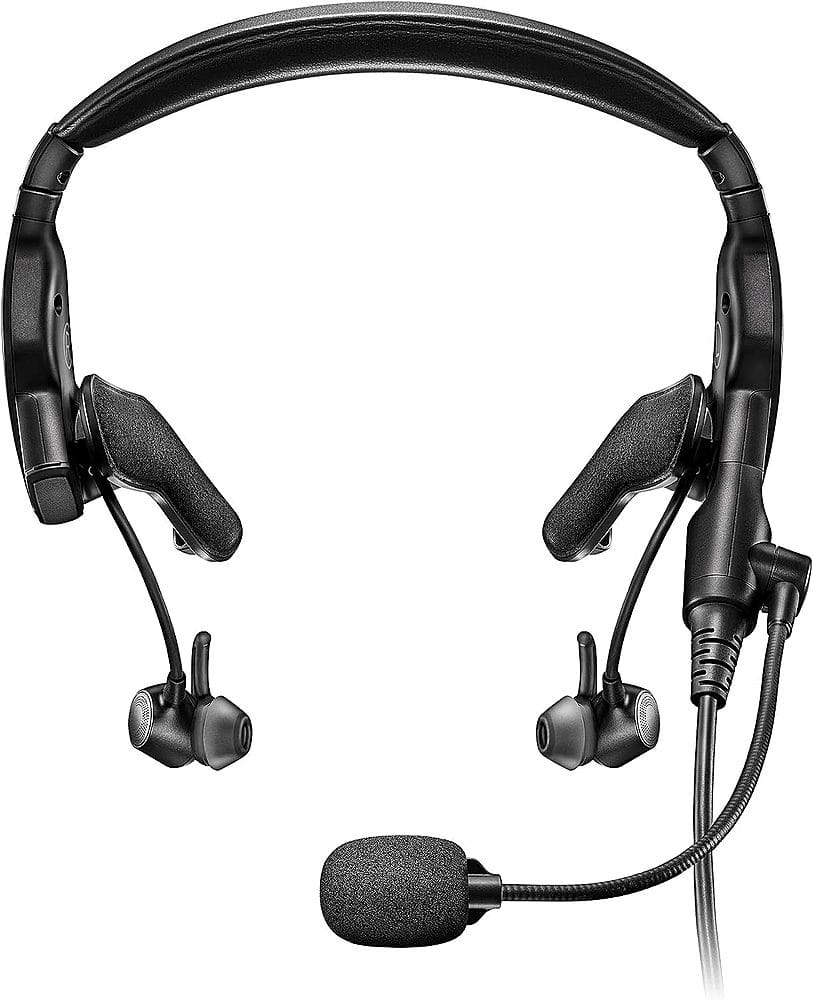
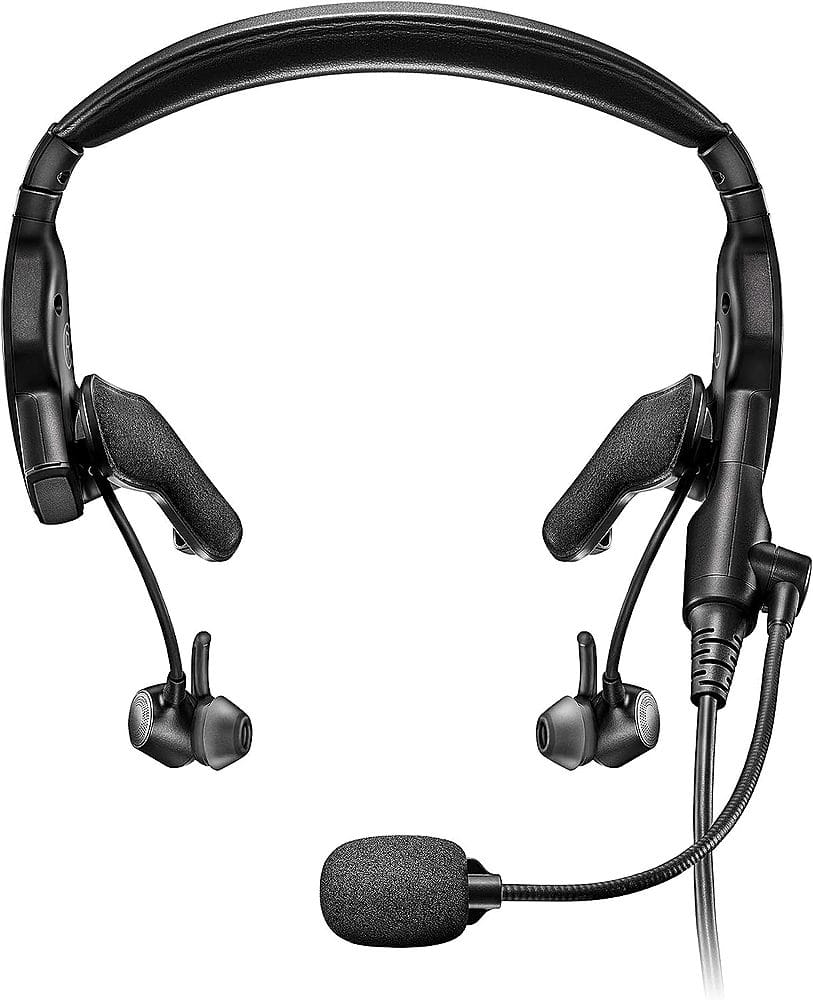
Bose - ProFlight Series 2 Bluetooth Noise-Cancelling In-Ear Aviation Headset with Dual Plug - Black
SKU: J7C5V6RK77Great headset...It’s been about a month flying with this headset and I absolutely love it....Comfortable headset great for Jet or even turboprop aircraft, bluetooth works awesome as well the noise
See all Headsets & MicrophonesProduct Description
A black in-ear aviation headset featuring Bluetooth, active noise cancellation, and an adjustable microphone for pilots.Your price for this item is $1,099.00 -
Bose - A30 Bluetooth Noise Cancelling Over-the-Ear Aviation Headset with 6-pin LEMO Plug - Black
SKU: J7C5V6HK46The Best...Love them...I love these they are so comfortable. Noise canceling is amazing as well as the audio clarity.
See all Headsets & MicrophonesProduct Description
A premium black aviation headset featuring Bluetooth, active noise cancellation, and a comfortable over-the-ear design.Your price for this item is $1,249.00Save $50The previous price was $1,299.00 -
Bose - ProFlight Series 2 Noise-Cancelling In-Ear Aviation Headset with Dual Plug - Black
SKU: J7C5V6RK7VGreat not having huge cups covering my hears, plus being able to wear sunglasses without any pressure...Comfortable, noise cancellation is excellent, best headset ever!...Such a great headset...Best Headset...
See all Headsets & MicrophonesProduct Description
An in-ear, black aviation headset featuring active noise cancellation, adjustable microphone, and included carrying case.Your price for this item is $1,099.00 -
Bose - ProFlight Series 2 Bluetooth Noise-Cancelling In-Ear Aviation Headset with 5-pin XLR Plug - Black
SKU: J7C5V6RK7TBest head...Great headset! Version 2 improvemnts!
See all Headsets & MicrophonesProduct Description
A black in-ear aviation headset featuring Bluetooth connectivity, active noise cancellation, and an adjustable microphone.Your price for this item is $1,099.00 -
Bose - ProFlight Series 2 Bluetooth Noise-Cancelling In-Ear Aviation Headset with 6-pin Lemo Plug - Black
SKU: J7C5V6RKCSSee all Headsets & MicrophonesProduct Description
An advanced black in-ear aviation headset featuring Bluetooth, active noise cancellation, and an adjustable microphone.Your price for this item is $1,099.00 -
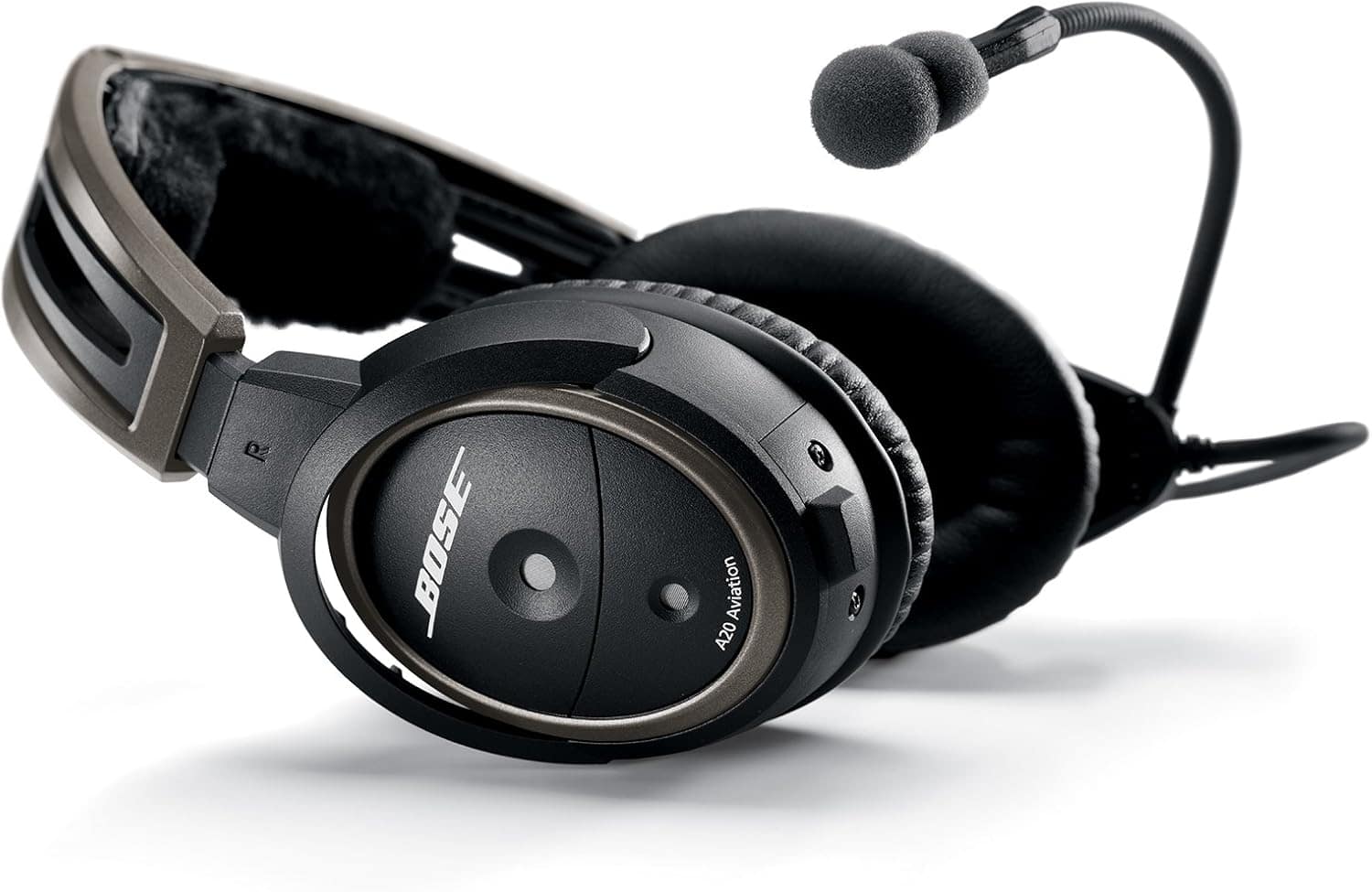
Bose - A20 Aviation Headset with Standard Dual Plug Cable, No Bluetooth - Black
SKU: J7C5V6LJ6JBEST EVER....I was using the David Clarks great headset....They are honestly worth every penny and the best investment a pilot can make....Fly a Bell 206 and 407 and this is a great headset, have 6 in...
See all Headsets & MicrophonesProduct Description
An over-the-ear black aviation headset offering acclaimed noise reduction, clear audio, and a comfortable fit.Your price for this item is $1,299.99Save $200The previous price was $1,499.99
Best Sellers



Related Pages


FAQ
When choosing headphones for flying, look for features such as active noise cancellation to reduce engine and cabin noise, comfortable ear cushions for long wear, and a long battery life to last throughout your flight. Wireless connectivity and a compact, foldable design can also be convenient for travel.
Both wireless and wired headphones have their advantages on airplanes. Wireless headphones offer freedom of movement and convenience, while wired headphones can be plugged directly into the in-flight entertainment system. Some headphones come with detachable cables, giving you the flexibility to use both options.
Most in-flight entertainment systems require a wired connection. However, you can use a Bluetooth transmitter (sold separately) to connect your Bluetooth headphones to the airplane’s audio jack. Some newer airlines may offer Bluetooth connectivity, but it's best to check before your flight.
Over-ear headphones with plush, memory foam ear cushions tend to be the most comfortable for long flights, as they distribute pressure evenly and help block out ambient noise. Lightweight, ergonomic designs are also ideal for extended listening sessions.
Yes, noise-cancelling headphones are highly effective at reducing the constant background noise of airplane engines and cabin activity. They use active technology to counteract external sounds, making your listening experience more enjoyable and helping you rest during your flight.