Outdoor Refrigerator
-
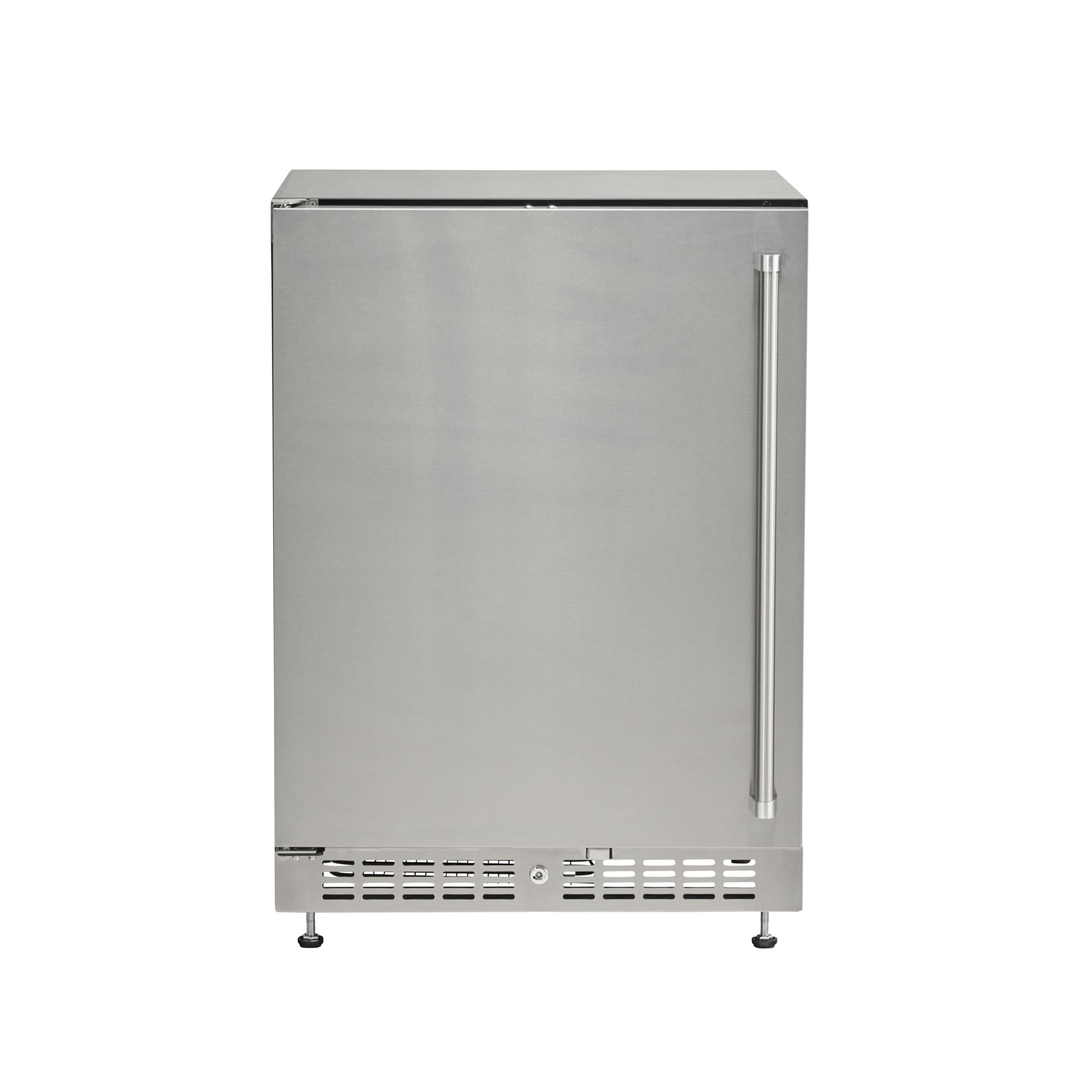
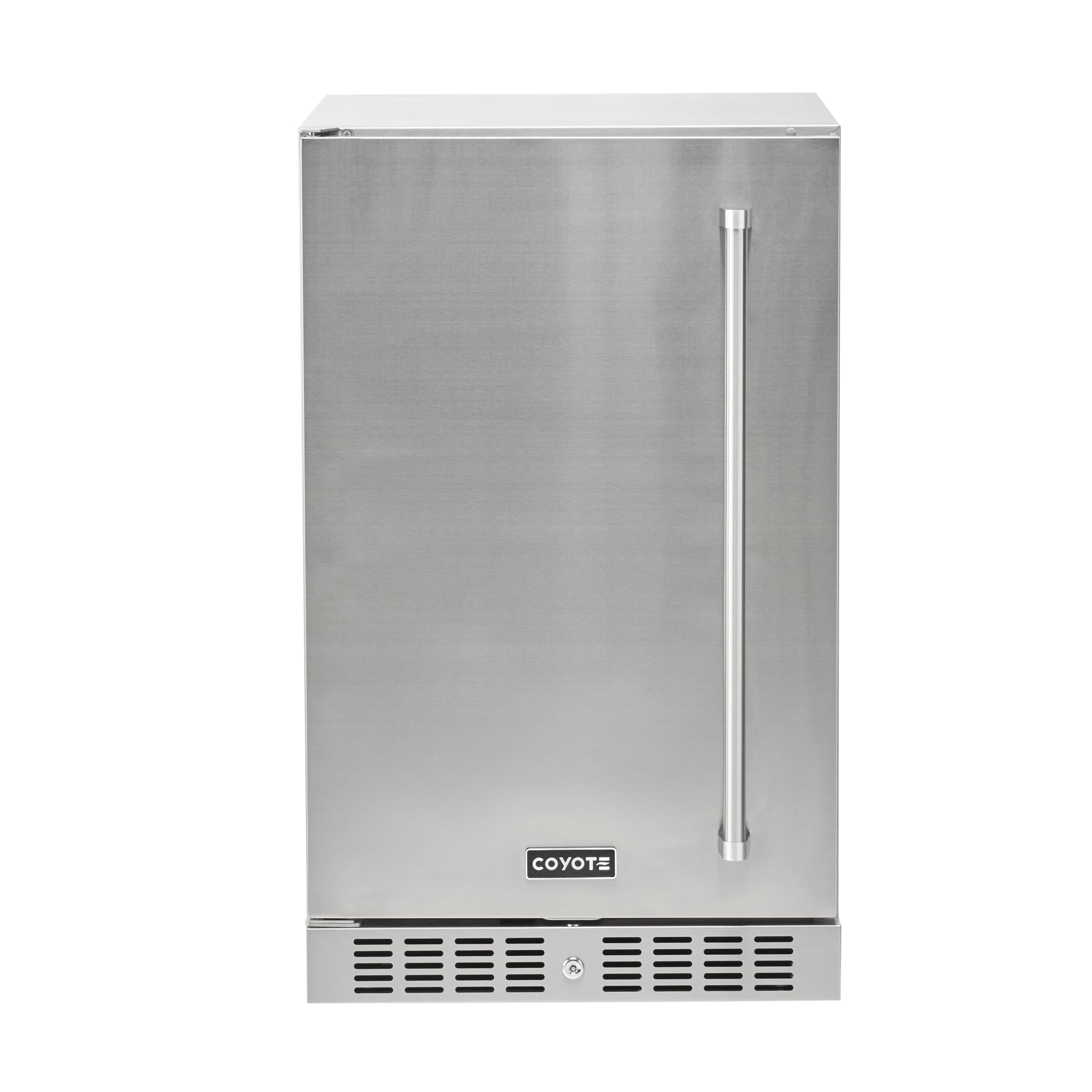
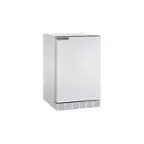
Coyote - Outdoor Living 24" 5.1 Cu. Ft. Built-in Compact Refrigerator with Reversible Hinge - Stainless Steel
SKU: J3R8ZZH5KQSee all Mini FridgesProduct Description
A stainless steel outdoor compact refrigerator featuring reversible hinge, LED lighting, digital controls, and automatic defrost.Your price for this item is $1,799.00 -
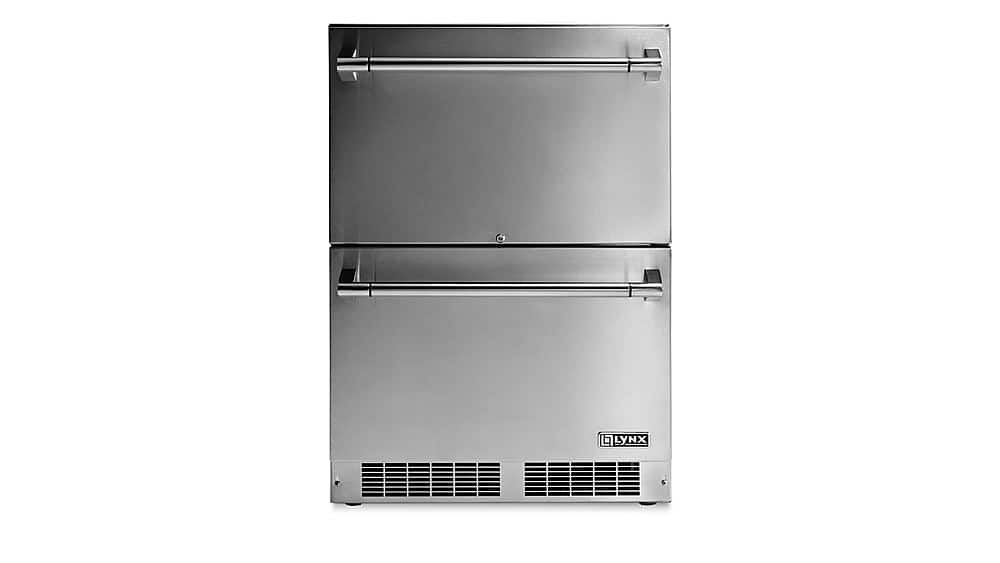
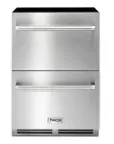
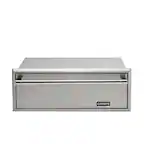
Lynx - Outdoor Drawer Refrigerator - Stainless Steel
SKU: J3GTFP2HG9See all Mini FridgesProduct Description
A stainless steel, two-drawer outdoor refrigerator featuring Energy Star certification and a sleek silver finish.Your price for this item is $6,089.00 -
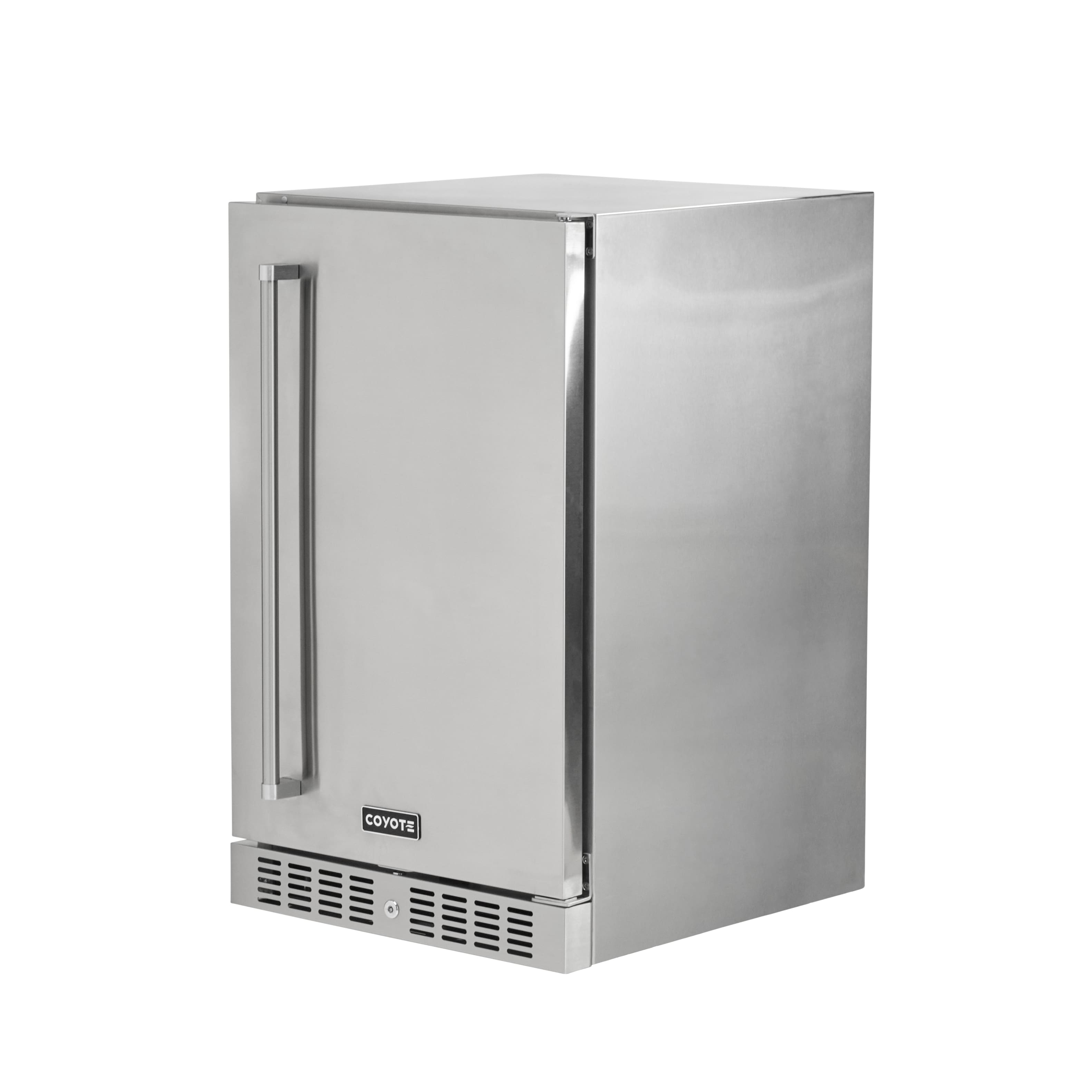
Coyote - Outdoor Living 21" 4.1 Cu. Ft. Built-in Compact Refrigerator Right Hinge - Stainless Steel
SKU: J3R8ZZH5Z4See all Mini FridgesProduct Description
A stainless steel outdoor compact refrigerator with digital temperature control, LED lighting, and automatic defrost.Your price for this item is $1,599.00 -
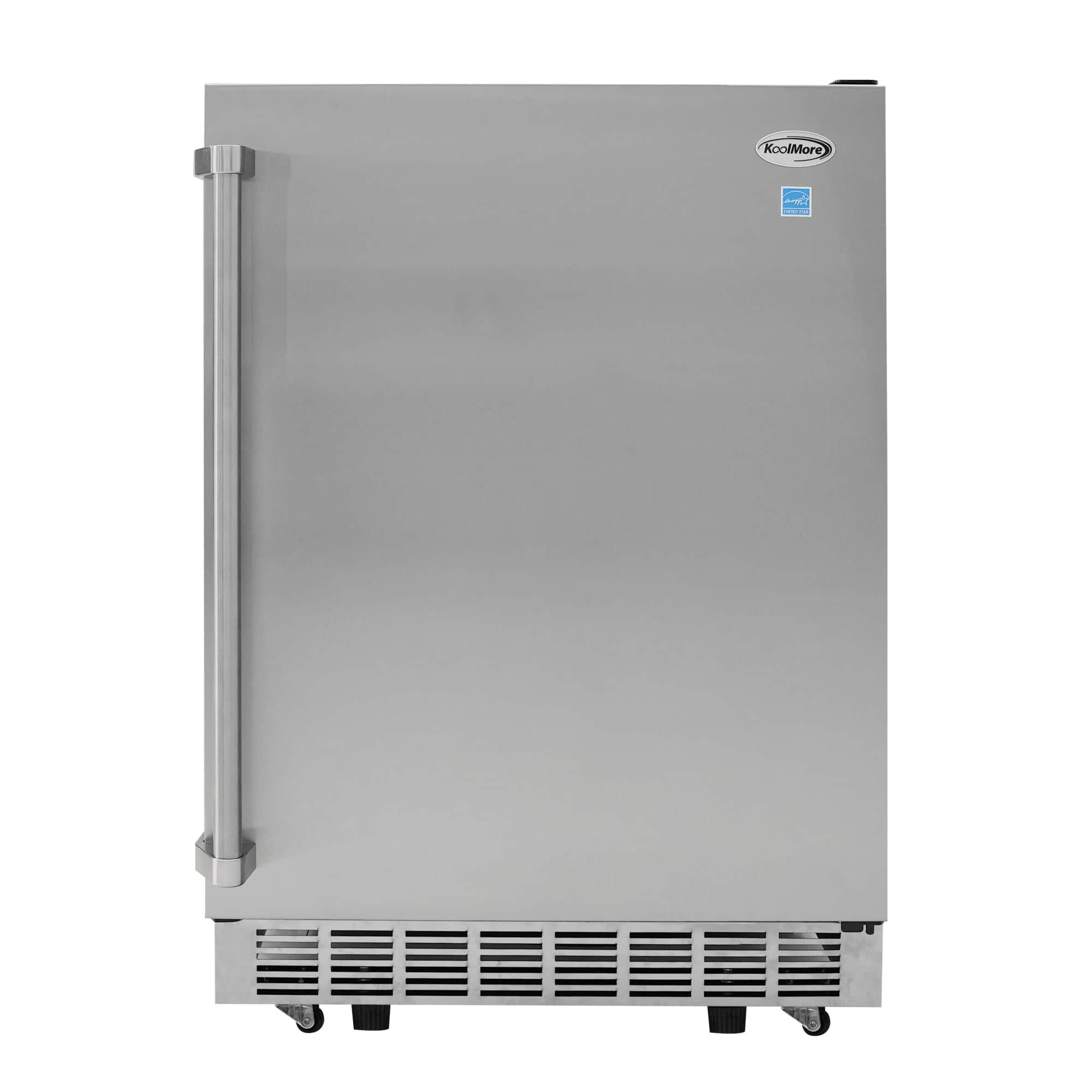
Koolmore - 24" Outdoor Stainless Steel Refrigerator 5.5 Cubic Foot Capacity with Auto defrost, Blue LED lighting and IPX4 Rating - Black
SKU: J3GWP843GVSee all All RefrigeratorsProduct Description
A black stainless steel outdoor refrigerator with blue LED lighting, auto defrost, and IPX4 weather resistance.Your price for this item is $1,100.00 -
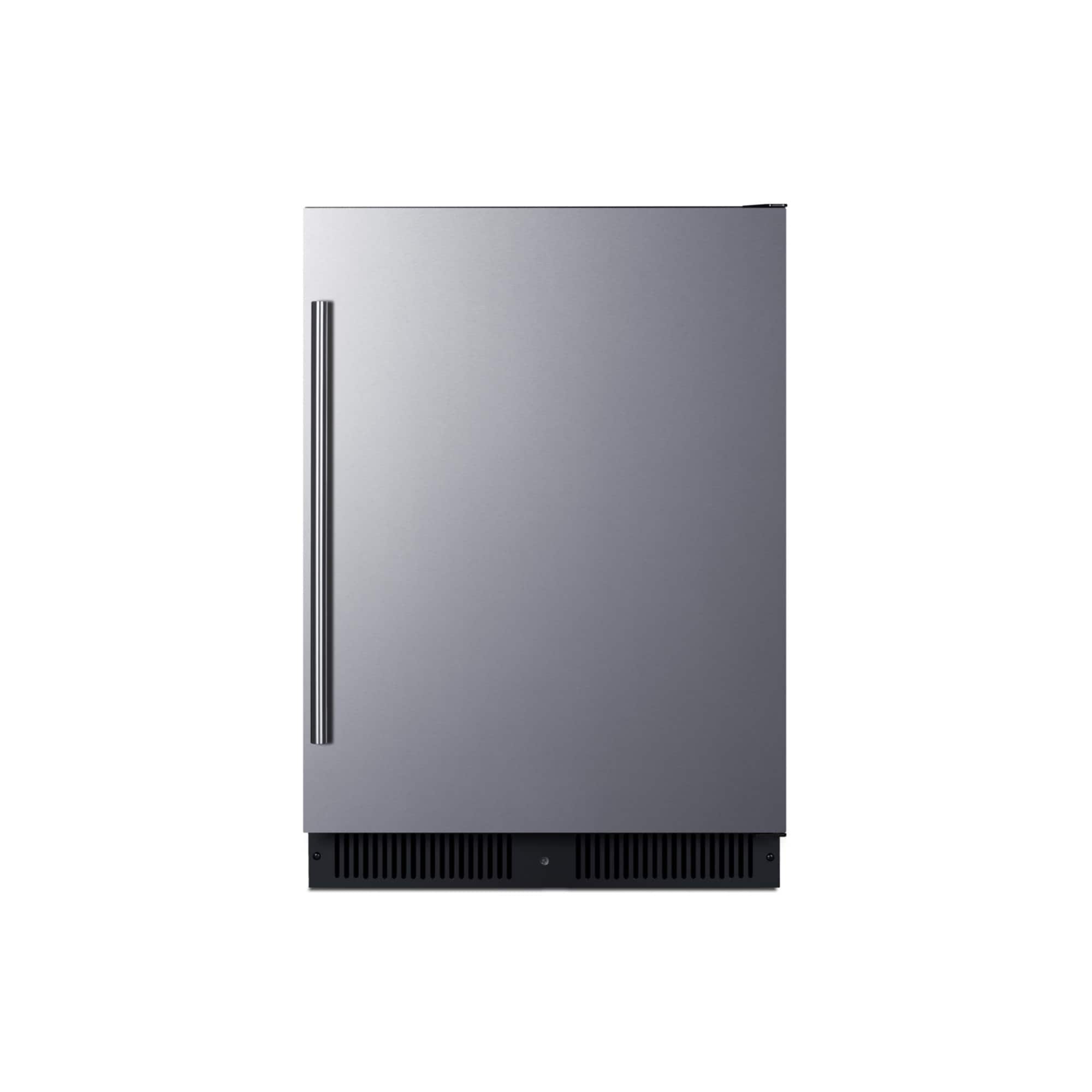
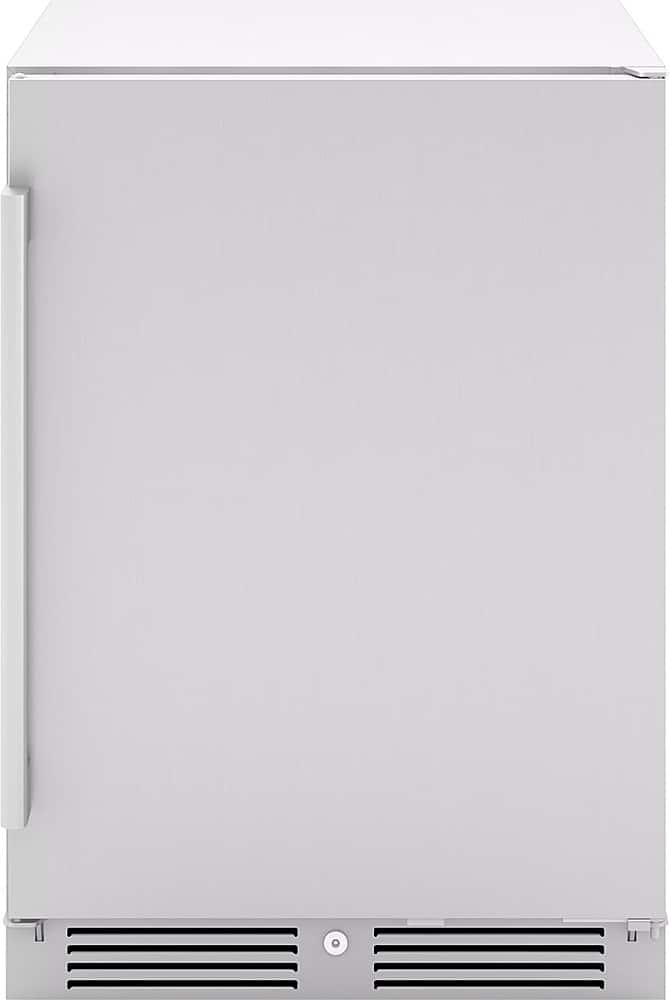
SUMMIT - 24" Wide Outdoor All-Refrigerator, ADA Compliant - Steel
SKU: JXVTSWVGV2See all Mini FridgesProduct Description
An ADA-compliant outdoor refrigerator in steel with reversible door, automatic defrost, LED lighting, and glass shelves.Your price for this item is $1,313.71 -
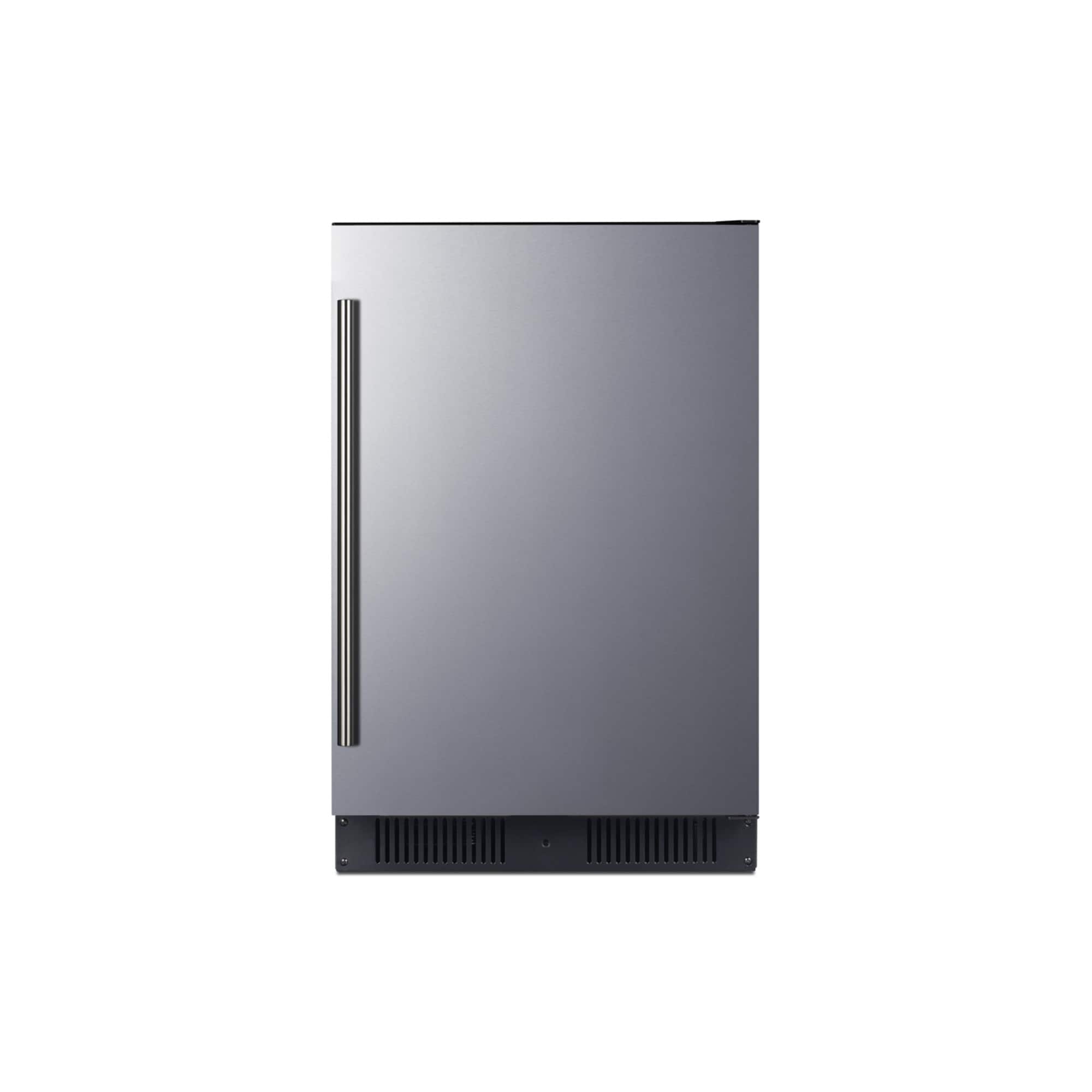
SUMMIT - 21" Wide Outdoor All-Refrigerator, ADA Compliant - Steel
SKU: JXVTSWVGFSSee all Mini FridgesProduct Description
A steel outdoor undercounter refrigerator with ADA compliance, reversible door, LED lighting, and adjustable glass shelves.Your price for this item is $1,168.51 -
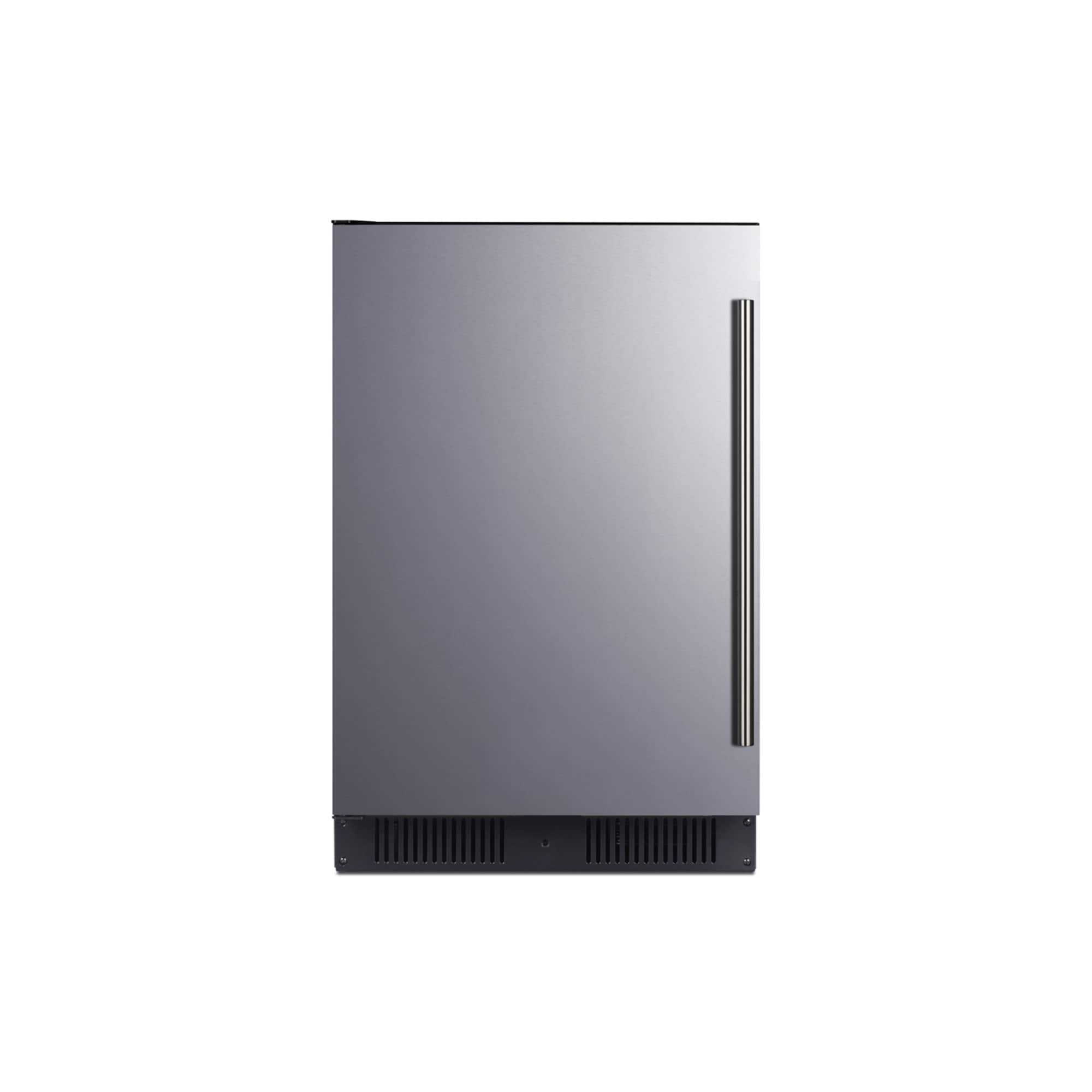
SUMMIT - 21" Wide Outdoor All-Refrigerator, ADA Compliant - Steel
SKU: JXVTSWVYRVSee all Mini FridgesProduct Description
A steel outdoor undercounter refrigerator featuring ADA compliance, automatic defrost, LED lighting, and adjustable glass shelves.Your price for this item is $1,212.34 -
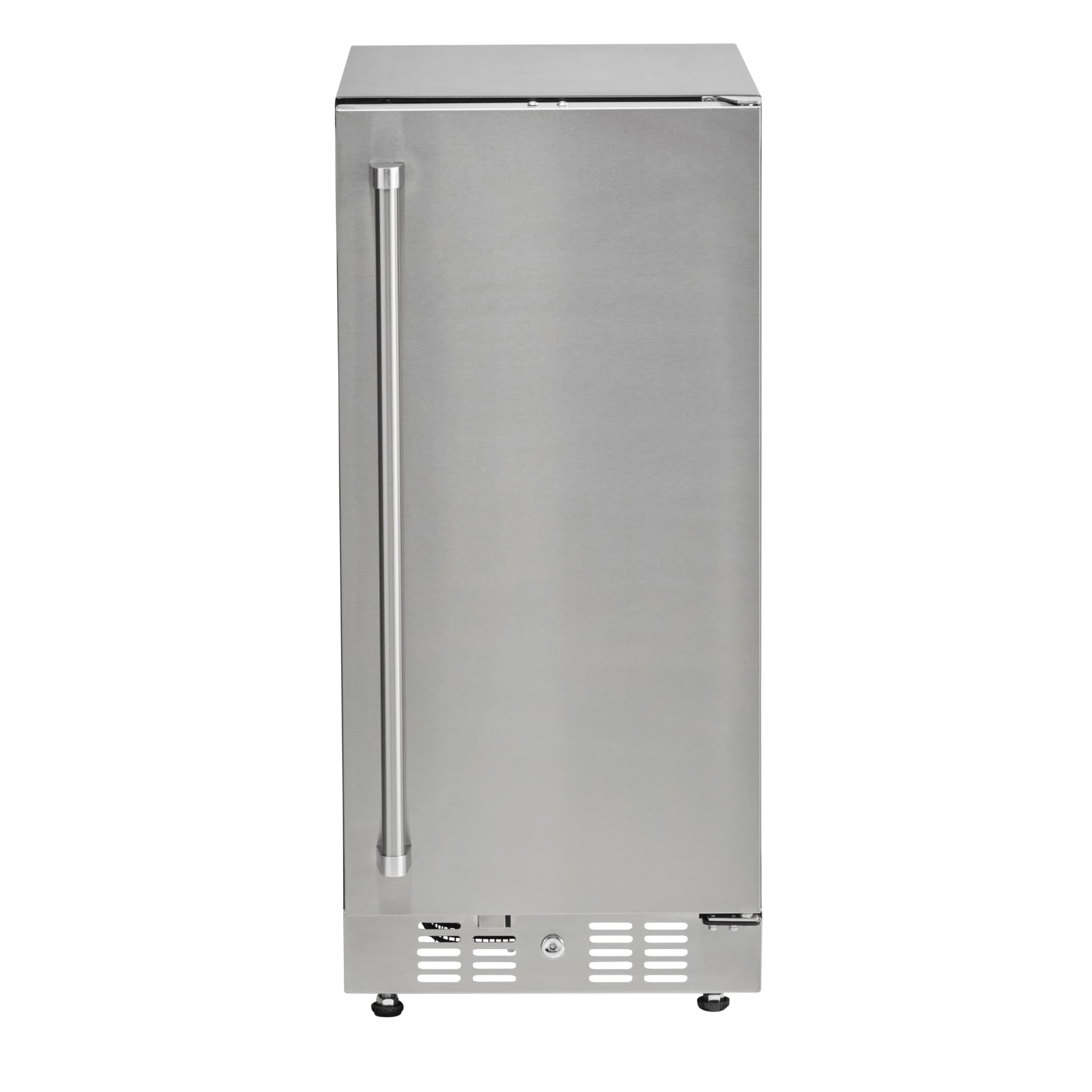
Coyote - Outdoor Living 15" 3 Cu. Ft. Built-in Compact Refrigerator with Reversible Hinge - Stainless Steel
SKU: J3R8ZZH5K5See all Mini FridgesProduct Description
A stainless steel outdoor compact refrigerator featuring LED lighting, digital temperature control, and a reversible door hinge.Your price for this item is $1,499.00 -
Coyote - Outdoor Living 21" 4.1 Cu. Ft. Built-in Compact Refrigerator Left Hinge - Stainless Steel
SKU: J3R8ZZH5ZRSee all Mini FridgesProduct Description
A stainless steel outdoor compact refrigerator with LED lighting, digital temperature control, and automatic defrost.Your price for this item is $1,599.00 -
Zephyr - Presrv 24 in. 99-Can Single Zone Outdoor/Indoor Refrigerator - Stainless Steel Outdoor/Indoor
SKU: JX35LVTWHQSee all Mini FridgesProduct Description
A stainless steel outdoor refrigerator featuring adjustable shelving, LED lighting, door lock, and customizable storage options.Your price for this item is $1,849.99
Best Sellers




Related Pages


FAQ
When choosing an outdoor refrigerator, consider features like weatherproof construction, adjustable shelving, energy efficiency, and a secure locking mechanism. Look for models with stainless steel exteriors for durability and easy cleaning.
Most outdoor refrigerators are designed to withstand a wide range of temperatures, but it's important to check the manufacturer's recommendations for climate suitability. Some models perform best in moderate climates, while others are built for extreme heat or cold.
To keep your outdoor refrigerator in top condition, regularly clean the interior and exterior with mild soap and water. Defrost the unit if needed, and inspect the door seals to ensure a tight closure. It's also a good idea to periodically check the drainage system for blockages.
Many outdoor refrigerators are designed for both freestanding and built-in installations. Be sure to choose a model specifically rated for built-in use if you plan to install it under a counter or within cabinetry, as these units have proper ventilation systems.
Outdoor refrigerators typically require a standard 110-120V electrical outlet. Always ensure your outdoor space has a properly grounded, weather-protected outlet, and consult the product manual for any specific electrical requirements.