Passive Radiator Subwoofer
-
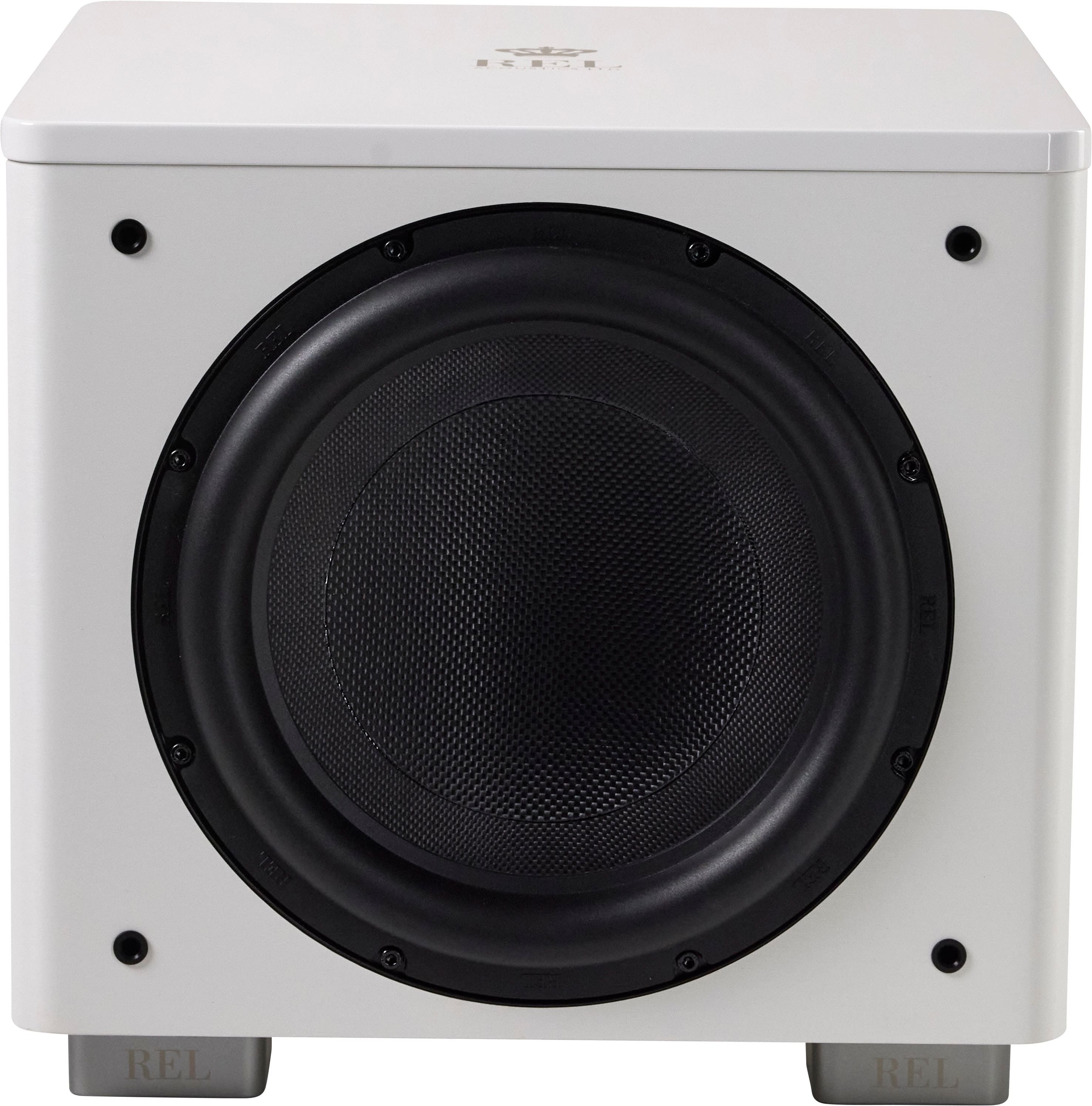
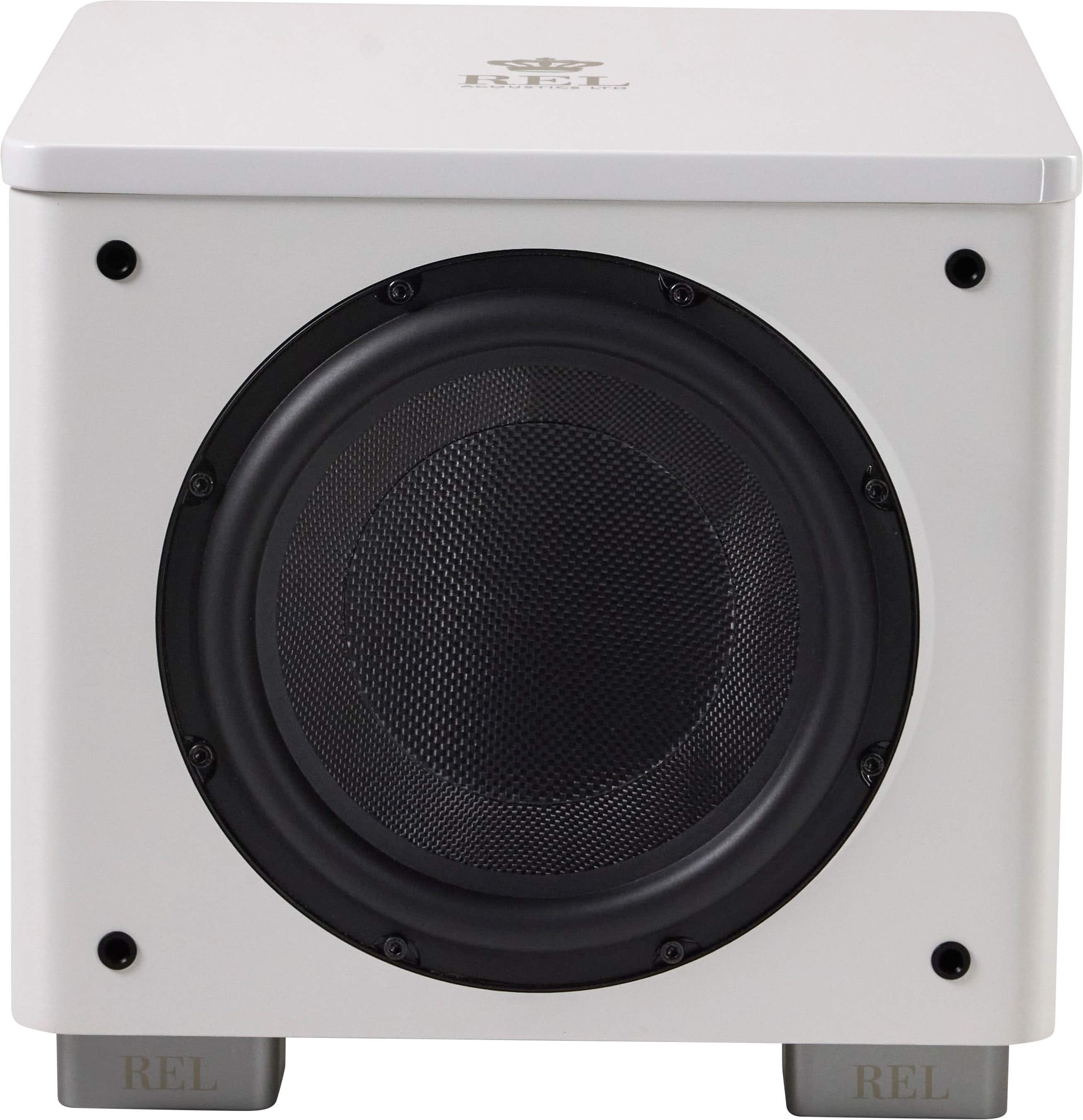
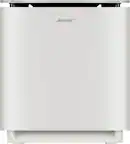
REL - HT/1205 MKII Subwoofer - White
SKU: J3QSR2VYXKHome theater sound is great!...Great sounding subwoofer.
See all Home SubwoofersProduct Description
A powerful white subwoofer featuring a 500W Class D amp and 12" CarbonGlas driver for deep bass.Your price for this item is $999.00 -
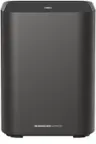
REL - T/9X - Gray
SKU: J3QSR2VY3WSee all Home SubwoofersProduct Description
A grey enclosed subwoofer with a 10-inch driver, 300W RMS power, and passive radiator design.Your price for this item is $1,699.00 -
Sonance - BPS6 - Visual Performance 6-1/2" Passive Bandpass In Ceiling Subwoofer (Each) - Black
SKU: J78WL7S6T3See all In-Wall SubwoofersProduct Description
A black in-ceiling subwoofer delivering bold bass with 100W power and a 40Hz–125Hz frequency range.Your price for this item is $1,100.00 -
JBL - CLUB1200SSL SINGLE 12" THIN enclosure with Passive Radiator - Black
SKU: J7LXFWX5HTSee all Car Subwoofer Boxes & EnclosuresProduct Description
A black sealed car subwoofer enclosure featuring a single 12" thin driver and passive radiator for deep bass.Your price for this item is $337.95Save $112The previous price was $449.95 -
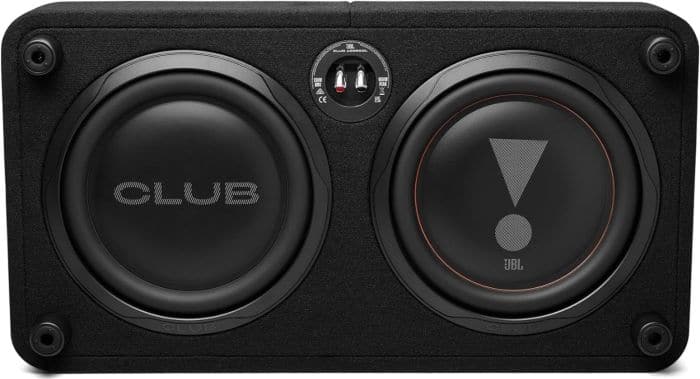
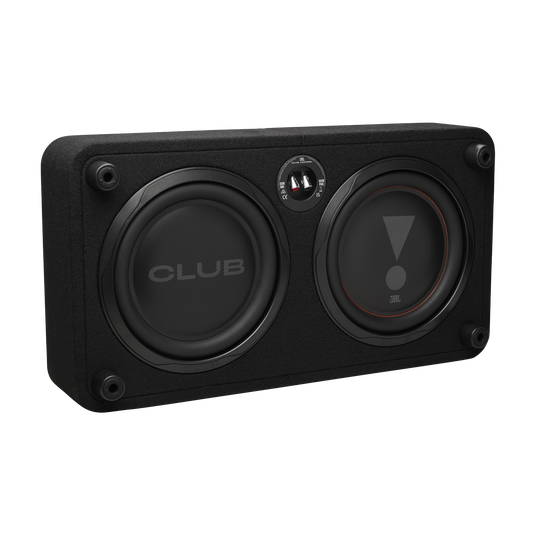
JBL - CLUB1000SSL SINGLE 10" THIN enclosure with Passive Radiator - Black
SKU: J7LXFWX5HPSee all Car Subwoofer Boxes & EnclosuresProduct Description
A black vented car subwoofer enclosure featuring a single 10" thin design with passive radiator.Your price for this item is $299.95Save $100The previous price was $399.95 -
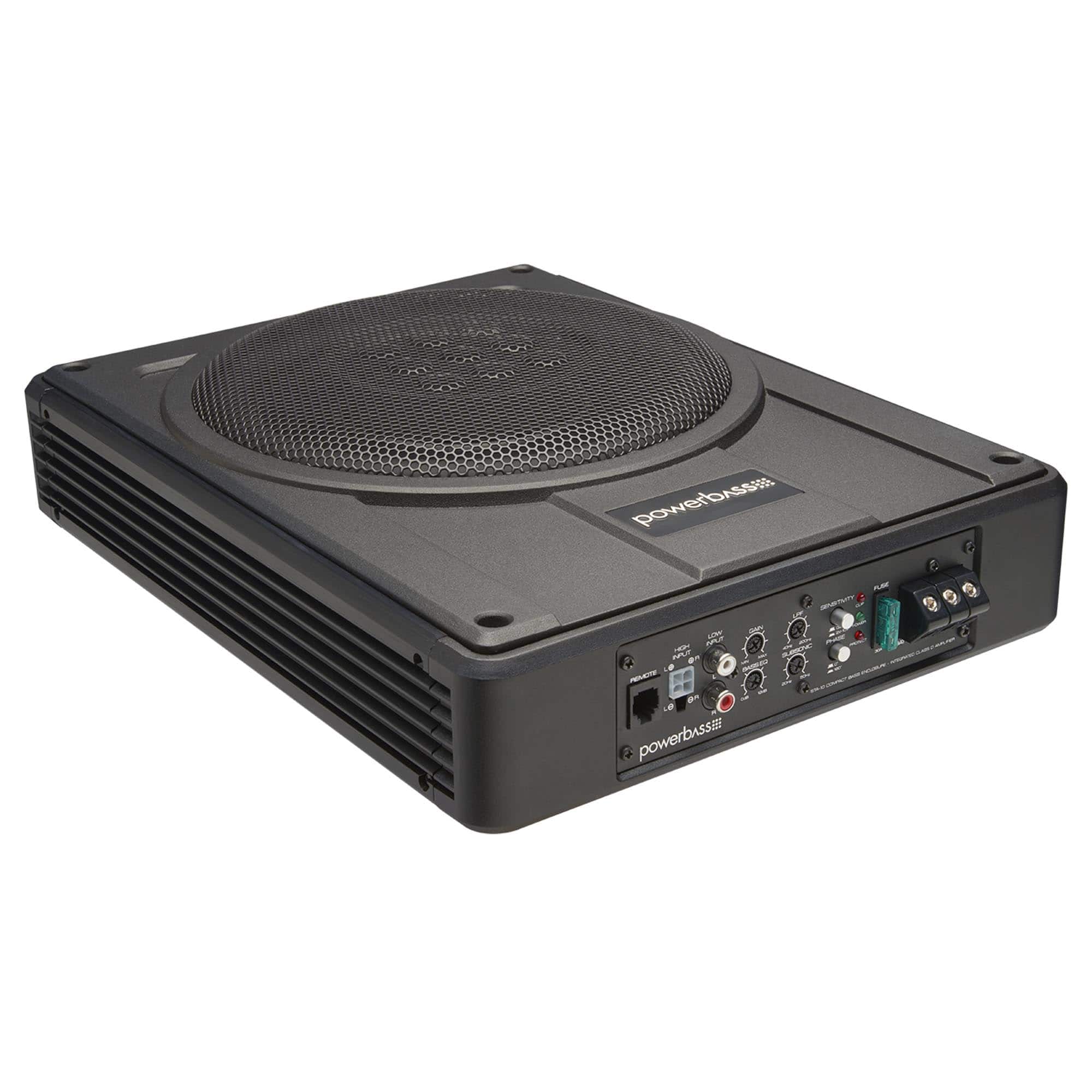
Powerbass - STA-10 - 10" Underseat Powered Enclosure - Black/Gray
SKU: J3YVRYK6CWSee all Car Subwoofer Boxes & EnclosuresProduct Description
A black and gray underseat powered enclosure with a 10" woofer and 200W Class D amplifier.Your price for this item is $289.99 -
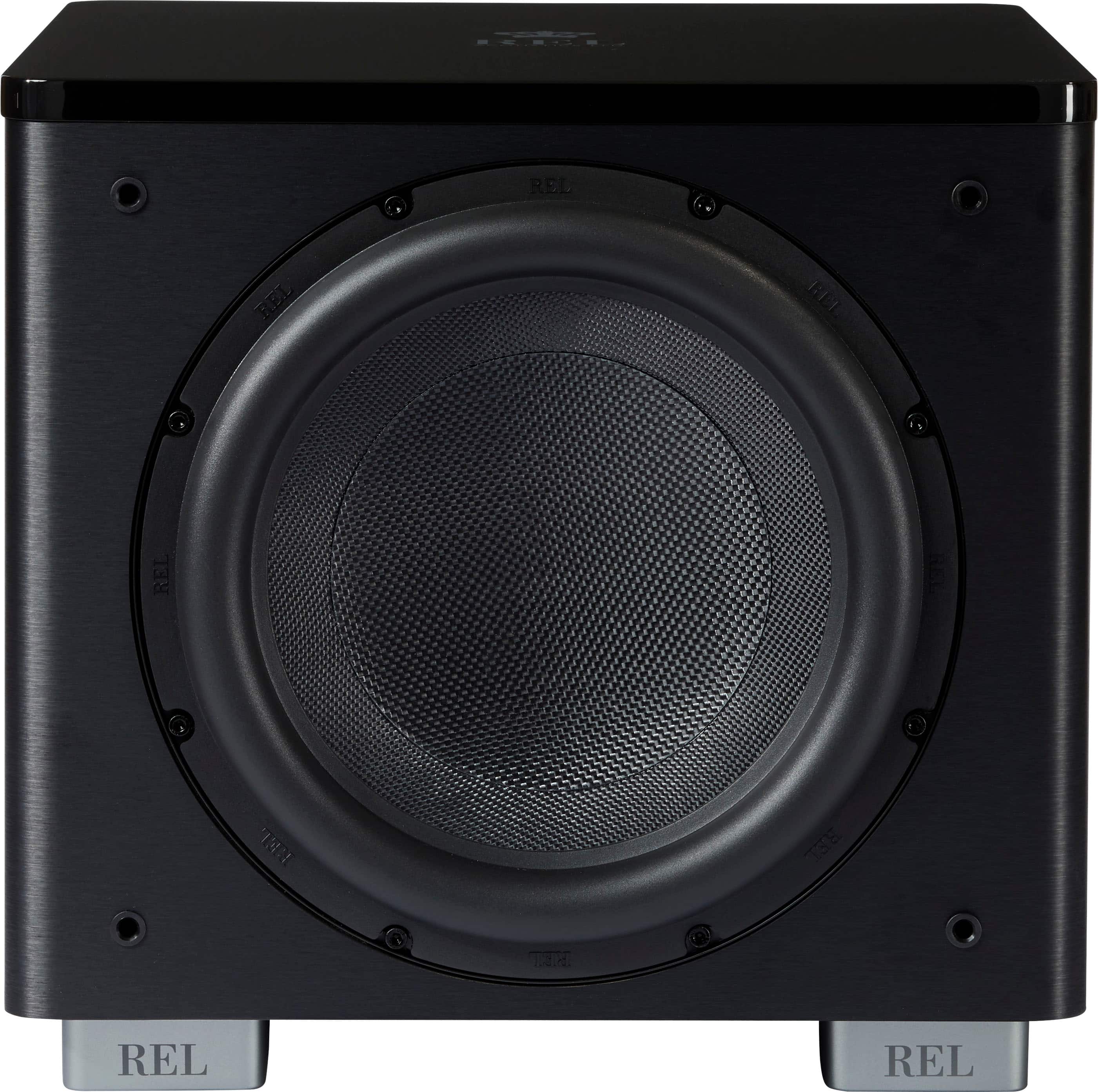
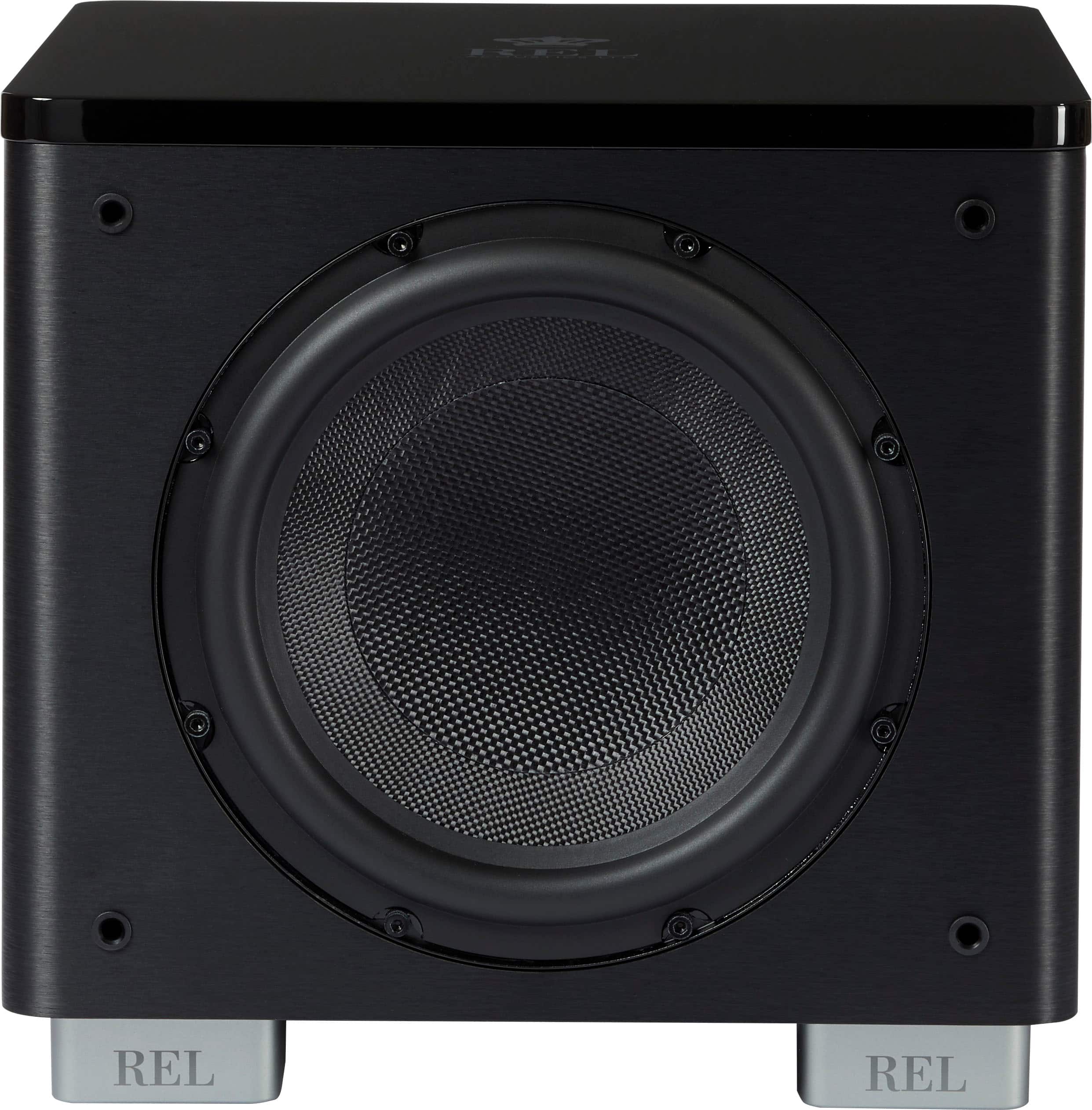
REL - HT/1205 MKII Subwoofer - Black
SKU: J3QSR2VY76Great sub...One of the best sounding subs for the price … precise base...Love Rel takes it to the basics abd naturally improves quality. Great for home theater!
See all Home SubwoofersProduct Description
A powerful black subwoofer featuring a 500W Class D amp and 12" CarbonGlas driver for deep bass.Your price for this item is $999.00 -
REL - HT/1003 MKII Subwoofer - Black
SKU: J3QSR2VLV4See all Home SubwoofersProduct Description
A compact black subwoofer with a 300W Class D amplifier and 10” CarbonGlas driver for powerful bass.Your price for this item is $699.99 -
REL - HT/1003 MKII Subwoofer - White
SKU: J3QSR2VY3JThis Rel sub sounds so great I wish I hadn’t waited so long....The best word I can think of is articulate. It actually has more than one tone.
See all Home SubwoofersProduct Description
A compact sealed subwoofer in high gloss white with a 300W Class D amp and 10" CarbonGlas driver.Your price for this item is $699.99 -
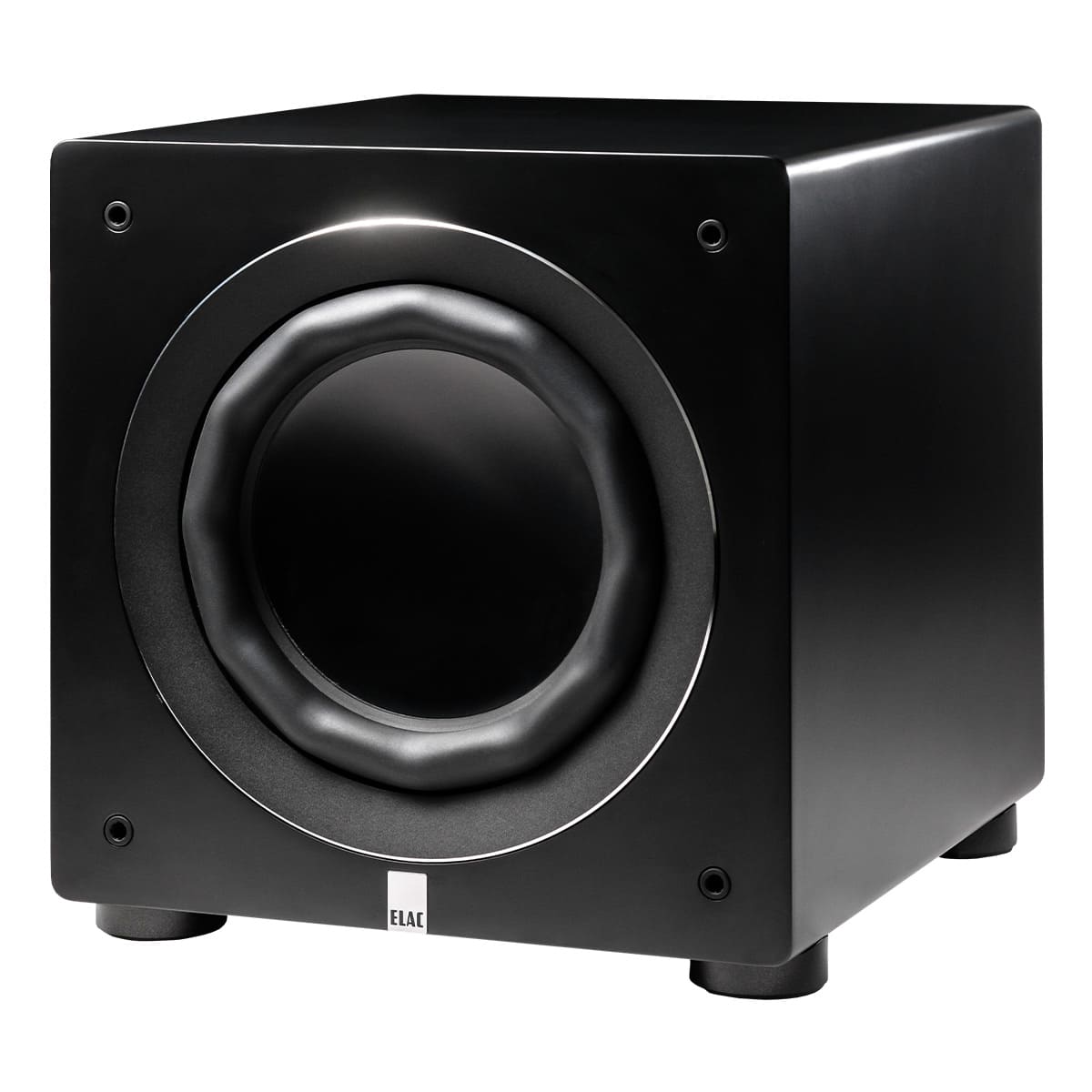
ELAC - RS500 Varro Reference 10 Inch Smart Subwoofer - Each (Satin - Black
SKU: J3R4ZF3P8RSee all Home SubwoofersProduct Description
A satin black subwoofer delivering deep, precise bass with wireless connectivity, app control, and aluminum cone.Your price for this item is $1,399.00


Best Sellers
Related Pages





FAQ
A passive radiator subwoofer uses a non-powered diaphragm, known as a passive radiator, in addition to a traditional powered driver. This design helps enhance bass response by utilizing air pressure generated inside the enclosure, delivering deeper and more accurate low-frequency sound.
While both designs aim to improve bass output, a passive radiator subwoofer uses a weighted diaphragm instead of a port to manage air movement. This often results in reduced port noise and more precise bass, especially at higher volumes.
If the subwoofer is passive (not powered), you will need an external amplifier to drive it. However, many passive radiator subwoofers are built into powered subwoofer enclosures, so always check the product specifications to determine if an amplifier is required.
Yes, passive radiator subwoofers are an excellent choice for home theater systems. They provide powerful, distortion-free bass that enhances movie soundtracks, music, and gaming experiences.
Passive radiators help extend low-frequency response, minimize unwanted noise (such as port chuffing), and allow for more compact cabinet designs without sacrificing bass quality. This makes them ideal for users seeking deep bass in smaller spaces.