Reflector Telescopes
-
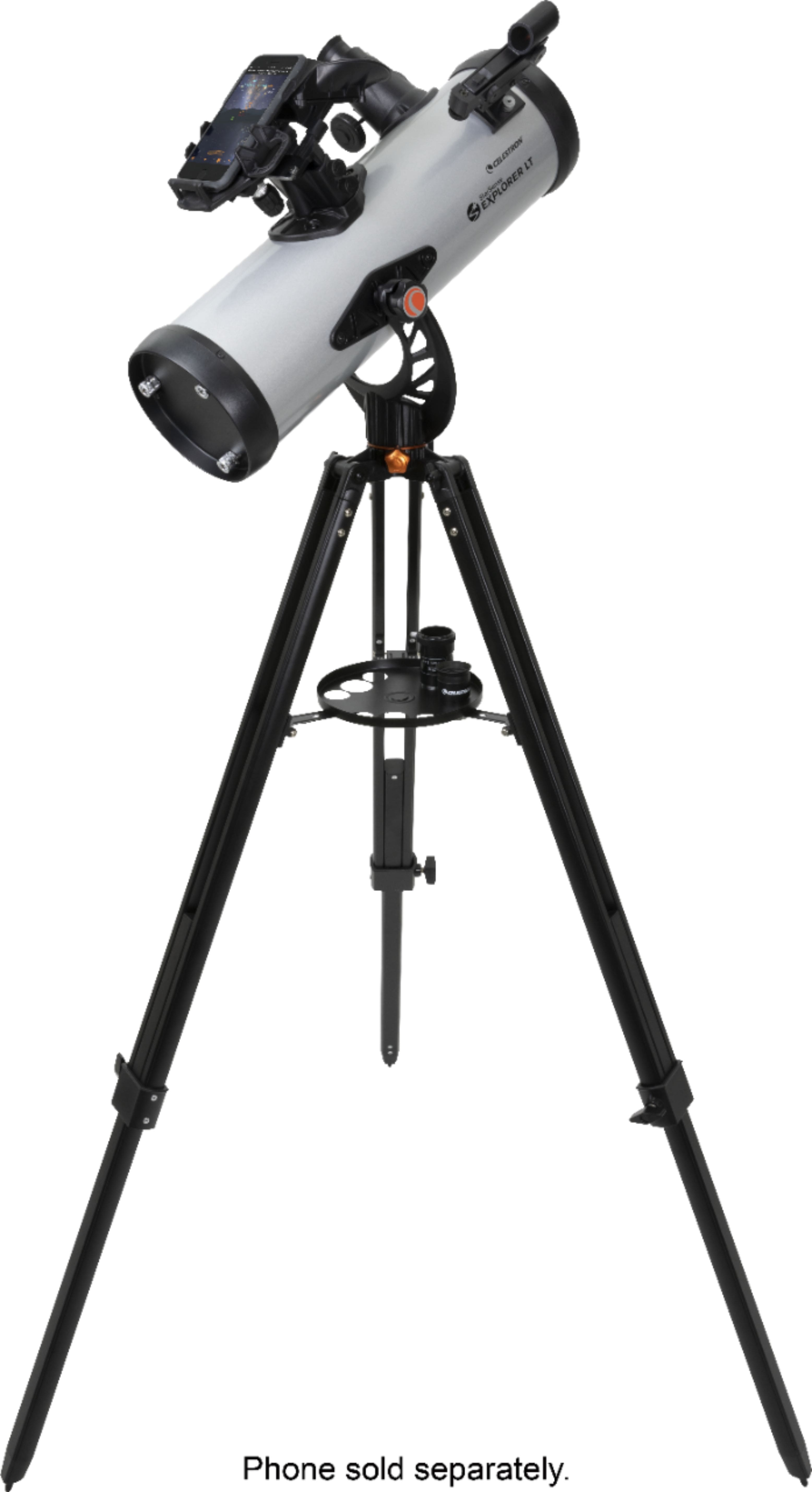
Celestron - Starsense Explorer LT 114AZ Telescope App-Enabled Newtonian Reflector Telescope - Silver/Black
SKU: J7L3WVQY8XMy daughter can't get enough and it's one of the best bonding experiences ever....Love chasing the moon and the starts. I love this telescope....Love it! Great price!
See all TelescopesProduct Description
A silver and black app-enabled Newtonian reflector telescope that uses your smartphone for easy sky navigation.Your price for this item is $337.95 -
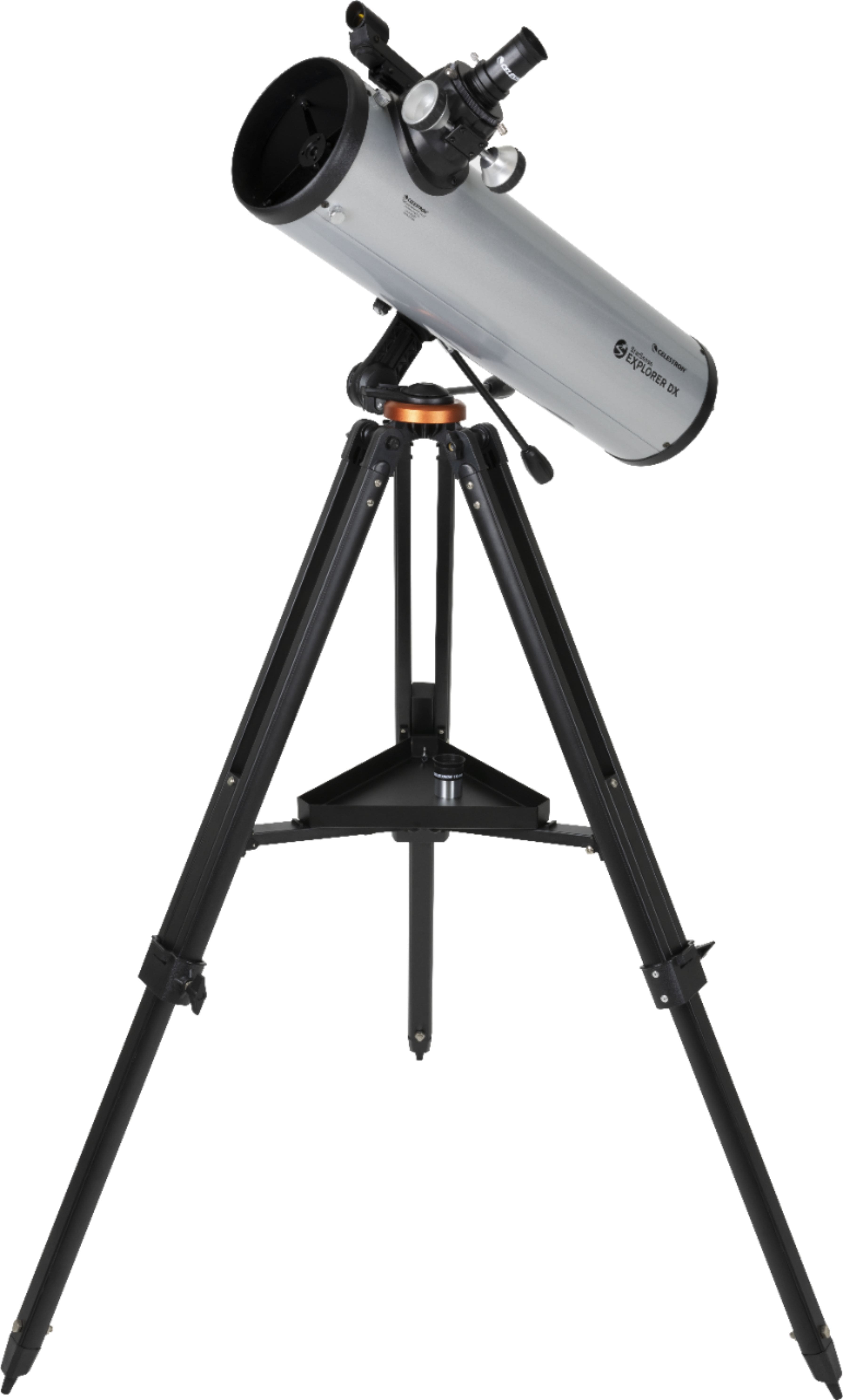
Celestron - Starsense Explorer DX 130AZ Smartphone App-Enabled Newtonian Reflector Telescope - Silver/Black
SKU: J7L3WVQYYSOne of the best buys I've made! All my friends and family love it....Great for beginners!...Great for beginners although kinda priceyn but so far the best!
See all TelescopesProduct Description
A silver and black Newtonian reflector telescope that uses your smartphone app for easy, guided stargazing.Your price for this item is $649.95 -
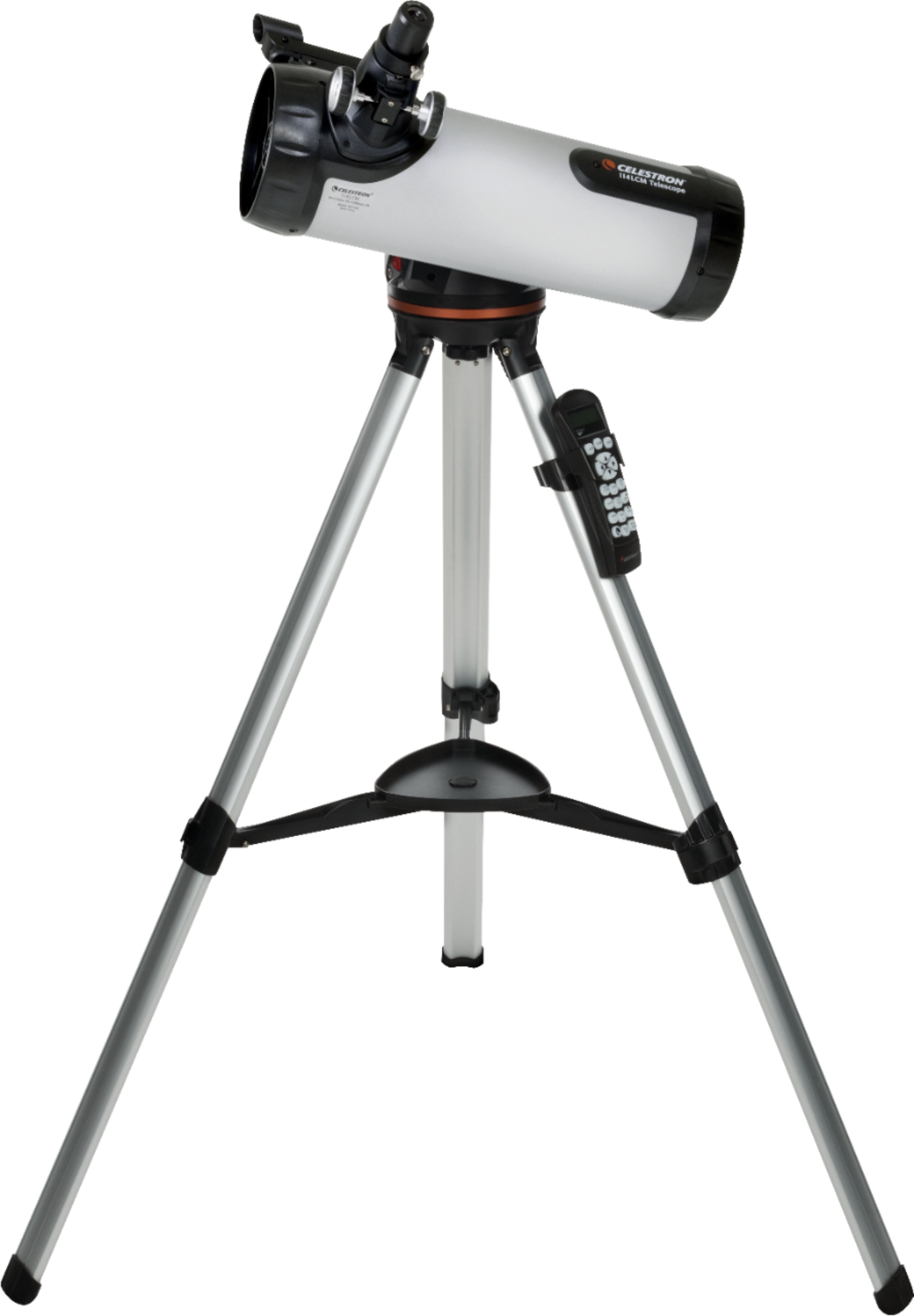
Celestron - 114mm Newtonian Reflector Telescope - Silver/Black
SKU: J7L3WVZFPCSee all TelescopesProduct Description
A computerized silver and black reflector telescope with SkyAlign and NexStar+ control for detailed celestial viewing.Your price for this item is $429.99 -
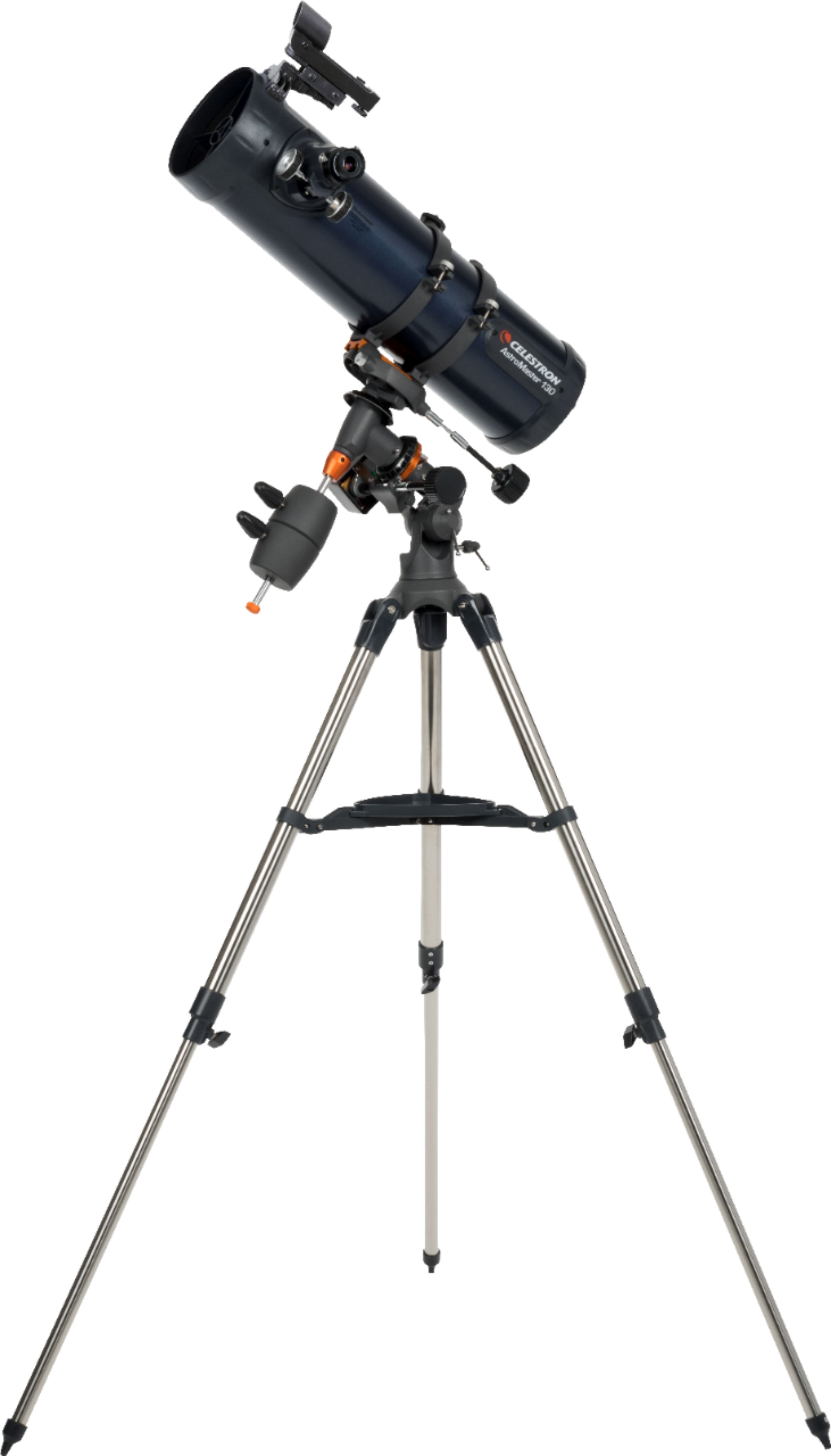
Celestron - AstroMaster 130mm Reflector Telescope - Black
SKU: J7L3WVZ4Z9See all TelescopesProduct Description
A black reflector telescope with a German equatorial mount and StarPointer for precise celestial tracking.Your price for this item is $389.95 -
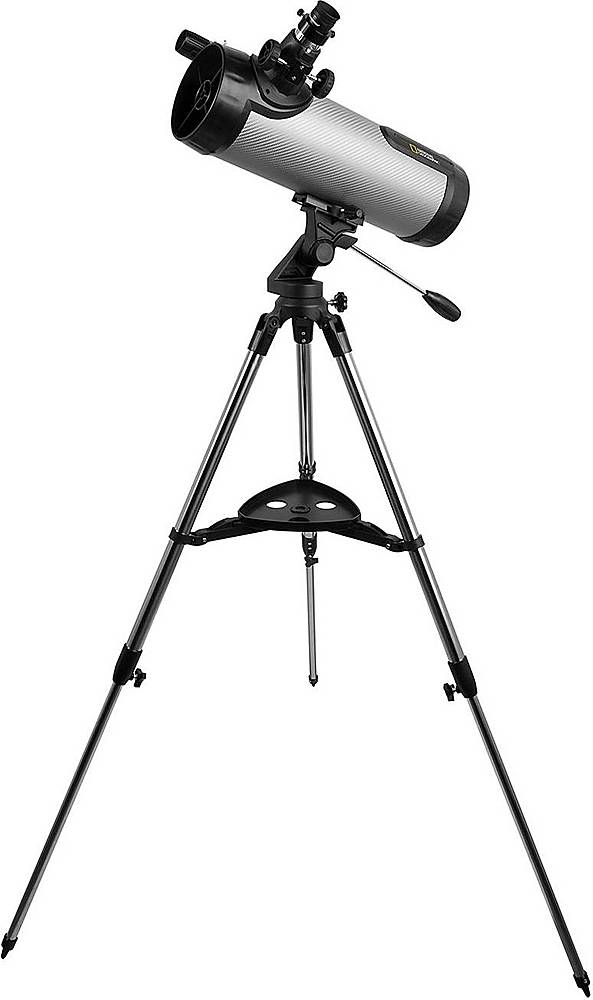
National Geographic - 114mm Reflector Telescope - Silver
SKU: J3LC7CV375Great starter telescope, easy setup. We love looking at the moon through it!...Love this telescope...Great item, i use it with my kids.
See all TelescopesProduct Description
A silver reflector telescope with a 114mm aperture, 500mm focal length, tripod, and image adapter.Your price for this item is $149.99 -
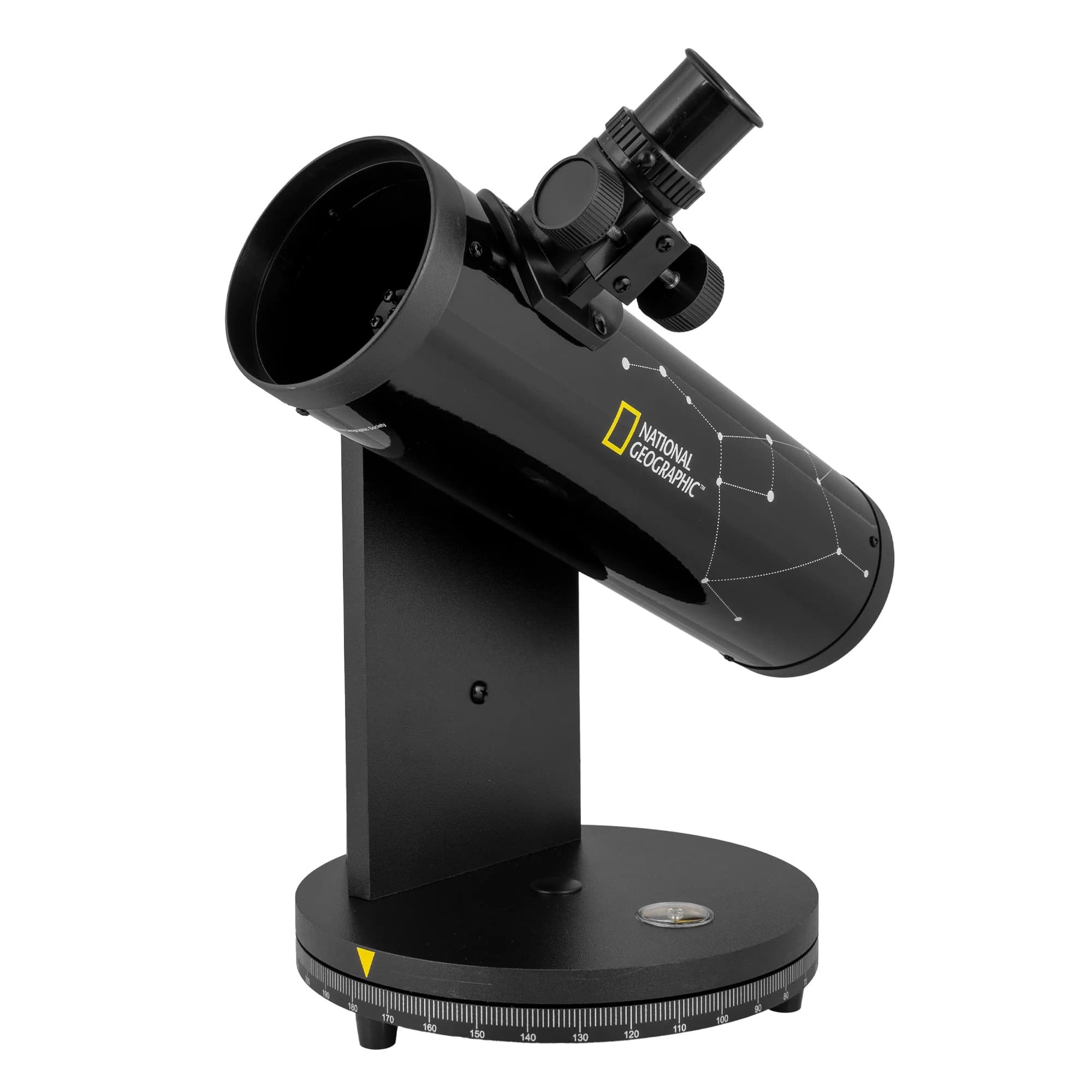
National Geographic - 76mm Compact Reflector Telescope - Black
SKU: J3LC7CF5JYSee all TelescopesProduct Description
A portable black reflector telescope with 76mm aperture, Dobsonian mount, and included moon filter for beginners.Your price for this item is $79.99Save $9The previous price was $89.95 -
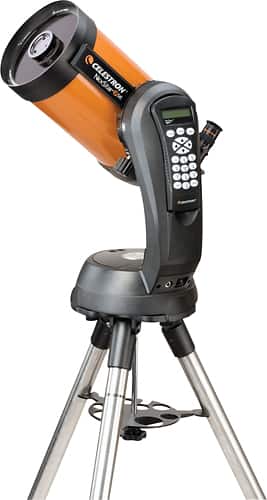
Celestron - NexStar 6SE Computerized Telescope - Orange
SKU: J7L3WVLCCSGreat service and product...Great fast shipping and great telescope...always great products from Best Buy...The best entry level telescope you can buy...If you are serious about getting into astronomy,...
See all TelescopesProduct Description
An easy-to-use orange computerized telescope with StarPointer finderscope, durable steel tripod, and advanced alignment.Your price for this item is $1,199.00 -
Celestron - AstroMaster 21064 90EQ Telescope - Black
SKU: J7L3WVR97ZSee all TelescopesProduct Description
A black telescope delivering bright, clear lunar and planetary images with no assembly required.Your price for this item is $319.99

Best Sellers

Related Pages
FAQ
A reflector telescope uses a combination of mirrors to gather and focus light from distant objects, providing clear and detailed views of the night sky. Unlike refractor telescopes that use lenses, reflector telescopes rely on mirrors, making them ideal for observing faint celestial objects.
Yes, reflector telescopes are a popular choice for beginners due to their user-friendly design and ability to deliver bright, sharp images. They are great for exploring the moon, planets, and deep-sky objects like star clusters and galaxies.
Reflector telescopes typically offer larger apertures at a more affordable price compared to other designs. This allows them to gather more light and provide better views of faint objects, making them excellent for deep-sky astronomy.
Reflector telescopes may require occasional maintenance, such as collimating (aligning) the mirrors to ensure optimal image quality. This process is straightforward and helps keep your telescope performing at its best.
With a reflector telescope, you can observe a wide range of celestial objects, including the moon, planets, star clusters, nebulae, and galaxies. Their design makes them especially effective for deep-sky viewing and capturing more detail in faint objects.