Rv Air Conditioner
-
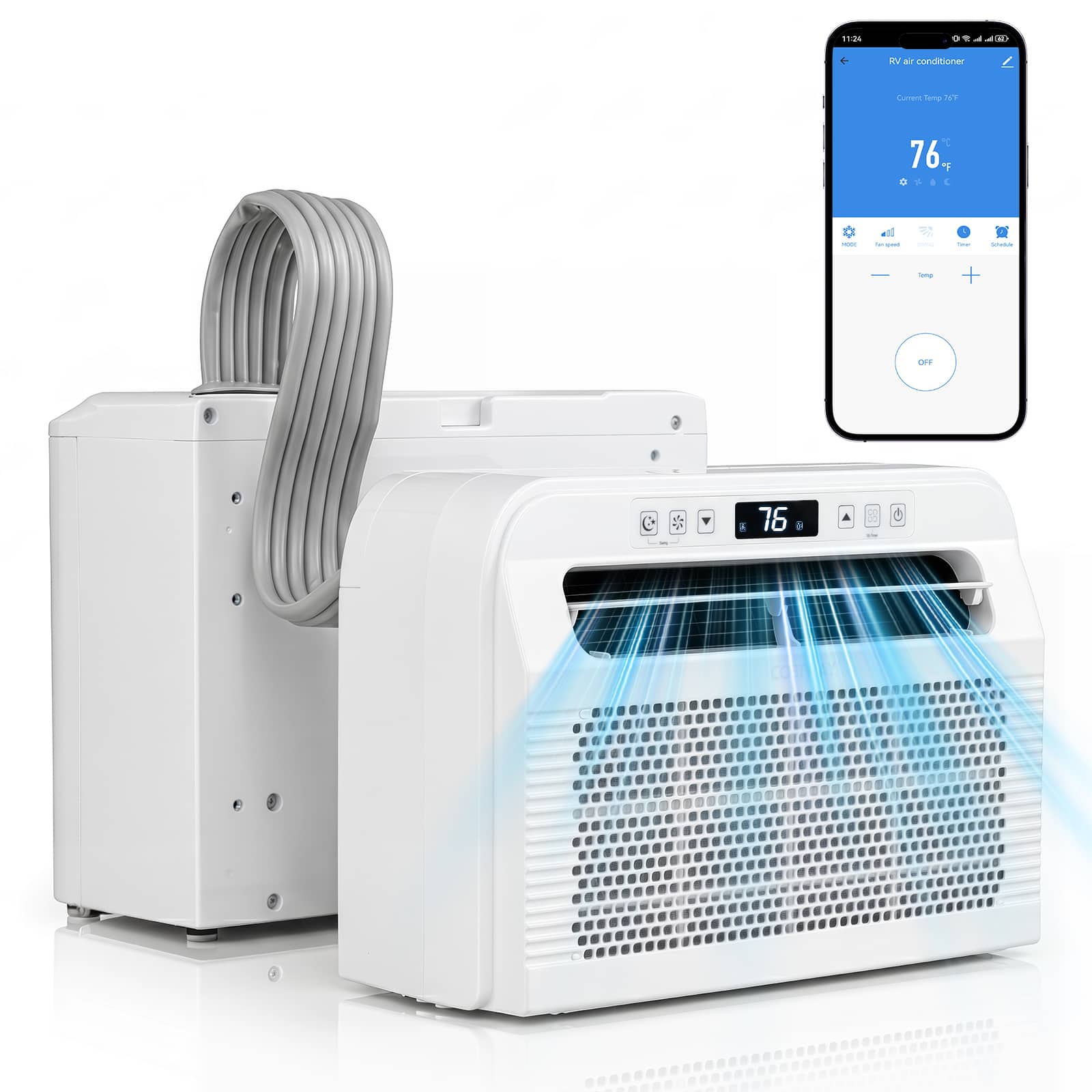
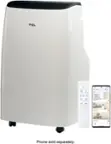
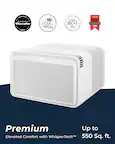
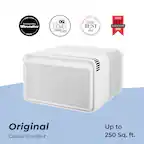
Costway - RV Window Air Conditioner, 6500 BTU Window AC Unit with WiFi APP Voice Control - White
SKU: JJGPSRH98QSee all Window Air ConditionersProduct Description
A white window AC unit with WiFi, voice control, and quiet 6,500 BTU cooling for RVs.Your price for this item is $469.49Save $400The previous price was $869.99 -
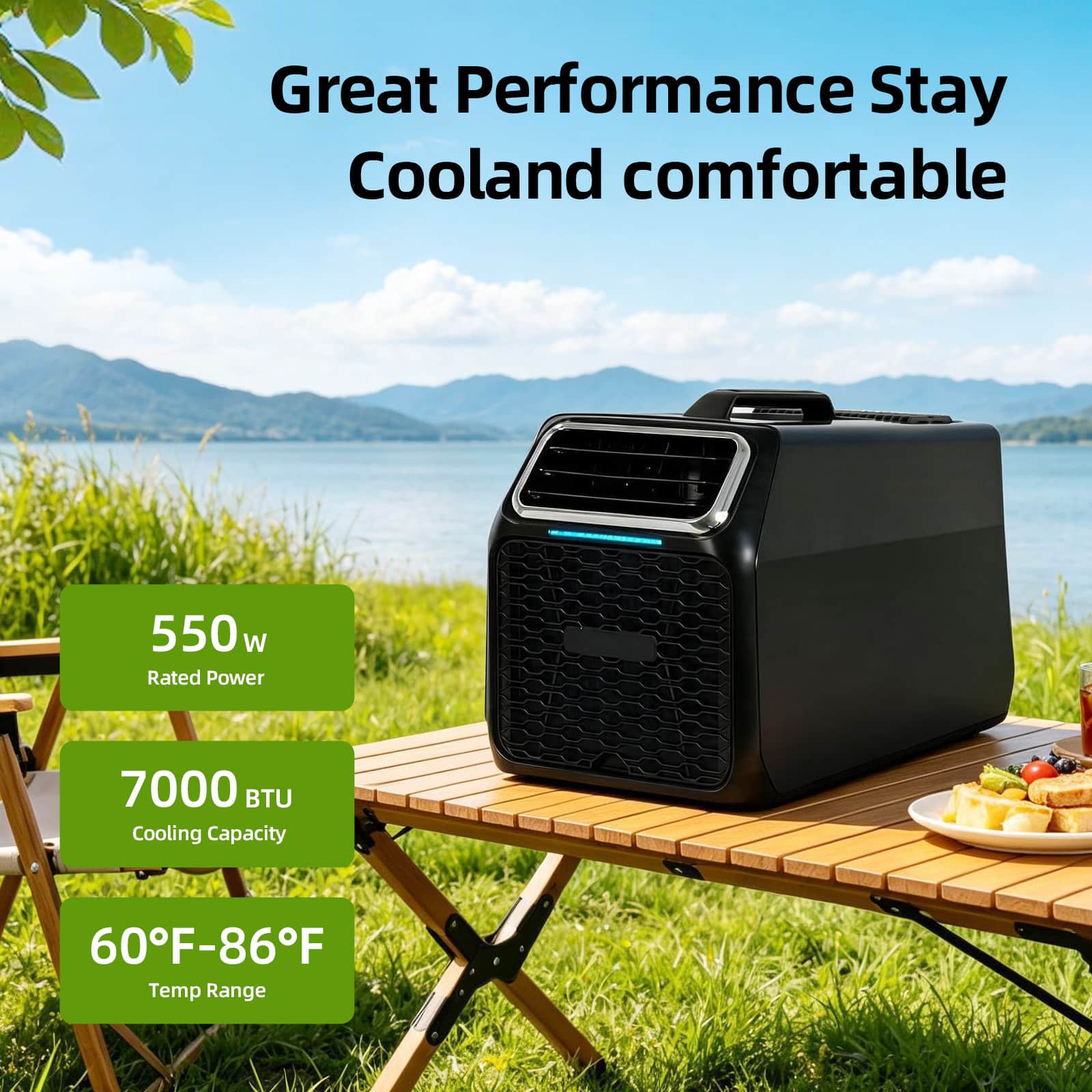
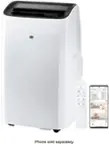
Loheer - 7000 BTU Portable Camping Air Conditioner, Tent AC with Remote, 4 Modes, 60°F-86°F
SKU: J78H5K6298See all Portable Air ConditionersProduct Description
A portable black camping air conditioner with remote, 4 modes, and adjustable temperature from 60°F to 86°F.Your price for this item is $473.99Save $99The previous price was $572.99 -
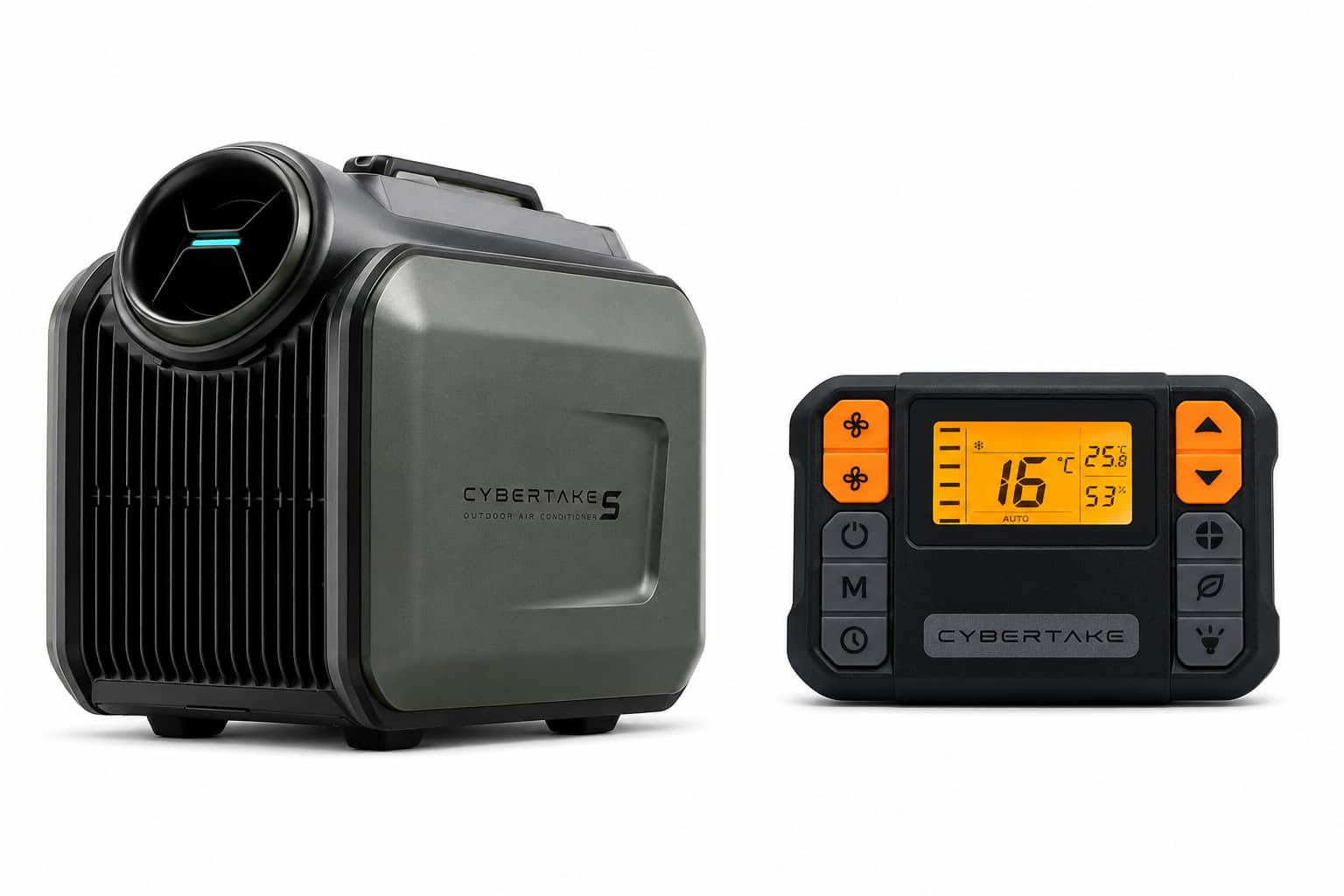
Cybertake - Portable Air Conditioner with Remote Control, 3300 BTU/960 W, 3-in-1 Cooling AC Unit for Outdoor Camping Tent/RVs - Dark Green
SKU: CZTV87ZVJLSee all Portable Air ConditionersProduct Description
A portable dark green 3-in-1 air conditioner with remote, sleep mode, timer, and whisper-quiet operation.Your price for this item is $679.99Save $200The previous price was $879.99 -
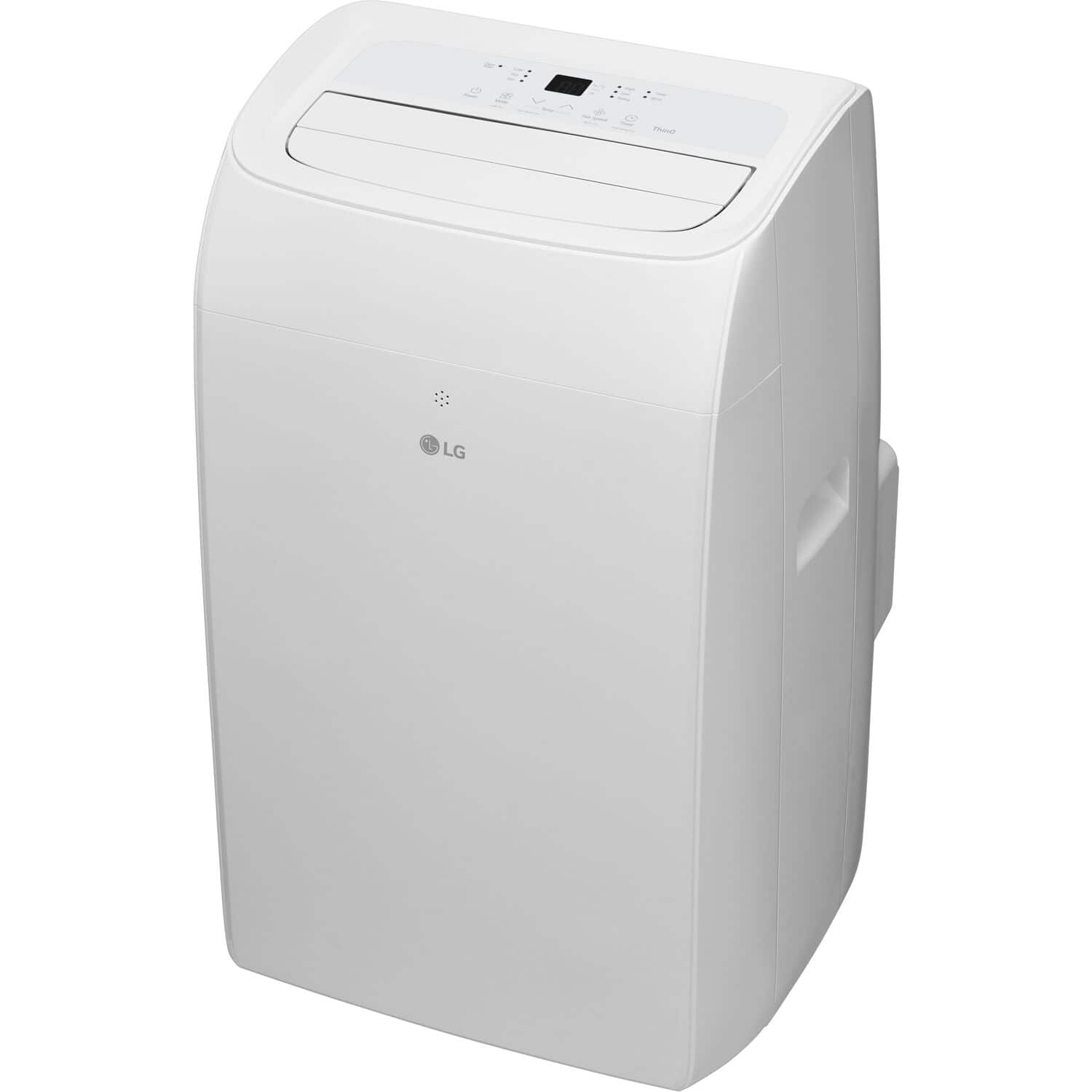
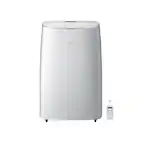
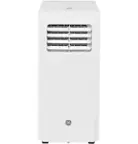
LG - 350 Sq. Ft. 8,350 BTU DOE (12,000 BTU ASHRAE) Smart Portable Air Conditioner - White
SKU: J7G565558VBest Portable AC unit for 300-350sqft and with LG ThinQ I can control both upstairs and downstairs with...Love the wifi feature to ensure I am not running it when I don't have to as well as to turn it...
See all Portable Air ConditionersProduct Description
A smart white portable air conditioner offering app control, voice compatibility, dehumidifier, and multiple fan speeds.Your price for this item is $399.99Save $40The previous price was $439.99 -
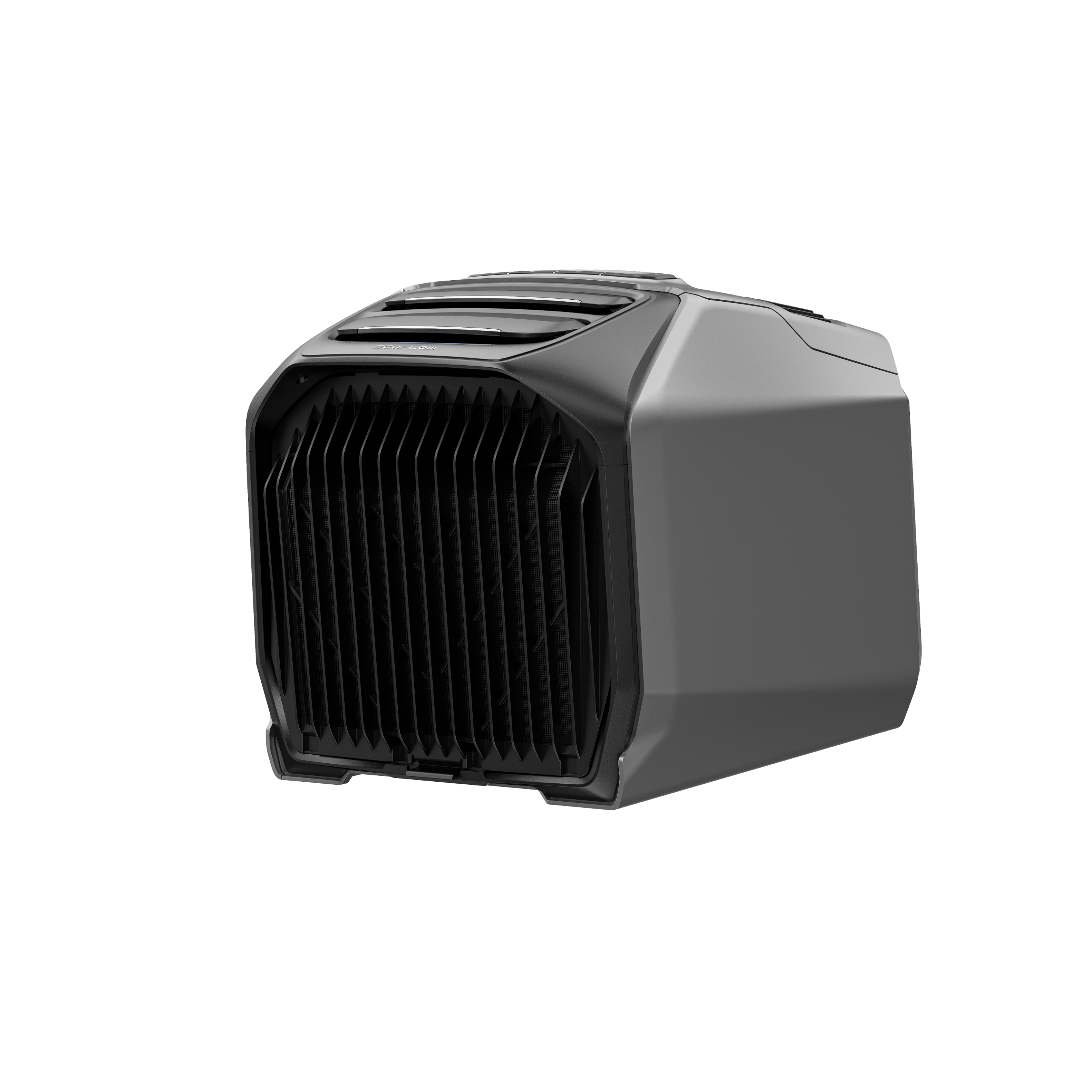
EcoFlow - Wave 3 - 180 Sq. Ft. Portable Air Conditioner - Gray
SKU: J36C7V45XYSee all Portable Air ConditionersProduct Description
A portable grey air conditioner with integrated heater, Bluetooth, remote control, timer, and sleep mode.Your price for this item is $899.00Save $400The previous price was $1,299.00 -
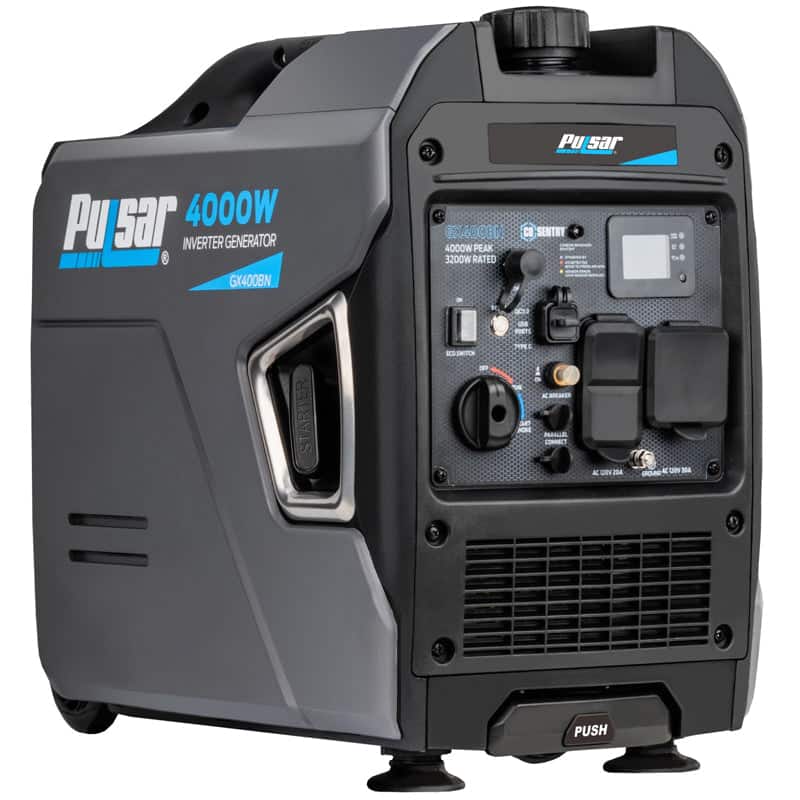
Pulsar - GX400BN 4000W Portable Dual Fuel Inverter Generator Ultra Quiet RV Ready Parallel Capable Wheels CO Sensor
SKU: J3L9CFQZCJSee all Gas Powered GeneratorsProduct Description
A portable dual fuel inverter generator offering ultra-quiet operation, CO sensor, wheels, and RV-ready convenience.Your price for this item is $499.00 -
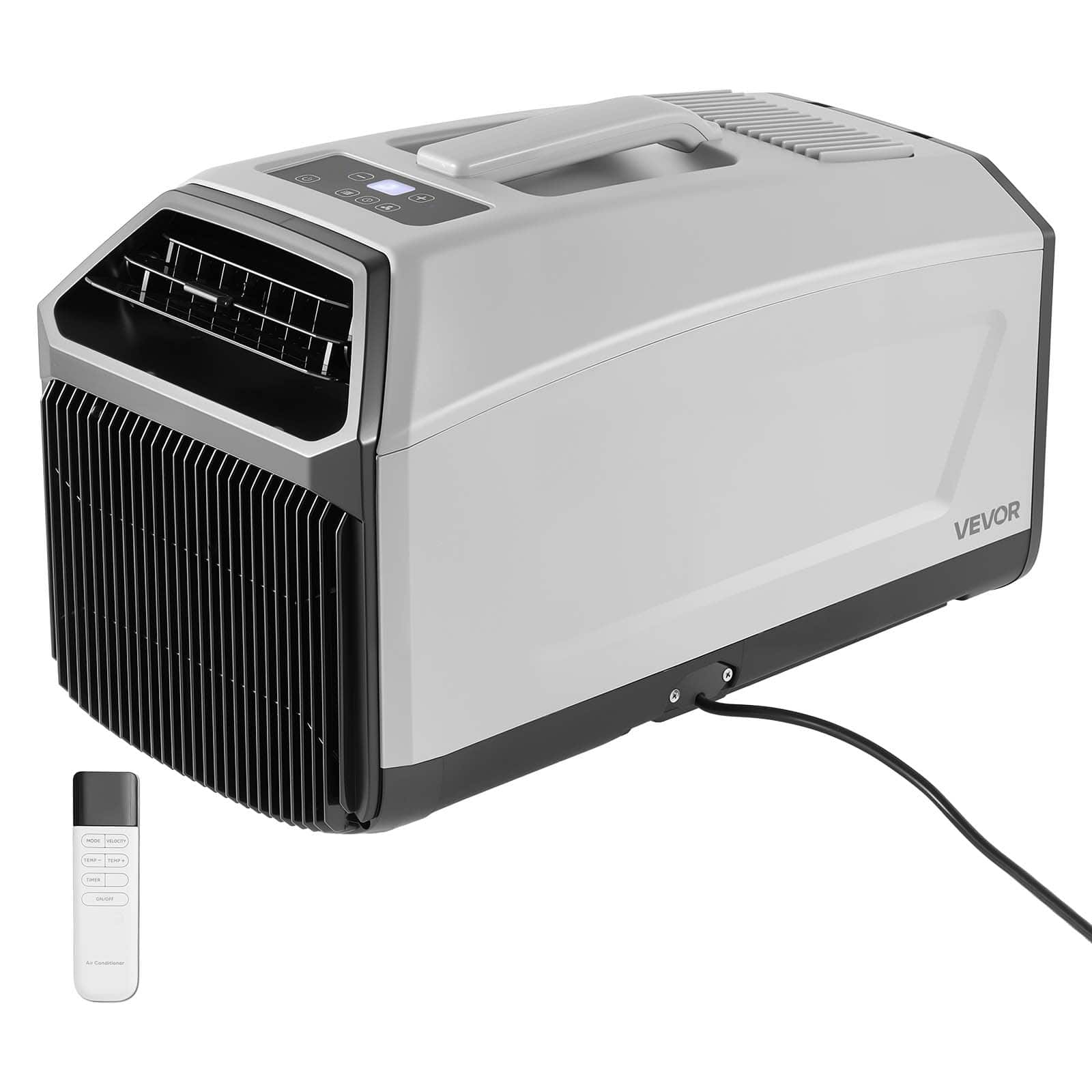
VEVOR - Portable Camping Air Conditioner 3050 BTU, Tent AC Unit with Hose, Remote & Touch Control, 61–90°F Adjustable - Dark Gray
SKU: JJGHKZ6V3TSee all Portable Air ConditionersProduct Description
A portable dark gray camping AC unit offering 3050 BTU cooling, remote control, and adjustable temperature.Your price for this item is $352.90 -
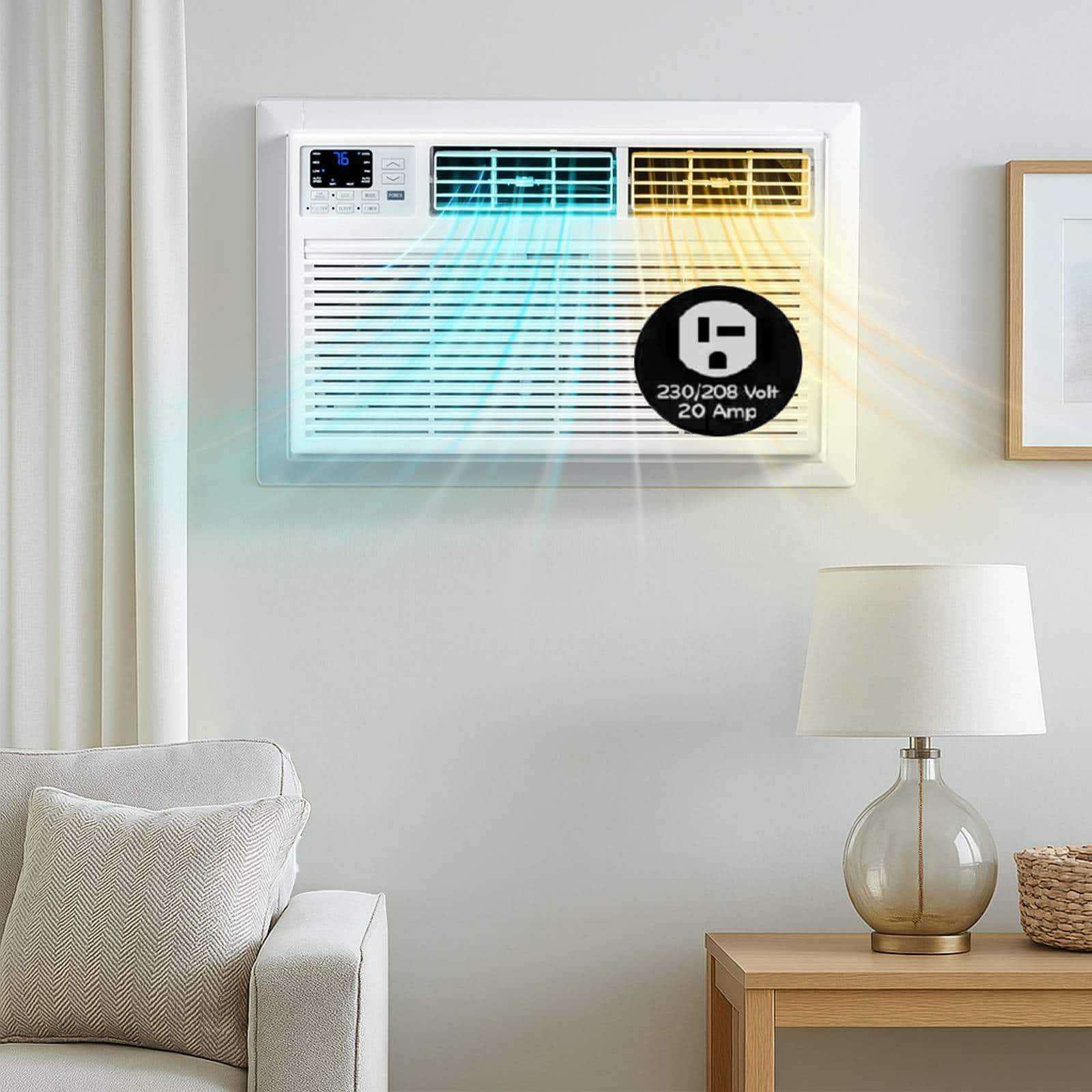
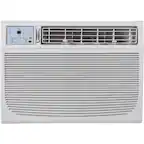
Winado - 10,000 BTU Through-the-Wall Air Conditioner with Heat and Dehumidifier, Wi-Fi Enabled, Energy-Efficient AC Unit - White
SKU: J2LWS69XT7See all In-Wall Air ConditionersProduct Description
A white, energy-efficient AC unit with heat, dehumidifier, Wi-Fi control, and app compatibility for year-round comfort.Your price for this item is $479.99 -
Winado - 12,000 BTU Through-the-Wall Air Conditioner with Heat and Dehumidifier, Wi-Fi Enabled, Energy-Efficient AC Unit - White
SKU: J2T333Y3T9See all In-Wall Air ConditionersProduct Description
A white, energy-efficient unit offering cooling, heating, dehumidification, and Wi-Fi control for year-round comfort.Your price for this item is $519.99 -
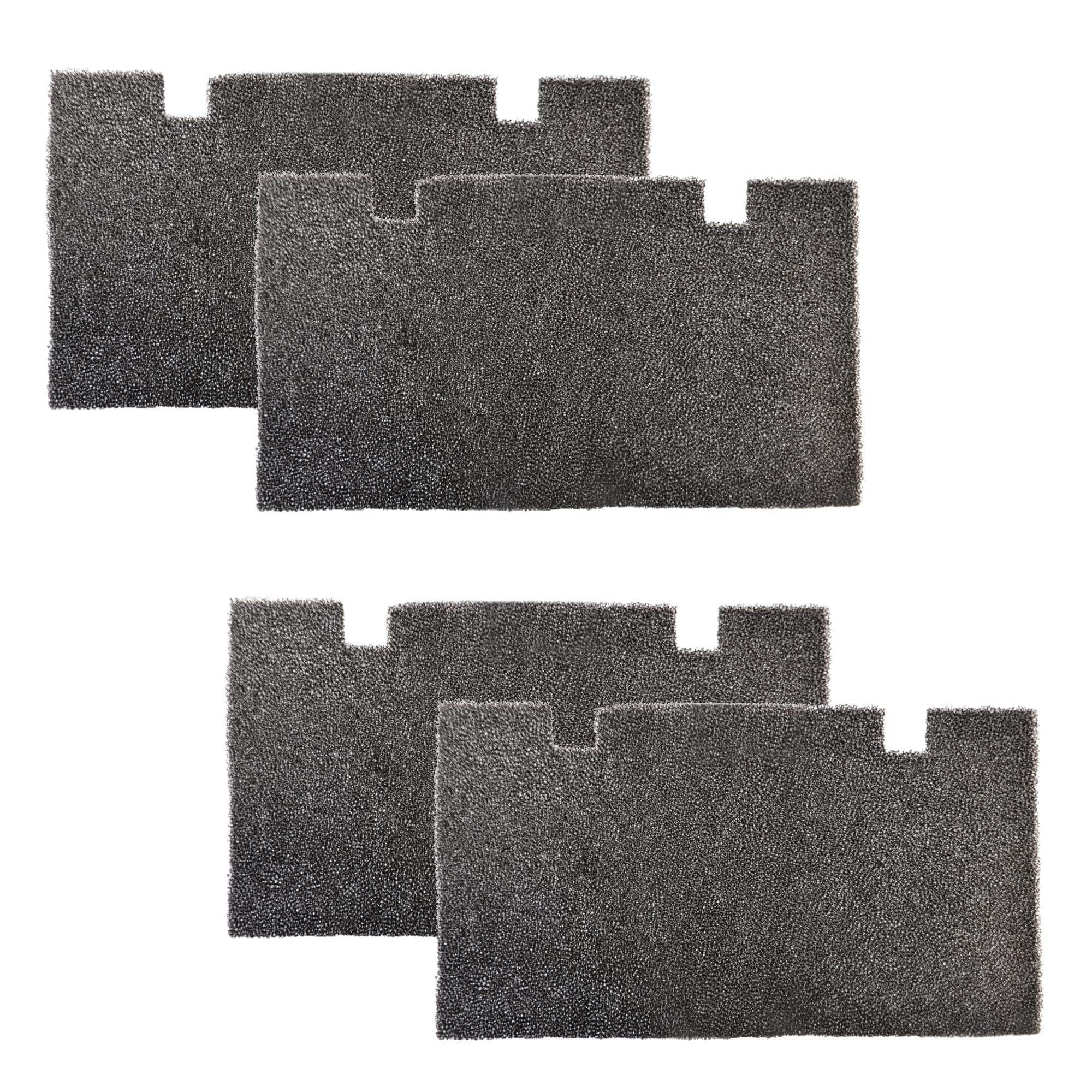
HQRP - 4-Pack RV AC Foam Filters 14 x 7.5 compatible with Dometic Duo Therm 3105935 3105007 Return Air Grille
SKU: J3ZSLC67GVSee all Air Purifier Filters & PartsProduct Description
A washable, reusable foam filter pack that captures dust and dander while maintaining optimal airflow in RVs.Your price for this item is $15.95
Best Sellers
Related Pages


FAQ
When choosing an RV air conditioner, consider features such as energy efficiency, noise levels, programmable thermostats, multi-speed fans, and compatibility with your RV's electrical system. Some models also offer remote controls or built-in air purifiers for added convenience and comfort.
Many RV air conditioners are designed for straightforward installation, especially if you're replacing an existing unit. However, installation may require basic electrical knowledge and the proper tools. For best results and to ensure warranty coverage, professional installation is often recommended.
Regular maintenance includes cleaning or replacing the air filter, inspecting the unit for debris, and checking the condenser coils. It's also important to ensure the air vents are unobstructed and to periodically check for signs of wear or leaks to keep your air conditioner running efficiently.
Yes, some RV air conditioners come with built-in heat pump functionality or offer optional heat strips. These features allow the unit to provide both cooling and supplemental heating, making them versatile for different weather conditions.
Ducted RV air conditioners distribute cool air through a system of ducts, providing even cooling throughout the RV. Non-ducted units blow air directly from the unit into the living space and are ideal for smaller RVs or single-room cooling.