The Coolest Things About Garage-Ready Refrigerators
Best Selling Products carousel(6 Items)


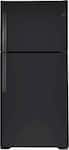
What makes a refrigerator garage-ready?
Designed for temperature extremes
The biggest distinction between a regular refrigerator and a garage-ready refrigerator is its ability to operate efficiently in a wide range of ambient temperatures. Standard refrigerators are typically engineered to work best in climate-controlled environments (usually between 60°F and 85°F). When placed in a garage where temperatures may drop below freezing in winter or exceed 100°F in summer, a regular fridge can malfunction.
On the other hand, similar to outdoor refrigerators, garage refrigerators are equipped with either better insulation, advanced thermostatic controls or special compressors that can handle these extremes. This means they keep food cold (or frozen) even when the surrounding environment becomes unpredictable.
Independent thermostat control
Reinforced components
Benefits of a garage-ready refrigerator
Additional storage. One of the main reasons people invest in a garage refrigerator is the need for more storage. Maybe you’re stocking up on bulk groceries, or perhaps you’re keeping drinks cold for social gatherings or holiday meals. An extra fridge or garage-ready freezer adds convenience and capacity.
Space-saving. Kitchens aren’t always equipped with enough room for a second fridge. Moving overflow food storage to the garage frees up space inside your home and keeps clutter to a minimum.
Keeps beverages and snacks easily accessible. Whether you’re working in the garage or hosting an outdoor BBQ, a garage fridge stocked with drinks and snacks can keep everyone happy without multiple trips inside the house.
Energy efficiency in harsh climates. A well-designed garage-ready refrigerator is not only built to function in temperature extremes but can do so without dramatically increasing your energy bill. In contrast, a standard fridge struggling in hot or cold garages can run inefficiently, resulting in higher utility costs.
What to consider when shopping for a garage-ready fridge or freezer
External temperature range. Always check the operating temperature range listed by the manufacturer. Ideally, your garage refrigerator should perform well in temperatures from around 0°F to 110°F. This ensures year-round reliability regardless of your location’s climate.
Size and capacity. Garage fridges come in various sizes. Consider how much space you have in your garage and what you plan to store. Are you looking for a full-sized refrigerator/freezer combo, a compact beverage fridge or a dedicated garage freezer? Measure your available area and consider your long-term storage needs.
Type of appliance. There are several types of appliances marketed as garage-ready:
- Top-freezer refrigerators: These are often the most affordable and most commonly found in garage settings.
- Bottom-freezer models: Less common, but convenient for frequent access to frozen items
- Side-by-side refrigerators: Provide easy access to both sections but may require more space.
- Garage-ready freezers: Ideal for hunters, gardeners or families who freeze large quantities of food. When choosing a freezer, consider dimensions and power demands.
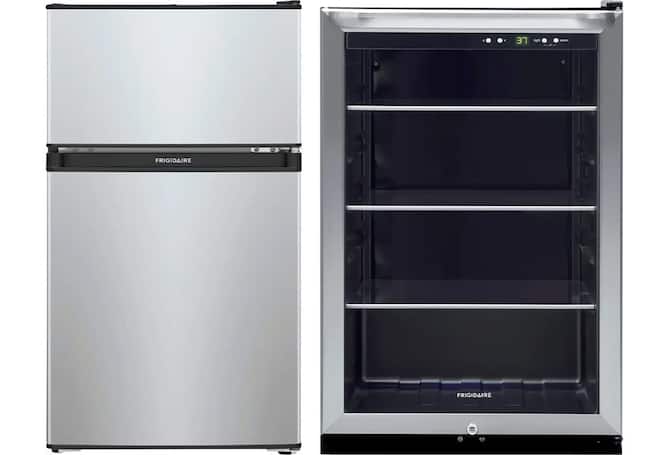
- Compact garage refrigerators: Great for beverages or overflow, often used in workshops and studio spaces.
Energy efficiency. Look for ENERGY STAR® ratings or similar certifications. A good garage-ready freezer should maintain internal temperatures efficiently even when external temperatures fluctuate, minimizing wasted energy.
Durability and design. Garages are rough environments. Consider a garage fridge with a durable finish, scratch-resistant exterior and solid door seals. Stainless steel or fingerprint-resistant fridges are easier to maintain in dusty conditions.
Adjustable shelves and storage. Storage flexibility is key, especially if you plan to store bulky items like gallon jugs, beer cases or frozen meats. Removable or adjustable shelves, door bins, and crisper drawers add usability.
Manual vs. frost-free defrost. If you're buying a garage-ready freezer, consider whether you want a manual defrost or a frost-free model. Frost-free freezers are more convenient but tend to be a bit more expensive. Manual defrost models often use less energy and can be more reliable in cold garage temperatures.
Common refrigerator pitfalls to avoid
It might be tempting to relocate an old indoor fridge to the garage, but this can backfire. In winter, the freezer might stop working entirely because the thermostat is tricked by the cold air around it. In summer, your unit may overwork itself and break down prematurely. If it’s not a garage-ready refrigerator, it’s not worth the risk.
Most fridges require a dedicated 120V outlet. Avoid using extension cords unless they are specifically rated for appliance use and can handle the load. And to keep it properly running for years to come, avoid stuffing your garage fridge to maximum capacity, especially if it’s working hard in summer heat. Proper airflow is necessary to keep items evenly cooled. Likewise, too few items in a freezer can make it inefficient in winter. Use water jugs or other filler items to help stabilize internal temps when it's not full.
Bonus tips for garage fridge longevity
Add insulation. If your garage isn’t insulated, consider adding basic insulation or weather stripping. It will help maintain more moderate internal temperatures, reducing stress on your garage-ready refrigerator or garage freezer.
Elevate the appliance. Keep your garage fridge slightly off the ground to avoid contact with water or snow tracked in from outside. This also improves airflow around the appliance, contributing to efficiency.
Regular maintenance. Check and clean the condenser coils every few months, especially if your garage is dusty or if you have pets. Inspect door seals for wear and tear to ensure optimal cooling.
Enjoying the rugged convenience of a garage refrigerator
Choosing a garage-ready refrigerator or garage freezer is a smart move for homeowners who need extra storage and reliability in a non-climate-controlled environment. These specially designed refrigerators offer durability, efficiency and the peace of mind that your food or beverages will stay at the right temperature all year long.
Whether you're looking for a compact garage fridge to hold a six-pack or a full-size garage-ready freezer for your bulk grocery hauls, there are plenty of great options tailored to meet your needs. Just be sure to consider your climate, storage needs and garage space before making your purchase.
Investing in the right garage-ready refrigerator means no more food waste, fewer indoor fridge battles and a more organized, functional home.