How to Choose the Best Headphones for Kids
Best Selling Products carousel(6 Items)
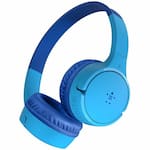
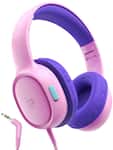
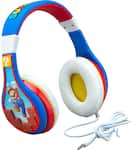
Finding the best kids’ headphones
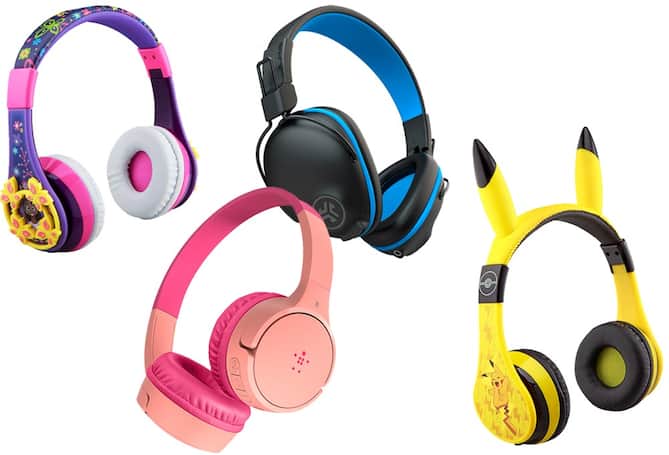
Picking a colorful design or the latest trendy brand can be fun, but finding the best headphones for kids involves more than looks. A child's ears are more sensitive to loud sounds than an adult’s, making wearability, volume limits and age-appropriate features necessary factors to consider.
Whether your child needs headphones for learning, travel, gaming or enjoying music, the right pair of headphones for kids can provide safe and enjoyable listening. Keep reading as we explore the key features to look for and help you find kids’ headphones that balance sound quality, safety and comfort.
Why kids need specially designed headphones
A good pair of kids' headphones should do more than simply play audio. They should be designed to fit younger users easily, help protect developing hearing and stand up to everyday use. Here are some of the features that set headphones for kids apart from standard adult models:
- Volume-limiting technology. Many kids' headphones cap the maximum volume at a safer listening level, helping reduce the risk of hearing damage while still providing clear sound.
- Smaller, more comfortable fit. Lightweight designs, adjustable headbands and smaller ear cups are made to fit children's heads for longer listening sessions.
- Durable construction. Flexible headbands, reinforced cables and sturdy materials help headphones withstand drops, twists and everyday wear and tear.
- Easy-to-use controls. Simple buttons and intuitive controls make it easier for younger children to adjust volume, pause audio or answer calls without frustration.
Because children use headphones differently than adults, features like volume limits, durable materials and a secure fit can go a long way.
Wired vs. wireless kids’ headphones
Kids' headphones are available in both wired and wireless models, and each offers advantages depending on how they'll be used. Wired kids’ headphones plug directly into a compatible device and don't require charging, providing a reliable connection.
Kids' wireless headphones connect wirelessly to compatible tablets, laptops and other Bluetooth-enabled devices. Without a cable, kids’ Bluetooth headphones offer greater freedom of movement, which makes them convenient for travel and online learning. Many Bluetooth headphones for kids also include built-in microphones for video calls, virtual classes and voice chats.
As you compare wired and wireless options, knowing the features to look for when shopping for headphones can help you find the best fit for your child's needs.
Are noise-cancelling headphones for kids safe?
Kids’ noise-cancelling headphones can be a safe option when used responsibly. In fact, active noise cancellation (ANC) may help children listen at lower volumes by reducing background sounds from airplanes, busy classrooms or other noisy environments.
That said, noise cancellation isn't always the best choice. Because ANC reduces outside sounds, children may be less aware of what's happening around them. For this reason, it's generally best to reserve noise-cancelling headphones for situations where minimizing background noise is helpful rather than when children need to hear parents, teachers or nearby traffic.See Disclosure 1
Choosing the best kids’ headphones for school
Many classrooms now use digital learning tools, making a dependable pair of kids' headphones for school an everyday essential. Since school headphones are often packed into backpacks and used for extended periods, durability and comfort should be top priorities.
When comparing options, look for lightweight headphones with adjustable headbands, cushioned ear cups and a volume-limiting feature. If your child participates in virtual lessons or other interactive activities, a built-in microphone can also be a valuable addition.
It's also a good idea to check your child's school requirements before buying. Some schools prefer wired headphones, while others support Bluetooth devices. Choosing the right option ahead of time can help ensure your child is ready for class.
Picking a style your child will want to wear
Technical features are important, but they're only part of the equation. Choosing a style that matches their preferences can help make daily listening more appealing.
- Choose age-appropriate designs. Younger children may enjoy bright colors, fun patterns or character-themed headphones, while older kids often prefer more subtle, mature styles.
- Think about color options. Letting your child pick their favorite color can help them feel more excited about using and caring for their headphones.
- Check for adjustable sizing. Customization can help headphones continue to fit properly as children grow.
While appearance shouldn't outweigh the aforementioned important features, finding a pair that your child genuinely likes can encourage regular use.
Which kids' headphones are right for your child?
References
1. Woolford, Susan. “Are headphones and earbuds exposing your children to noise health risks?” Institute for Healthcare Policy and Innovation, The Regents of the University of Michigan. February 26, 2024. https://ihpi.umich.edu/news-events/news/are-headphones-and-earbuds-exposing-your-children-noise-health-risks.
2. “Can they hear you now: Noise and headphone use in children.” C.S. Mott Children’s Hospital, University of Michigan Health. February 26, 2024. https://mottpoll.org/reports/can-they-hear-you-now-noise-and-headphone-use-children.