Safely Exercising in Your Golden Years: Tips for Seniors to Avoid Injury

Best Selling Products carousel(4 Items)
The importance of senior fitness
Tailoring exercise regimens
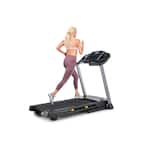
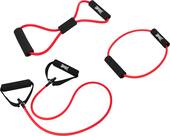
Investing in the right gear and equipment may contribute to injury prevention during exercise sessions.See Disclosure 3 Accessories like a thick yoga mat or a quality set of strength training gear can make sure the ergonomics are correct and comfort levels are enough to finish the workout safely.
Additionally, tech that helps with keeping track of certain vital signs and health indicators can offer an additional level of peace of mind, leaving the guesswork out of determining personal limits. Here are some exercise equipment and accessories seniors should consider incorporating into their fitness routines.
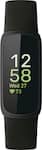
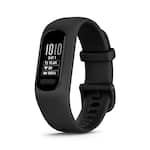
- Fitness ring or fitness tracker. A fitness watch or wristband can help seniors monitor their daily activity levels, track steps taken, calories burned and even monitor sleep patterns. These devices provide valuable feedback, motivating seniors to stay active while helping them pace themselves to help them avoid overexertion. And based on the types of activity and personal preference for size, accessibility and comfort, it may be preferable to choose a fitness ring instead.
- Pulse oximeter. A pulse oximeter is a handy device for monitoring oxygen saturation levels in the blood, especially during aerobic activities. Seniors with respiratory conditions or those exercising at higher altitudes can benefit from using a pulse oximeter to keep tabs on oxygen levels during a workout.
- Heart rate monitor. Similarly, monitoring heart rate is one way to gauge the intensity of a workout and ensure it’s staying within a safe range. A heart rate or EKG monitor provides real-time feedback, allowing older adults to adjust their exercise intensity as needed to prevent overexertion.
- Blood pressure monitor. High blood pressure is a common concern among seniors, and regular blood pressure monitoring is crucial, especially during exercise. Investing in a blood pressure monitor enables older adults to track their readings before, during, and after workouts, ensuring they are exercising safely within recommended guidelines.
- Glucose monitor. Monitoring blood pressure and keeping tabs on glucose to improve health share similar value. People with diabetes must monitor their blood glucose levels closely, particularly before engaging in physical activity. A blood sugar monitor allows individuals to track their glucose levels and make informed decisions about exercise and nutrition to manage their condition effectively.
- Medical alert system. For older adults who exercise alone or have underlying health concerns, a medical alert device can be a lifesaver. These devices allow seniors to call for help in case of emergencies, providing reassurance and swift assistance when needed.
Workout recovery and injury prevention
Taking the steps toward proper recovery is essential for seniors to maintain their exercise routine safely and prevent post-exercise injuries. The following are some strategies and recovery tools that may help older adults recover effectively and feel less worn down in the days after a workout.
1. Incorporate stretching and flexibility exercises.
Stretching and flexibility exercises are crucial for seniors to improve range of motion, prevent stiffness and reduce the risk of injury. Incorporate gentle stretching routines into your exercise regimen, focusing on major muscle groups and joints.
2. Use massage tools such as a massage gun or foam roller.
Massage tools like a massage gun or foam roller may help relieve muscle tension, improve circulation and promote faster recovery after workouts.See Disclosure 4 Seniors can use these tools to target specific areas of discomfort or tightness, enhancing overall comfort and mobility.
3. Consider using compression sleeves.
Compression sleeves are designed to help improve blood flow and reduce swelling in the arms or legs during and after exercise. For seniors with knee pain or instability, knee compression sleeves may provide added support and stability, reducing the risk of injury during physical activity.
5. Practice proper form and technique.
Seniors should focus on practicing proper form and technique during exercise to minimize the risk of injury. Start with lighter weights or resistance bands and gradually increase intensity as strength and proficiency improve. If unsure about proper form, consider working with a qualified fitness instructor or physical therapist.
Building on old routines or starting new, exercise can keep you moving later in life
References
1. Langhammer, Birgitta, Astrid Bergland and Elisabeth Rydwik. "The Importance of Physical Activity Exercise among Older People." BioMed Research International. December 5, 2018. https://doi.org/10.1155/2018/7856823.
2. Wang B, Wu Y, Zhang T, et al. “Effect of Physical Activity on Independent Living Ability among Community-Dwelling Elderly in Urban Areas of Liaoning Province in China: A Population-Based Study.” BMJ Open. 2019. https://bmjopen.bmj.com/content/9/10/e023543.citation-tools#article-bottom.
3. Harvard Health. “Tips for Choosing the Right Exercise Equipment.” Harvard Health Publishing, Harvard Medical Journal. January 31, 2012. https://www.health.harvard.edu/healthbeat/tips-for-choosing-the-right-exercise-equipment.
4. Ferreira, Ricardo M., Rafael Silva, Pedro Vigário, Pedro N. Martins, Filipe Casanova, Ricardo J. Fernandes and António R. Sampaio. "The Effects of Massage Guns on Performance and Recovery: A Systematic Review." Journal of Functional Morphology and Kinesiology. September 18, 2023. https://doi.org/10.3390/jfmk8030138.
Additional information:
These statements and any information contained herein are intended for educational purposes only and are not meant to substitute for medical care or to prescribe treatment for any specific health condition. Carefully review product labels for instructions and important safety information and consider consulting with a health care professional regarding your use of health and wellness products.