Cool, Calm and Controlled: Understanding Indoor AC Units
Best Selling Products carousel(6 Items)
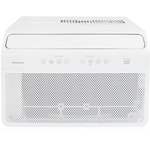
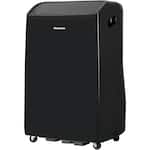
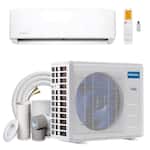
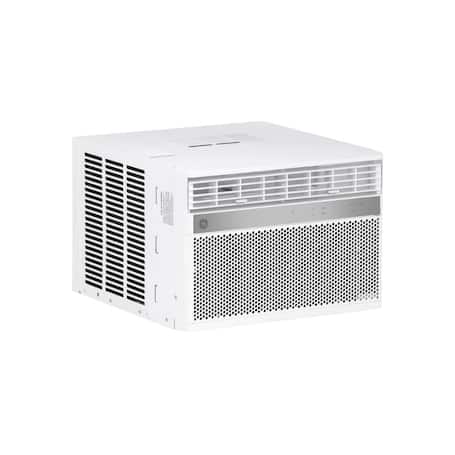
Not every home needs central air, and that's where indoor AC units shine. From wall-mounted air conditioners to in-window units, these systems provide direct, room-specific cooling that’s both efficient and budget-friendly. However, not all air conditioners are created equal.
Whether it’s energy output or installation style, there’s a lot to consider when choosing the right indoor air conditioner for your home. Keep reading as we walk you through the key points so you can chill out—literally and figuratively.
Exploring the different air conditioner units
When it comes to indoor air conditioning, there’s no one-size-fits-all solution. The type of unit you choose will depend on your space, cooling needs and installation preferences. Here’s a breakdown of the most common indoor AC units to help you find the best fit:
- Wall-mounted air conditioners. Often installed higher up on a wall, wall-mounted AC units are a popular choice for permanent installations in rooms without ductwork. A ductless air conditioner is sleek, quiet and effective for maintaining a consistent temperature in medium to large spaces.
- Window air conditioners. Ideal for smaller rooms or apartments, window ACs are designed to fit directly into a standard window frame. Air conditioner window units are typically easy to install and remove seasonally, making them a flexible choice for renters or anyone looking for a temporary cooling solution.
- In-wall air conditioners. Similar to window models but built into a wall sleeve, in-wall air conditioners offer a more permanent option without sacrificing window space. In-wall AC units are great for homeowners looking for a cleaner, more built-in look.
- Smart air conditioners. These models connect to your Wi-Fi so you can adjust the temperature from your phone, set schedules or pair with voice assistants like Alexa or Google Assistant. Smart air conditioners are great if you want to manage energy use or come home to a perfectly cooled room.
Portable air conditioners are another option, especially if you need a flexible cooling solution that can be moved from room to room or if your space doesn’t allow for a window or wall-mounted unit. To find the best portable air conditioner for your home, consider factors like room size, noise level and whether you want smart features or dual-hose efficiency.
How do air conditioners work?
At a basic level, air conditioners work by pulling warm air from your room, cooling it with refrigerant coils and pushing the cooled air back out while venting heat outside. Most units use a fan to draw air in, a compressor to circulate refrigerant and a condenser to release heat. This results in a steady flow of cooler, drier air that keeps your indoor environment more comfortable.
Some air conditioners also include built-in heaters, allowing you to use the same unit for both cooling in the summer and supplemental heating in the winter. These dual-function air conditioners with heaters can be especially useful in moderate climates where a full central heating system isn’t necessary, or for heating specific rooms without turning up the thermostat for the whole house.
What is BTU and why does it matter?
BTU stands for British thermal unit, and it’s a key measurement of how much cooling power an air conditioner has. The higher the BTU rating, the more air the unit can cool. When choosing an air conditioner, it's important to match the air conditioner BTU rating to the size of the room. A unit that’s too small won’t cool effectively, while one that’s too powerful may cycle on and off too frequently, wasting energy.
As a general guideline, a 150-square-foot room typically needs about 5,000 BTUs, with larger spaces requiring proportionally more. Factors like ceiling height, sun exposure and insulation can also affect how many BTUs you need.
How to clean an air conditioner
To keep your indoor AC running efficiently and extend its life, regular cleaning is essential. For most AC units, you can:
- Clean or replace the filter every couple of months, especially during heavy use.
- Vacuum the vents and exterior to remove dust debris.
- Check for moisture buildup and clear any drainage holes or hoses to prevent mold.
- Wipe down the coils and fan blades carefully if accessible, or schedule seasonal maintenance for deeper cleaning.
Keeping your indoor air conditioner unit clean not only improves performance but also helps maintain better indoor air quality.
Which air conditioning unit is best for you?
The best air conditioner for your home depends on your space, lifestyle and cooling goals. If you’re looking for a permanent, low-profile solution, wall-mounted or in-wall units offer strong performance without taking up window space. For smaller areas or rentals, window air conditioners remain a practical, budget-friendly choice.
If you prefer high-tech convenience, a smart air conditioner lets you stay in control from anywhere via your phone or smart home system. No matter which route you go, choosing the right air conditioner with the right features will help you stay cool, calm and in control throughout the warm months—and enjoy a more comfortable home environment year-round.