What Is a QLED TV? Exploring the Tech Behind the Screen
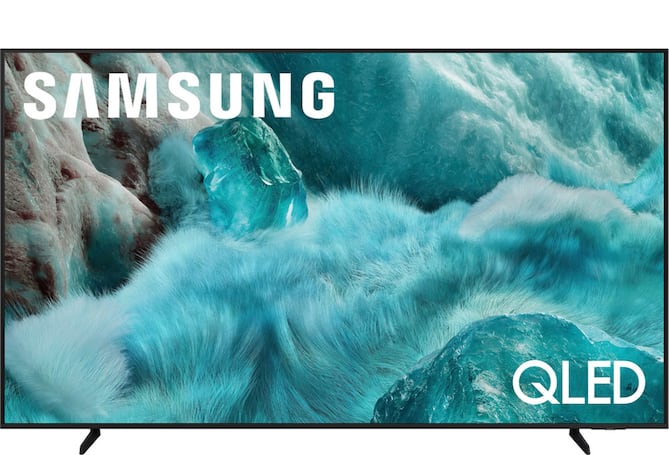
Best Selling Products carousel(6 Items)

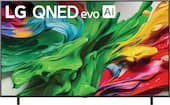
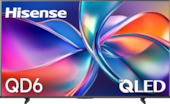
Thinking about upgrading your TV but unsure what “QLED” really means? You’re not alone. With so many display types available—LED, OLED, QLED—it can be tough to know which technology is right for your home and viewing habits.
QLED TVs are known for their brightness, color vibrancy and overall performance. But how do they work, and what makes them different from other popular options? Keep reading as we break down the technology behind QLED TVs, highlight their benefits and help you decide if one belongs in your living room.
What is QLED?
QLED stands for quantum light emitting diode, a display technology designed to enhance your viewing experience. QLED TVs use a layer of quantum dots—tiny semiconductor particles that emit light when illuminated by a backlight—to boost color and brightness. The result is vivid color performance and crisp, clear images, even in brightly lit rooms.
Unlike OLED TVs, which emit their own light pixel by pixel, QLED TVs use an LED backlight. This allows them to reach higher brightness levels and often makes them more affordable. Some of the latest advancements include Neo QLED technology, which uses mini LEDs to improve contrast, black levels and overall image quality even further. Whether you're watching a sports game or streaming a 4K blockbuster, a 4K QLED TV delivers detail-rich visuals with lifelike color.
QLED vs. OLED: Is QLED better than OLED?
When it comes to QLED vs. OLED, the answer depends on your priorities. OLED (organic light emitting diode) TVs offer perfect black levels and near-infinite contrast, making them ideal for dark room viewing. Each pixel emits its own light and can turn off completely, creating incredibly deep blacks.
However, QLED TVs excel in brightness and color saturation, especially in bright rooms. They also tend to have longer lifespans and are less susceptible to burn-in compared to OLEDs. If you're wondering what is the difference between QLED and OLED or if you’re researching OLED vs. QLED TV debates, the key difference lies in how the two display types handle light and color. QLED TVs are often a better choice for rooms with ambient light, and they come in larger and more affordable options like a 65-inch QLED TV or a 75-inch QLED TV.
QLED vs. LED: Is QLED better than LED?
If you're asking yourself whether QLED is better than LED, the short answer is yes—QLED offers a noticeable upgrade. Traditional LED TVs rely solely on an LED backlight with an LCD screen, which can limit color range and depth.
QLED TVs improve on this by adding the quantum dot layer between the LED backlight and the display panel. This enhances color accuracy and allows for higher brightness levels. When comparing QLED vs. UHD (4K), it's important to note that UHD refers to resolution, while QLED refers to display technology. A QLED TV can also be UHD, such as a 4K QLED TV, offering both sharp detail and rich color.
What rooms are best for a QLED TV?
Because of their exceptional brightness and color range, QLED TVs are a great fit for living rooms, family rooms or any area with a lot of natural light. They perform especially well in brightly lit spaces where OLEDs might struggle to maintain picture clarity.
When considering what TV size is best for your room, think about the space and how far you’ll be sitting from the screen. If you're outfitting a media room, a larger screen like a 75-inch QLED TV can enhance movie nights and big games. For smaller spaces like a bedroom or den, a 65-inch QLED TV may be ideal, offering immersive visuals without overwhelming the area. Choosing the right size helps ensure the best viewing experience customized to your room’s layout and your preferences.
Finding the best QLED for you
QLED technology offers a compelling mix of brightness, durability and vibrant color, making it a smart choice for many homes. Whether you need a high-performance screen for daytime viewing or a feature-packed option for gaming and streaming, there’s a QLED TV that fits your lifestyle.
From understanding the difference between QLED and OLED to navigating choices like Neo QLED upgrades, screen size and smart features, shopping for a QLED TV is easier when you know what to look for. With a wide range of models available, it’s also worth considering build quality, audio performance and how the TV fits into your overall setup—especially if you’re pairing it with a sound bar, gaming system or wall mount.
Whether you're building a dedicated entertainment zone or upgrading your main TV for everyday use, QLED technology brings impressive clarity and versatility to the table. Once you’re ready to choose a QLED TV that fits your lifestyle, you’ll be able to enjoy every show, movie and game in striking detail.