Black Friday is hereAlso, shop the 24-Hour Flash Sale.Shop now

Main Content
No content

What Should You Look for When Choosing a Desk?

Standing desk

Building your perfect workspace to improve productivity

A desk is more than just a piece of furniture—it’s a dedicated space for productivity, creativity and organization. Whether you’re setting up a home office, upgrading your workstation or searching for the perfect desk for gaming, studying or crafting, selecting the right one can have a major impact on your daily activities. With so many styles, sizes and materials available, finding the best desk for your specific needs requires careful consideration.

From standing desks and executive desks to compact writing desks and gaming setups, the variety of choices can be overwhelming. This guide explores the different types of desks, their functions, the scenarios in which they are best utilized and essential factors to consider before making a purchase.

Types of desks and their functions

When shopping for a desk, understanding the various types available helps narrow your options. Each type of desk serves a specific function and is designed to enhance different aspects of work or leisure. Here are some of the most common desk types and their ideal use cases:

Executive desks

Executive desks are large, often made from high-quality wood or metal and designed to make a statement. They typically have a wide surface area, multiple drawers and built-in storage solutions. These desks are ideal for professionals who need ample space for paperwork, computers and office essentials. They work best in corporate offices, home offices or any setting where aesthetics and functionality go hand in hand. If you’re looking for a desk that exudes professionalism and authority, an executive desk is a solid choice.

Standing desks

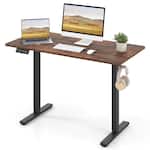
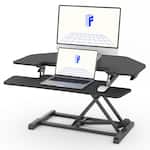
Standing desks, also known as height-adjustable desks, have gained popularity due to their ergonomic benefits. These desks allow users to alternate between sitting and standing, reducing the risk of back pain and improving posture. Many standing desks come with electric or manual height-adjustment features, making it easy to switch positions throughout the day. They are ideal for remote workers, office employees and anyone concerned about the negative effects of prolonged sitting.

Writing desks

Writing desks are simple, sleek and minimalistic, providing a spacious surface for writing, drawing or working on a laptop. They usually have little to no built-in storage, making them lightweight and easy to place in smaller rooms. These desks are perfect for students, writers and professionals who don’t require much storage but need an uncluttered workspace.

Computer desks

Designed specifically for computers and technology setups, computer desks often come with features such as keyboard trays, cable management systems and built-in shelving for accessories like printers and external monitors. They are ideal for home offices, study rooms and corporate environments where computer use is frequent.

Gaming desks

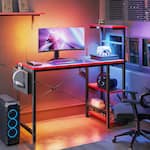
Gaming desks are built for gamers who need space for multiple monitors, gaming consoles and accessories. Many gaming desks come with LED lighting, headphone hooks and cable management features to enhance the gaming experience. If you’re a serious gamer, investing in a specialized gaming desk can improve comfort and functionality during long gaming sessions.

Corner and L-shaped desks

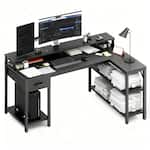
L-shaped desks and corner desks maximize workspace while fitting into corners efficiently. These desks provide ample room for multitasking, making them ideal for professionals with dual monitors or individuals who need space for various activities, such as crafting and studying. They are a great choice for small office spaces where maximizing surface area is essential.

Floating desks and wall-mounted desks

For those with limited space, floating desks offer a compact, stylish solution. These desks attach directly to the wall, saving floor space and providing a clean, modern aesthetic. Wall-mounted desks work well in apartments, dorm rooms and small home offices where space optimization is key.

Choosing the right desk for different scenarios

The ideal desk depends on how and where it will be used. Consider these common scenarios to help determine which type of desk best suits your needs:

  • Home office. If you work from home, a spacious executive desk or an ergonomic standing desk can enhance productivity. Consider desks with built-in storage for organization and a design that complements your home decor.
  • Small spaces. For apartments and dorm rooms, compact desks like floating desks, writing desks or wall-mounted options help maximize available space while maintaining functionality.
  • Gaming setup. A gaming desk with cable management and a large surface for multiple gaming monitors is ideal for serious gamers looking for an immersive experience.
  • Student or study desk. Writing desks or simple computer desks work well for students who need a distraction-free workspace for studying and completing assignments.
  • Creative workstation. Artists, designers and creators may benefit from drafting tables or large, L-shaped desks that provide ample space for tools, desktop computers and materials.

Key factors to consider when buying a desk

Once you’ve identified the type of desk that best suits your needs, consider the following factors to ensure you make the right purchase.

Size and space availability

Measure the available space before buying a desk to ensure it fits comfortably without overcrowding the room. Consider both width and depth, as well as any additional storage or shelving that might be needed.

Material and durability

Desks come in various materials, including wood, metal, glass and others. Solid wood desks offer durability and a classic look, while metal and glass provide a modern aesthetic. Choose a material that aligns with your style and budget while ensuring long-term durability.

Ergonomics and comfort

An ergonomic office setup can improve posture and reduce strain on your body. Consider desks with adjustable heights, ergonomic designs and enough legroom to ensure comfort, especially if you spend long hours working or gaming. And don’t skimp on the office chair—choose one that maximizes comfort and ergonomics.

Storage needs

If you require storage for files, office supplies or accessories, look for desks with drawers, cabinets or shelves. Minimalist desks without built-in storage are better suited for those who prefer a clutter-free environment. Desk accessories can also be helpful for additional storage and functionality, as well as keeping your desk organized.

Style and aesthetic

Your desk should complement your workspace and personal style. Whether you prefer a modern, industrial, rustic or minimalist look, selecting a desk that aligns with your decor enhances the overall aesthetic of the room.

A good desk can make all the difference

Finding the right desk is essential for productivity, comfort and overall workspace efficiency. Whether you need a spacious executive desk for your home office, a compact floating desk for a small apartment or a gaming desk with high-tech features, there’s a perfect option for everyone. By considering the type of desk, its function and key factors like size, material and ergonomics, you can make the most of your workspace. Investing in the right desk not only improves workflow but also contributes to a more organized and comfortable environment, ultimately boosting creativity and efficiency in your daily tasks.