Tomba Sonora - BLU-RAY AUDIO
Reviews coming soon
About this product
Tomba sonora is a site-specific musical project for the mausoleum in the Emanuel Vigeland Museum in Oslo. The mausoleum is in effect one huge tomb, and it's reverberation time has played a key role in how this music has been conceived and composed by Kristin Bolstad; moreover, the room's special frequency response and the overtones derived from it are also used actively in the musical material. The positioning of the vocalists and the direction of the sound are among the many ways the acoustic qualities of the room's space are used creatively to shape the flow and movement of the music. To gain entry to the mausoleum one has to bend down low to get through a low, narrow opening. Just above this doorway is the urn which contains Vigeland's ashes, so this is an act of obeisance that has to be made by everyone entering the mausoleum. The mausoleum houses not only this urn but also Vita, his magnum opus, a work that consists of frescoes that cover the walls of the 800-square-metre room, which took him most of his life to complete. Vita depicts human life from conception to death, with hundreds of nude figures which, in scenes of intense intimacy, reflect both a Darwinian and a Christian perception of life. The acoustics of this mausoleum are a significant part of the multisensory immersive experience any visitor will encounter. The hard surfaces of the stone walls reflect the sound from all directions and one feels enveloped by it. Performers' interaction is also strongly affected by this reverberation, something musical phrasing has to take into account. The long reverberation calls for slower tempi, reduced dynamics, gentler articulation, and, not least, very patient listening. Perceived reverberance is measured by an acoustic parameter, and in a typical concert hall it would be 1-3 seconds. In the mausoleum of Vigeland the EDT parameter measures 13 seconds. The room in
Specifications
- GenreClassicalDescriptionTomba sonora is a site-specific musical project for the mausoleum in the Emanuel Vigeland Museum in Oslo. The mausoleum is in effect one huge tomb, and it's reverberation time has played a key role in how this music has been conceived and composed by Kristin Bolstad; moreover, the room's special frequency response and the overtones derived from it are also used actively in the musical material. The positioning of the vocalists and the direction of the sound are among the many ways the acoustic qualities of the room's space are used creatively to shape the flow and movement of the music. To gain entry to the mausoleum one has to bend down low to get through a low, narrow opening. Just above this doorway is the urn which contains Vigeland's ashes, so this is an act of obeisance that has to be made by everyone entering the mausoleum. The mausoleum houses not only this urn but also Vita, his magnum opus, a work that consists of frescoes that cover the walls of the 800-square-metre room, which took him most of his life to complete. Vita depicts human life from conception to death, with hundreds of nude figures which, in scenes of intense intimacy, reflect both a Darwinian and a Christian perception of life. The acoustics of this mausoleum are a significant part of the multisensory immersive experience any visitor will encounter. The hard surfaces of the stone walls reflect the sound from all directions and one feels enveloped by it. Performers' interaction is also strongly affected by this reverberation, something musical phrasing has to take into account. The long reverberation calls for slower tempi, reduced dynamics, gentler articulation, and, not least, very patient listening. Perceived reverberance is measured by an acoustic parameter, and in a typical concert hall it would be 1-3 seconds. In the mausoleum of Vigeland the EDT parameter measures 13 seconds. The room inArtistBOLSTAD / STEMMEKLANGTitleTomba SonoraFormatBlu-Ray AudioLabel2L
Reviews
This product doesn't have any reviews yet.
Compare similar products

Tomba sonora is a site-specific musical project for the mausoleum in the Emanuel Vigeland Museum in Oslo. The mausoleum is in effect one huge tomb, and it's reverberation time has played a key role in how this music has been conceived and composed by Kristin Bolstad; moreover, the room's special frequency response and the overtones derived from it are also used actively in the musical material. The positioning of the vocalists and the direction of the sound are among the many ways the acoustic qualities of the room's space are used creatively to shape the flow and movement of the music. To gain entry to the mausoleum one has to bend down low to get through a low, narrow opening. Just above this doorway is the urn which contains Vigeland's ashes, so this is an act of obeisance that has to be made by everyone entering the mausoleum. The mausoleum houses not only this urn but also Vita, his magnum opus, a work that consists of frescoes that cover the walls of the 800-square-metre room, which took him most of his life to complete. Vita depicts human life from conception to death, with hundreds of nude figures which, in scenes of intense intimacy, reflect both a Darwinian and a Christian perception of life. The acoustics of this mausoleum are a significant part of the multisensory immersive experience any visitor will encounter. The hard surfaces of the stone walls reflect the sound from all directions and one feels enveloped by it. Performers' interaction is also strongly affected by this reverberation, something musical phrasing has to take into account. The long reverberation calls for slower tempi, reduced dynamics, gentler articulation, and, not least, very patient listening. Perceived reverberance is measured by an acoustic parameter, and in a typical concert hall it would be 1-3 seconds. In the mausoleum of Vigeland the EDT parameter measures 13 seconds. The room in

Northern Timbre [BLU-RAY AUDIO] 2 Pack, With SACD date 07/07/2017
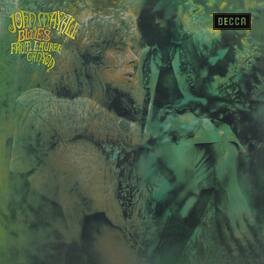
Following the breakup of The Bluesbreakers in 1968, Mayall took a three week break in LA, and it proved an eye- opener for him. As a result, Blues From Laurel Canyon was a concept album of sorts, a view of a Brit Abroad at a time when it wasn't de rigueur to travel. 2401 especially is an incredible confection - acknowledging Cream, foreseeing Led Zeppelin; Mick Taylor's slide guitar would soon be heard in the Rolling Stones. For Tomorrow is a nine- minute blues- rock tour de force. This re- issue faithfully replicates the original 1968 Decca Records UK stereo with gatefold sleeve and is pressed onto high quality 180g vinyl.

Ensemble Tasto Solo brings us back to the Europe of the XVIIth Century, at a time when Italy was the epicenter of a new style derived from the world of dance. This album revolves mainly around the work of composer Vincenzo Ruffo and his contemporaries. The instruments used in the present recording are typical of the Italian culture of the early Renaissance in chamber music a small harpsichord without damper in the upper register, a simple harp, a viola da gamba and a lute.
Specs
Be the first to ask a question.
We’ll try to get your question answered within 24 hours by a Best Buy customer or brand representative.