Customer Ratings & Reviews
Customer reviews
Rating 4.5 out of 5 stars with 2 reviews
(2 customer reviews)to a friend
Rated 4 out of 5 stars
The World Cinema Project rescues more indie films
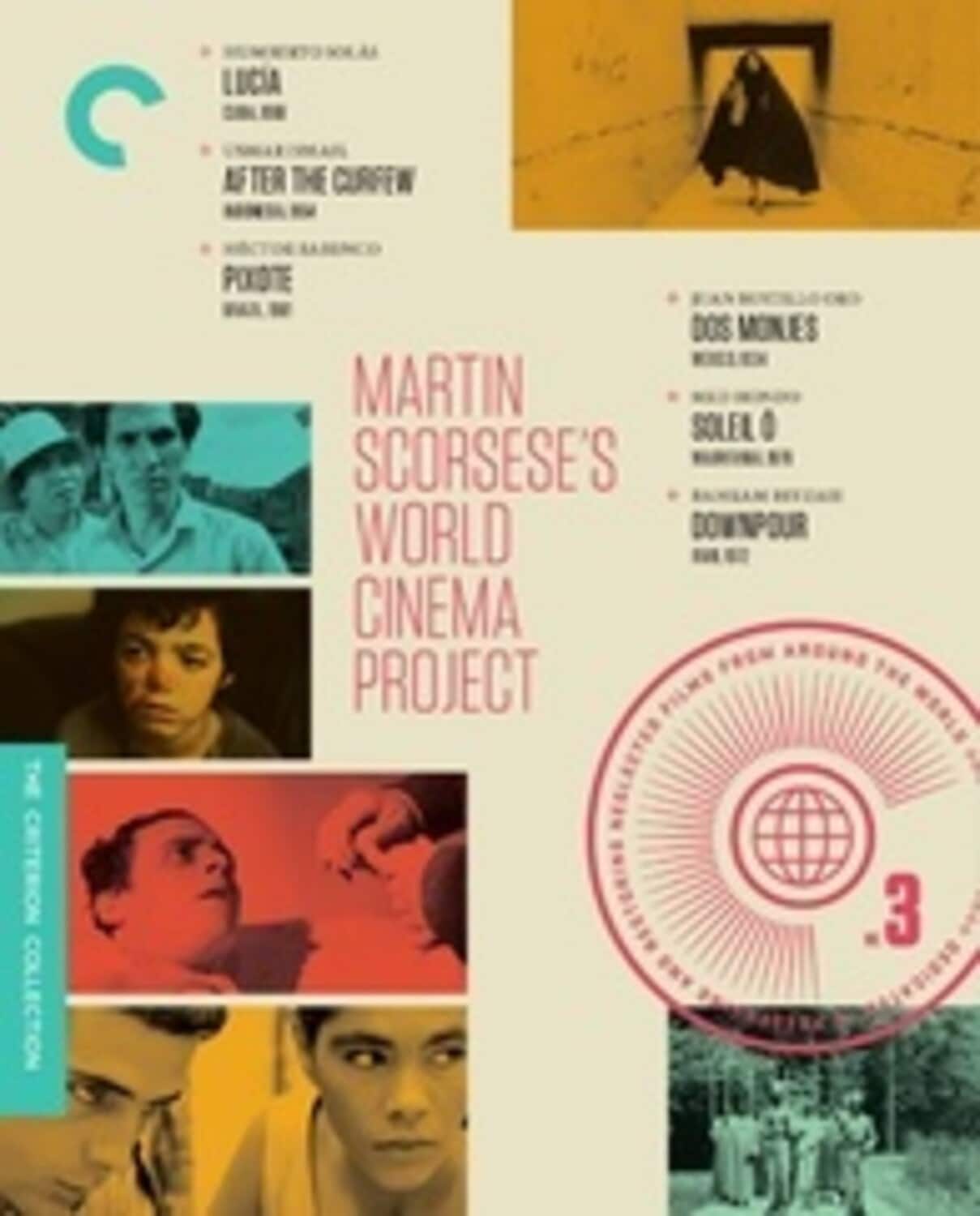
||Posted . Owned for 1 month when reviewed.This reviewer received promo considerations or sweepstakes entry for writing a review.Martin Scorsese lends his name (and short introductions) to six more films of historical value made by countries and filmmakers without established film industries and resources. The previous sets may be superior, but Vol. 3 includes some real highlights to make it a worthy addition. Like the other sets, both Blu-rays and DVDs are packaged together in the box. Lucía, one of the more famous films to come out of Cuba, and Indonesia’s After the Curfew both contain a (politically) revolutionary air to them, but of the two, Lucía is harder to get, split into three vignettes about important moments of evolution in Cuba’s history, uniquely told through female perspectives. The 1934 Mexican sound feature Dos Monjes is a tight fable-like tale, and as Scorsese notes, it precedes Rashomon in its exploration of perspectives; but the standout film on disc 2, and perhaps the set, is the brutal and bleak cinema verité study of violence, poverty, and systemic child abuse, Pixote. The violence is intense, and the nudity is startling by American standards, but the importance of the story being told and its insights into the juvenile prison system (in Brazil and beyond) are hard to deny. The view of a 1970s pre-revolution Iran in the film Downpour is also engrossing, but much of the film has not survived attempts by dogmatic Iranian censors, and that does reduce some of the pleasure of this story of a teacher and his relationship with the small community he comes to work in. More impressive to me was the documentary-like Soleil Ô, where Mauritanian filmmaker Med Hondo describes the prejudices and obstacles facing African immigrants in France, which is absolutely groundbreaking subject matter for a 1970 film, and seems as topical as ever as France and Europe deal today with surges in racist responses to the changing population. Each of these films is worth watching at least once, and half of them or more worth watching multiple times, even if they are collectively not as strong as, say, the first box set. But the Criterion Collection built its reputation on saving important and unique films with outsider perspectives, and though their economic model has shifted to include easily available movies like The Breakfast Club and Bull Durham, to me, it’s movies like these that are the reason we need the Criterion Collection. These six films are available to American audiences in quality presentations that would have been impossible without the intervention of Janus Films and Criterions. It makes me happy to support such efforts with my purchase.
I would recommend this to a friendRated 5 out of 5 stars
World Cinema Project!!
||Posted . Owned for 1 week when reviewed.This reviewer received promo considerations or sweepstakes entry for writing a review.Great product!! Prompt delivery!! Thank you for carrying Criterion Collection!!
I would recommend this to a friend