Audio Consoles
-
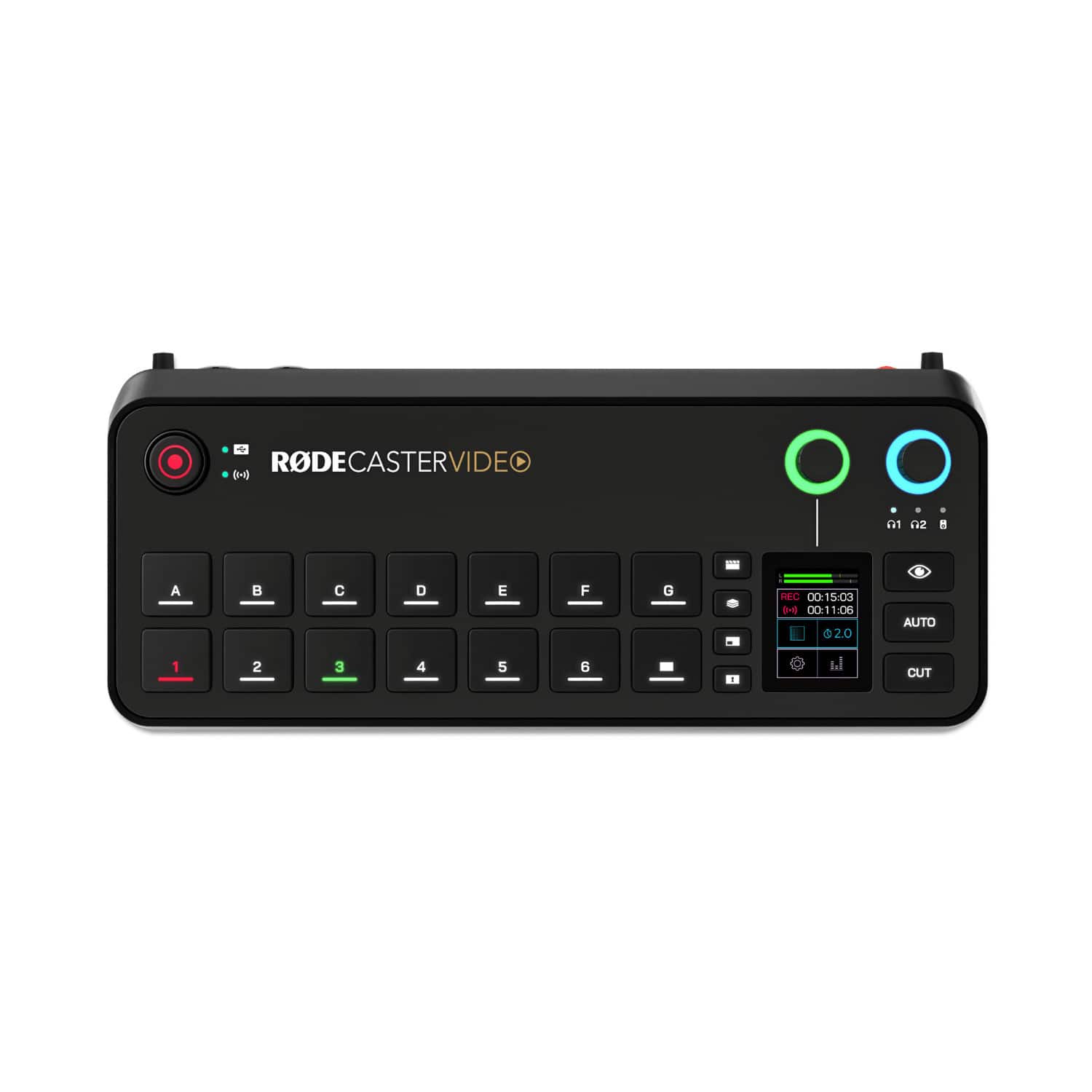
RØDE - RODE RODECaster All-in-One Video and Audio Production Studio Console
SKU: JXR9LSGF3GSee all Voice RecordersProduct Description
An all-in-one studio console with four HDMI inputs, customizable scenes, and high-performance octa-core processing.Your price for this item is $1,199.00 -
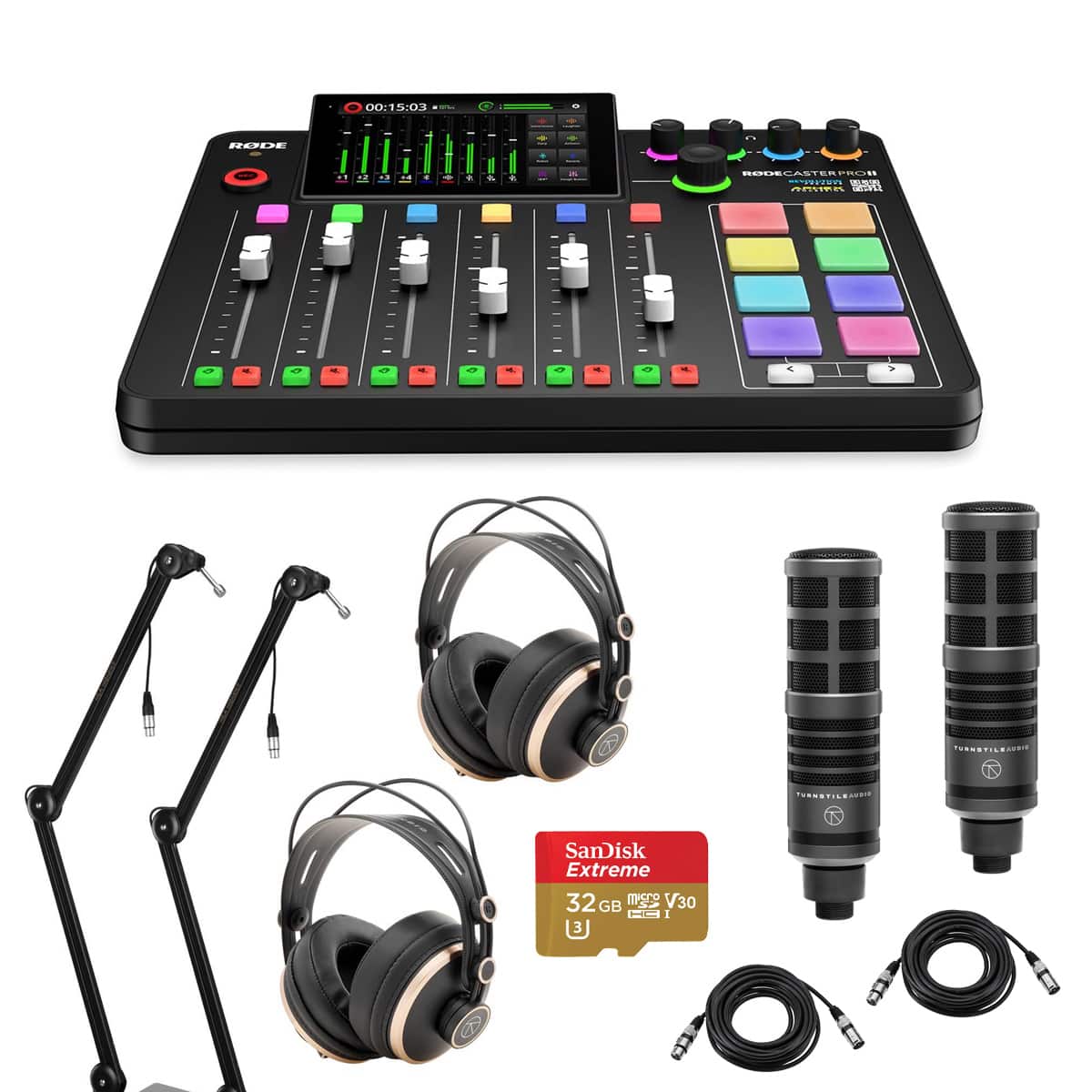
RØDE - Rode RodeCaster Pro II Production Studio w/TAP300 Mic, Arm,Headphone,2 User
SKU: JJ89LHSY8KSee all Home Speaker SystemsProduct Description
A comprehensive audio production bundle featuring two microphones, two headphones, broadcast arms, and advanced connectivity.Your price for this item is $999.99 -
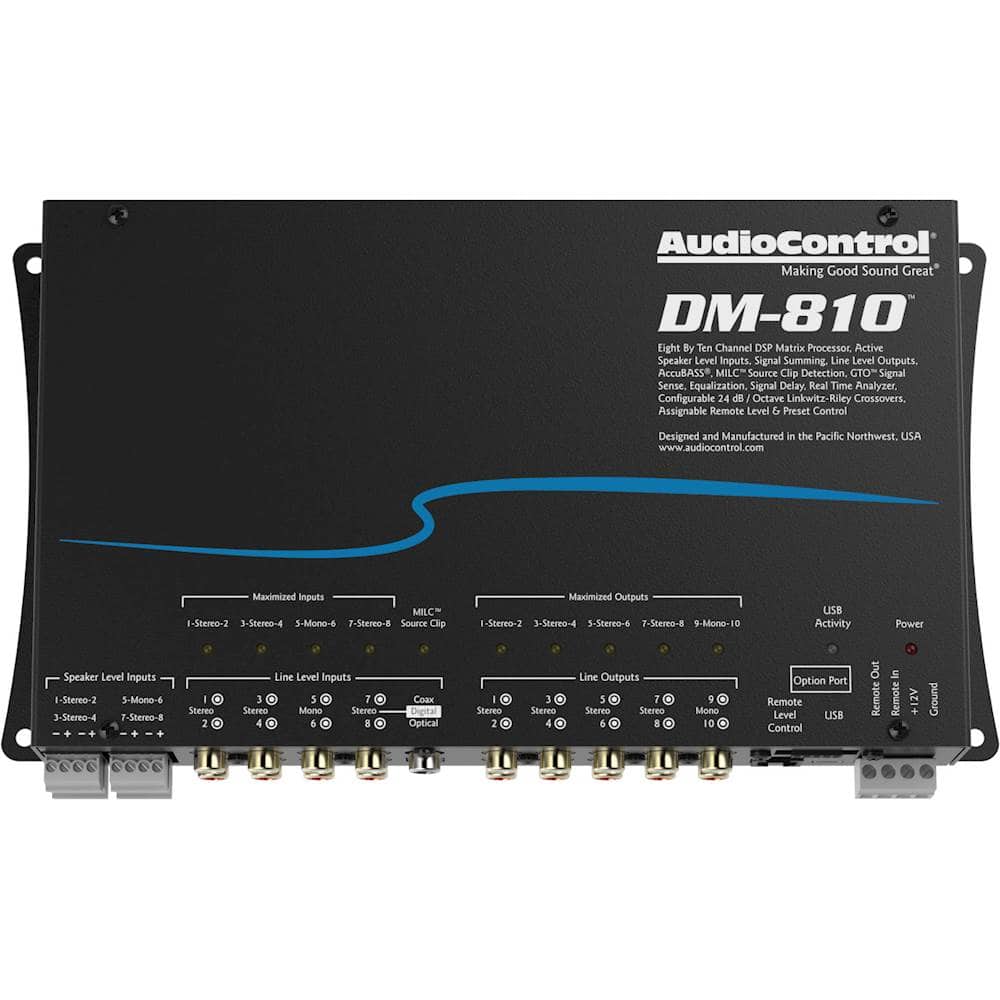
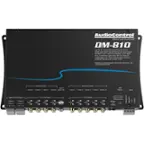
AudioControl - 8-Channel Input 10-Channel Output DSP Matrix Processor - Black
SKU: J3Q3PL4Y6KIm doing 10 channels on my car and this is the best dsp you can buy in the market...Works great. Exactly what my husband was looking for....Best product
See all PreampsProduct Description
A versatile black DSP matrix processor offering 8-channel input, 10-channel output, EQ, and Bluetooth compatibility.Your price for this item is $829.99 -
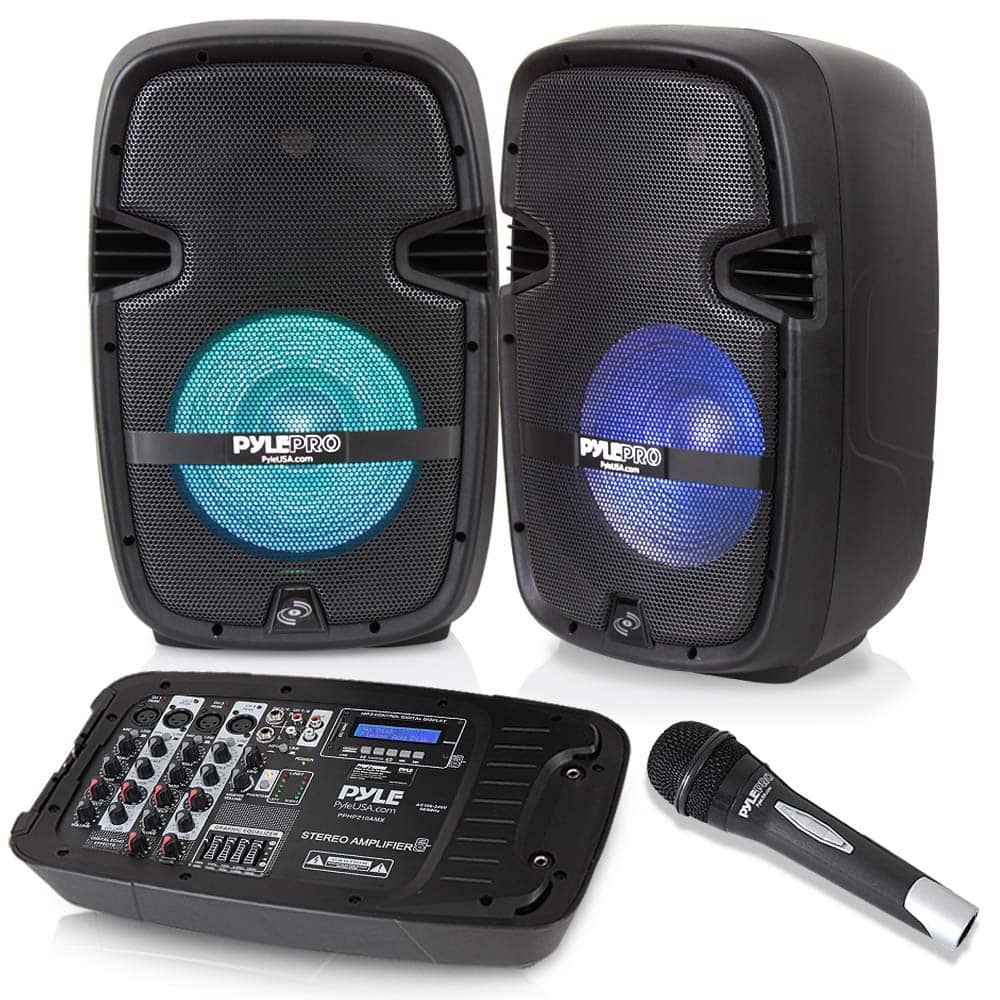
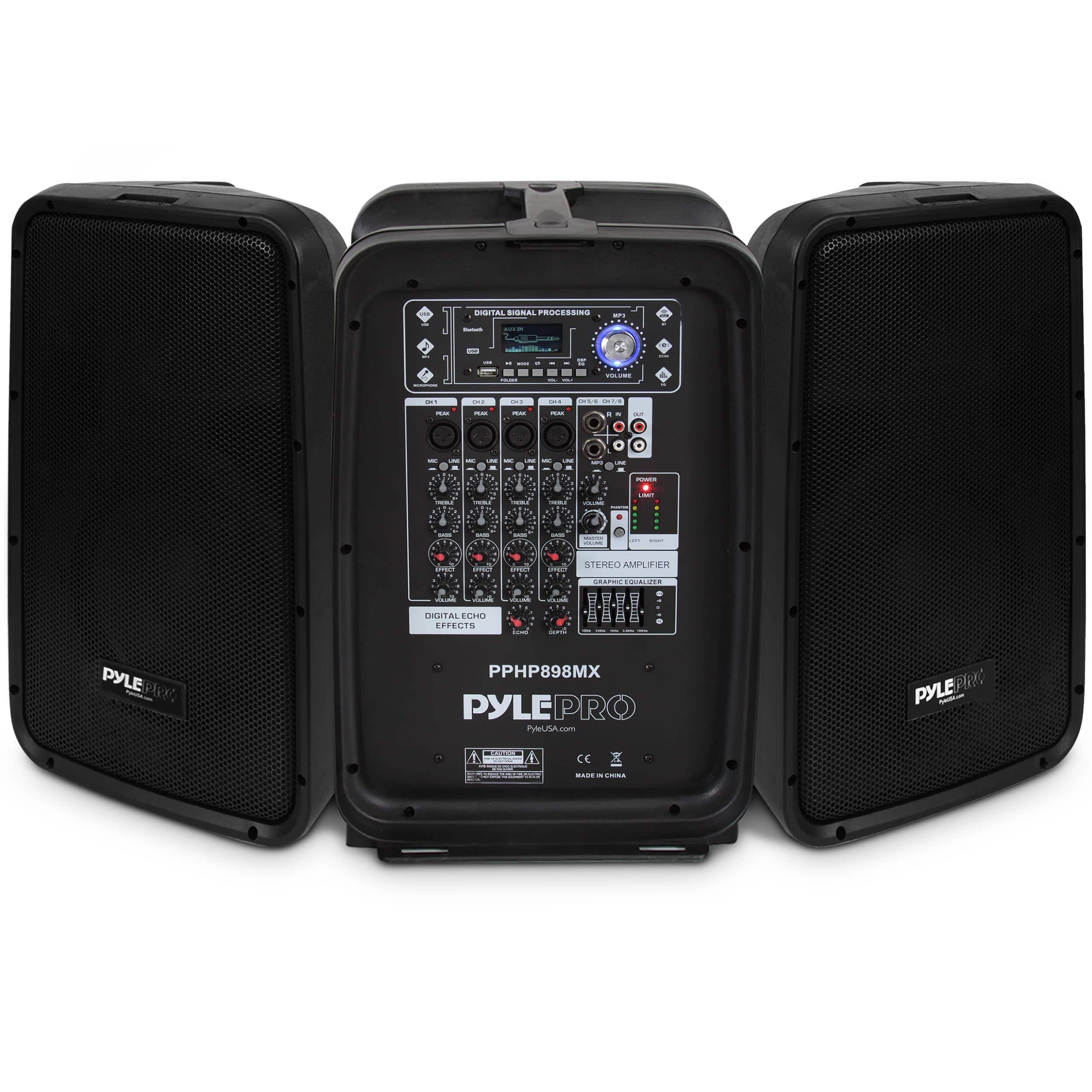
Pyle - PA Speaker DJ Mixer Bundle - Portable
SKU: J36C98LWSCSee all Bluetooth & Wireless SpeakersProduct Description
A portable 8-channel PA speaker bundle with a digital LCD mixer, ideal for stage and studio audio mixing.Your price for this item is $373.99 -
Pyle - 600 Watt 8-Channel Portable Bluetooth
SKU: J36C98LK5GSee all Bluetooth & Wireless SpeakersProduct Description
An 8-channel portable Bluetooth mixer with a digital LCD display, ideal for stage and studio audio mixing.Your price for this item is $396.99 -
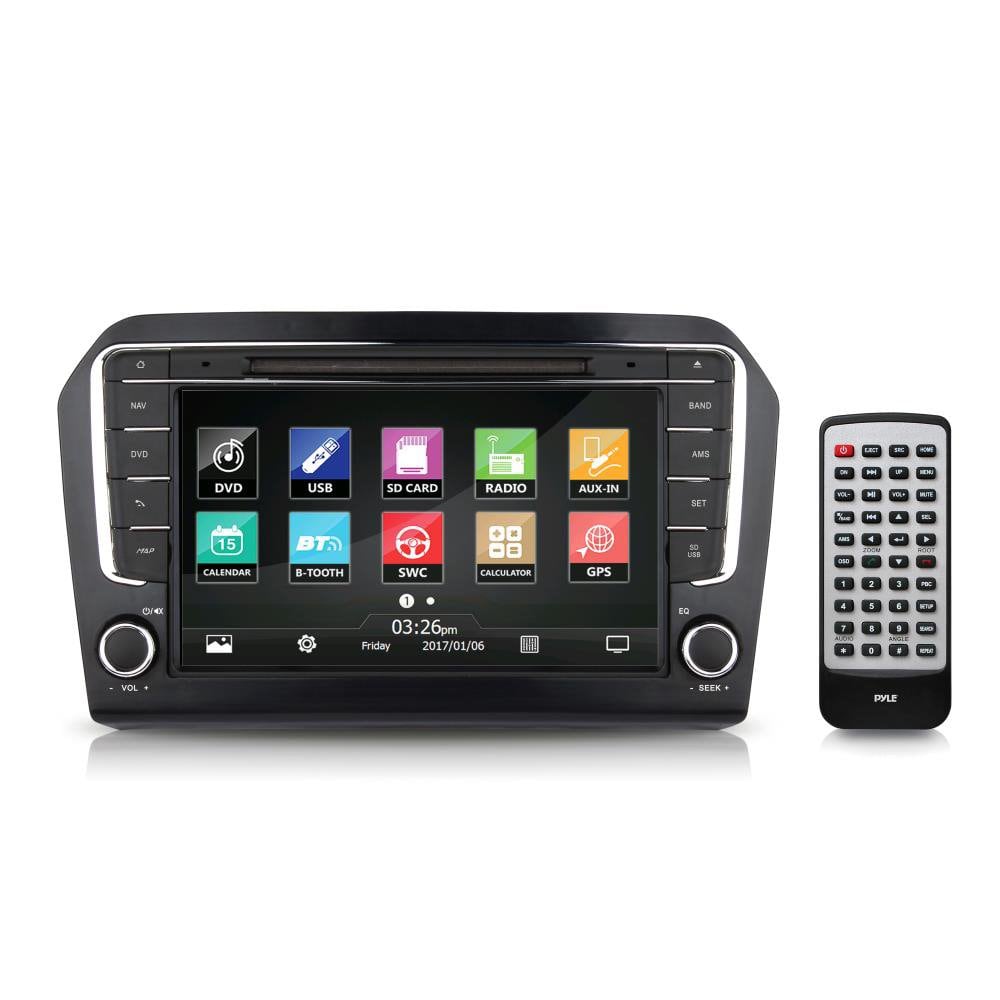
Pyle - 2013 VW Jetta Console Radio Stereo Receiver - Black
SKU: J7SGX3897JSee all Digital Media ReceiversProduct Description
A black double DIN stereo receiver with Bluetooth connectivity, designed for seamless integration in 2013 Jetta models.Your price for this item is $197.99 -
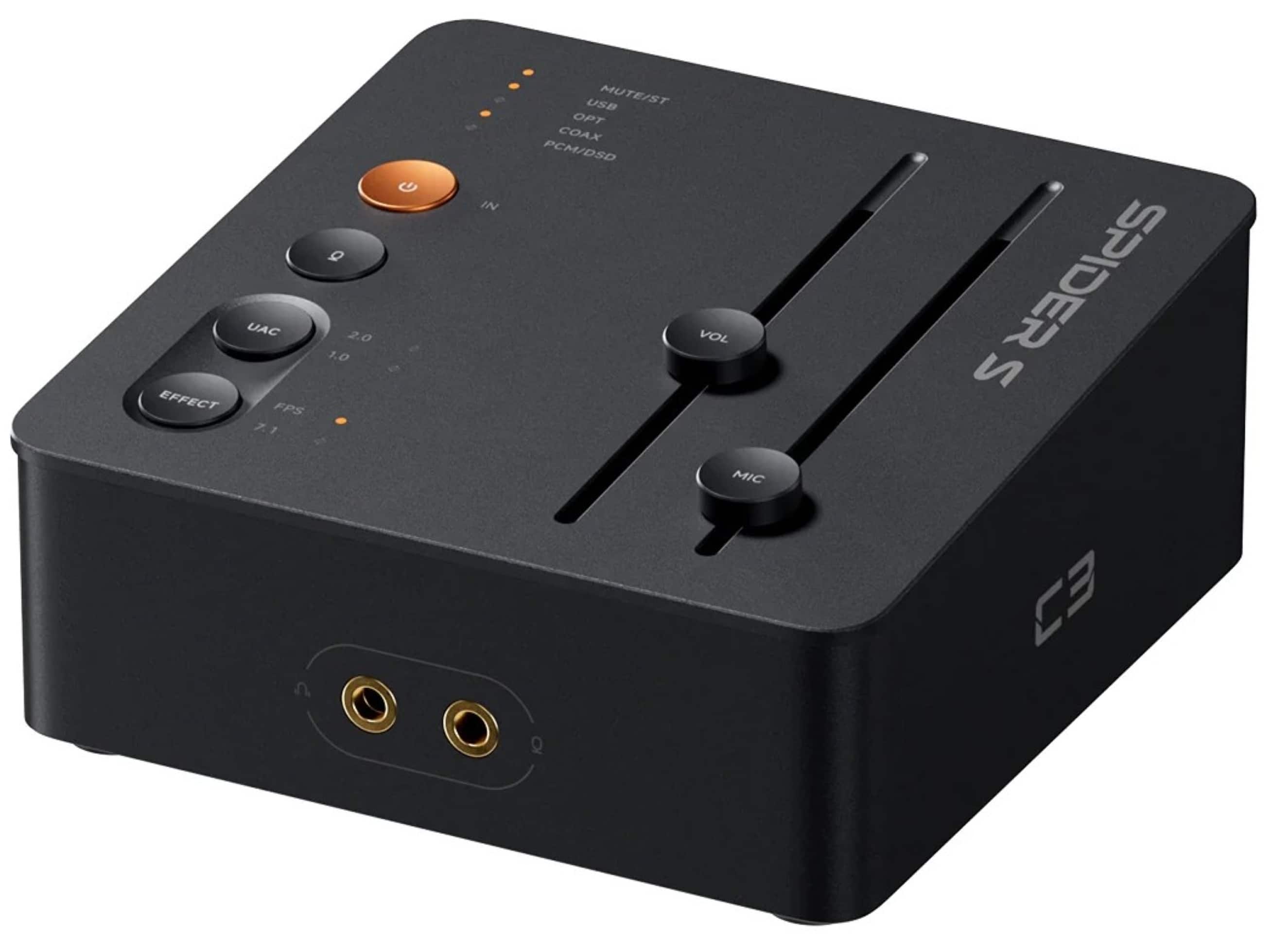
Fosi Audio - C3 Gaming Sound Card & DAC/Amp w/ StepSense AI Footstep Radar & 7.1 Spatial Audio - Black
SKU: CZTV8PQ6JYNow the best part of the C3 is the noise cancellation....It's small, which would work great in space-limited setups....It's a great gaming DAC, but for music, I would look towards the Fosi K7 or ZH3 over...
See all Sound CardsProduct Description
A compact black USB audio interface delivering high-resolution 7.1 surround sound and customizable EQ for gaming.Your price for this item is $129.99 -
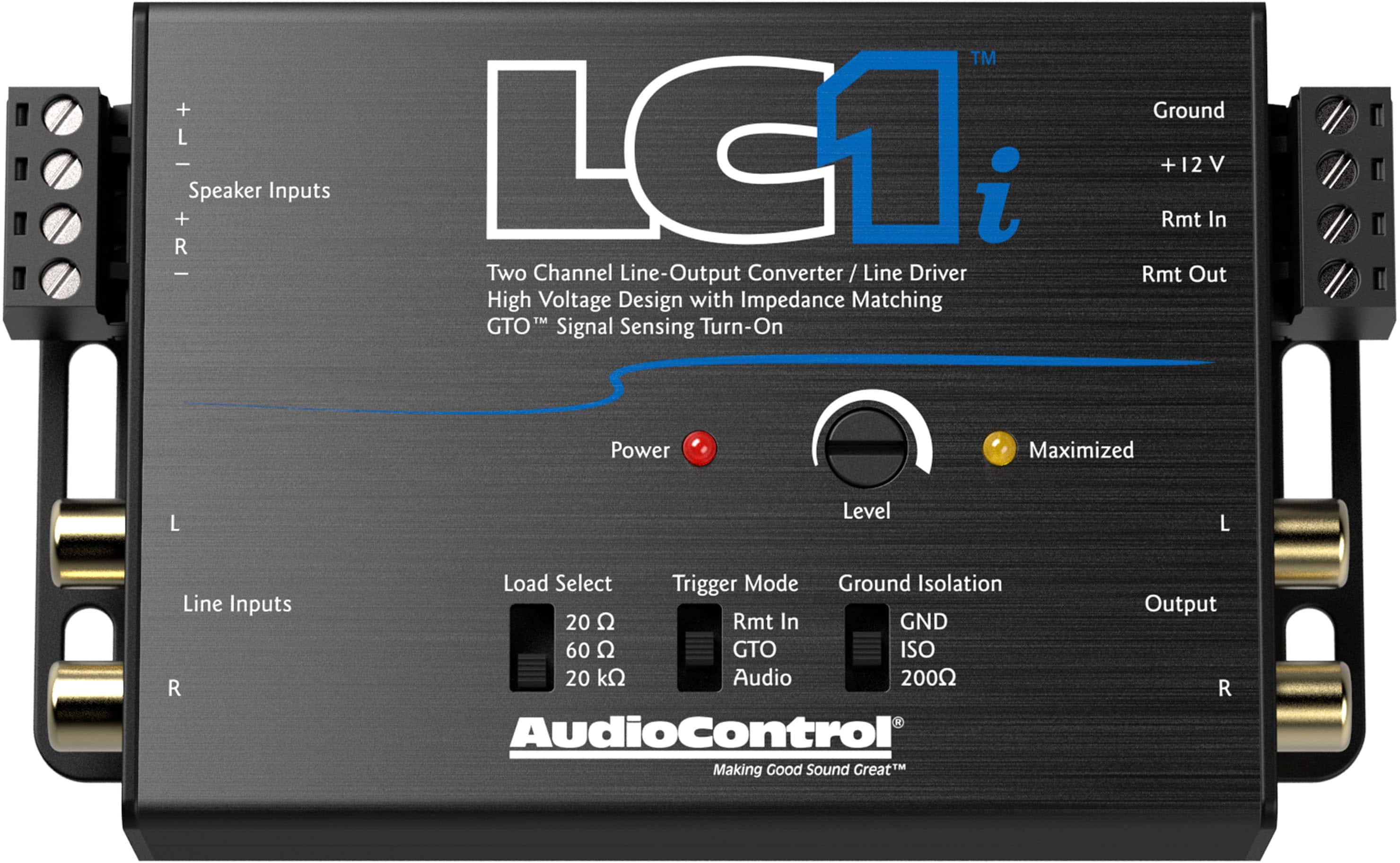
AudioControl - 2-Channel Active Line Output Converter and Line Driver - Black
SKU: J3R9ZF59SVThis lc1i works great.....I will continue to get audiocontrol products from best buy as long as they are on a really good Discount...Gotta Love Audio Control!
See all PreampsProduct Description
A black 2-channel converter and line driver that integrates aftermarket amplifiers with factory car audio systems.Your price for this item is $79.99Save $70The previous price was $149.99
Best Sellers




Related Pages


FAQ
When choosing an audio console, consider the number of input channels, built-in effects, ease of use, connectivity options, and compatibility with your existing audio equipment. Additional features like digital vs. analog controls and onboard recording capabilities may also be important depending on your needs.
Yes, many audio consoles are designed to work well in both live and studio environments. Some models offer features tailored for live sound, such as feedback suppression and rugged construction, while others provide advanced routing and recording options ideal for studio use.
Many modern audio consoles offer USB or other digital connectivity options, allowing you to connect directly to a computer for recording and playback. Check the product specifications to ensure compatibility with your preferred recording software.
Analog audio consoles use physical circuitry to process sound, often providing a classic, warm audio character. Digital consoles process audio using digital signal processors, offering more advanced features like presets, onboard effects, and flexible routing options.
Most audio consoles can accommodate wireless microphones as long as the wireless receiver has a compatible output, typically XLR or 1/4-inch. Simply connect the receiver to one of the console’s input channels to integrate wireless audio into your setup.