Best Camera Lenses In The World
-
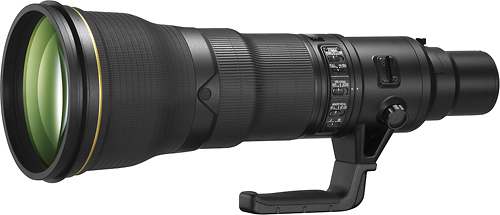
Nikon - AF-S NIKKOR 800mm f/5.6E FL ED VR Super-Telephoto Lens for Select Cameras - Black
SKU: J7CVR96PGCSee all DSLR Long-Range Zoom LensesProduct Description
A black 800mm f/5.6 telephoto lens with ED glass, 1.25x teleconverter, image stabilization, and quiet autofocus.Your price for this item is $11,296.95Save $200The previous price was $11,496.95 -
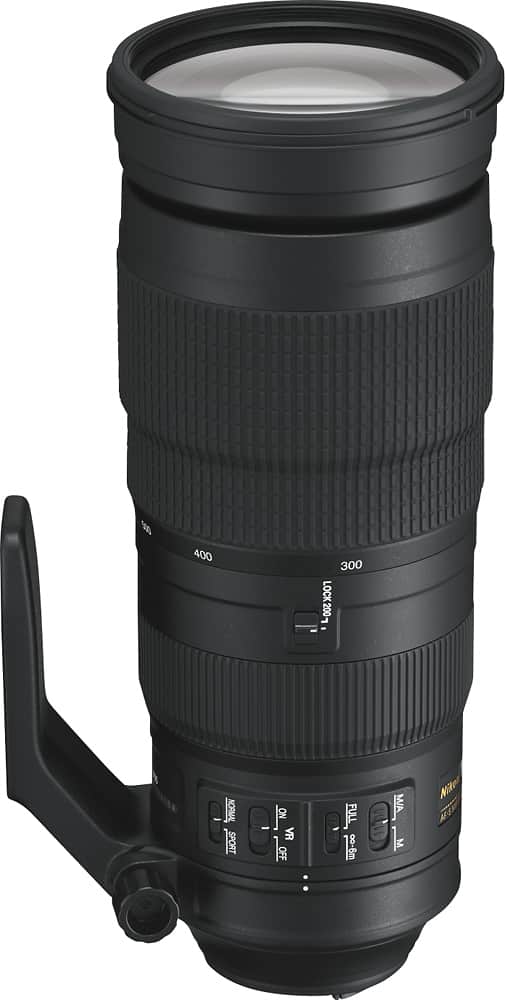
Nikon - AF-S NIKKOR 200-500mm f/5.6E ED VR Super Telephoto Zoom Lens - Black
SKU: J7CVR9VZF3Great lens...I Love that Best buy had it in stock. The lens is great but it is a big one!...Love the lens....Great lens. Good experience with Best Buy.
See all DSLR Long-Range Zoom LensesProduct Description
A black super telephoto zoom lens with f/5.6 aperture and VR, ideal for wildlife and sports photography.Your price for this item is $1,196.95Save $353The previous price was $1,549.95 -
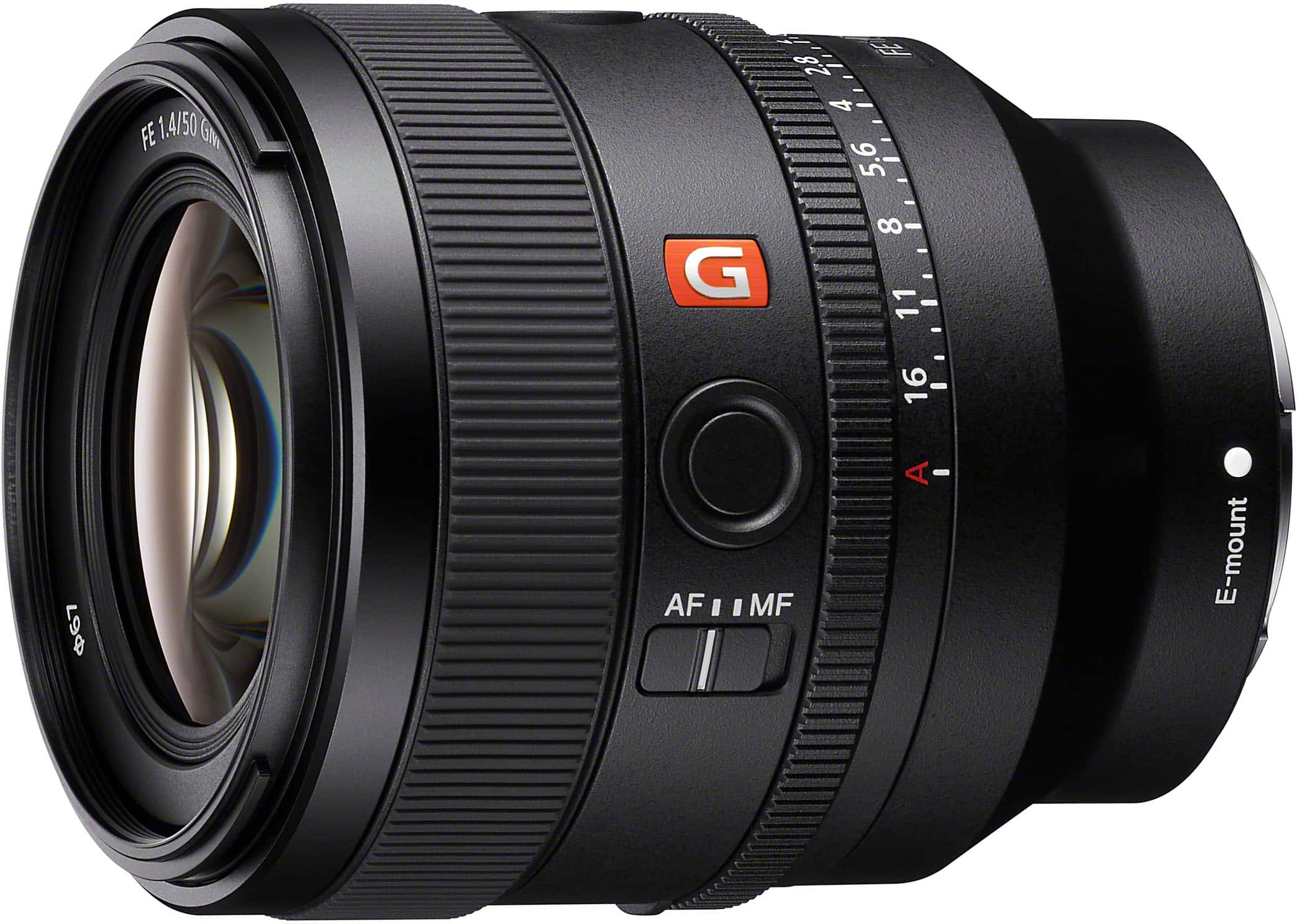
Sony - FE 50mm F1.4 GM Full-Frame Large-Aperture G Master Lens - Black
SKU: J7XSRH52RYThe image quality is excellent, with impressive sharpness, beautiful background blur, and great low-light
See all Mirrorless Prime LensesProduct Description
A fast, lightweight black lens delivering exceptional resolution, sharpness, and beautiful bokeh for Sony E-mount cameras.Your price for this item is $1,398.00Save $1The previous price was $1,399.99 -
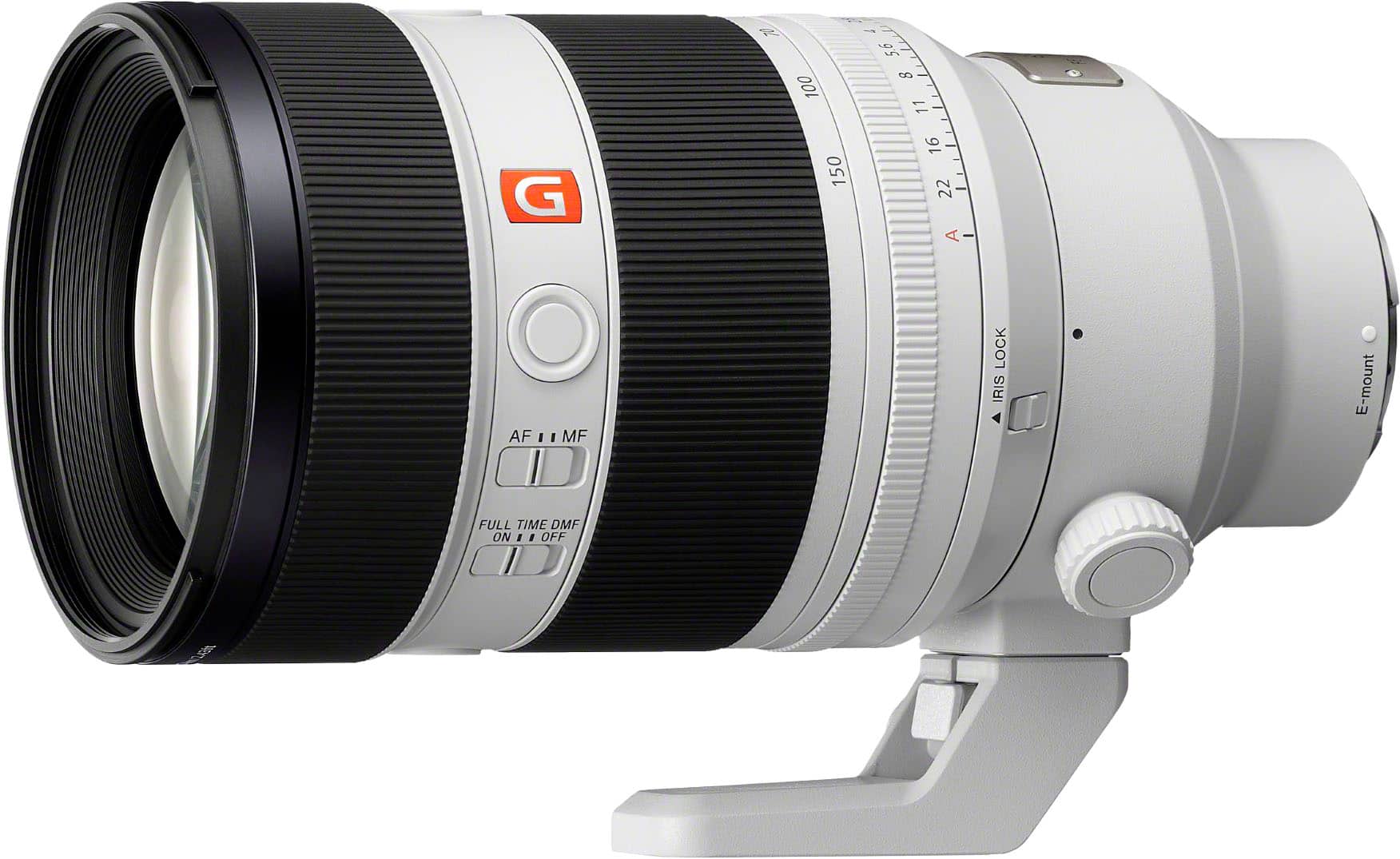
Sony - FE 50-150 F2 G Master Lens - White
SKU: J7XSRH5TQJSee all Mirrorless Long-Range Zoom LensesProduct Description
A white telephoto zoom lens with F2 aperture, ideal for creative portraits and indoor sports photography.Your price for this item is $3,998.00Save $1The previous price was $3,999.99 -
Nikon - NIKKOR Z 600mm f/6.3 VR S - Black
SKU: J7CVR9V4V2See all Mirrorless Prime LensesProduct Description
A lightweight black telephoto lens with advanced VR stabilization, ideal for handheld wildlife and sports photography.Your price for this item is $4,882.99 -
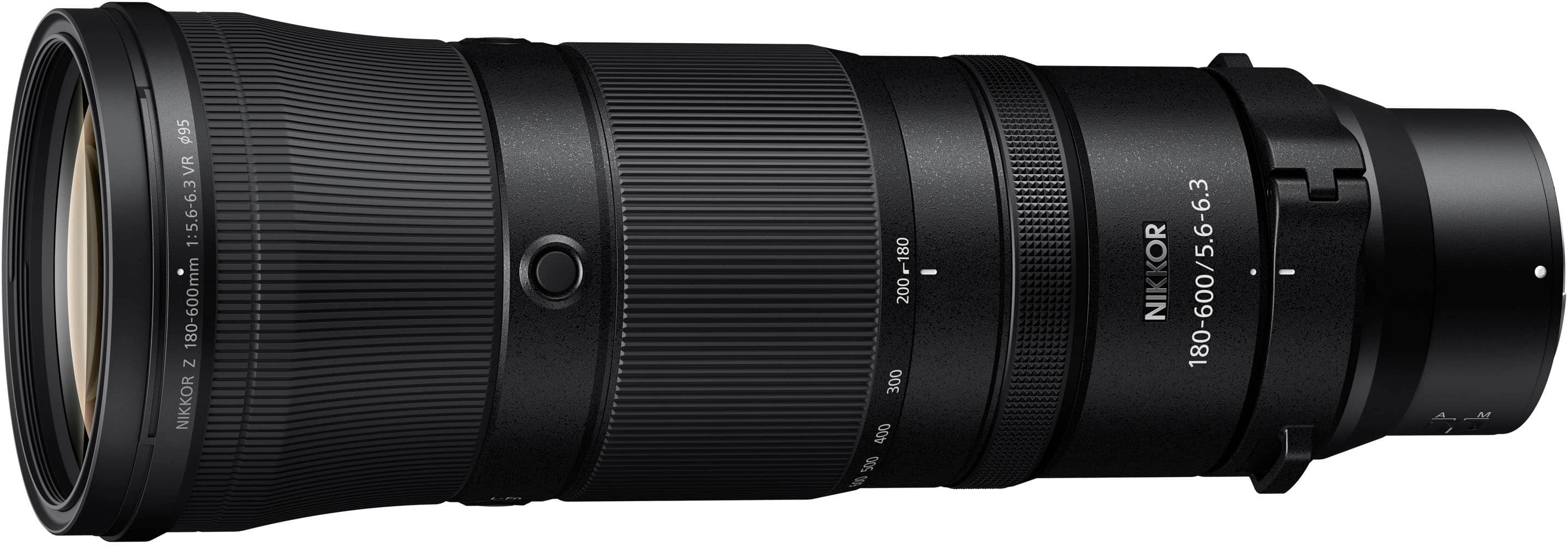
Nikon - NIKKOR Z 180-600mm f/5.6-6.3 VR Telephoto Zoom Lens for Z Mount Cameras - Black
SKU: J7CVR9V44VGreat Telephoto...Best telephoto for z mount when you look at the value triangle!...Great lens...This is the best lens for wildlife photography
See all Mirrorless Long-Range Zoom LensesProduct Description
A black telephoto zoom lens with in-lens stabilization, autofocus, and 180-600mm focal length for Nikon Z cameras.Your price for this item is $2,196.95Save $3The previous price was $2,199.95 -
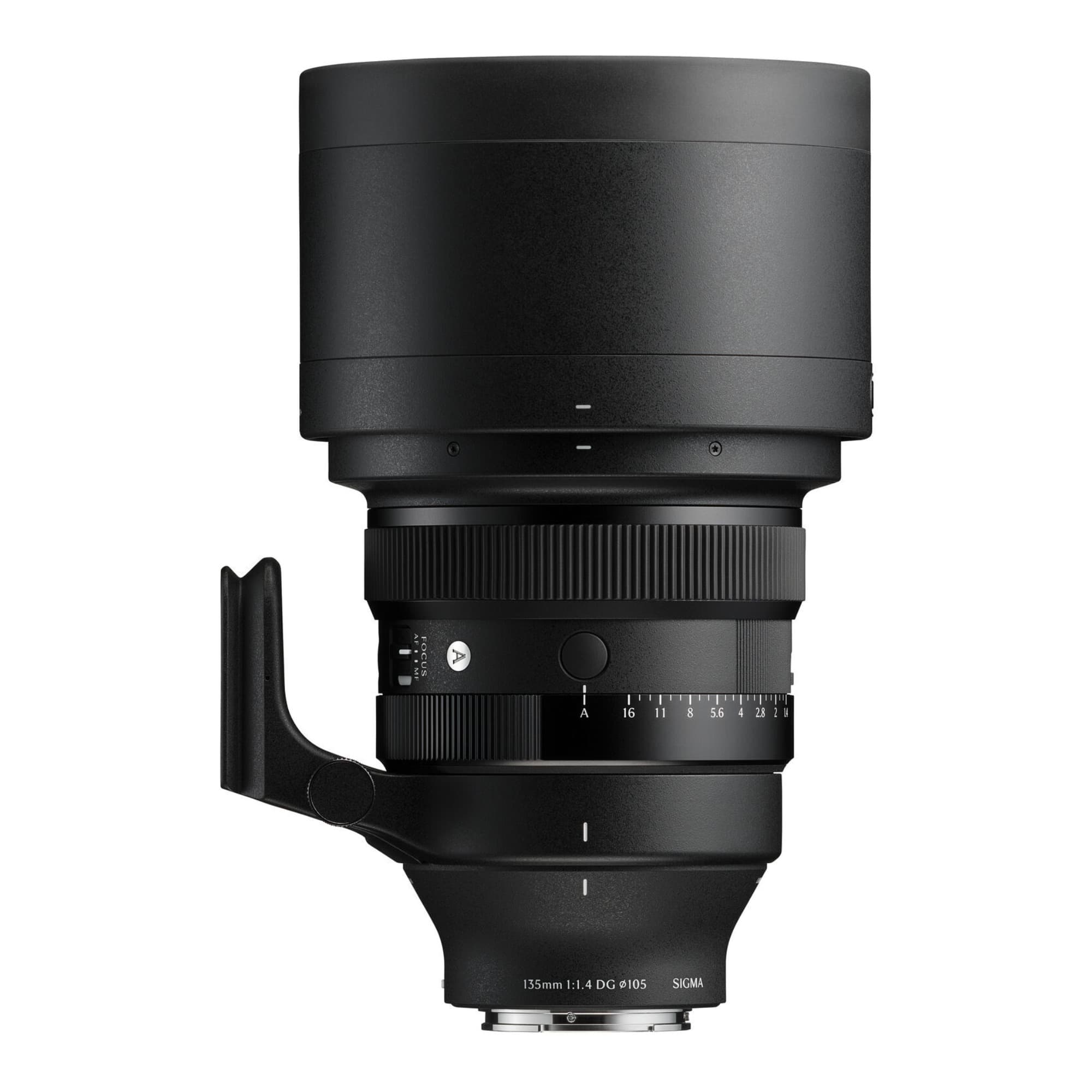
Sigma - 135mm f/1.4 Full Frame DG Art Lens (Sony E-Mount) - Black
SKU: JJGQ75CSHXLove this thing. The lens is great, insanely sharp with creamy bokeh...If you're looking for a high-end portrait lens for Sony E Mount, this is one of the best options available
See all Mirrorless Prime LensesProduct Description
A full-frame Sony E-mount lens with f/1.4 aperture, delivering stunning bokeh and exceptional portrait detail.Your price for this item is $1,899.00 -
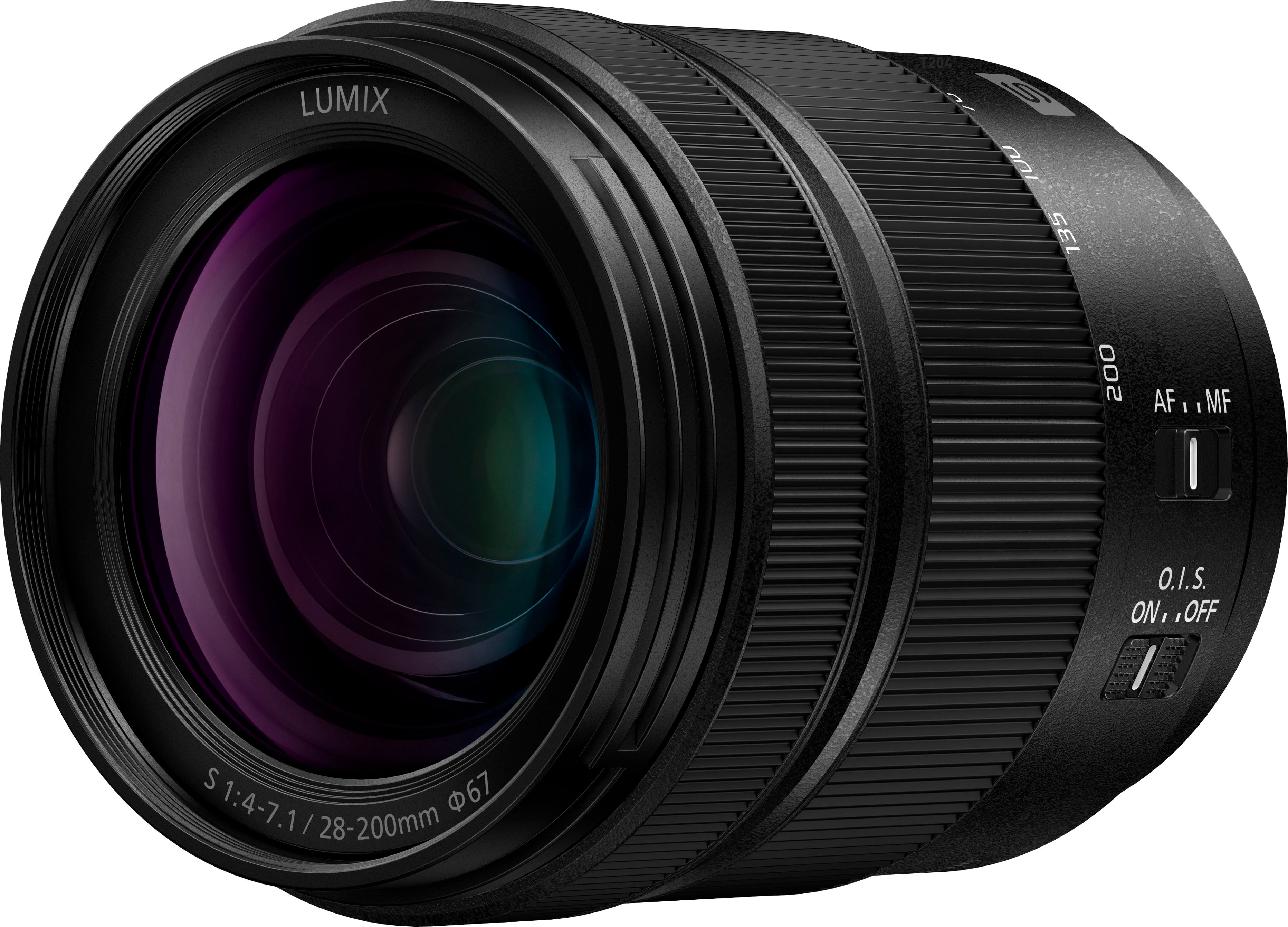
Panasonic - LUMIX Full Frame Camera Lens, S 28-200mm F4-7.1 MACRO - Black
SKU: J3Z7HS8WVPThe Best Lumix Travel Lens...This lens is great for everyday lens carry....Great lens for travel.
See all Mirrorless Short-Range Zoom LensesProduct Description
A versatile black full-frame lens offering 28-200mm zoom and macro capabilities for Leica L-mount cameras.Your price for this item is $847.99Save $152The previous price was $999.99 -
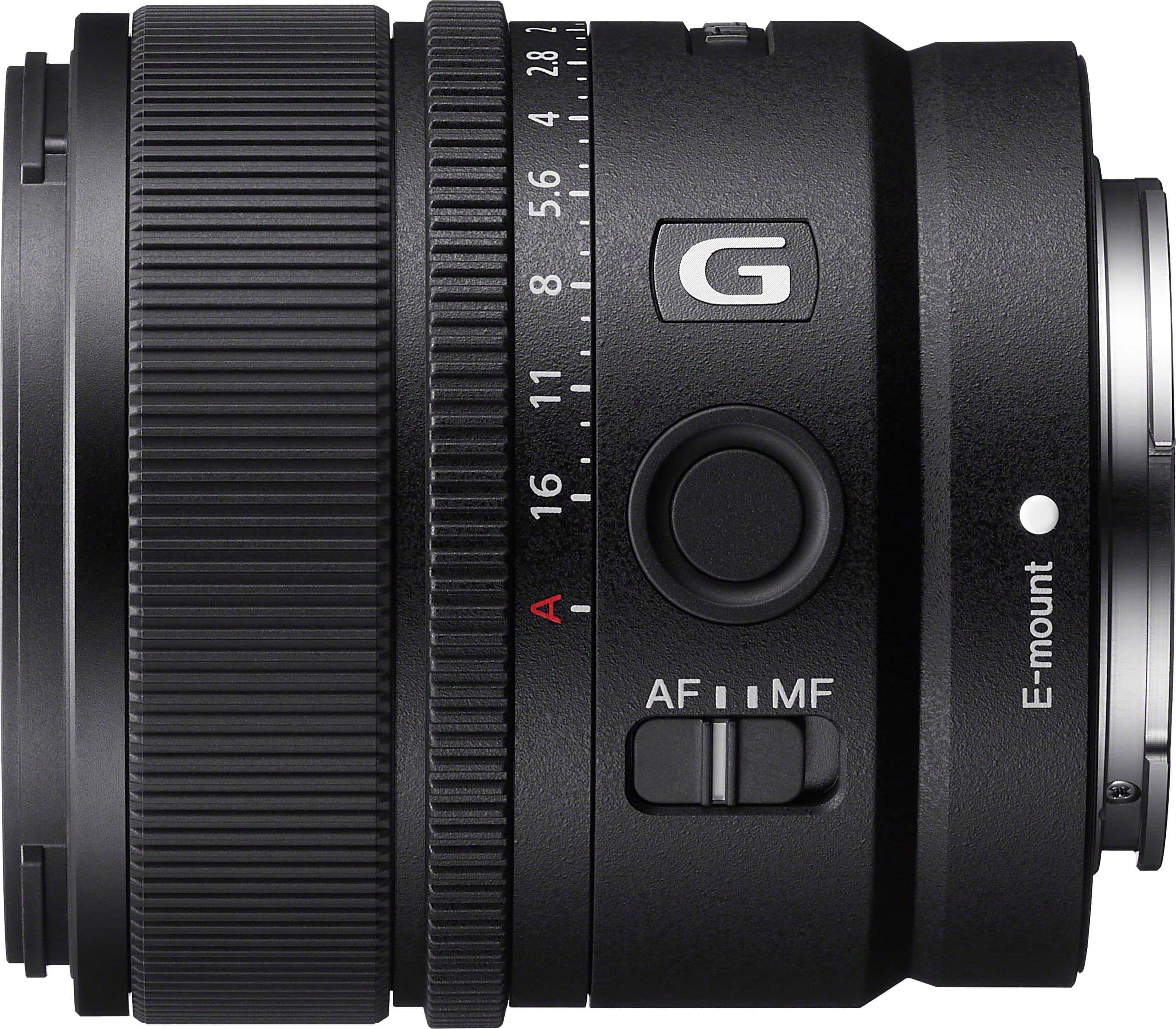
Sony - E 15mm F1.4 G APS-C Large-Aperture Wide-Angle G Lens - Black
SKU: J7XSRH5J4HSee all Mirrorless Prime LensesProduct Description
A compact black wide-angle lens offering sharp images, smooth bokeh, fast autofocus, and in-lens stabilization.Your price for this item is $848.00Save $101The previous price was $949.99 -
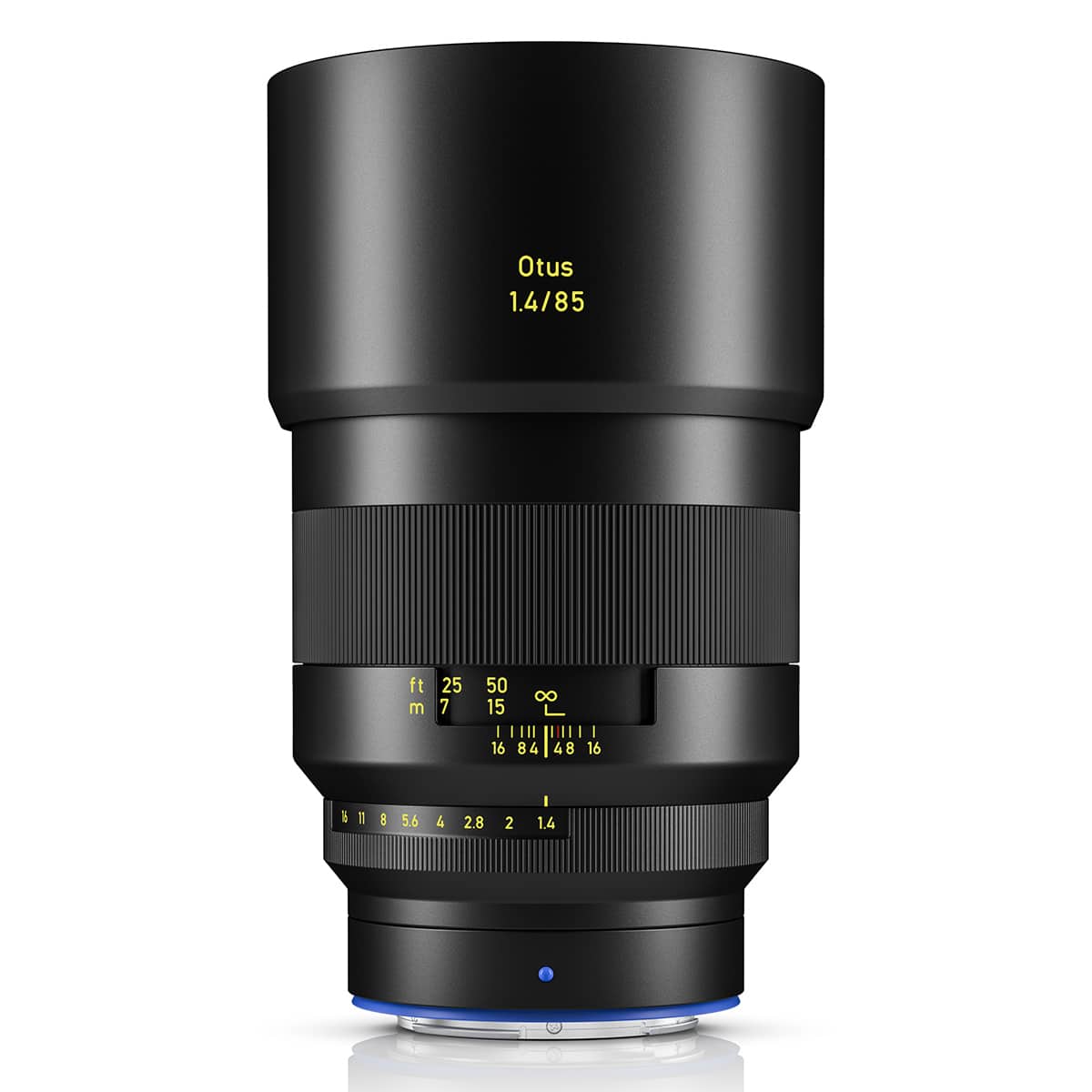
ZEISS - Otus ML 85mm f/1.4 Lens for Nikon Z
SKU: JX48XR5XK2See all Mirrorless Prime LensesProduct Description
A manual-focus portrait lens with f/1.4 aperture, Nikon Z compatibility, T* coating, and smooth bokeh.Your price for this item is $2,999.00

Best Sellers


Related Pages


FAQ
When selecting a camera lens, consider the type of photography you enjoy (such as portraits, landscapes, or sports), the lens mount compatibility with your camera, focal length, aperture size, and image stabilization features. It's also important to think about lens quality, brand reputation, and any special features like weather sealing or autofocus capabilities.
Prime lenses have a fixed focal length, which often results in sharper images and wider apertures, making them ideal for low-light situations and portraits. Zoom lenses offer a range of focal lengths, providing more flexibility for various shooting scenarios, such as travel or wildlife photography.
Lens coatings minimize reflections, glare, and ghosting, which helps improve contrast and color accuracy in your photos. High-quality coatings can also protect the lens surface from dust and moisture, ensuring clearer images and longer lens life.
Many third-party lens manufacturers, such as Sigma, Tamron, and Tokina, produce lenses compatible with popular camera brands like Canon, Nikon, Sony, and Fujifilm. Always check the lens mount and compatibility details to ensure the lens will work with your specific camera model.
Lenses with fast apertures (lower f-number, such as f/1.4 or f/2.8) allow more light to reach the camera sensor, which is beneficial for shooting in low-light conditions. They also enable a shallow depth of field, creating a pleasing background blur (bokeh) that helps subjects stand out in portraits or close-up shots.