Main Content

Best iMac For Video Editing

Find the best iMac for video editing by comparing available models based on processing performance, memory, storage capacity, display size and resolution, and connectivity for your editing setup. Whether you’re working with high-resolution footage, creating content for social media, or building a professional video workflow, this selection makes it easier to choose an iMac that fits your software, projects, and budget.

Read More

What to look for in an iMac for video editing

Choosing the right iMac for video editing can help you work more efficiently, manage large media files and create high-quality projects.

1. Processor And Graphics Performance

Look for an iMac with a powerful Apple silicon chip and strong graphics performance to handle video editing, rendering and multitasking. Higher-performance models are especially helpful for 4K, 8K and effects-heavy projects.

2. Memory Capacity

More unified memory can improve performance when working with large timelines, multiple video tracks and editing applications at the same time. Choose a configuration with enough memory for your current projects and future creative needs, since it may not be upgradeable later.

3. Storage Space

Video files, project libraries and editing software can quickly use available storage. A larger solid-state drive provides faster access to files and reduces the need to rely on external storage, while an external SSD can offer additional space for media archives.

4. Display And Connectivity

A sharp, color-accurate display can make it easier to review details and fine-tune your edits. Also consider the number and type of ports for connecting external drives, card readers, cameras, monitors and other video-editing accessories.

  1. 1

    About this product

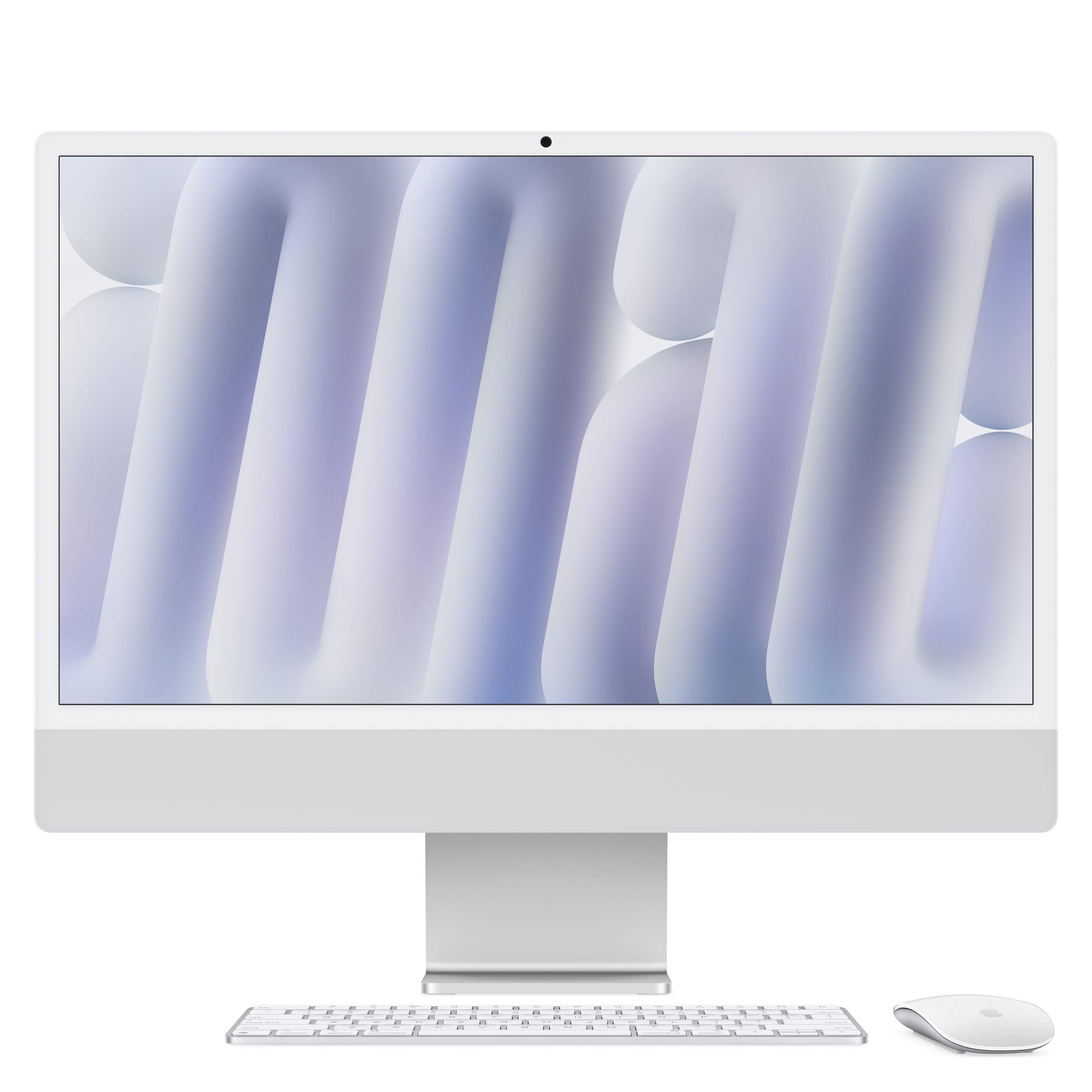
    A sleek blue all-in-one desktop featuring an M4 chip, 24GB memory, 512GB SSD, and 4.5K Retina display.

    A sleek blue all-in-one desktop featuring an M4 chip, 24GB memory, 512GB SSD, and 4.5K Retina display.

    What customers like

    • Stunning 4.5K Retina display
    • Excellent for multitasking and creative work
    • Effortless and seamless setup
    • Beautiful blue color and sleek design
    • Blazing fast performance
    (219)
    $2,099.00 Your price for this item is $2,099.00
  2. 2

    About this product

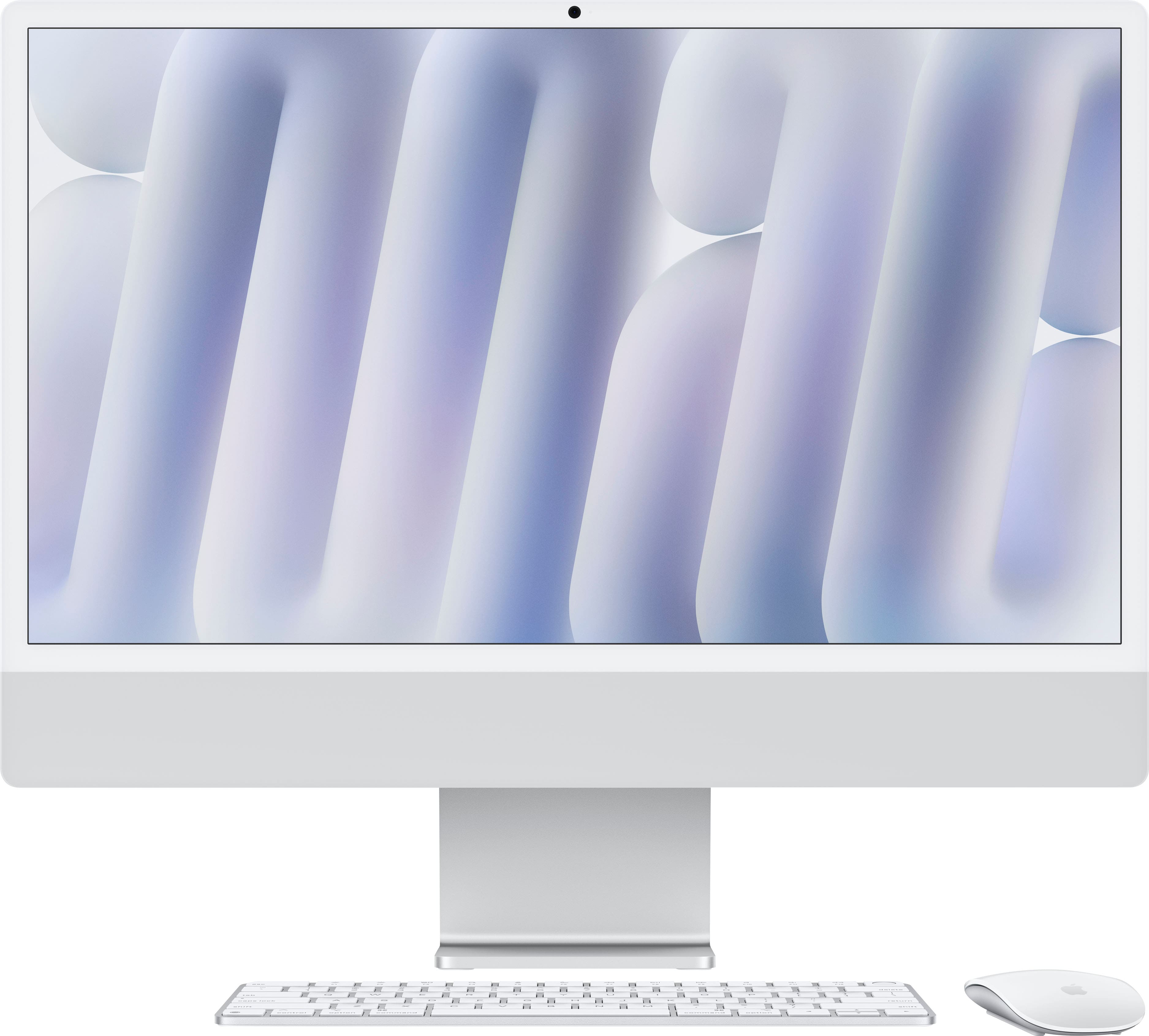
    A sleek silver all-in-one desktop featuring an M4 chip, 16GB memory, 256GB SSD, and 4.5K Retina display.

    A sleek silver all-in-one desktop featuring an M4 chip, 16GB memory, 256GB SSD, and 4.5K Retina display.

    What customers like

    • Fast and smooth performance with M4 chip
    • Vibrant and crisp 4.5K Retina display
    • Sleek, space-saving, and aesthetic design
    • Easy setup and seamless transition
    • Excellent multitasking and workflow efficiency
    (1,254)
    $1,499.00 Your price for this item is $1,499.00
  3. 3

    About this product

    A sleek silver all-in-one desktop featuring an M4 chip, 16GB memory, 256GB SSD, and 4.5K Retina display.

    A sleek silver all-in-one desktop featuring an M4 chip, 16GB memory, 256GB SSD, and 4.5K Retina display.

    What customers like

    • Stunning and sharp 4.5K Retina display
    • Easy setup and user-friendly experience
    • Sleek all-in-one design saves space
    • Excellent build quality and Apple ecosystem integration
    • Fast and reliable performance
    (299)
    $1,699.00 Your price for this item is $1,699.00
  4. 4

    About this product

    A sleek blue all-in-one desktop featuring an M4 chip, 16GB memory, 256GB SSD, and 4.5K Retina display.

    A sleek blue all-in-one desktop featuring an M4 chip, 16GB memory, 256GB SSD, and 4.5K Retina display.

    What customers like

    • Easy and quick setup
    • Sleek and stylish design
    • Powerful and seamless performance
    • Vibrant 4.5K Retina display
    • Excellent integration with Apple ecosystem
    (299)
    $1,699.00 Your price for this item is $1,699.00
  5. 5

    About this product

    A sleek silver all-in-one desktop featuring an M4 chip, 16GB memory, 512GB SSD, and 4.5K Retina display.

    A sleek silver all-in-one desktop featuring an M4 chip, 16GB memory, 512GB SSD, and 4.5K Retina display.

    What customers like

    • Sleek and space-saving design
    • Fast and powerful performance
    • Easy setup and user-friendly
    • Ample memory and storage capacity
    • Beautiful and large 4.5K Retina display
    (275)
    $1,899.00 Your price for this item is $1,899.00
  6. 6

    About this product

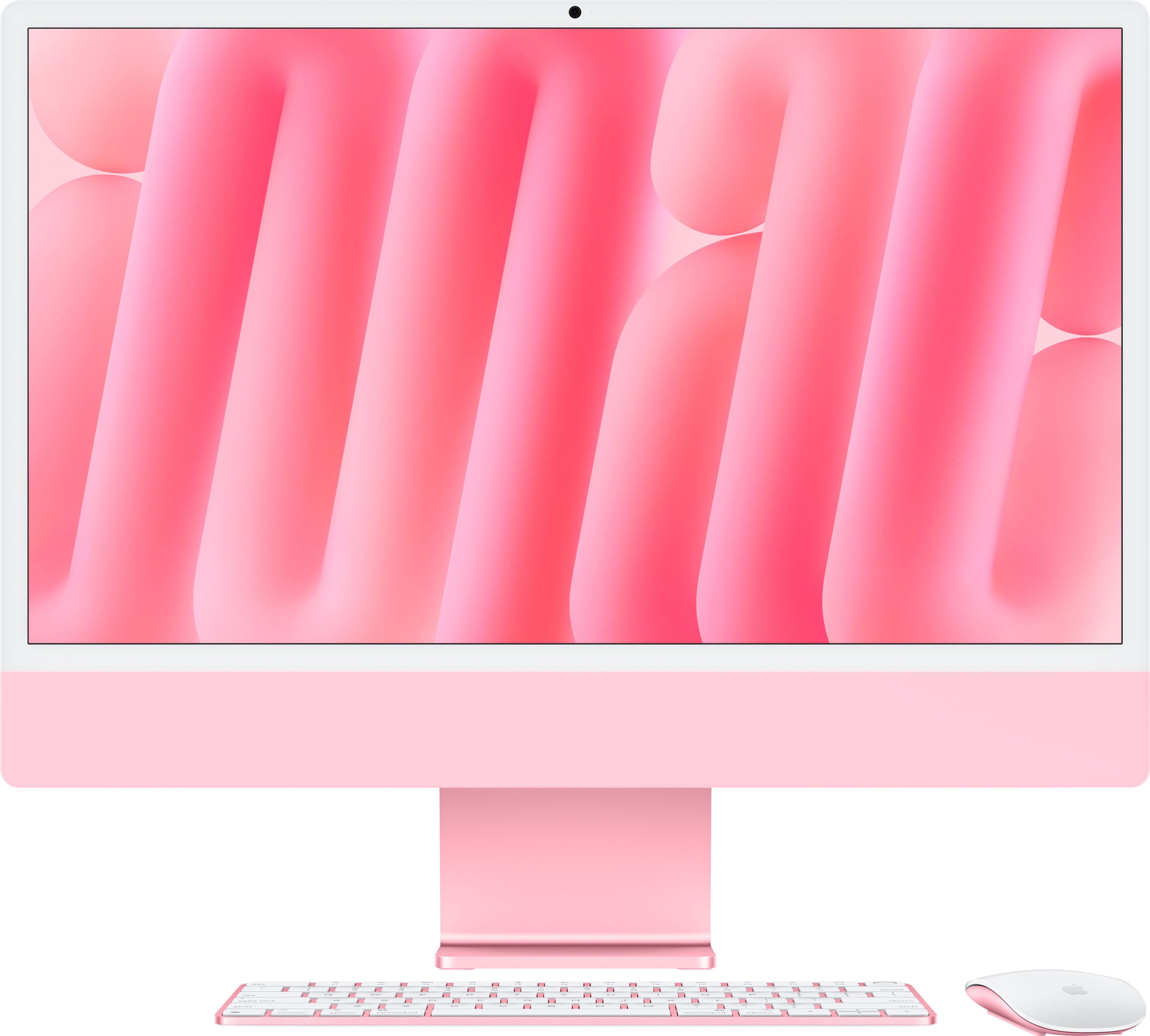
    A sleek pink all-in-one desktop featuring an M4 chip, 16GB memory, 512GB SSD, and 4.5K Retina display.

    A sleek pink all-in-one desktop featuring an M4 chip, 16GB memory, 512GB SSD, and 4.5K Retina display.

    What customers like

    • Easy to set up and use
    • Sleek and compact design
    • Beautiful and vibrant color options
    • Fast and smooth performance
    • High-quality display and camera
    (275)
    $1,899.00 Your price for this item is $1,899.00
  7. 7

    About this product

    A sleek silver all-in-one desktop featuring an M4 chip, 24GB memory, 512GB SSD, and 4.5K Retina display.

    A sleek silver all-in-one desktop featuring an M4 chip, 24GB memory, 512GB SSD, and 4.5K Retina display.

    What customers like

    • Sleek and attractive design
    • Excellent compatibility with Apple devices
    • Easy setup and onboarding
    • High quality display and sound
    • Fast and smooth performance
    (219)
    $2,099.00 Your price for this item is $2,099.00
  8. 8

    About this product

    A sleek silver all-in-one desktop featuring an M4 chip, 16GB memory, 256GB SSD, and 4.5K Retina display.

    A sleek silver all-in-one desktop featuring an M4 chip, 16GB memory, 256GB SSD, and 4.5K Retina display.

    (11)
    $1,899.00 Your price for this item is $1,899.00

Best iMac For Video Editing

An all-in-one desktop for video editing brings the computer and display into a single enclosure, creating a focused workspace for turning raw footage into finished stories. That streamlined design suits a home studio, a student’s desk, or a shared creative space where a separate tower and extra cabling would take up valuable room. The best configuration depends on the footage being edited, the software doing the work, and the complexity of the finished project—not simply the resolution printed on a camera’s packaging. A short 4K clip with basic cuts places different demands on a computer than a documentary timeline with several camera angles, layered graphics, color adjustments, and audio processing. For lighter editing, 16GB of memory can be workable, while 24GB or 32GB provides more headroom for demanding projects and running several creative applications together. Larger projects may call for still more memory, depending on the software and effects involved. Processor performance matters for timeline responsiveness, and graphics capabilities become especially important with color effects, compositing, and certain noise-reduction tools. Hardware acceleration for the video formats used by a camera can also make a noticeable difference in playback and exporting, provided the editing application supports it. A balanced configuration therefore matters more than any single specification. For someone assembling family videos, the priority may be smooth playback and an uncomplicated setup; for a freelance editor delivering interviews and promotional clips, consistent performance across repeated exports can matter just as much. Film students, teachers producing lessons, and creators publishing tutorials also benefit from a desktop that leaves room to grow into more layered work. As a gift for an aspiring filmmaker or a family’s dedicated video editor, a computer is most useful when its operating system, software compatibility, and connections match the recipient’s existing workflow.

The built-in screen is central to the appeal of an all-in-one video editing computer because it serves as both a viewing surface and a working canvas. High resolution helps reveal fine detail, from the texture of fabric in a close-up to unwanted distractions near the edge of a frame. Screen size and interface scaling affect how comfortably an editor can arrange a preview window, media bins, audio meters, and a timeline without constantly hiding panels. A display around 24 inches can fit neatly on a modest desk, though a densely layered project may feel more comfortable with an additional monitor if the computer supports one. Wide color-gamut support is useful for color-sensitive work, but a broad range of colors alone does not guarantee accurate results. Display profiles, calibration, application settings, and the lighting around the desk all influence what appears on screen. Consistent, indirect room lighting makes it easier to judge skin tones and shadow detail than a bright window reflected across the image. For projects intended for standard dynamic range viewing, dependable color management is often more useful than simply choosing the brightest screen. High dynamic range work introduces separate requirements for display capability and monitoring. Physical fit matters, too: the desk needs enough depth for a comfortable viewing distance, space for a keyboard and pointing device, and clearance for connected cables. Stand adjustment and compatible mounting options vary, so screen height deserves attention, especially during long editing sessions. An aluminum enclosure and glass display can give a workspace a clean, substantial feel, but finish alone says little about processing performance or serviceability. Built-in speakers are convenient for rough cuts, while headphones or external monitors can make background hiss, abrupt edits, and uneven dialogue levels easier to hear. Together, the screen, sound setup, and desk arrangement shape the everyday experience of editing just as surely as the computer’s internal specifications.

Storage and connectivity determine how easily footage moves from a camera to the timeline and into a finished archive. A 1TB internal solid-state drive provides useful breathing room for applications, active projects, and temporary files, although long recordings and high-bitrate footage can still fill it quickly. A 512GB drive can support a more external-storage-focused workflow, but that arrangement requires deliberate management of media and caches. Source clips are only part of the storage load: optimized media, proxies, render files, and alternate exports can take up substantial space. Fast external storage can keep working footage accessible, while a separate backup protects against losing an important interview or an afternoon of carefully assembled edits. An external working drive is not itself a backup if it holds the only copy. Port speed matters as much as connector shape, particularly when transferring large folders or editing directly from an external drive. The number of ports also affects whether a card reader, audio interface, backup drive, and extra display can remain connected without constant swapping. Many slim all-in-one systems have memory and internal storage that are not designed for user upgrades, making the original configuration an important long-term decision. Durability also depends on everyday care: open ventilation paths, a stable desk, and cables positioned away from accidental pulls help protect the setup. Cleaning should follow the manufacturer’s instructions, using an appropriate soft cloth and keeping liquid away from openings rather than spraying the screen directly. For editors who work mainly at one desk, an integrated desktop offers a consistent place to organize footage and settle into longer sessions. Those who regularly edit on location or move between classrooms and studios may also find MacBook Pro For Video Editing relevant to a more portable workflow. In either setting, the most useful computer is one that matches real project demands, accommodates essential accessories, and supports the full process from the first media import to the final saved export.
Read More

FAQs