Camera Lenses For Bird Photography
-
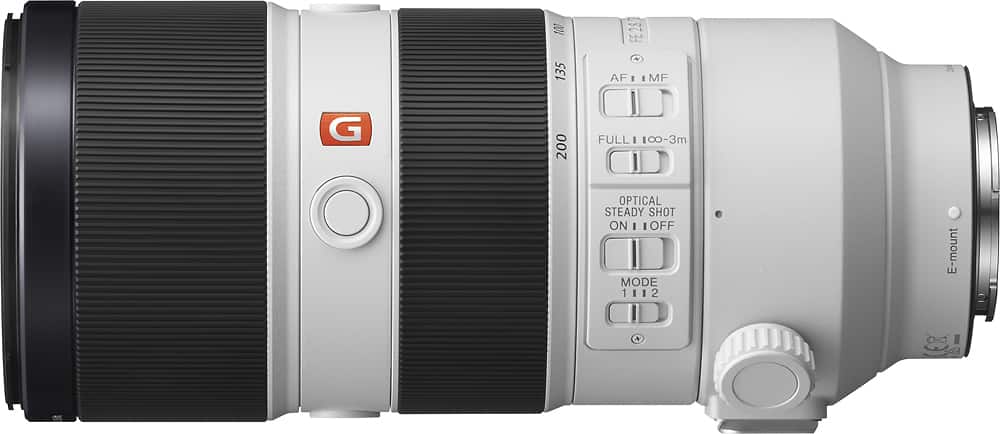
Sony - G Master FE 70-200 mm F2.8 GM OSS Full-Frame Telephoto Zoom Lens for E-Mount Cameras - White
SKU: J7XSRHZRV6Great lens and great value for Sony camera. I love it...Great lens! GM make the best lens!!Só sharp...I'm very happy with this lens. I recommend
See all Mirrorless Long-Range Zoom LensesProduct Description
A white telephoto zoom lens with F2.8 aperture, image stabilization, and Nano AR coating for Sony E-mount.Your price for this item is $2,149.99 -
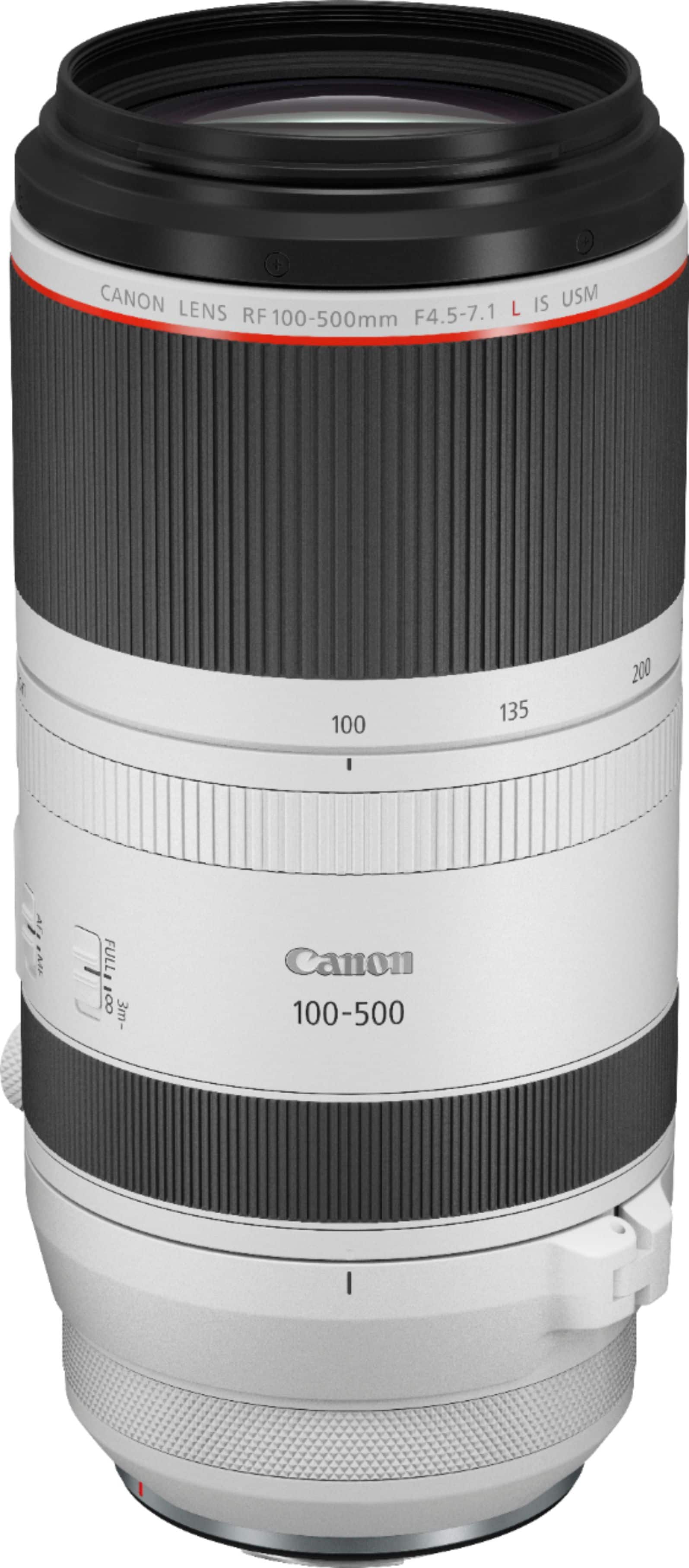
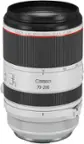
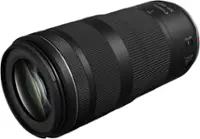
Canon - RF100-500mm F4.5-7.1 L IS USM Telephoto Zoom Lens for EOS R-Series Cameras - White
SKU: J7C86S62WLBest lens ever....Best lens ever. Took beautiful photos....I love it and would highly recommend for anyone interest in taking wildlife photos....best zoom lens...I love the close focus it has.
See all Mirrorless Long-Range Zoom LensesProduct Description
A white telephoto zoom lens with image stabilization and fast autofocus, ideal for sports and wildlife photography.Your price for this item is $2,899.00Save $200The previous price was $3,099.00 -
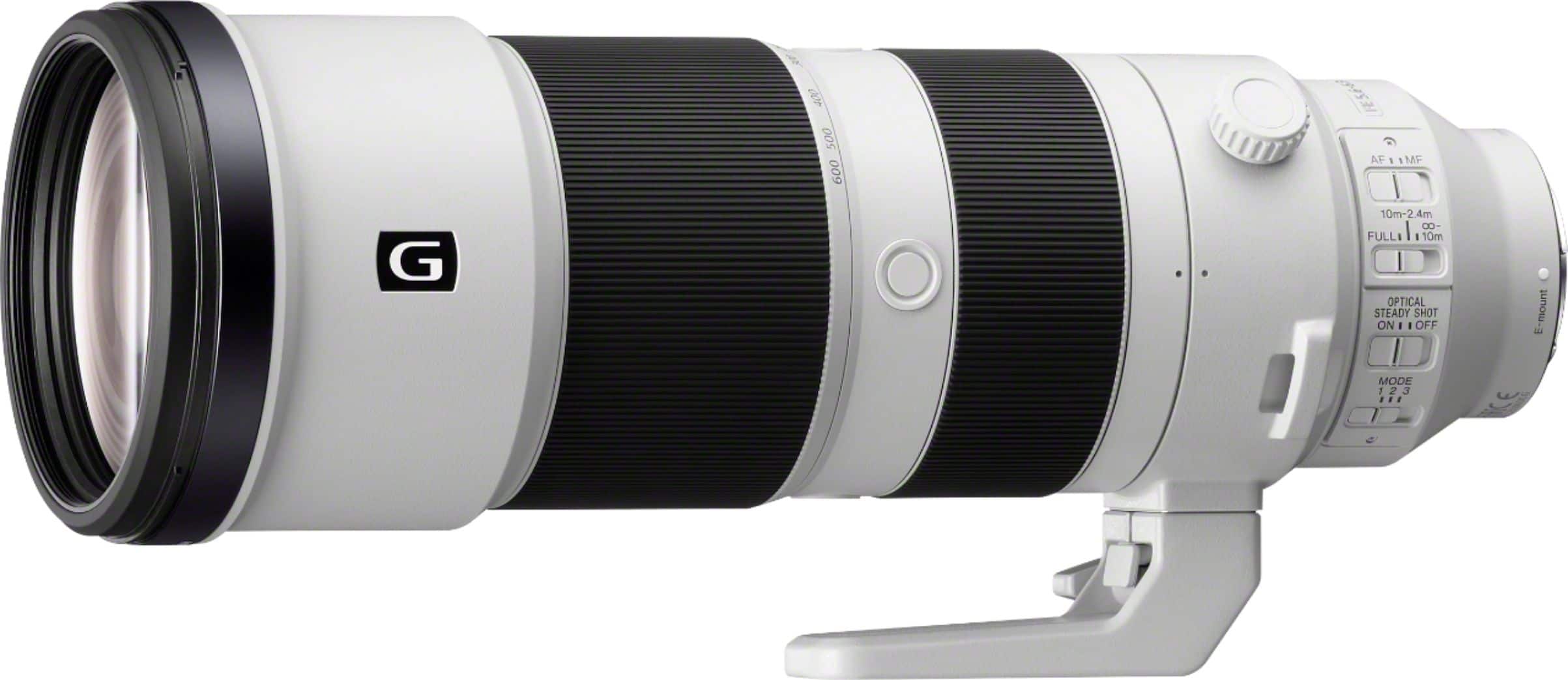
Sony - 200-600mm f/5.6-6.3 G OSS Full Frame Telephoto Zoom G Lens for E-Mount Cameras - White/Black
SKU: J7XSRH4QKSGreat lens...Even with my limited experience I can say this lens is great!
See all Mirrorless Long-Range Zoom LensesProduct Description
A white and black telephoto zoom lens with image stabilization, ED glass, and dust-resistant design for Sony E-mount.Your price for this item is $2,098.00Save $1The previous price was $2,099.99 -
Sony - FE 300mm F2.8 GM OSS G Master lens - White
SKU: J7XSRH5S78See all Mirrorless Prime LensesProduct Description
A lightweight white telephoto prime lens offering F2.8 aperture, fast autofocus, and in-lens stabilization.Your price for this item is $6,799.99 -
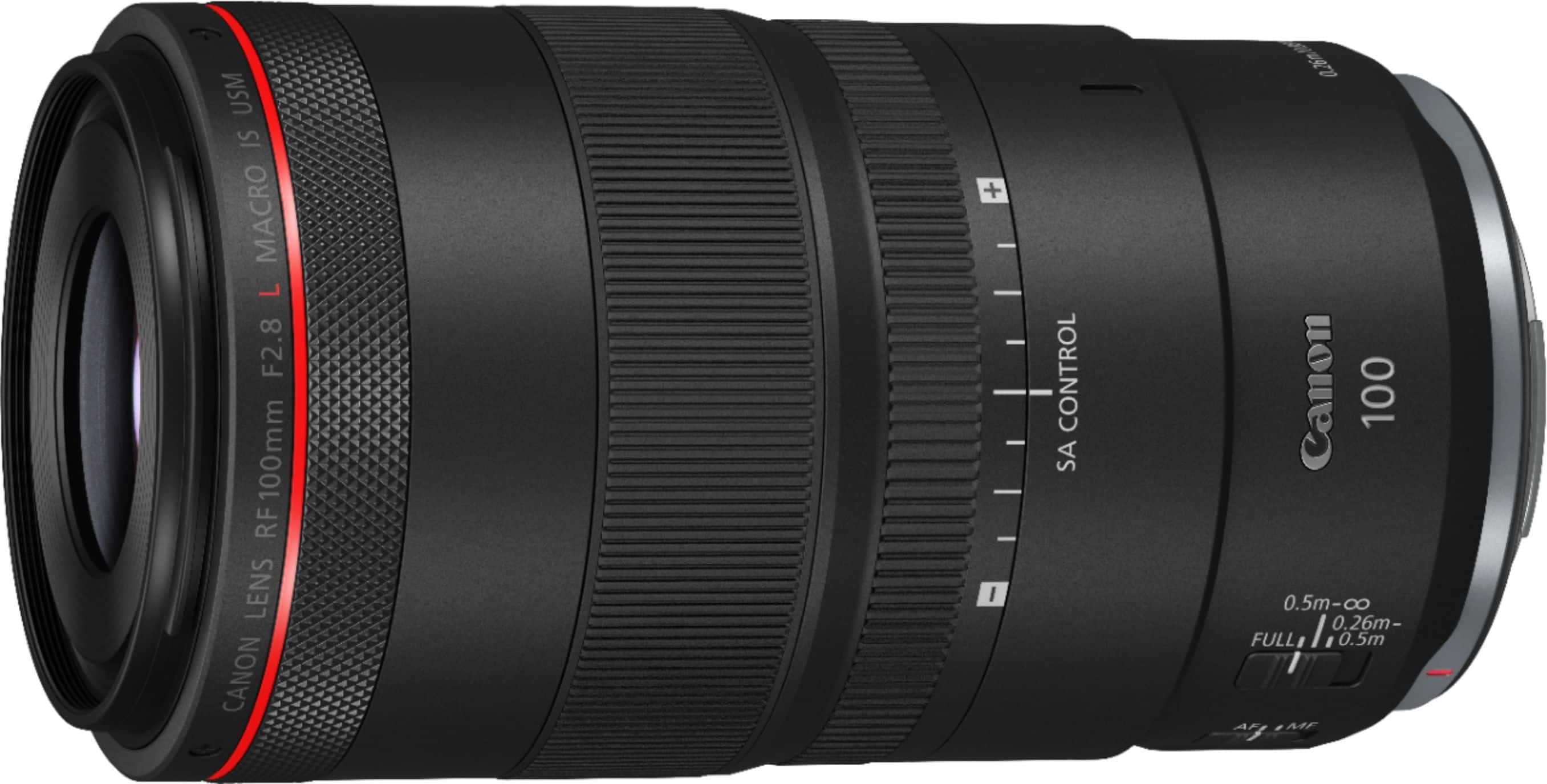
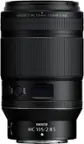
Canon - RF100mm F2.8 L MACRO IS USM Telephoto Lens for EOS R-Series Cameras - Black
SKU: J7C86S62K4Love this Lens - very versatile and takes great photos'...Great lens for details for wedding photography!!!!...Best RF lens around...Best macro
See all Mirrorless Prime LensesProduct Description
A black macro telephoto lens with f/2.8 aperture, image stabilization, and 1.4x magnification for portraits.Your price for this item is $1,349.00

Best Sellers


Related Pages

FAQ
When choosing a lens for bird photography, consider features like a long focal length (typically 300mm or more), fast and accurate autofocus, image stabilization, and a wide maximum aperture for better performance in low-light conditions. Lightweight construction can also be beneficial for handheld shooting.
Both prime and zoom lenses have advantages. Prime lenses often offer sharper images and wider apertures, while zoom lenses provide versatility in framing shots, especially if birds are at varying distances. Many bird photographers prefer zoom lenses for their flexibility in the field.
Yes, it's important to select a lens that matches your camera's mount type, such as Canon EF, Nikon F, Sony E, or Micro Four Thirds. Always check your camera's compatibility before purchasing a lens.
Image stabilization is very helpful in bird photography, especially when using long telephoto lenses or shooting handheld. It reduces blur caused by camera shake, allowing for sharper images at slower shutter speeds.
Many telephoto lenses are compatible with teleconverters, which increase your lens's focal length for greater reach. However, using a teleconverter may reduce maximum aperture and autofocus speed, so check your lens and camera specifications for compatibility and performance details.