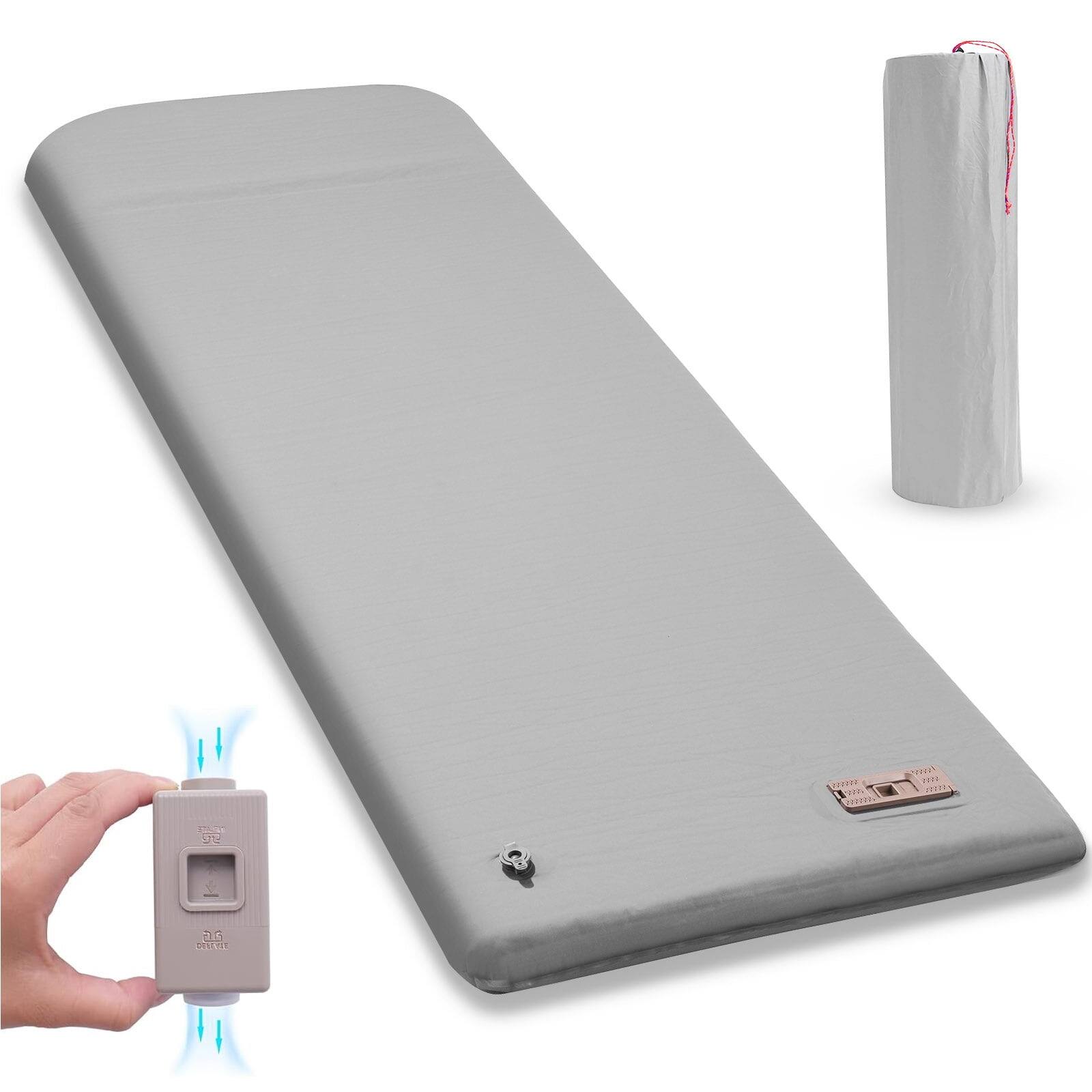
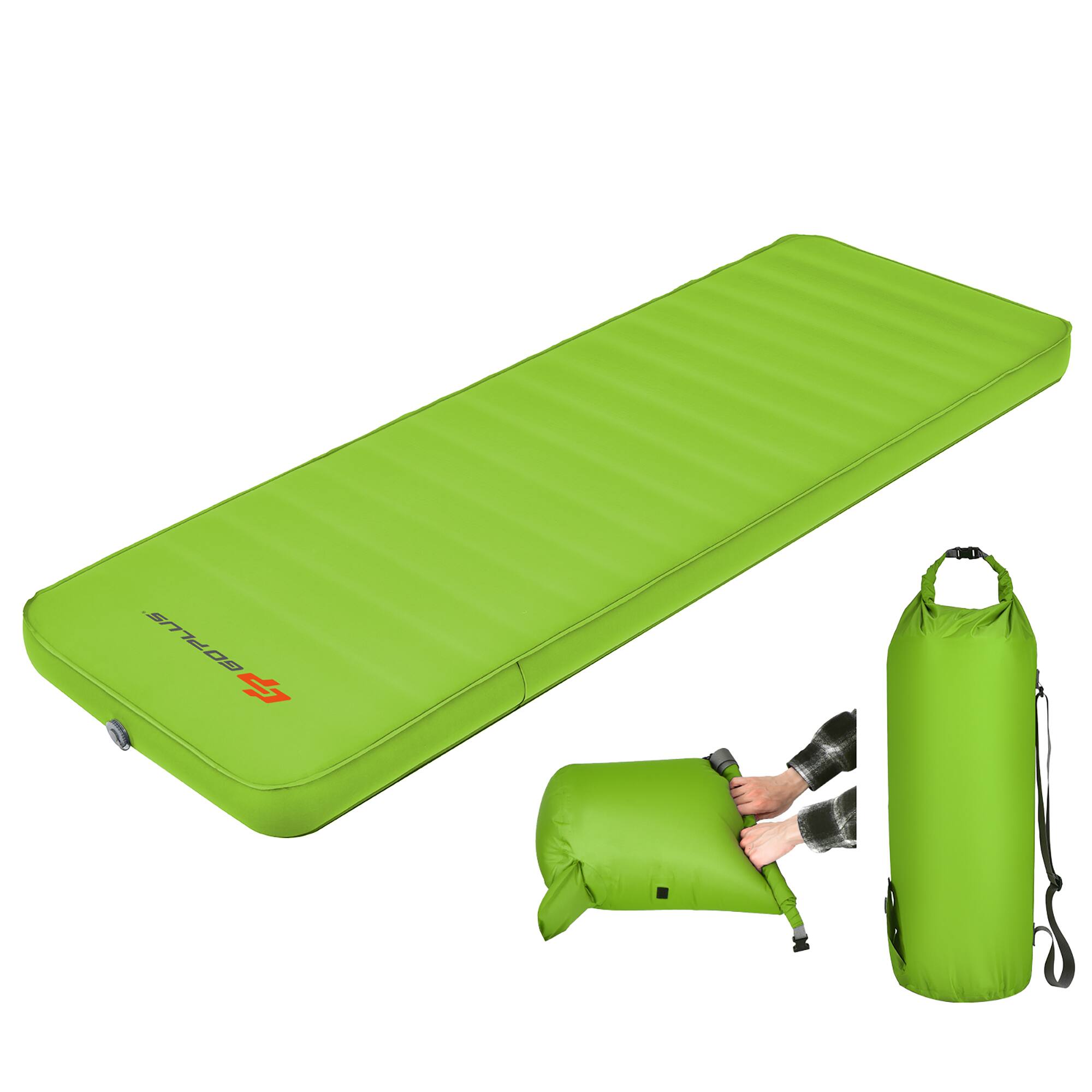
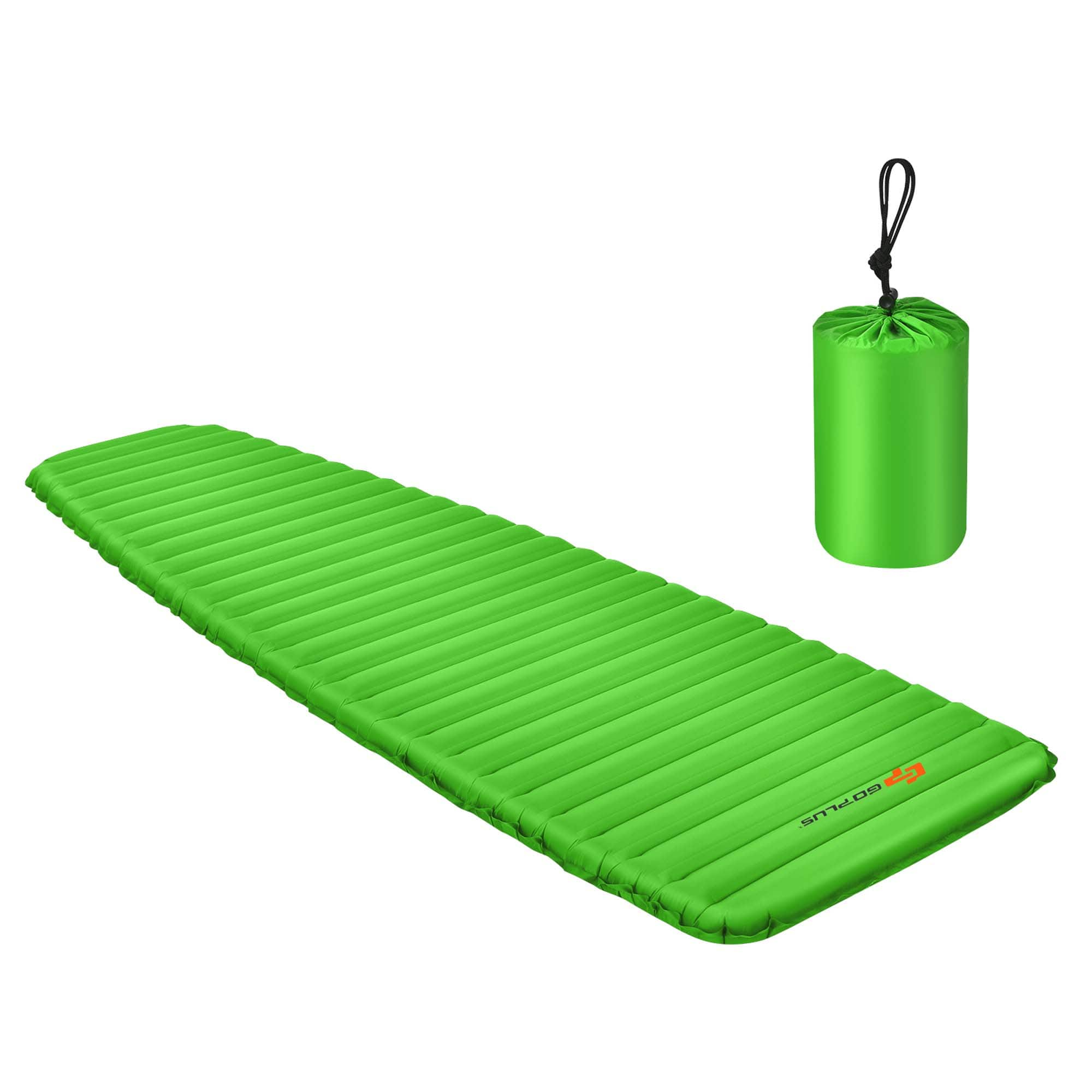
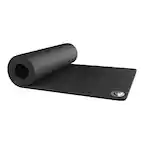
Camping sleeping pads add cushioning and insulation beneath a sleeping bag, turning a tent floor into a more comfortable place to settle in after a day outdoors. For shoppers exploring camping sleeping pads for Cyber Monday, the most useful distinctions are construction, packed size, sleeping dimensions, and intended use. Closed-cell foam pads, air pads, and self-inflating pads each serve a different balance of comfort and portability. Closed-cell foam has a firm, resilient structure that does not require inflation and cannot lose support from a puncture. It typically folds into panels or rolls into a bundle, making it straightforward to set up beside a trail or inside a tent, though its packed shape can be bulky. Air pads use inflatable chambers to provide cushioning and often pack down compactly, an advantage when everything for an overnight trip has to fit inside a backpack. Their feel depends on chamber layout, thickness, and inflation level; some have raised side rails or contoured surfaces that help keep a sleeper centered. Self-inflating pads combine an open-cell foam core with an airtight shell. Opening the valve lets the foam expand and draw in air, although a little additional inflation may be needed to reach the preferred firmness. These pads often appeal to campers who want a cushioned surface without inflating the entire pad from empty, but their foam core can take up more space in storage. For a walk-in campsite, a compact pad can leave room for food, shelter, and clothing. For a campsite reached by car, a wider, thicker pad may be worth the extra bulk, especially when carrying distance is short. A simple foam mat can also suit someone who values quick setup and uncomplicated gear. None of these constructions is automatically the most comfortable for everyone: the right feel depends on sleeping position, body size, and whether a person prefers a firm platform or a surface with more give. A pad that works well for a short solo overnight may feel different during several nights of sharing a tent.
Materials and dimensions make a noticeable difference once a sleeping pad is laid out and used. Many inflatable and self-inflating pads have nylon or polyester shells, sometimes with ripstop reinforcement, laminated airtight layers, or textured surfaces that reduce sliding. Fabric denier describes the thickness of the fibers rather than providing a complete durability rating; weave, coatings, seam quality, and construction also matter. A reinforced underside can help withstand routine campsite use, but even sturdy fabric needs protection from sharp stones, thorns, and debris. Thickness affects how far shoulders and hips sit above the ground, while width determines how much room there is to move without slipping off an edge. Side sleepers often appreciate enough depth to cushion the hip and shoulder without bottoming out. Back sleepers may be comfortable on a thinner pad, depending on their preferred firmness and support needs. Rectangular shapes provide room at the shoulders and feet, while tapered shapes trim material and packed weight. Length should accommodate the sleeper’s height and preferred pillow arrangement, with enough support to avoid feet hanging awkwardly over the end. Two-person pads offer a shared surface, but their dimensions still need to fit the usable floor space of the tent, including its sloping corners. Separate pads can make more sense when two sleepers want different firmness levels or need to divide gear between packs. Insulation is another meaningful distinction: a sleeping pad’s R-value indicates resistance to heat transfer, and higher values generally mean greater insulating performance. Ratings measured under the same standardized test are more useful for comparison than vague comfort descriptions. Thickness alone does not establish insulation, because an air pad’s internal fill, reflective layers, and chamber design also influence performance. A sleeping bag and pad work together, since insulation compressed beneath the body provides less loft. For a complete sleep setup, the pad should also work with the sleeping bag’s shape, any attachment straps on a quilt, and the surface beneath it, whether that is a tent floor or a compatible camping cot.
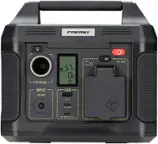
Everyday usability often comes down to small details that become important at the end of a long day. A valve that is easy to operate, a clear distinction between inflation and deflation openings, and a stuff sack with enough room for repacking can make setting up and breaking camp less frustrating. Compatible pump sacks can move air into a pad without repeated breaths, while allowing small firmness adjustments after the pad is inside the tent. For air-supported designs, the preferred setting is not necessarily maximum inflation: a slightly softer surface may cradle the body more comfortably, provided hips and shoulders remain supported above the ground. Movement noise and surface texture also deserve consideration when sharing a tent with a light sleeper. Care starts with checking the sleeping area for abrasive debris and keeping the pad away from flames, hot cookware, and dragging contact with rough ground. Cleaning should follow the manufacturer’s directions, typically using a soft cloth and mild soap when permitted, followed by thorough drying before storage. Air pads benefit from a compatible repair kit and familiarity with the patching process; closed-cell foam avoids air leaks but can still tear or become permanently compressed. Storage instructions vary, and some self-inflating pads are best stored unrolled with the valve open rather than tightly compressed for extended periods. For gifting, sleeping pads can be practical additions to the gear of a backpacker, a festival camper, or someone joining family camping trips, especially when the recipient’s height, sleeping habits, and carrying needs are known. A compact pad suits a different routine than a roomy mat transported from a vehicle, so matching that routine matters more than choosing the thickest design. Campers assembling a broader campsite setup can also explore Cyber Monday Deals on Portable Power Stations for Camping for context on powering compatible electric pumps, rechargeable lights, and other camp equipment. Sleeping pads themselves generally do not need electricity; a power source is relevant only to compatible accessories. Thoughtful sizing, suitable insulation, and manageable care help a sleeping pad become gear that earns its space trip after trip.