Dutch Oven Cooking
-
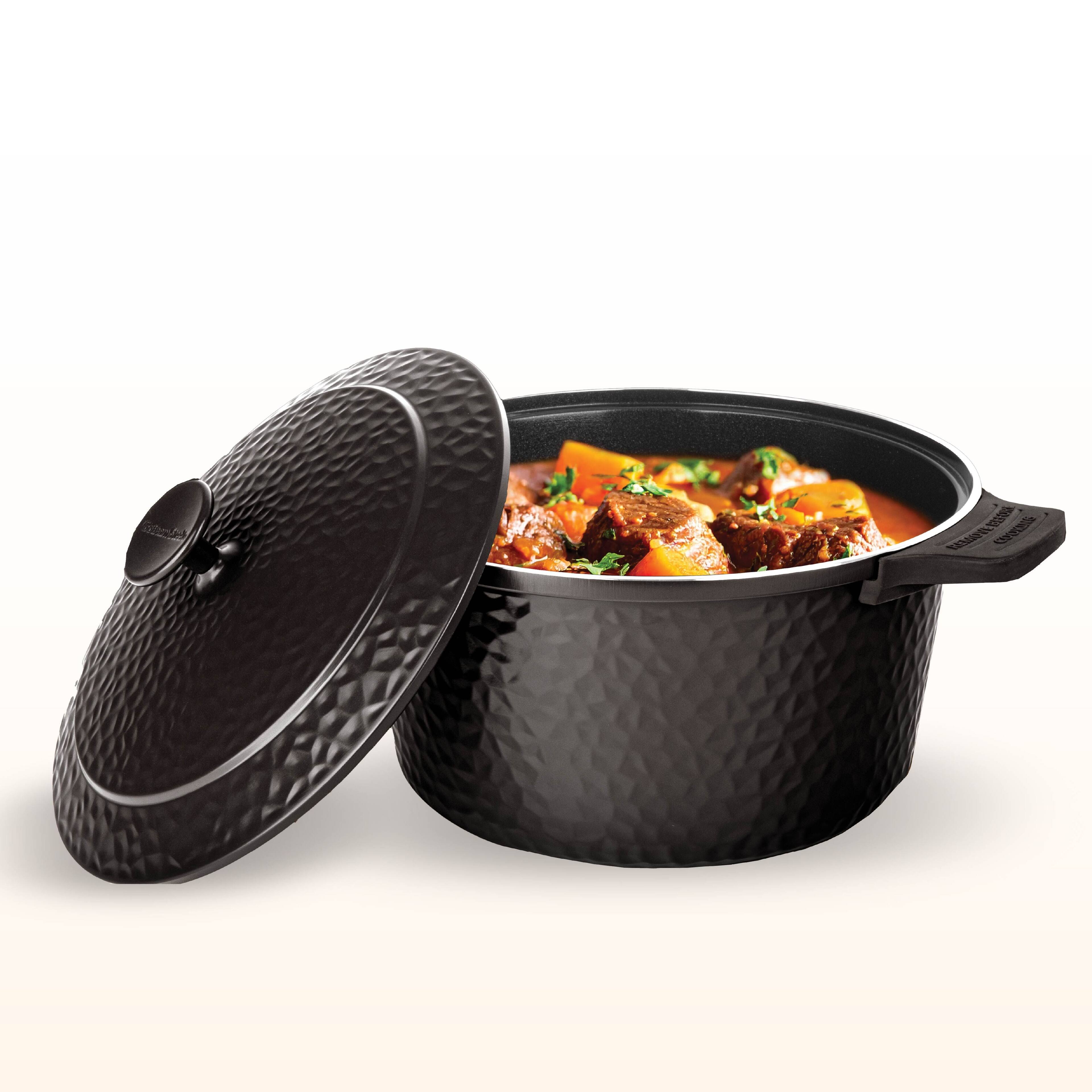
Gotham Steel - 5 Quart Nonstick Lightweight Hammered Dutch Oven with Self Basting Lid - Dark Roast
SKU: J762VJSPZPSeems to be well made and is very durable, I have other Gotham steel pots and this one is a great addition...I love the handle holders that come with it. The design is sleek and beautiful....Love this...
See all Dutch OvensProduct Description
A lightweight dark roast aluminum Dutch oven with ultra-nonstick surface and self-basting lid for versatile cooking.Your price for this item is $79.99 -
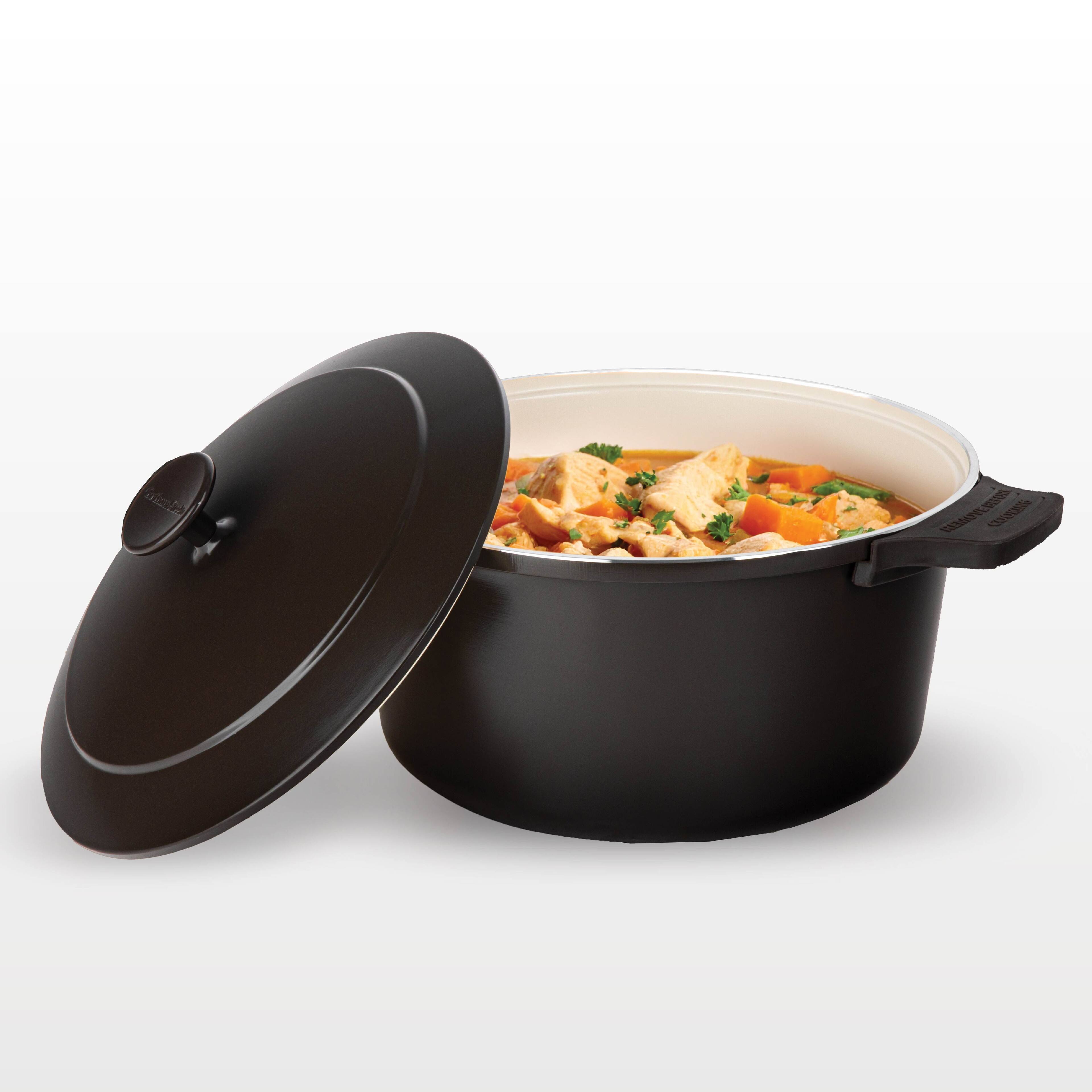
Gotham Steel - 5 Quart Nonstick Lightweight Dutch Oven with Self Basting Lid - Dark Roast
SKU: J762VJSPKR[This review was collected as part of a promotion.] the cleaning is so so simple , i love it the most..., the versatility is perfect , the durability i love it so much the design i love even more the...
See all Dutch OvensProduct Description
A lightweight dark roast aluminum Dutch oven with ultra-nonstick surface and self-basting lid for versatile cooking.Your price for this item is $49.99 -
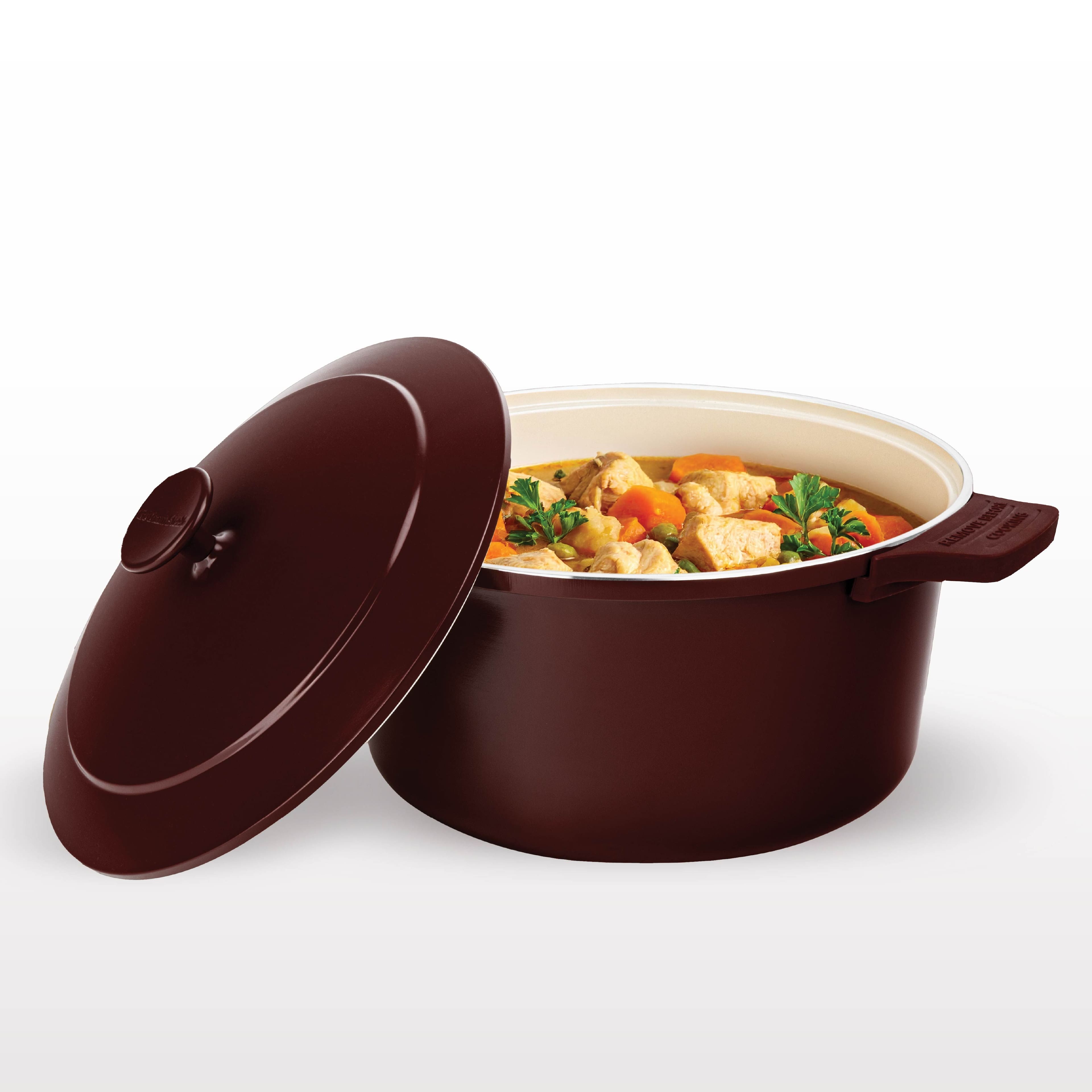
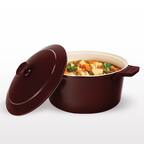
Gotham Steel - 5 Quart Nonstick Lightweight Dutch Oven with Self Basting Lid - Maroon
SKU: J762VJSPW5Love...I love that it comes with holders that slide off the handles too....Potter's really good good volume nice color it's evenly great pot for Soups stews Etc looks good made...with good material aesthetic...
See all Dutch OvensProduct Description
A maroon aluminum Dutch oven featuring an ultra-nonstick surface and self-basting lid for versatile cooking.Your price for this item is $49.99 -
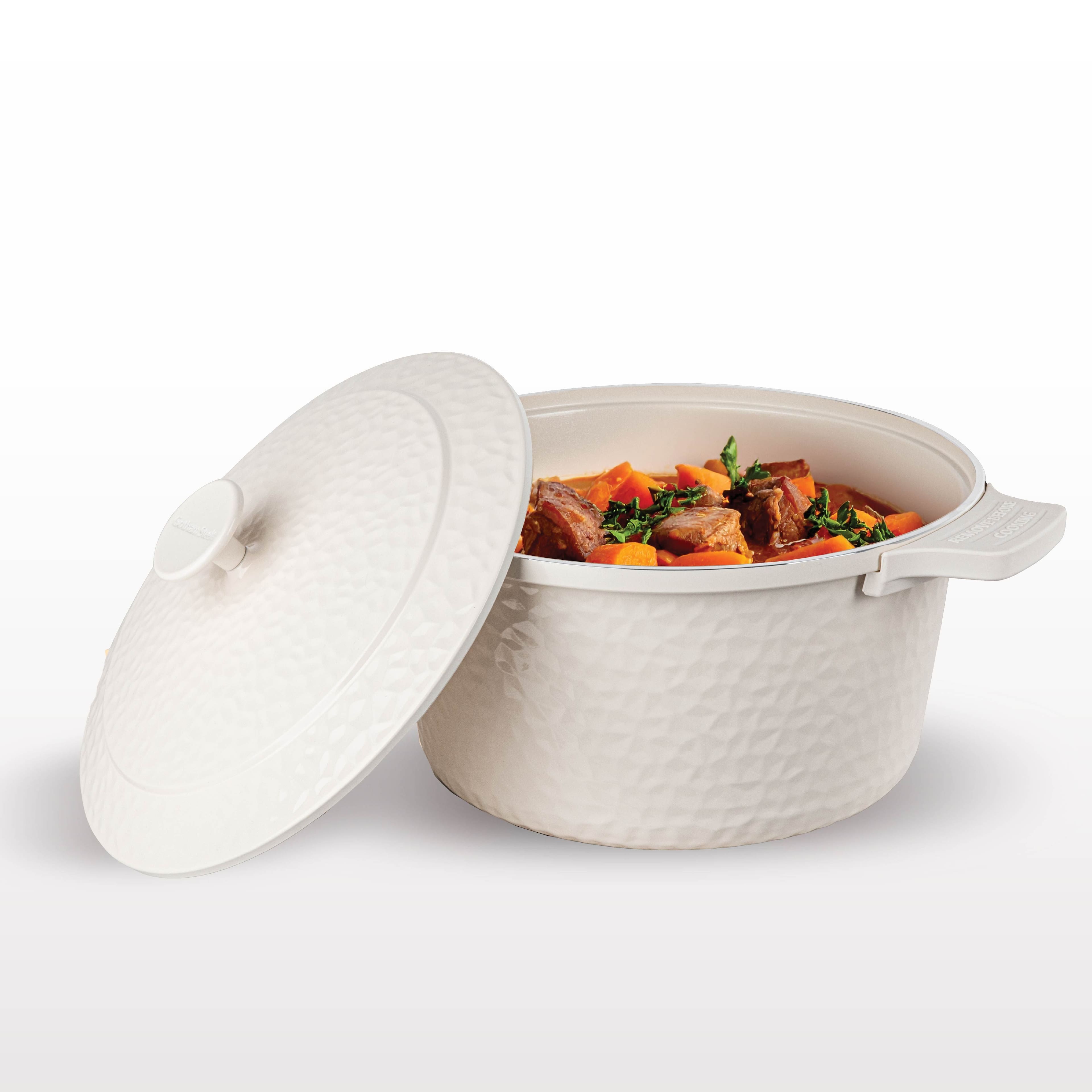
Gotham Steel - 5 Quart Nonstick Lightweight Hammered Dutch Oven with Self Basting Lid - Cream
SKU: J762VJSPK4Great product I just love it...This Gotham Steel is a really great, I just love it. Is so durable and easy to clean....Is a great pot I will definitely buy more of this brand....Cooked Once — Fell in...
See all Dutch OvensProduct Description
A cream-colored, lightweight aluminum Dutch oven with ultra-nonstick surface and self-basting lid for versatile cooking.Your price for this item is $79.99 -
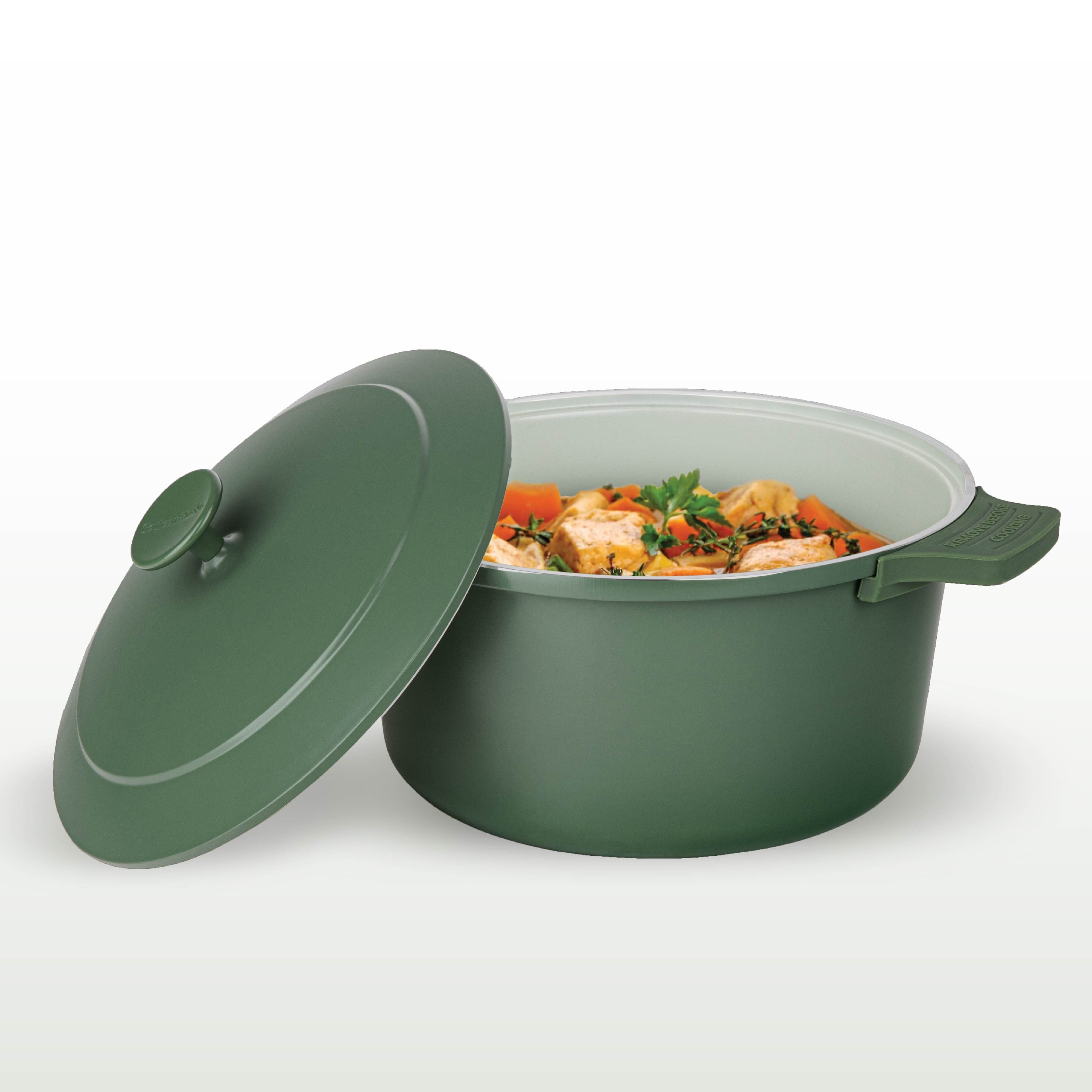
Gotham Steel - 5 Quart Nonstick Lightweight Dutch Oven with Self Basting Lid - Sage
SKU: J762VJSPWLI love the durability.The heat distribution is amazing. The versatility I love....The design is one of the few designs that I do love. Super Duper easy to clean....I am in love with this dutch oven! The...
See all Dutch OvensProduct Description
A sage green, lightweight aluminum Dutch oven with ultra-nonstick surface and self-basting lid for versatile cooking.Your price for this item is $49.99 -
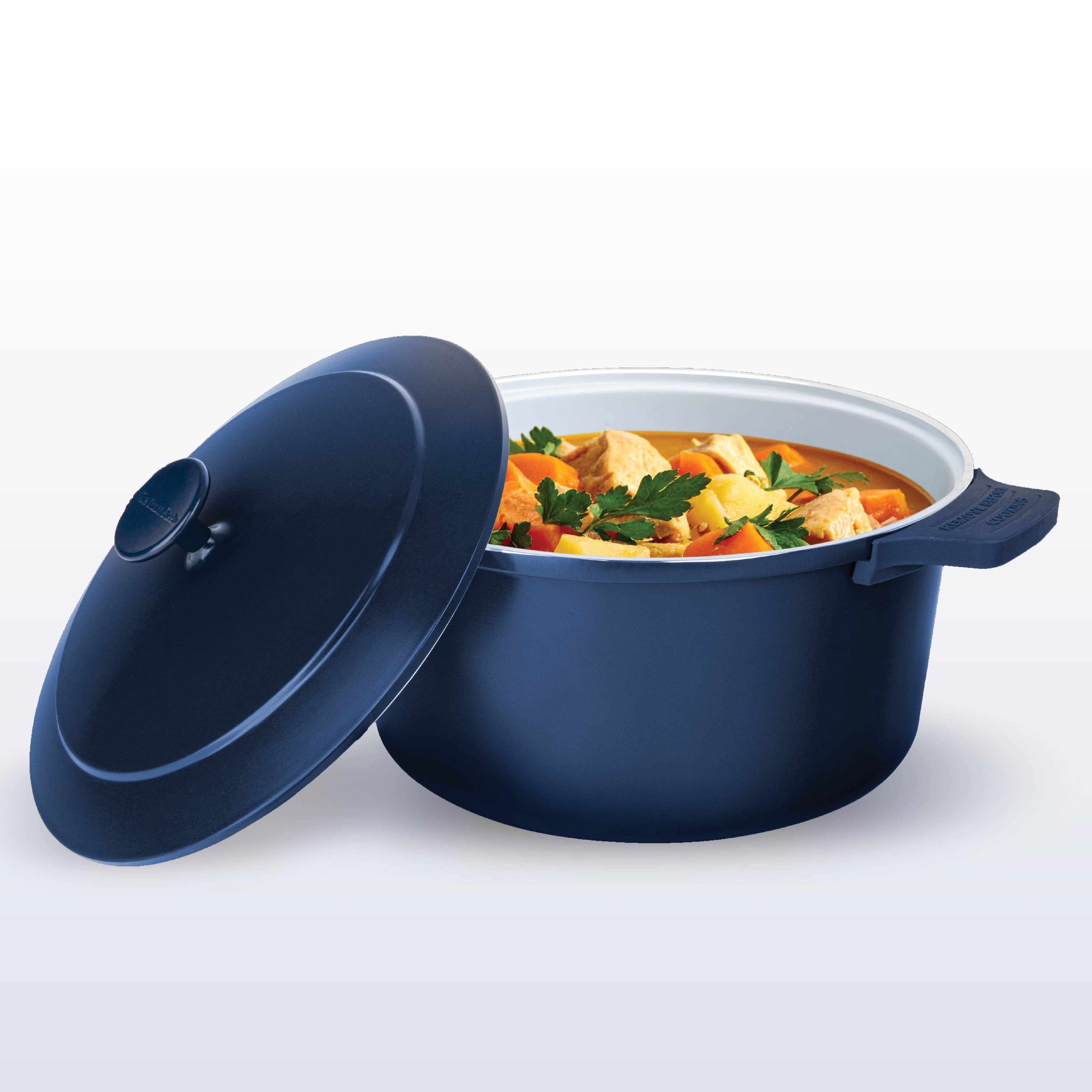
Gotham Steel - 5 Quart Nonstick Lightweight Dutch Oven with Self Basting Lid - Navy
SKU: J762VJSPWQI have tested out serval different companies and this one has been the best!...I love that the handles do not hold heat unlike some other brands....Love this pot. Already cooked in it. The price is right...
See all Dutch OvensProduct Description
A navy blue aluminum Dutch oven featuring an ultra-nonstick surface and self-basting lid for versatile cooking.Your price for this item is $49.99 -
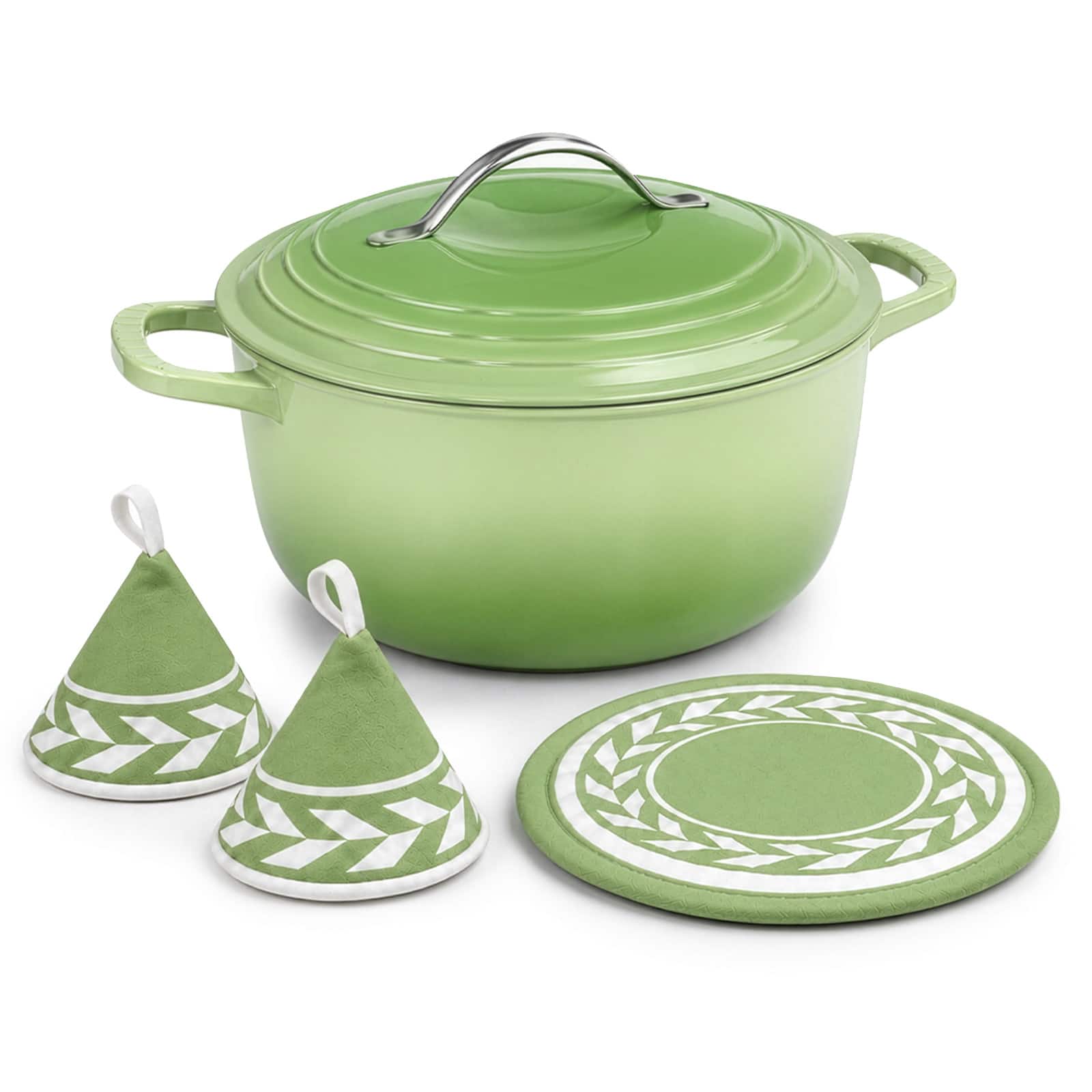
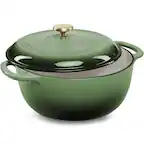
Winado - 5 QT Enameled Cast Iron Dutch Oven with Lid & Heat-Resistant Gloves & Pot Mat Compatible with All Cooktops for Braising - Green
SKU: J264742Q6WSee all Dutch OvensProduct Description
A green enameled cast-iron Dutch oven with PFAS-free coating, lid, heat-resistant accessories, and all-cooktop compatibility.Your price for this item is $56.99Save $43The previous price was $99.99 -
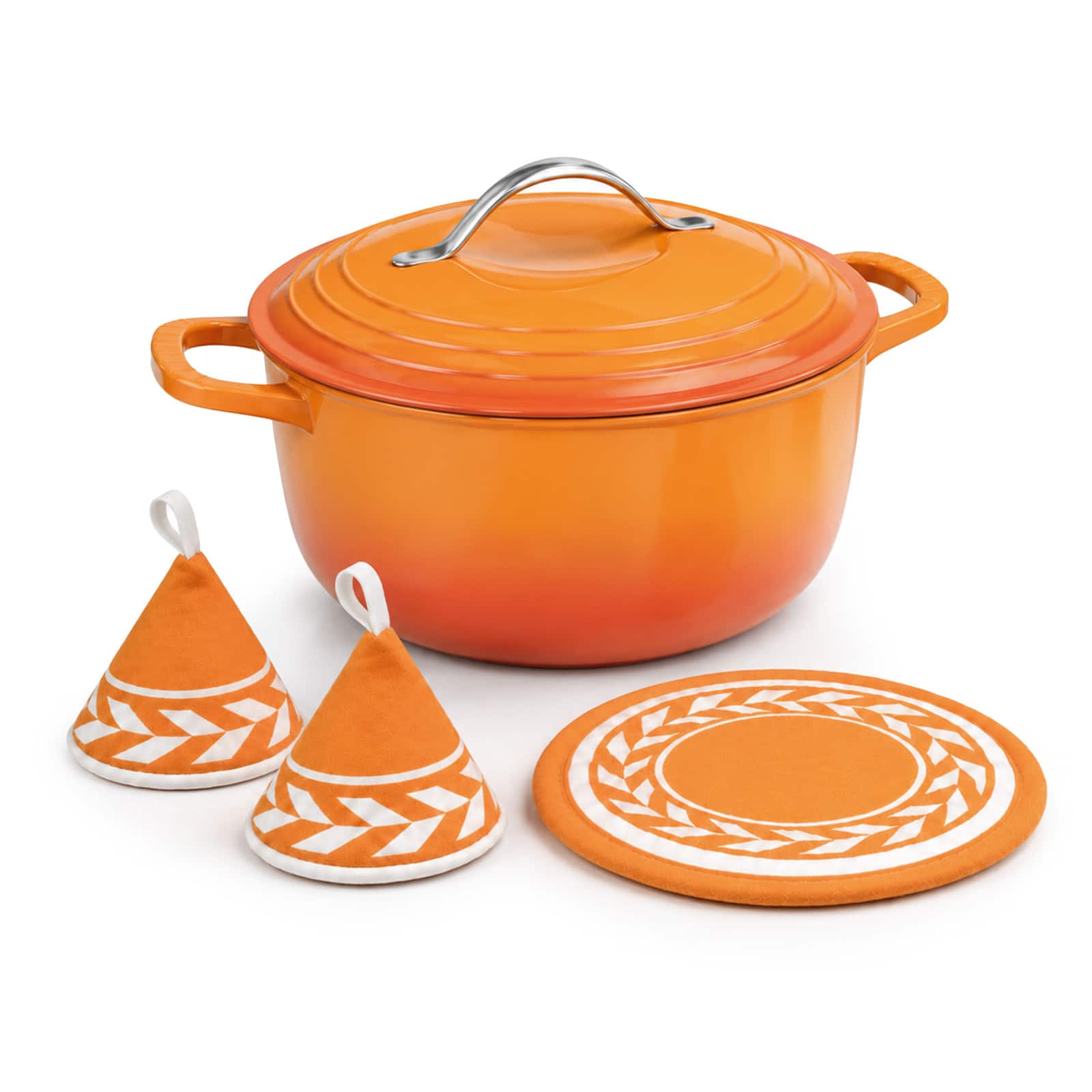
Winado - 5 QT Enameled Cast Iron Dutch Oven with Lid & Heat-Resistant Gloves & Pot Mat Compatible with All Cooktops for Braising - Orange
SKU: JXZLHTVGGCSee all Dutch OvensProduct Description
An orange enameled cast iron Dutch oven with PFAS-free coating, all-cooktop compatibility, and 500°F oven safety.Your price for this item is $56.99Save $43The previous price was $99.99 -
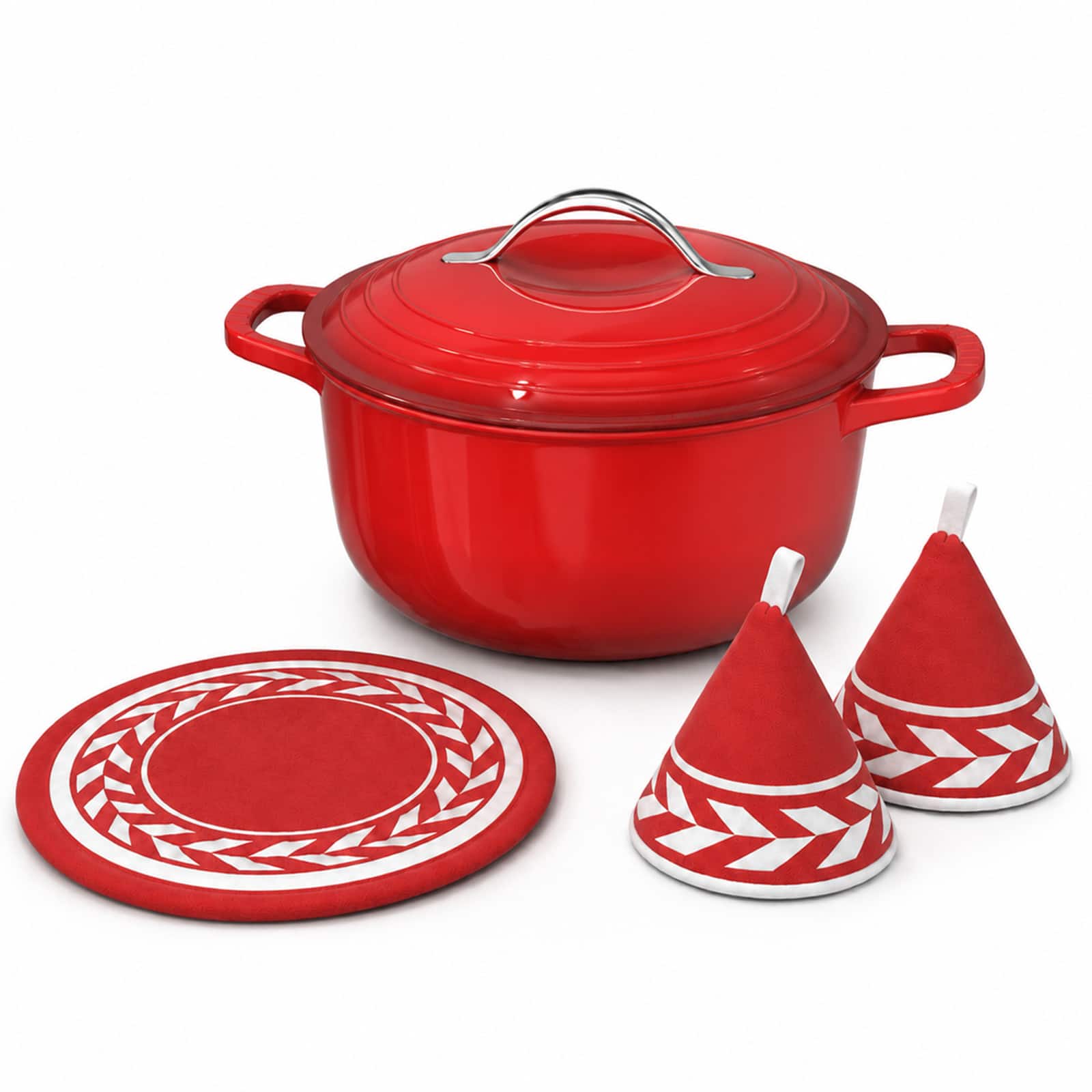
Winado - 7.5QT Enameled Cast Iron Dutch Oven with Lid & Heat-Resistant Gloves & Pot Mat Compatible with All Cooktops for Braising - Red
SKU: J334RJF3VXSee all Dutch OvensProduct Description
A red enameled cast iron Dutch oven with PFAS-free coating, 500°F oven safety, all-cooktop compatibility, gloves, and pot mat.Your price for this item is $66.99Save $53The previous price was $119.99 -
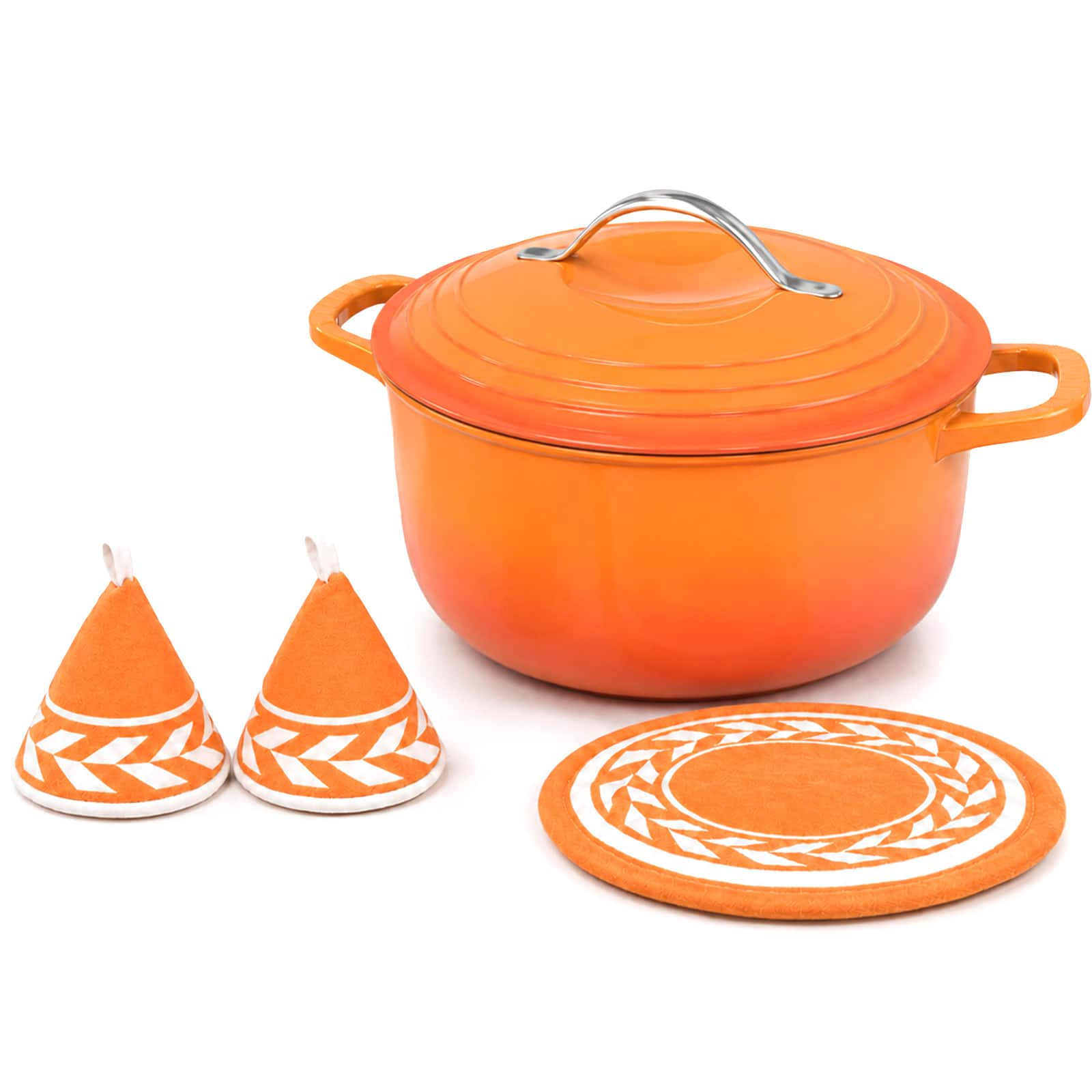
Winado - 7.5QT Enameled Cast Iron Dutch Oven with Lid & Heat-Resistant Gloves & Pot Mat Compatible with All Cooktops for Braising - Orange
SKU: J3K67ZHJ72See all Dutch OvensProduct Description
An orange enameled cast-iron Dutch oven with PFAS-free coating, 500°F oven safety, gloves, and pot mat.Your price for this item is $66.99Save $53The previous price was $119.99
Best Sellers




Related Pages




FAQ
Dutch ovens are incredibly versatile and can be used to prepare a wide range of dishes, including stews, soups, braised meats, casseroles, artisan breads, and even desserts. Their ability to retain and evenly distribute heat makes them ideal for both slow cooking and baking.
Yes, most Dutch ovens are compatible with various heat sources, such as gas, electric, induction stovetops, and ovens. Some can even be used over campfires, making them great for both indoor and outdoor cooking. Always check the manufacturer's guidelines for specific heat source compatibility.
To keep your Dutch oven in top condition, allow it to cool before washing and avoid using metal utensils that might scratch the surface. For enameled Dutch ovens, hand washing with mild soap and a soft sponge is recommended. For cast iron versions, avoid soap and instead use hot water and a brush, then dry thoroughly and apply a thin layer of oil to prevent rust.
Dutch ovens offer excellent heat retention and distribution, which helps cook food evenly. Their heavy lids trap moisture, making them perfect for braising and slow-cooking. Additionally, they transition seamlessly from stovetop to oven, adding convenience to your cooking process.
Yes, Dutch ovens are typically made from cast iron, which may be coated with enamel for easier cleaning and maintenance. Some Dutch ovens are made from aluminum or ceramic, but cast iron remains the most popular due to its superior heat retention and durability.