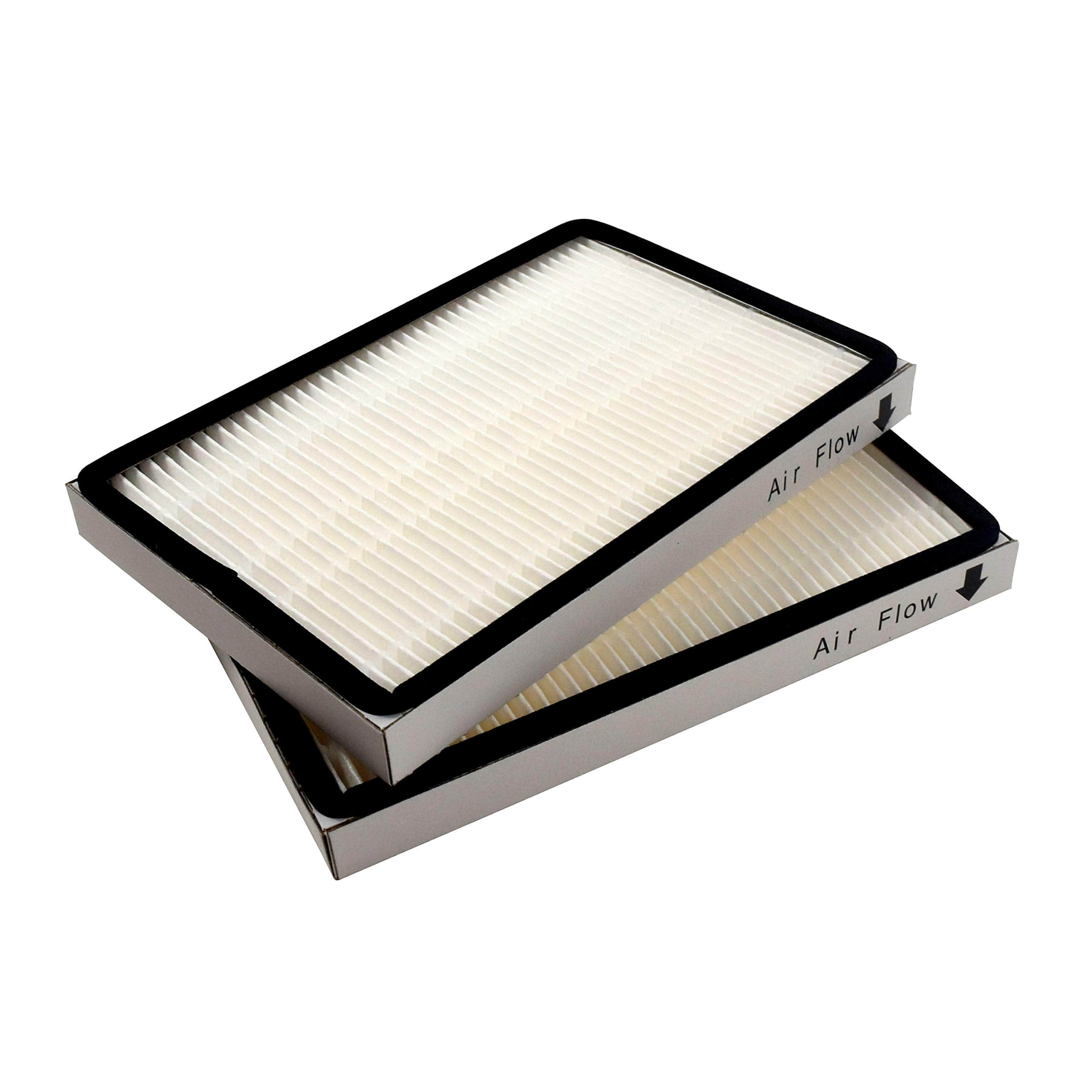
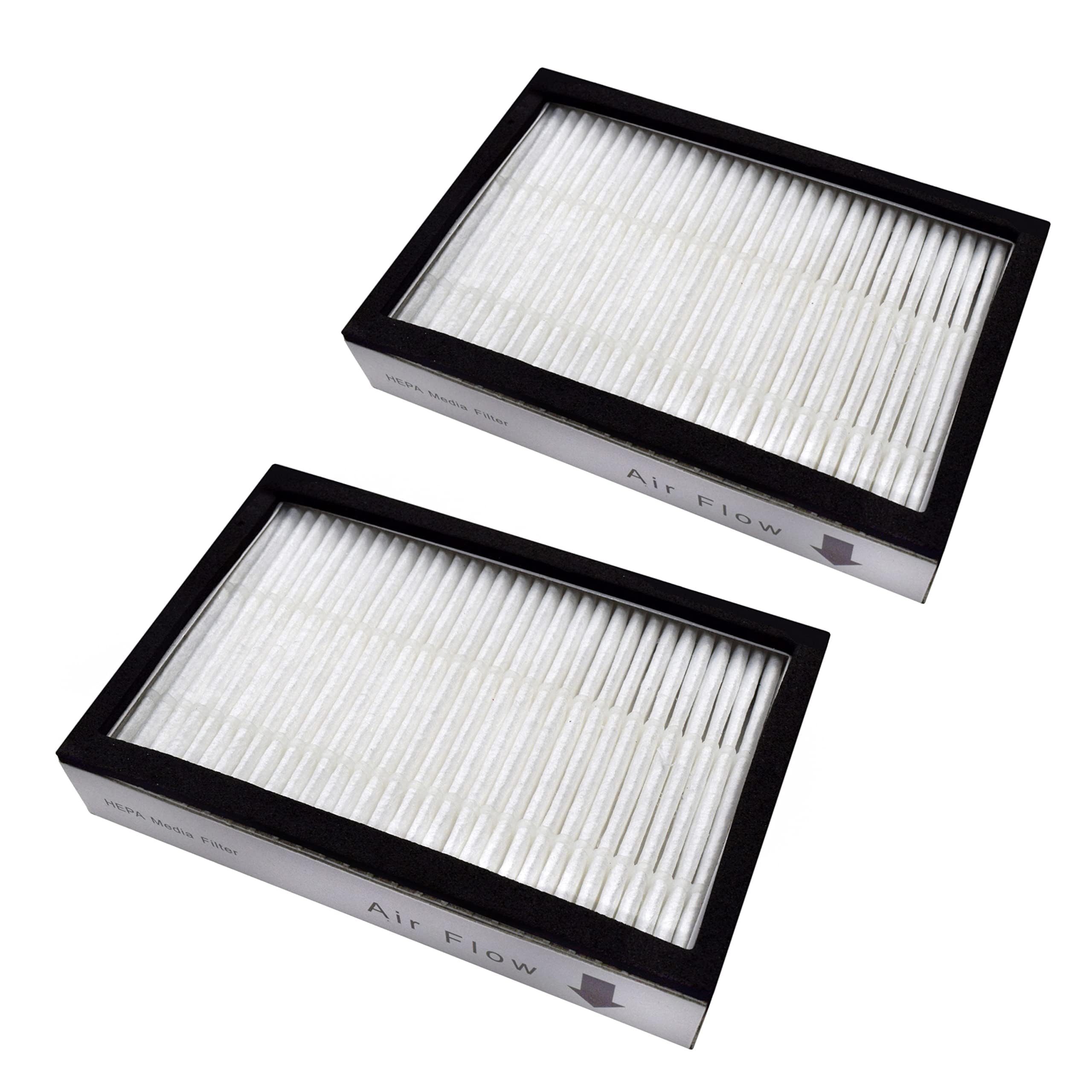
Canister vacuum replacement parts include dust bags, filters, hoses, wands, brush rolls, belts, and floor attachments, with compatibility determined by the vacuum’s complete model number and the replacement component’s specifications. These parts serve different purposes: bags collect debris, filters manage particles along the airflow path, and hoses and attachments carry suction to the surfaces being cleaned. Replacing a worn component can help keep a familiar vacuum useful without changing the way it fits into a household’s cleaning routine. A cracked hose may make it difficult to reach beneath a sofa, while a brush roll with worn bristles may no longer agitate carpet as intended. The right replacement depends on more than a similar appearance. Machines within the same product family can have different bag collars, filter housings, connector shapes, electrical contacts, or attachment locks. A model number and a documented compatibility listing provide a stronger basis for fit than color, approximate size, or a shared series name alone. For hoses and wands, connection diameter matters alongside the locking mechanism and any wiring that supplies power to a motorized cleaning head. A hose designed only to carry airflow is not interchangeable with an electrically powered hose unless the manufacturer specifies that compatibility. Materials also affect everyday handling. Flexible hose walls need to bend around furniture without collapsing, rigid wand sections need secure joints, and plastic housings need accurately shaped tabs and edges to seat properly. Metal wand sections can provide rigidity, but their weight and adjustment mechanism also influence comfort during longer cleaning sessions. Seals and gaskets deserve attention because a small gap at a connection can allow air to enter where it should not. Replacement components work best as parts of a matched system, with connections that stay secure as the canister follows from room to room. Original-equipment and third-party replacement labels describe a component’s source; neither replaces the need to verify its intended fit. Clear compatibility information helps distinguish a suitable replacement from a piece that merely looks close.
Dust bags and filters are routine replacement needs because they handle the material a vacuum removes from floors, rugs, upholstery, and narrow spaces. A bag’s collar, closure, capacity, and shape must suit the bag compartment so it can seat correctly and expand as intended. A bag that looks large enough may still be unsuitable if its inlet does not seal around the connection. For bagged machines, Replacement Vacuum Bags for Kenmore brings the focus to this frequently changed component, where documented model compatibility remains essential. Bag materials range from paper constructions to layered synthetic media, and their filtration characteristics depend on the specific design rather than appearance alone. Some bags include closures that help contain collected debris during removal, a practical consideration for households dealing with fine dust or pet hair. Capacity indicators and replacement intervals vary by machine and use; fine powder can restrict airflow before a bag looks completely full. Filters have separate roles depending on where they sit in the system. A motor-protection filter helps intercept particles before they reach the motor, while an exhaust filter treats air leaving the vacuum. These components are not interchangeable, even when their dimensions seem similar. HEPA terminology should reflect the replacement filter’s stated specification, and a HEPA-rated filter by itself does not establish that the entire vacuum is a sealed HEPA system. Fit around the filter’s edges matters because air can bypass media that is not seated correctly. Care requirements also differ: some filters are designed for washing, while others require replacement and can be damaged by water. Washable components need the drying time specified by the manufacturer before reinstallation. A clean-looking surface does not necessarily mean a filter has unrestricted airflow, particularly after collecting fine household dust. Keeping the correct bags and filters in use supports the vacuum’s intended operation, but these consumables are not a substitute for addressing a blocked hose, damaged seal, or other mechanical problem.
Floor attachments, brush rolls, belts, and smaller hardware shape how a canister vacuum handles everyday cleaning. A smooth-floor brush has a different job from a powered carpet nozzle, and the right contact materials depend on the flooring manufacturer’s care recommendations as well as the vacuum’s design. Soft bristles and nonmarking wheels may help protect suitable finished surfaces, while a powered brush roll provides agitation for compatible carpeting. Neither attachment should be assumed safe for every rug or floor finish. In homes with pets, hair can wind around brush-roll ends and axles; replacement brushes and related components need the correct dimensions, end fittings, and drive arrangement to function properly. Belts likewise differ in profile, length, and construction, so a visually similar belt is not necessarily an appropriate match. Upholstery tools, crevice tools, and dusting brushes offer more targeted reach for sofa seams, baseboard edges, and furniture details when their connectors fit the wand or hose. Households with stairs may place particular value on manageable attachment weight and a hose that reaches comfortably without pulling the canister into an unstable position. Wheels, latches, and adjustment collars can seem minor beside a motorized head, yet they influence how easily the machine rolls, opens, and stays connected during use. Durability involves the whole component: a sturdy housing offers limited benefit if its latch does not engage securely or its wheel binds against the frame. Routine care is generally straightforward when it follows the manufacturer’s directions, including removing tangled fibers where permitted and keeping connection points free of packed debris. Electrical hoses, switches, cords, and powered heads require additional caution; exposed wiring, overheating, or a burning odor calls for stopping use rather than treating the issue as ordinary wear. Manufacturer-approved service may be appropriate for electrical or internal repairs. Thoughtfully matched replacement parts support practical household needs, from picking up crumbs beneath a dining table to removing lint along upholstered cushions, while preserving the vacuum’s intended fit, handling, and cleaning functions.