Outdoor Griddle Covers
-
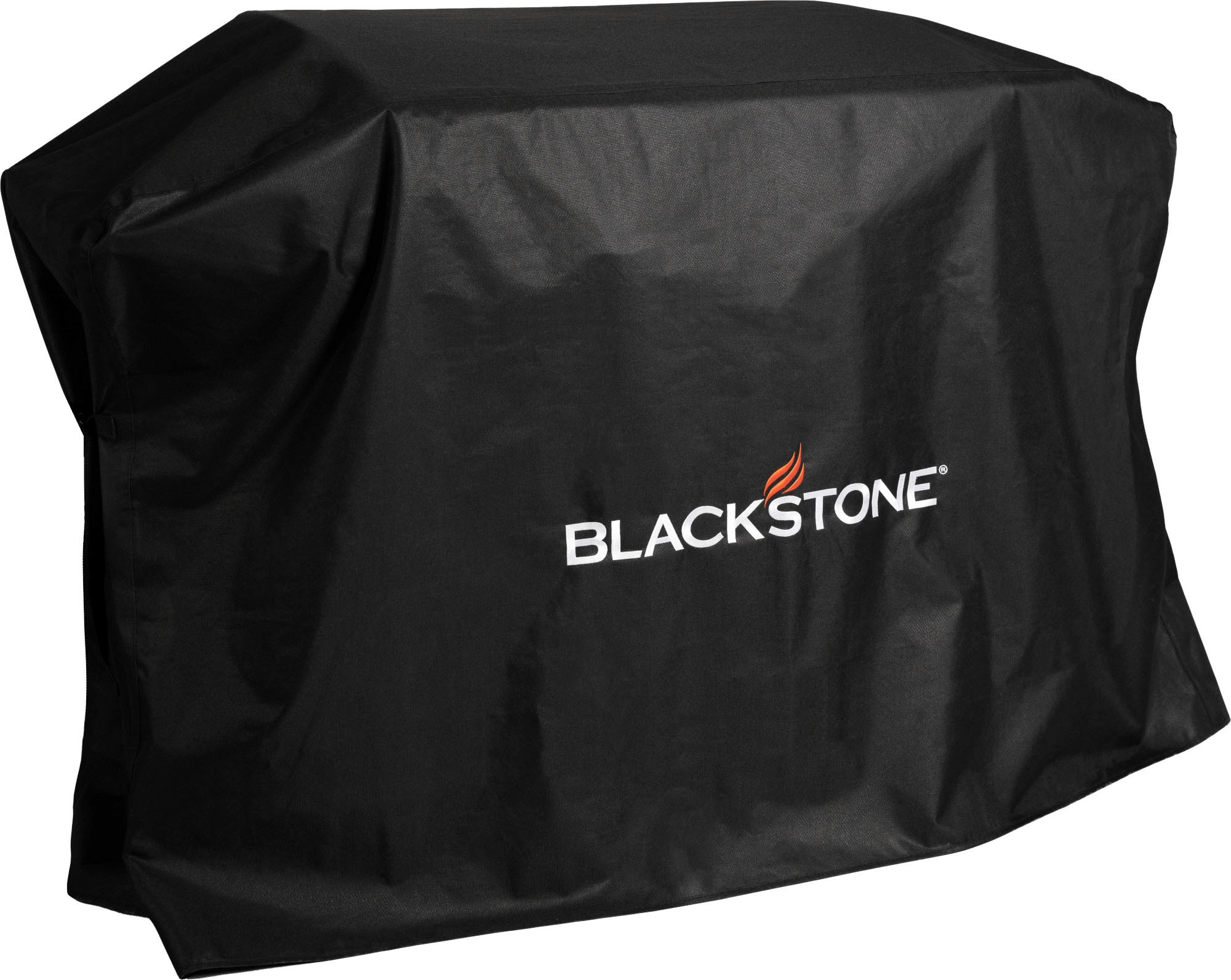
Blackstone - 28 In. Outdoor Griddle Cover with Adjustable Straps - Black
SKU: JXTRGHY9WLWe have had a 17” for our camper for thepast year and love it Decided to splurge and get this one for...the house for the 4th of July Equally as awesome Love them both...I love Blackstone products.
See all Grill CoversProduct Description
A durable black polyester cover with adjustable straps that protects your outdoor griddle from the elements.Your price for this item is $69.30 -
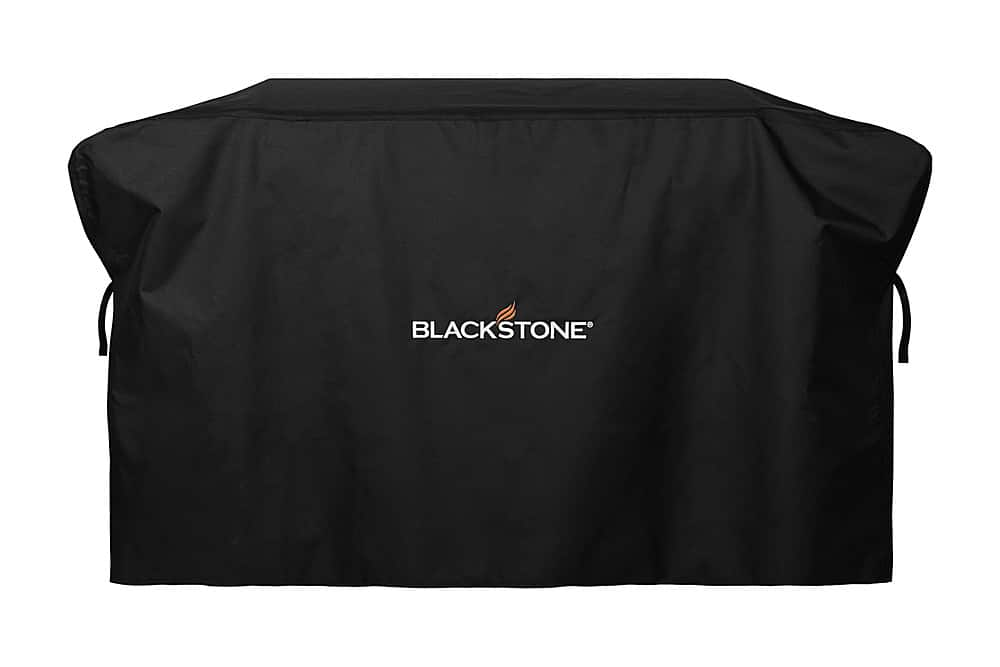
Blackstone - Weather-resistant 36-in. Hooded Griddle Cover with Adjustable Straps - Black
SKU: JXTRGHY9WJGreat fit, always great quality....Great quality, durable and fits perfectly, wouldnt expect anything less....Great quality
See all Grill CoversProduct Description
A weather-resistant black polyester cover with adjustable straps that protects 36-inch hooded griddles from the elements.Your price for this item is $67.15Save $0The previous price was $68.03 -
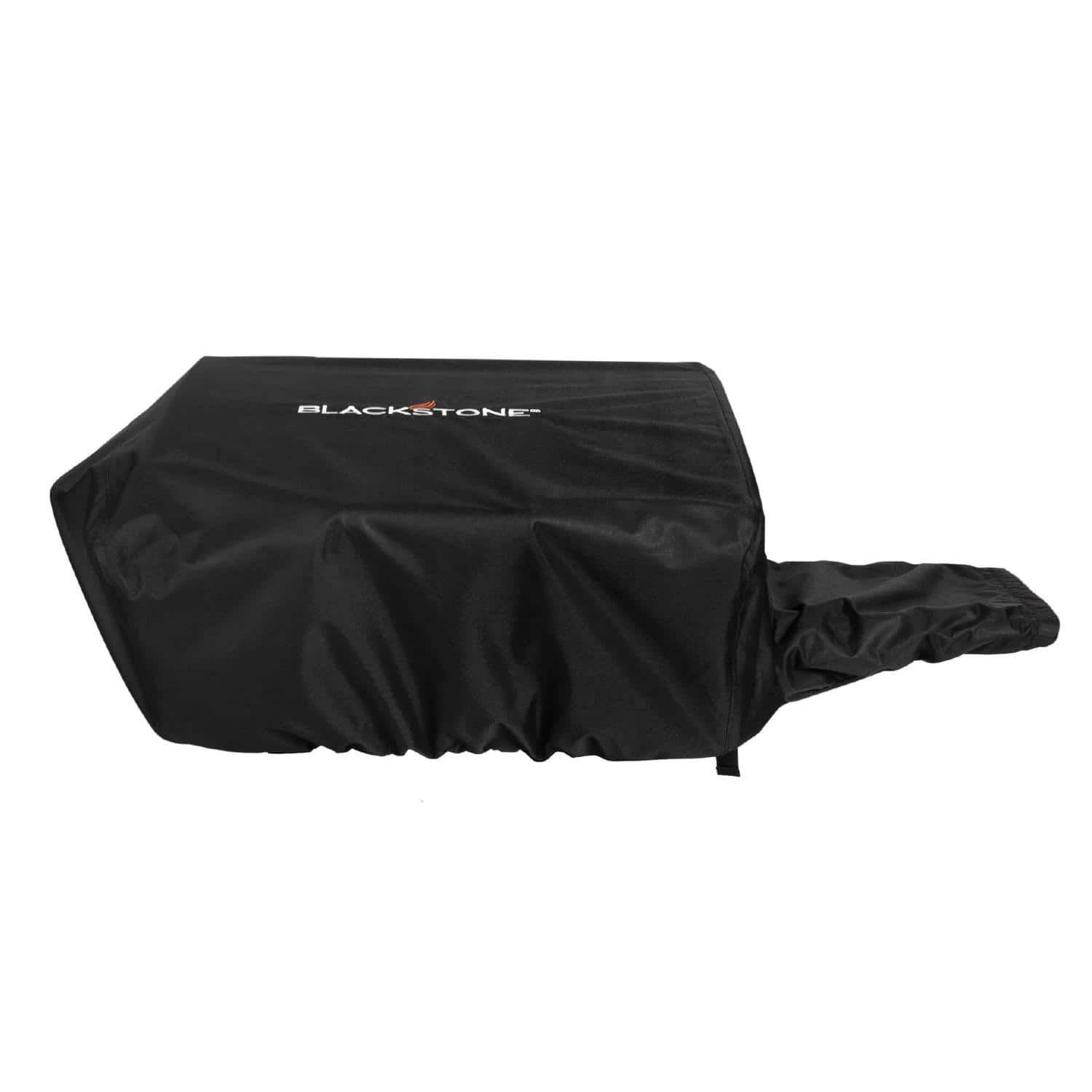
Blackstone - Black Griddle Cover
SKU: JXTRGHYRW3See all Grill CoversProduct Description
A durable black polyester cover that shields your griddle from weather and secures it during transport.Your price for this item is $47.09Save $2The previous price was $49.99 -
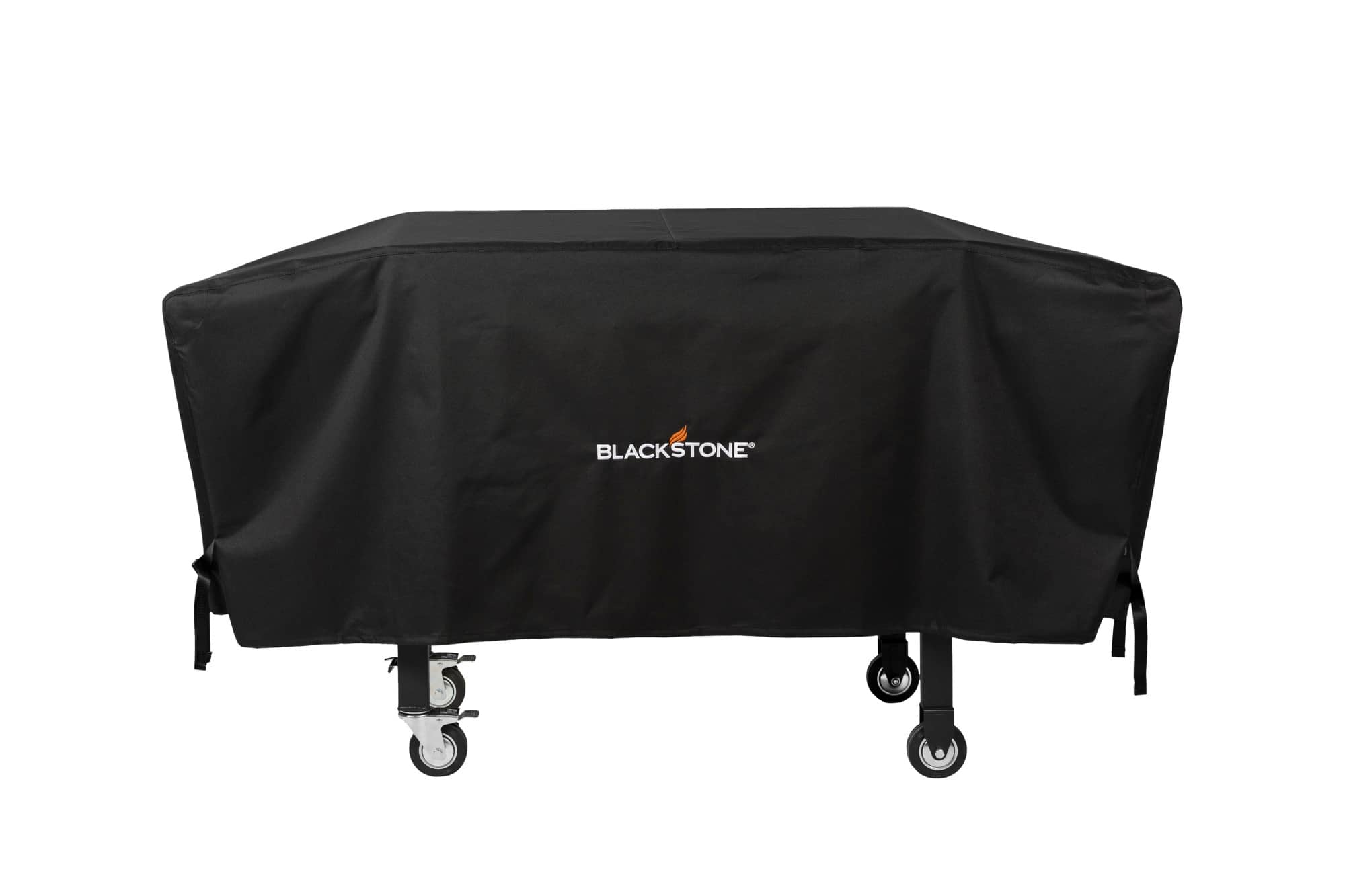
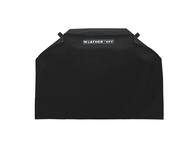
Blackstone - Water-resistant 36 In. Large Griddle Cover - Fits Many 36 In. Models - Black
SKU: JXTRGHQK93Great quality cover! Love the look on the back porch...Perfect fit and great protection...Love this grill cover!...Great quality, perfect fit and love how well it protects the flat top along with the...
See all Grill CoversProduct Description
A durable, water-resistant black polyester cover that protects your griddle from the elements day and night.Your price for this item is $55.05Save $0The previous price was $55.71 -
Polyester Griddle Cover 36 in. W For Blackstone
SKU: JXTRGHY3JQI love my 36 in grill and now I got my 36 in. Grill cover which I love now....Blackstone has the best griddle out there the top covers works great...Blackstone has the best products...The best cook top...
See all Grill CoversProduct Description
A durable black polyester and steel cover designed to protect 36-inch griddles from the elements.Your price for this item is $115.32
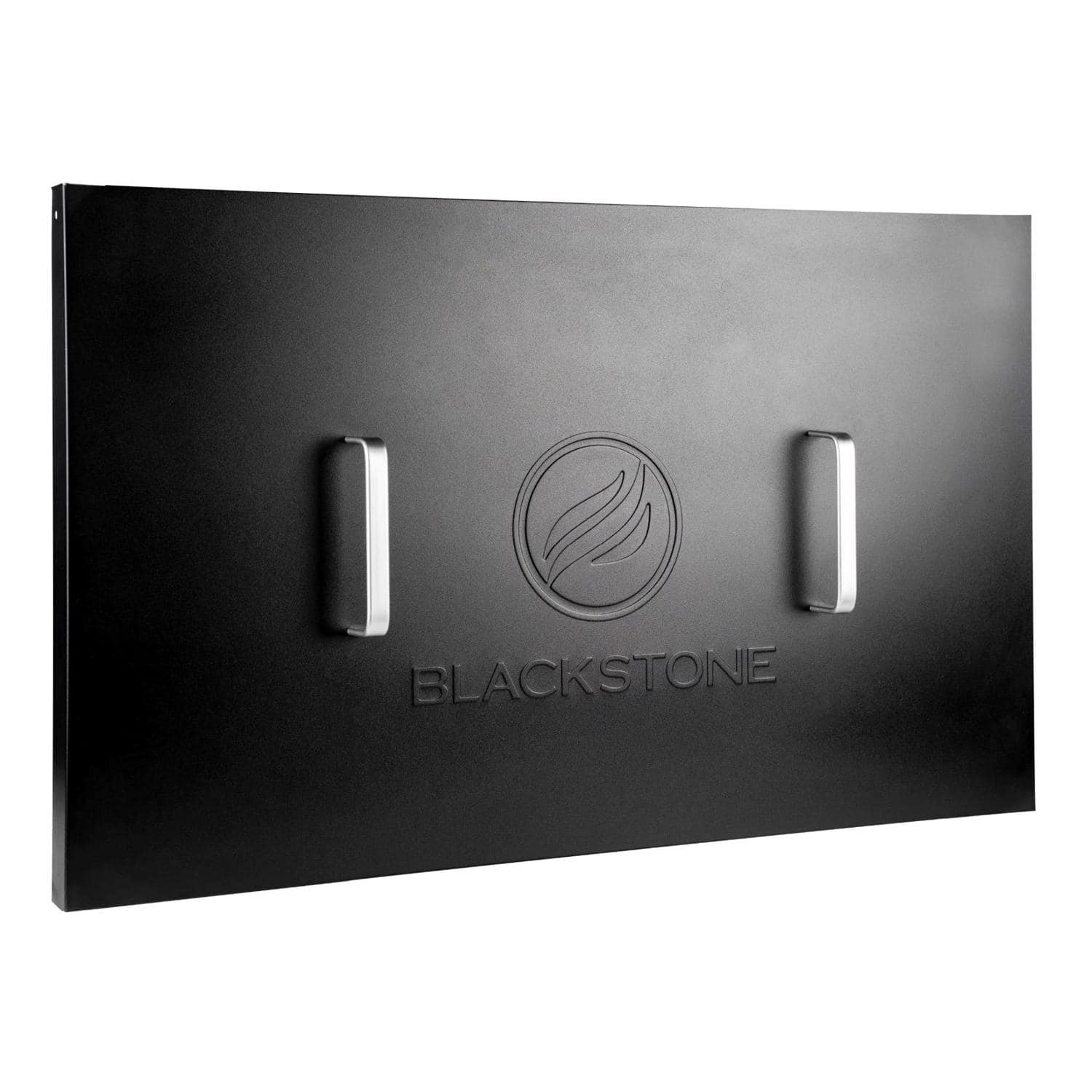
Best Sellers




Related Pages


FAQ
A griddle lid sits over the cooking surface, while an outdoor griddle cover goes over the exterior of the griddle. They are separate accessories, so check your griddle’s documentation to understand how each is intended to be used.
Follow the manufacturer’s care instructions for cleaning methods and approved cleaners. For routine upkeep, remove loose debris and wipe away dirt as directed. Let the cover dry completely before folding it for storage.
Keep the cover clean and dry, then fold or roll it according to its care instructions. Store it in a designated spot, such as a patio storage cabinet, so it is easy to find when you need it.
Review the care requirements, closure design, removal handles, and storage instructions listed in each cover’s description. These details can help you choose a cover that suits your outdoor cooking routine.
Use your patio furniture, grill accessories, and outdoor storage pieces as a starting point. Compare the cover’s listed color and design with your existing palette, choosing a coordinated look or a contrasting accent based on your style.