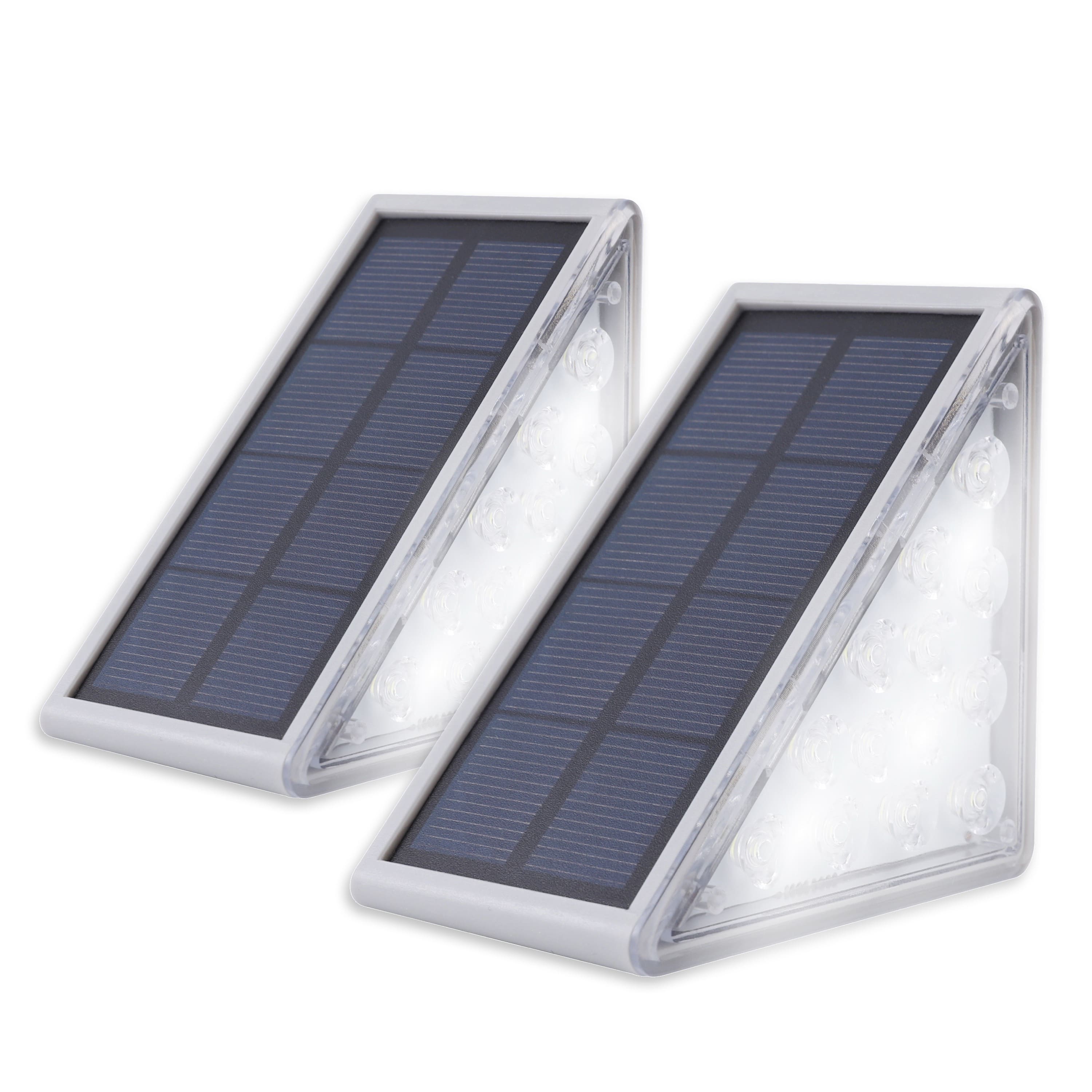
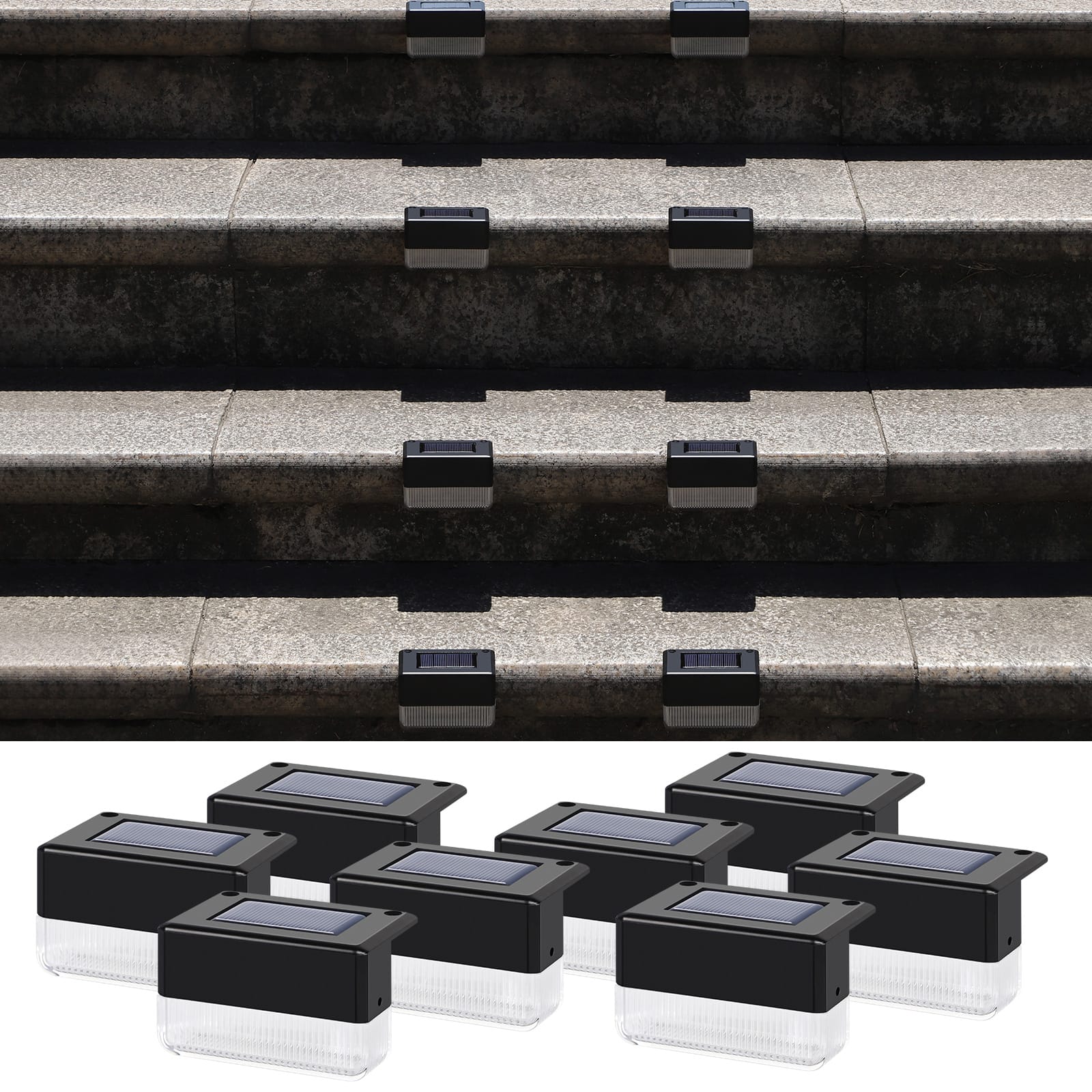
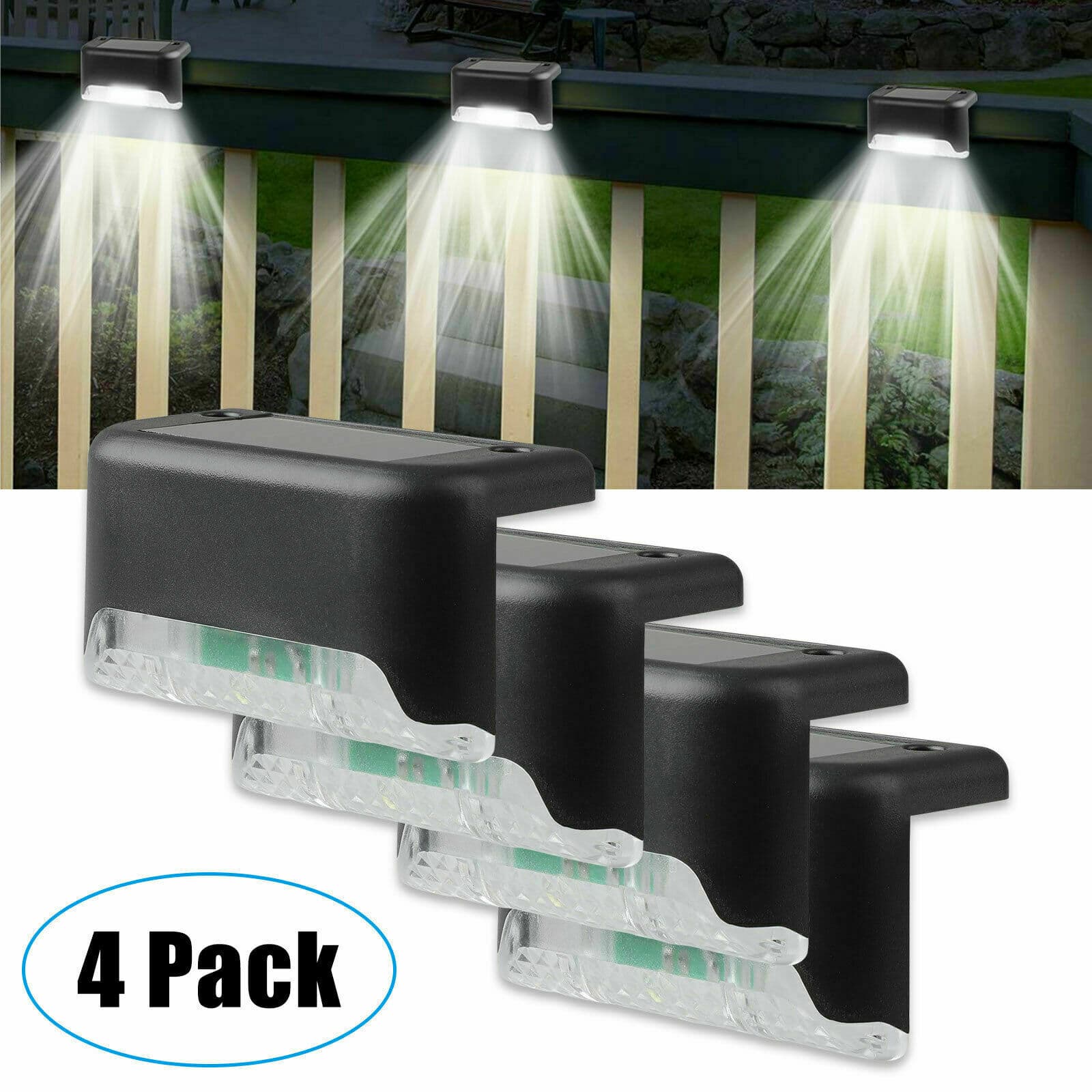
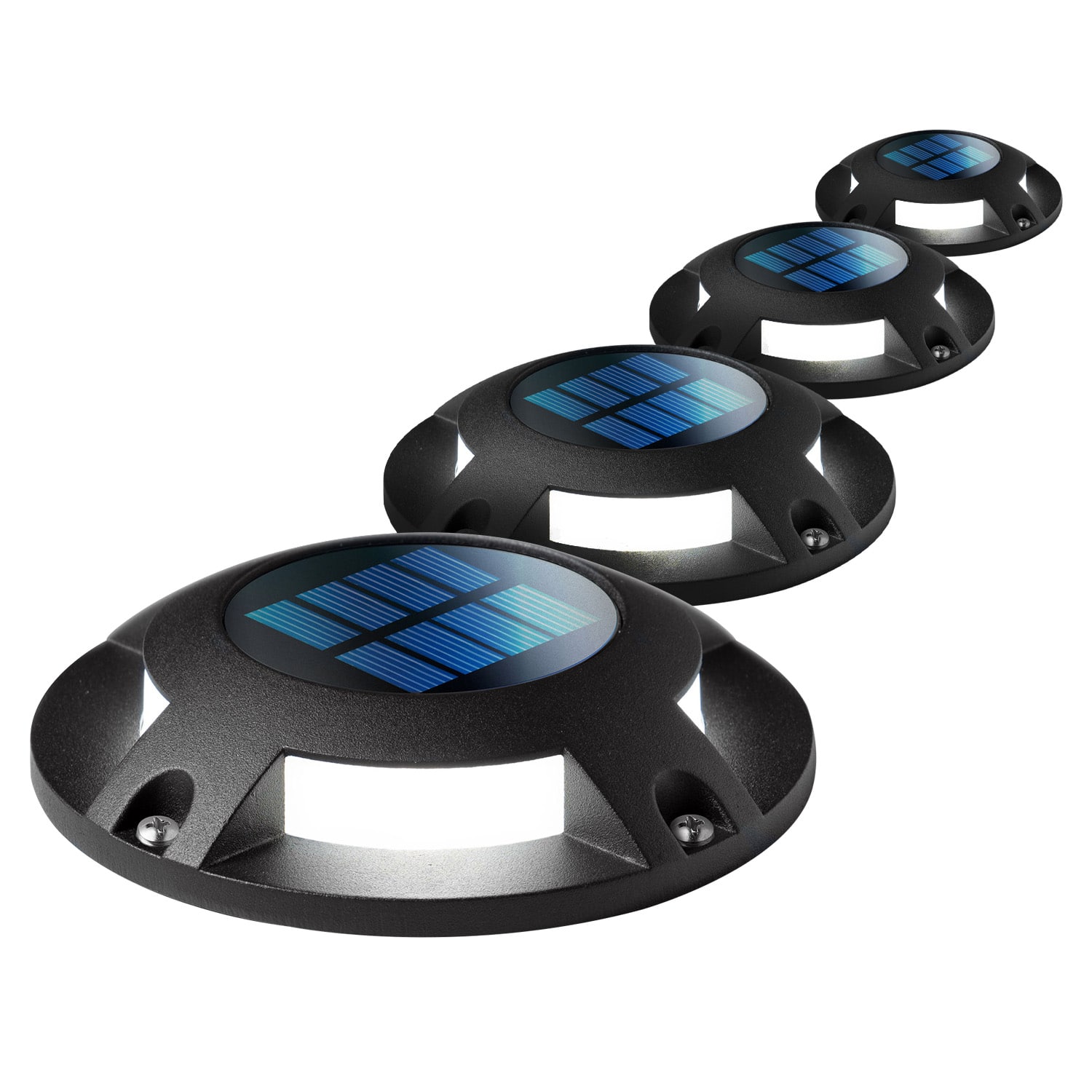
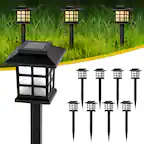
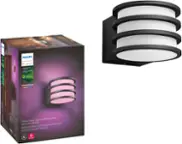
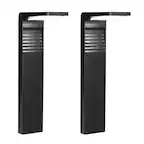
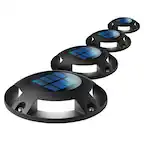
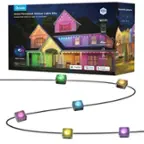
Outdoor step lights illuminate stair treads, risers, and changes in elevation, helping make outdoor stairs easier to see and navigate after dark. Their focused light defines the walking surface without requiring a bright overhead fixture, making them useful along front entry steps, deck stairs, patio transitions, and pathways with short flights of stairs. A subtle wash of light across each tread can help someone carrying groceries recognize the next step or give guests a clearer view of an unfamiliar entrance. Unlike lighting meant primarily to highlight landscaping, step lighting is positioned around the surfaces where feet land. Recessed fixtures sit within a riser or adjacent wall for a relatively unobtrusive appearance, while surface-mounted designs attach over the finished surface and may require less space behind it. Under-cap and under-rail lighting can create a concealed glow when the surrounding construction provides a suitable mounting location. The shape of the light beam matters as much as the fixture’s appearance: downward-facing or shielded designs help direct illumination toward the stairs rather than into the eyes of someone approaching from below. Even coverage makes adjacent steps easier to distinguish, while strong pools of light separated by deep shadows can make the staircase harder to read. Brightness, mounting height, tread depth, and the color of the surrounding surfaces all influence that effect. Pale concrete reflects light differently from dark wood or composite decking, so the same light output can look noticeably different from one setting to another. Outdoor stair lights can also complement the character of the entrance, with streamlined profiles blending into contemporary architecture and more visible housings adding definition to traditional railings or masonry. For households with frequent visitors, children, or anyone who appreciates clearly defined footing, the appeal is practical as well as decorative. Step lighting supplements careful stair design and maintenance; it does not replace secure handrails, sound treads, or clear walking surfaces.
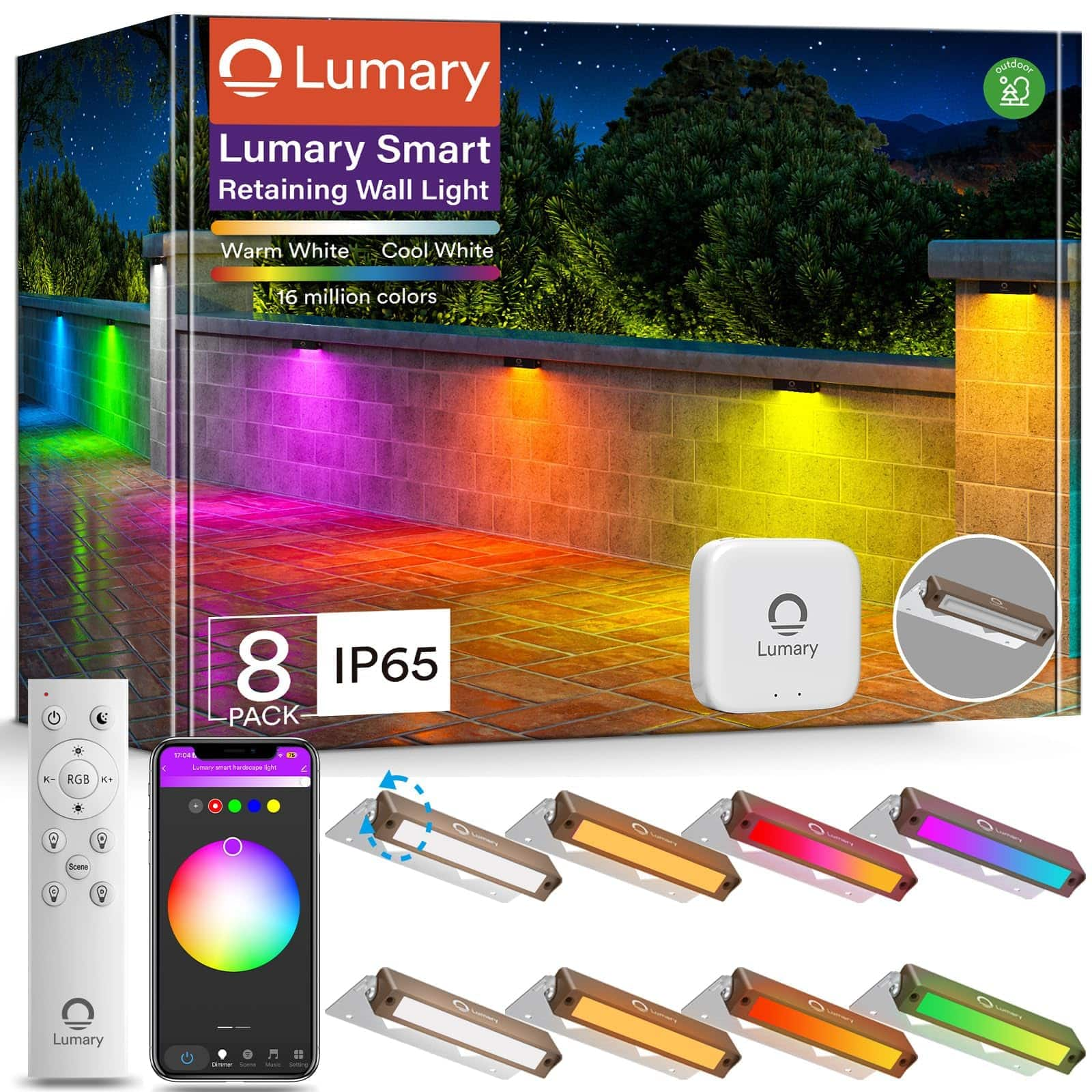
Power source and fixture dimensions help determine how outdoor step lighting fits into an existing space. Solar-powered step lights avoid a wired connection to household power, but their performance depends on the panel’s exposure to direct sunlight, battery condition, and operating settings. A shaded stairway beneath a deep roof overhang may not provide enough sunlight for consistent charging, even when the surrounding yard looks bright. Some designs separate the solar panel from the light, allowing more flexibility in where each component sits. Low-voltage step lighting uses a compatible transformer and wiring to supply power, making it a consideration for stairways near an existing landscape lighting system. Transformer capacity, cable length, and the electrical requirements of every connected fixture affect compatibility and performance. Line-voltage lighting connects to household electrical power and may require installation by a qualified electrician, depending on the fixture and local requirements. Battery-powered designs offer another approach where wiring is impractical, with battery access and replacement needs becoming part of routine upkeep. Across these categories, LED lighting is common because it can provide focused illumination with relatively low energy use, although replaceable bulbs and integrated LED assemblies have different maintenance implications. Controls also shape everyday use. Dusk-to-dawn operation provides light after darkness falls, timers establish a defined operating schedule, and motion sensing activates illumination when movement is detected within the sensor’s range. Smart controls may add scheduling or remote operation, but outdoor wireless coverage and system compatibility still matter. Color temperature affects the atmosphere: warm white light often complements residential entrances, while a more neutral white can create a crisper appearance. Consistent color temperature across neighboring fixtures helps the staircase look cohesive. Physical measurements deserve equal attention, including the faceplate dimensions, projection from the mounting surface, and recess depth. A fixture that extends too far into a narrow passage can be awkward, while a recessed design needs adequate space behind the finished surface and a mounting arrangement suited to the stair or wall material.
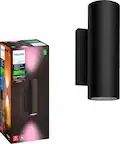
Materials and construction influence how well outdoor step lights hold up in their intended location. Aluminum, stainless steel, brass, and durable plastics are common housing materials, with different finishes and protective treatments affecting resistance to corrosion and surface wear. Material names alone do not establish suitability; the fixture’s outdoor-use rating, installation requirements, and manufacturer’s care guidance provide more useful context. A location exposed directly to water calls for a fixture rated for that exposure, and a sheltered installation still needs lighting approved for its actual surroundings. Coastal properties may place additional demands on finishes because of salt exposure. Lenses, gaskets, mounting hardware, and sealed electrical connections also contribute to durability, especially around stairs that receive regular foot traffic or frequent cleaning. Secure mounting is important on every surface, whether the light attaches to wood, composite material, concrete, or masonry, and the appropriate fasteners depend on both the fixture and the underlying structure. Accessible housings can make battery changes or permitted component replacement simpler, while integrated designs may require replacement of the complete assembly when the light source reaches the end of its service life. Routine care generally includes removing leaves and debris, gently cleaning lenses so light remains unobstructed, and checking that fixtures remain firmly attached. Solar panels also benefit from a clean, unshaded surface. Cleaning methods should follow the manufacturer’s directions, since abrasive cleaners and high-pressure spraying can damage finishes or seals. Step lighting works best as part of a coordinated outdoor lighting plan rather than as a substitute for every other light source. Nearby Outdoor Accent Lights can highlight plantings, textured walls, or architectural details while the stair fixtures keep attention on changes in elevation. Matching or complementary finishes can tie those areas together without making every fixture identical. The result is an entrance, deck, or patio that feels visually connected, with focused illumination where people walk and a softer layer of light around the spaces where they gather.