Polarizing Filter 52mm
-
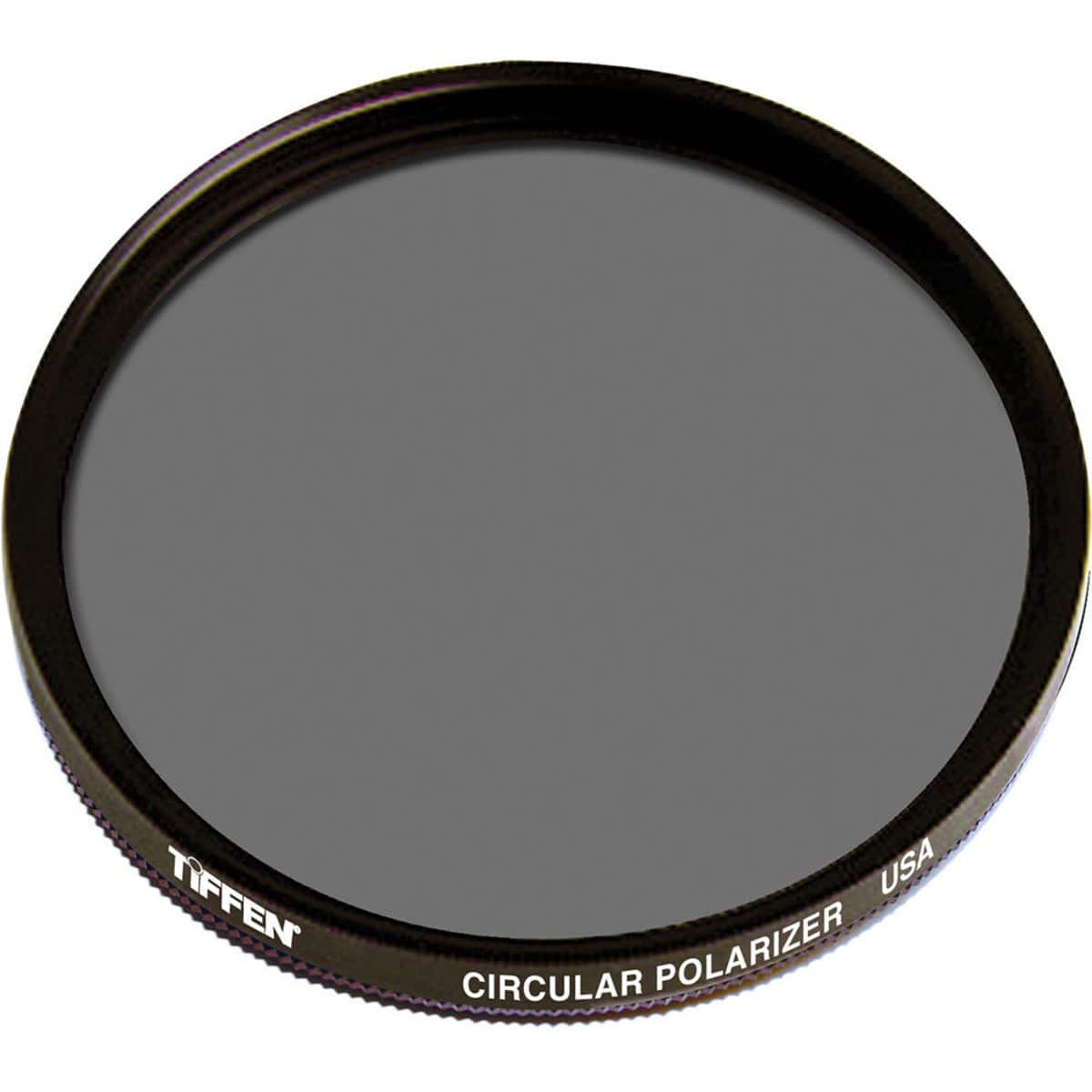
Tiffen - 52mm Circular Polarizer Glass Filter
SKU: J7LC8Z6ZCZSee all Lens FiltersProduct Description
A circular glass filter that enhances color, contrast, and reduces reflections for vibrant outdoor photography.Your price for this item is $26.26 -
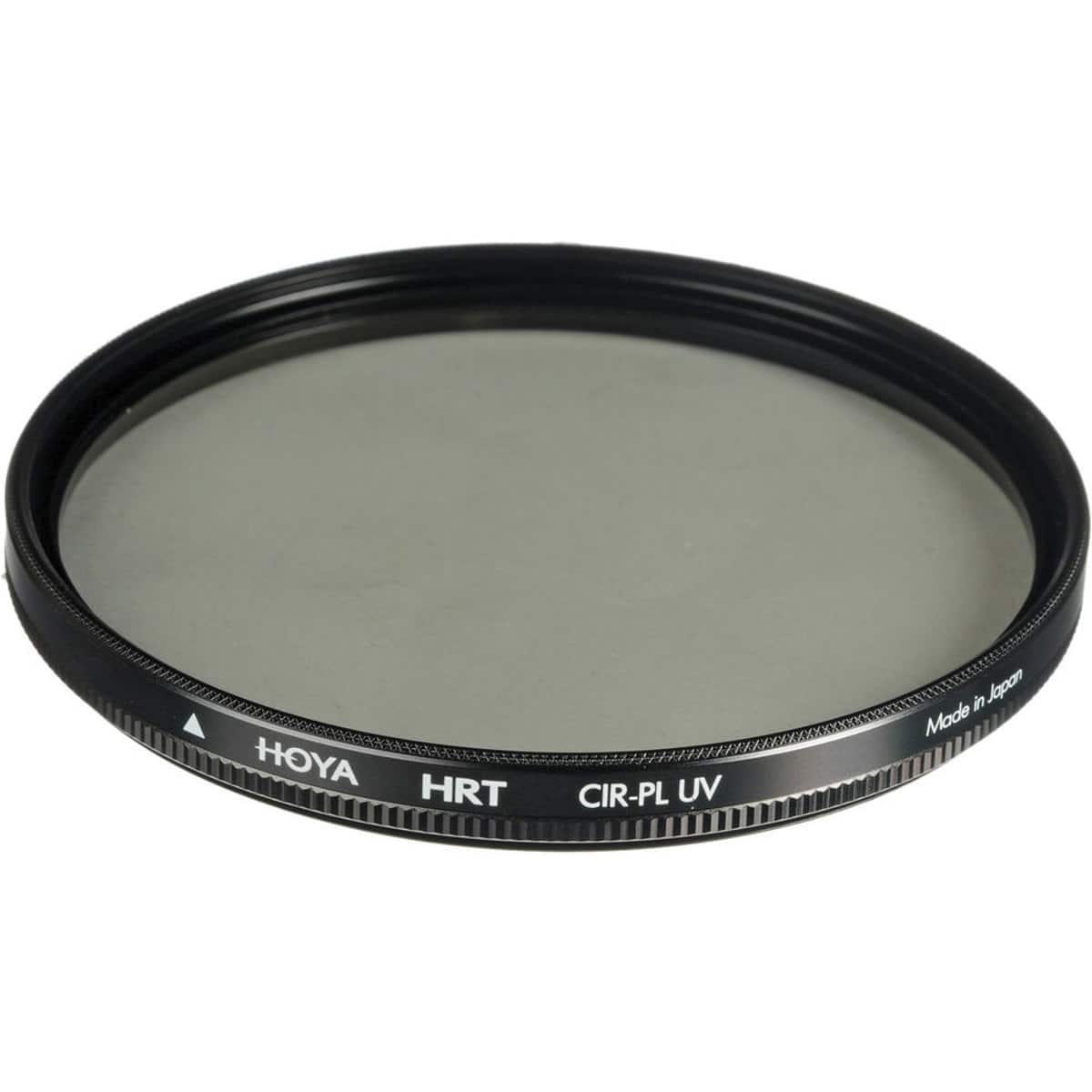
Hoya - 52mm HRT Circular Polarizer Glass Filter
SKU: J72FRYCGQRSee all Lens FiltersProduct Description
A circular polarizer glass filter that reduces glare, boosts color saturation, and absorbs UV for clearer photos.Your price for this item is $42.90 -
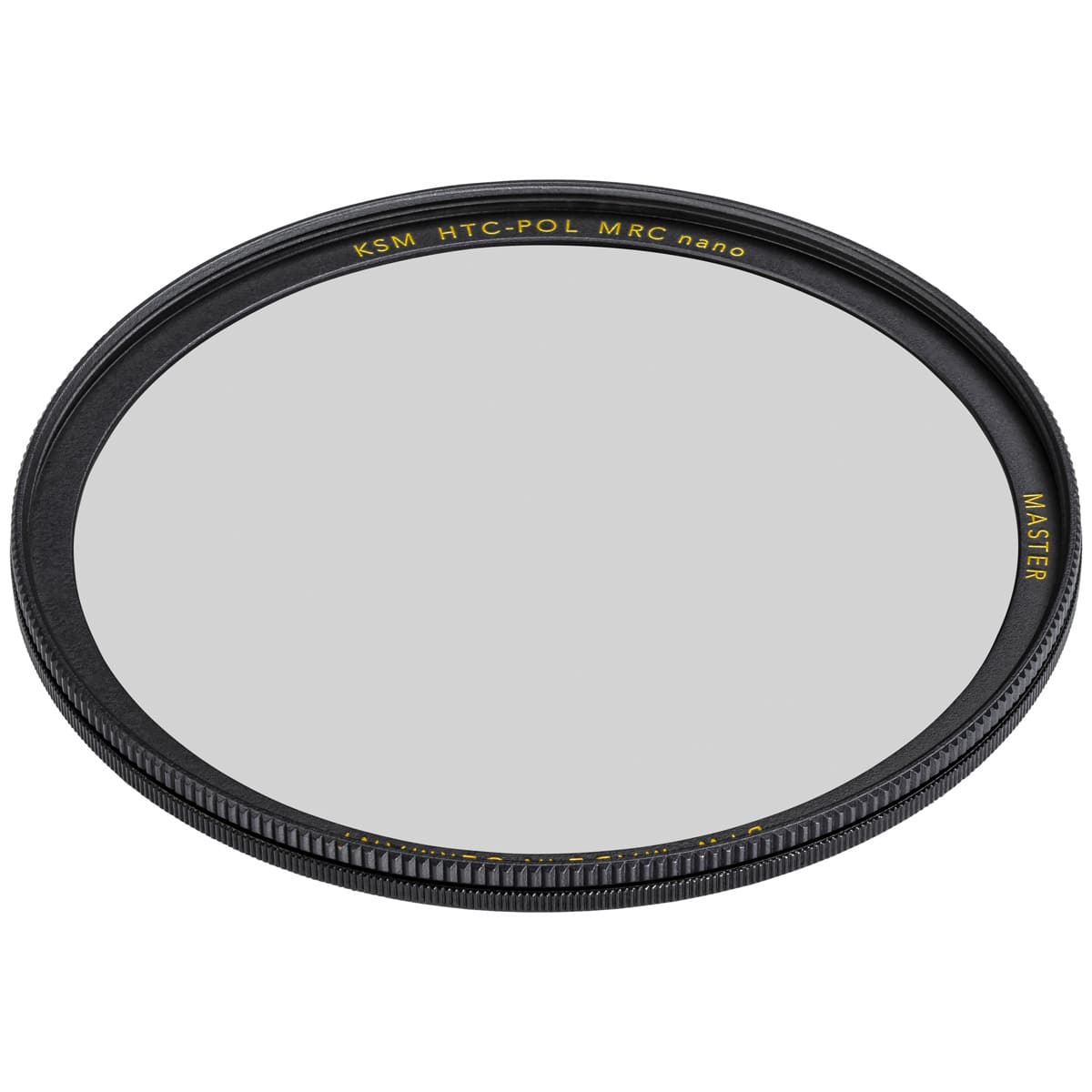
B + W - 52mm Master High Transmission Circular Polarizer MRC Nano Filter
SKU: CJGY2Y6246See all Lens FiltersProduct Description
A circular polarizer filter that enhances color saturation and reduces reflections for vivid, glare-free photos.Your price for this item is $98.83 -
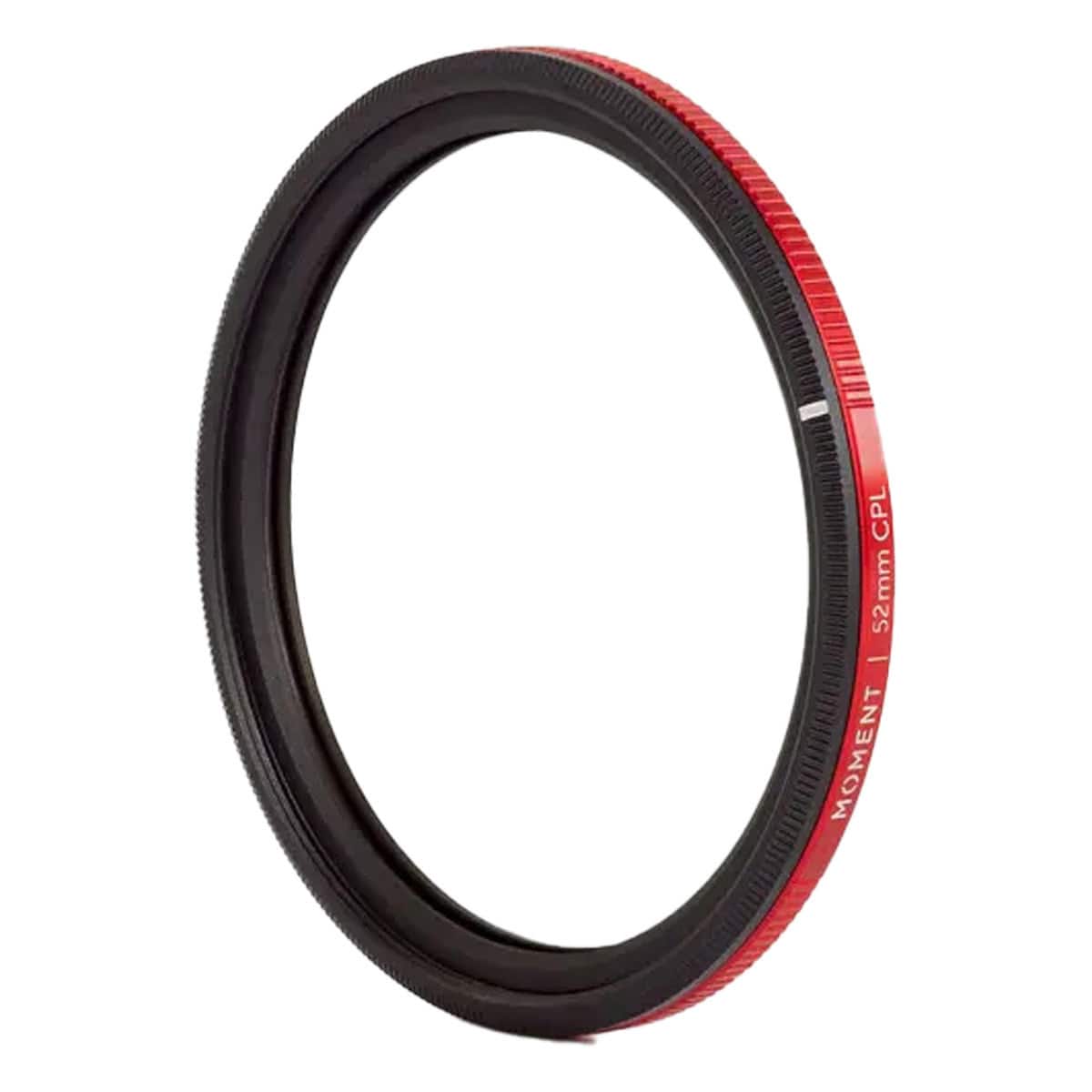
Moment - 52mm AntiGlare Circular Polarizing Filter
SKU: J3GTK92TXTSee all Lens FiltersProduct Description
A multi-coated circular polarizing filter with fused-silica glass and aerospace-grade metal frame reduces glare and reflections.Your price for this item is $70.00 -
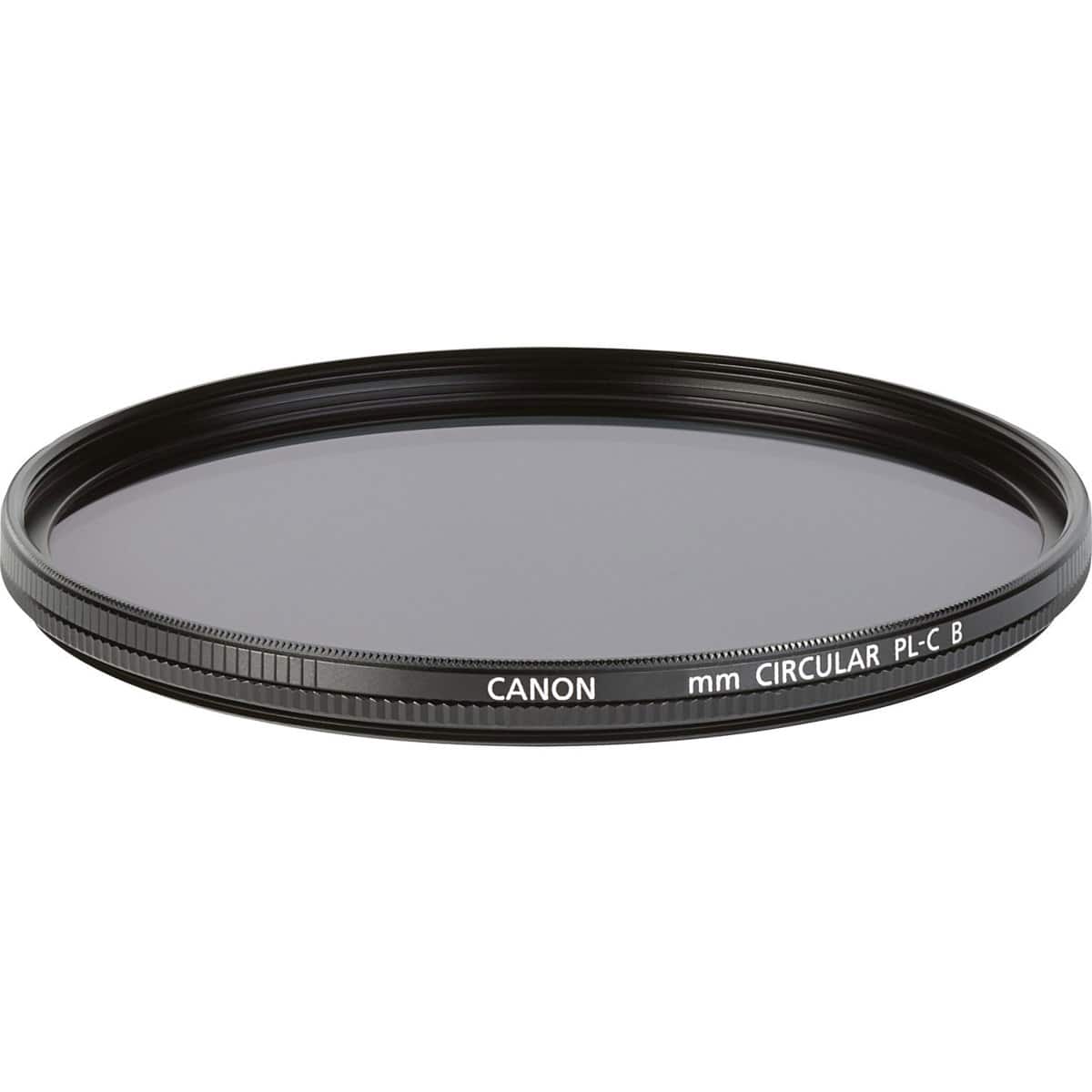
Canon - PL-CB 52mm Circular Polarizer Glass Filter
SKU: J7C86P53LYSee all Lens FiltersProduct Description
A circular polarizer glass filter that reduces glare and enhances color saturation for vivid outdoor photography.Your price for this item is $124.95 -
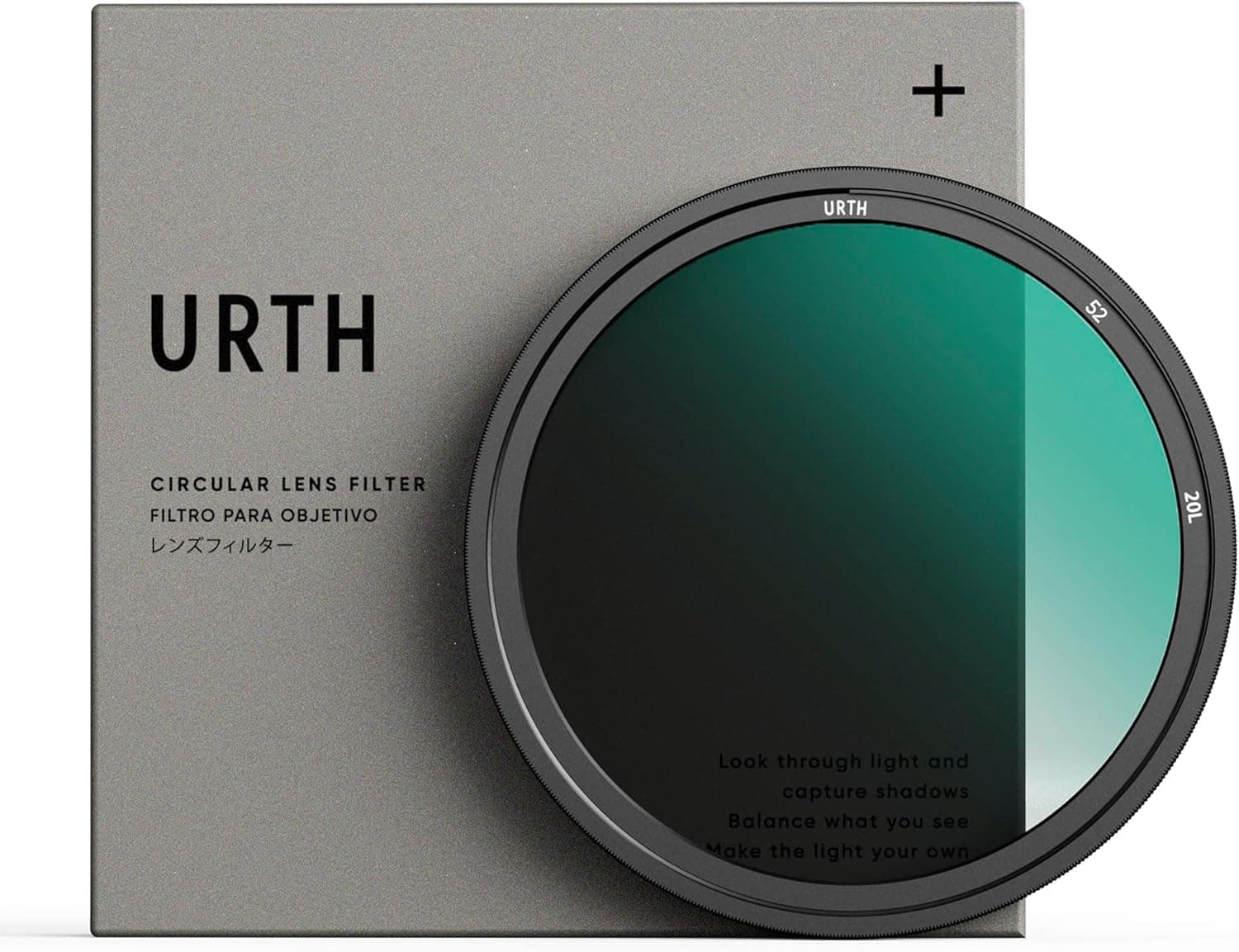
Urth - 52mm Circular Polarizing (CPL) Lens Filter Plus+
SKU: BSGTPZ68VPSee all Lens FiltersProduct Description
A circular polarizing filter that eliminates 99.9% of polarized light for clearer, reflection-free photos.Your price for this item is $79.00 -
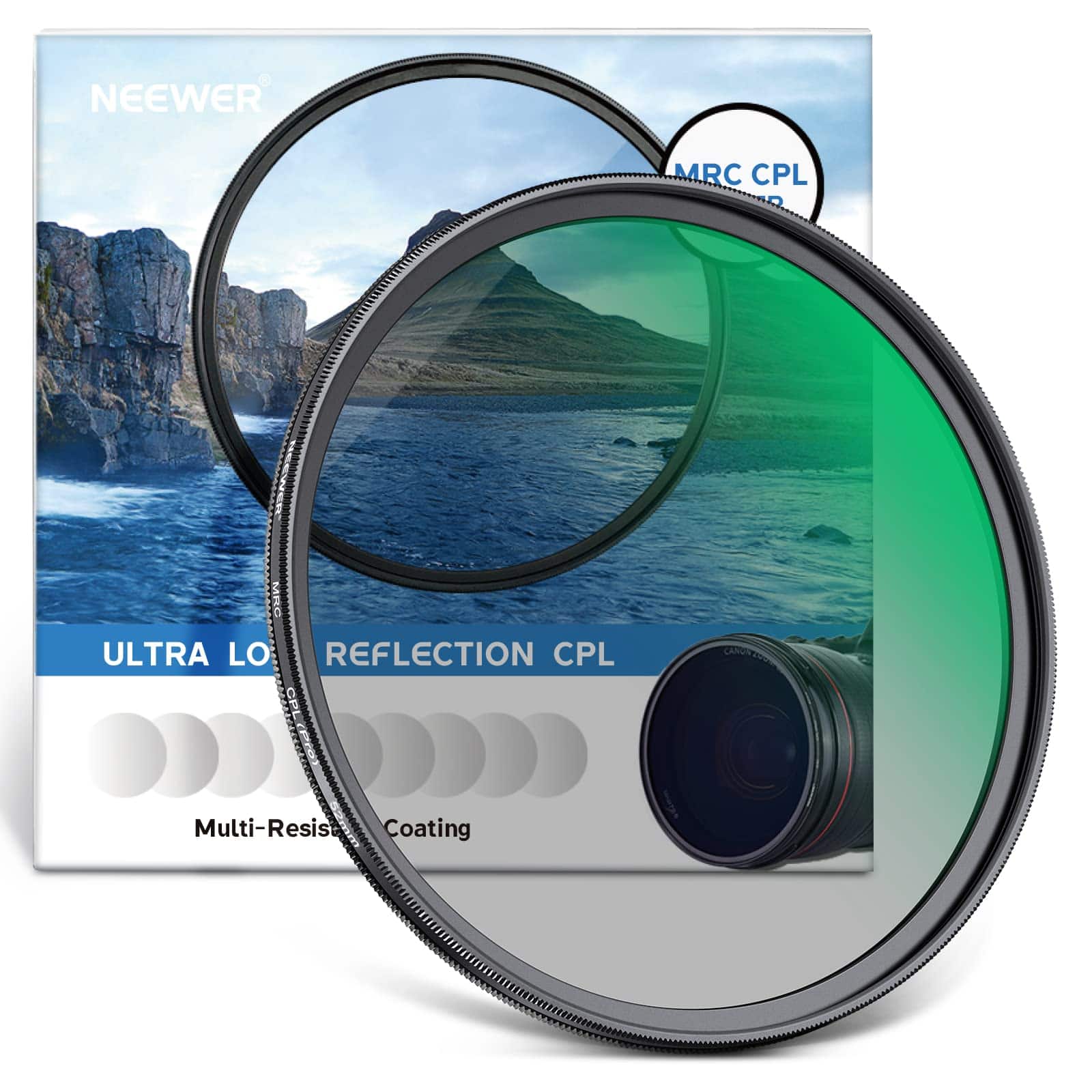
Neewer - 52mm CPL Circular Polarizing Filter, 30-Layer Nano Coat, Ultra Slim, HD Glass
SKU: CZWCCR9G6YSee all Lens FiltersProduct Description
An ultra-slim black circular polarizing filter with 30-layer nano coating that reduces glare and enhances contrast.Your price for this item is $26.99Save $6The previous price was $32.99 -
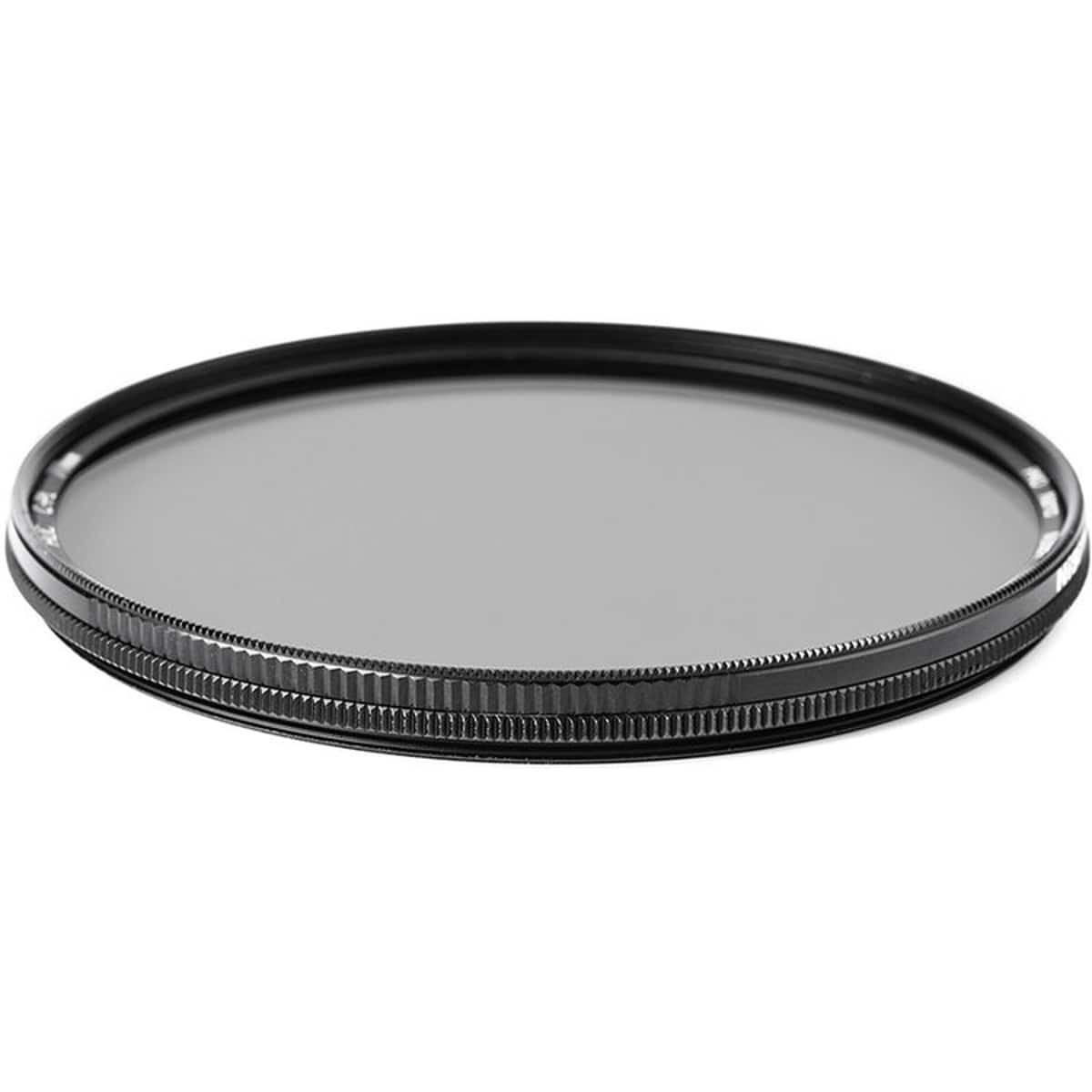
NiSi - 52mm PRO Circular Polarizer Filter
SKU: CGCLGPSFYTSee all Lens FiltersProduct Description
A multi-coated circular polarizer filter that reduces glare and enhances color saturation for 52mm camera lenses.Your price for this item is $59.00 -
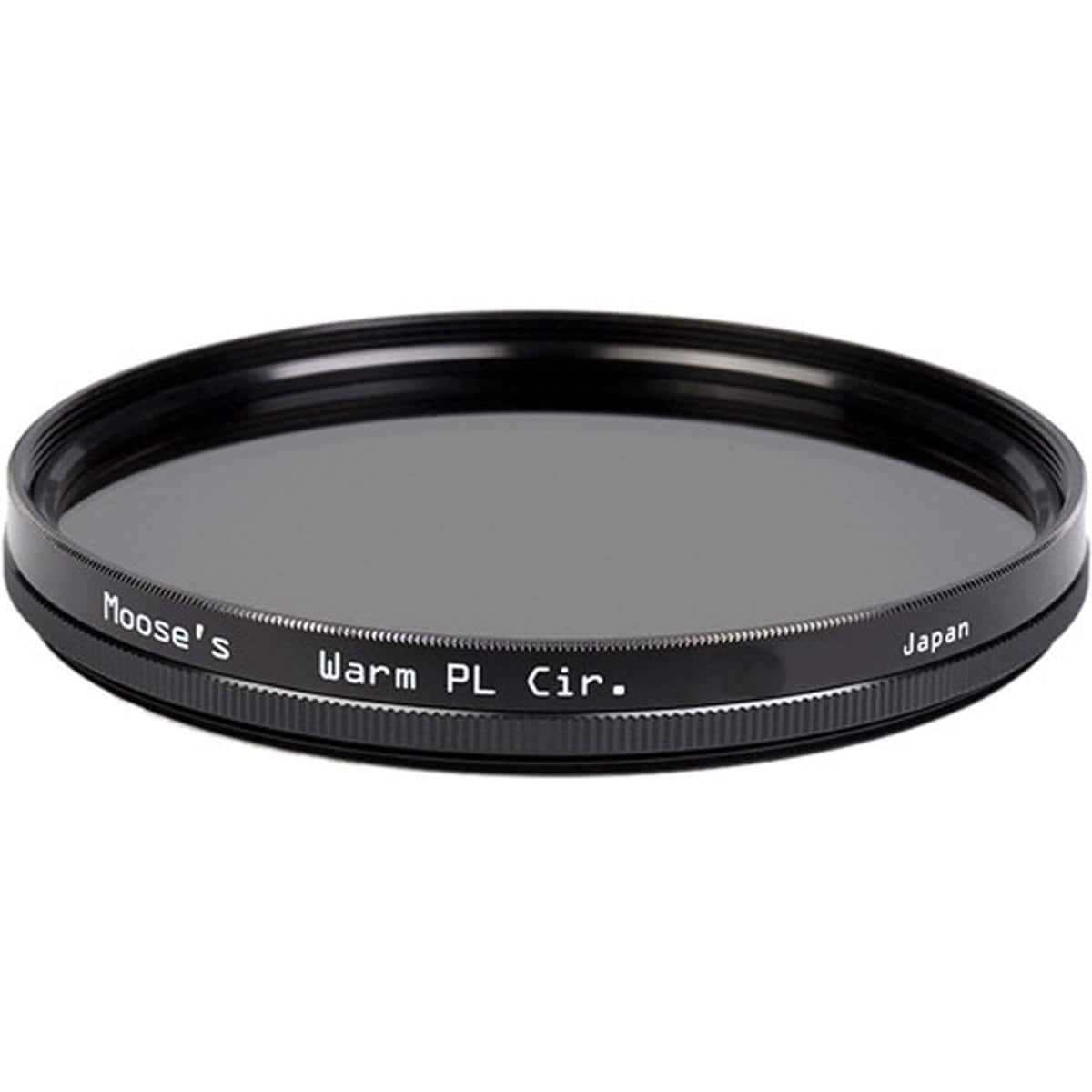
Hoya - 52mm Warm Circular Polarizer Glass Filter
SKU: J73PZCCJJHSee all Lens FiltersProduct Description
A brown circular polarizer glass filter that reduces reflections and adds warm color balance for vivid photos.Your price for this item is $65.90 -
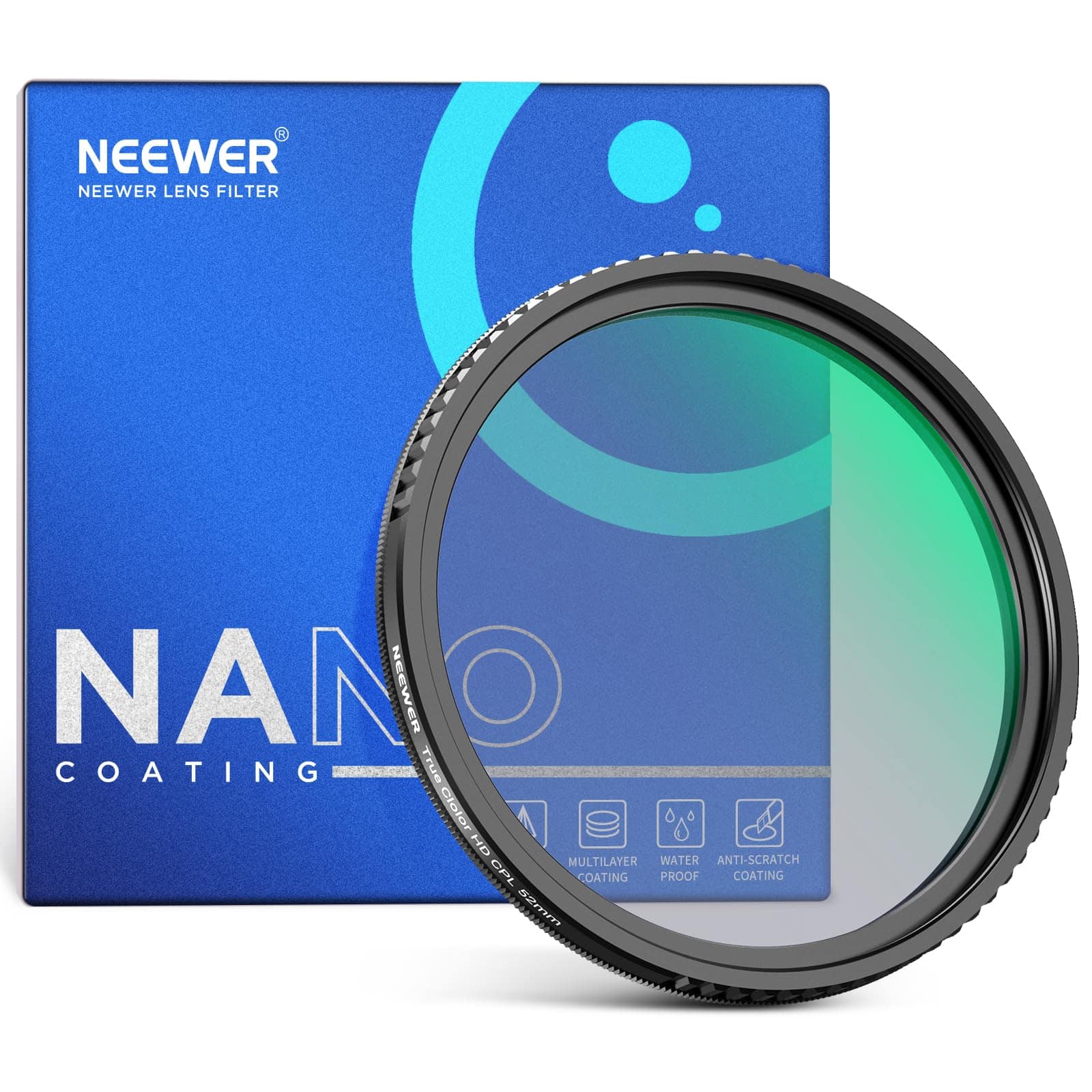
Neewer - 52mm True Colors CPL Filter, Hard Stop, Adjustable, Slim Multi-Coated HD Glass
SKU: CZLV9F39WPSee all Lens FiltersProduct Description
A slim, multicoated HD glass circular polarizer with adjustable hard stop for color and glare reduction.Your price for this item is $26.99
Best Sellers



Related Pages


FAQ
A polarizing filter helps reduce reflections and glare from non-metallic surfaces like water and glass. It also enhances color saturation and contrast, making skies appear deeper blue and foliage more vibrant in your photos.
Yes, a polarizing filter can be used with both digital and film cameras as long as the lens has a compatible filter thread. It works equally well with both types of cameras to improve image quality.
To attach a polarizing filter, simply screw it onto the front of your camera lens until it's snug. Once attached, you can rotate the outer ring of the filter to adjust the polarization effect for optimal results.
Absolutely! A polarizing filter can be very beneficial for video recording, helping to reduce glare and reflections in outdoor scenes, and enhancing colors and contrast for more visually appealing footage.
Yes, using a polarizing filter can slightly reduce the amount of light entering your lens, typically by 1 to 2 stops. You may need to adjust your camera's exposure settings to compensate for this light loss.