Sleeping Bags For Winter Camping
Browse sleeping bags for winter camping and compare options by temperature rating, insulation type, fit, and packed size. Check whether listed temperature ratings indicate comfort or lower-limit conditions, keeping your expected overnight lows in mind. If you’re backpacking, also consider how much space and weight the bag will add to your pack.
Read More-
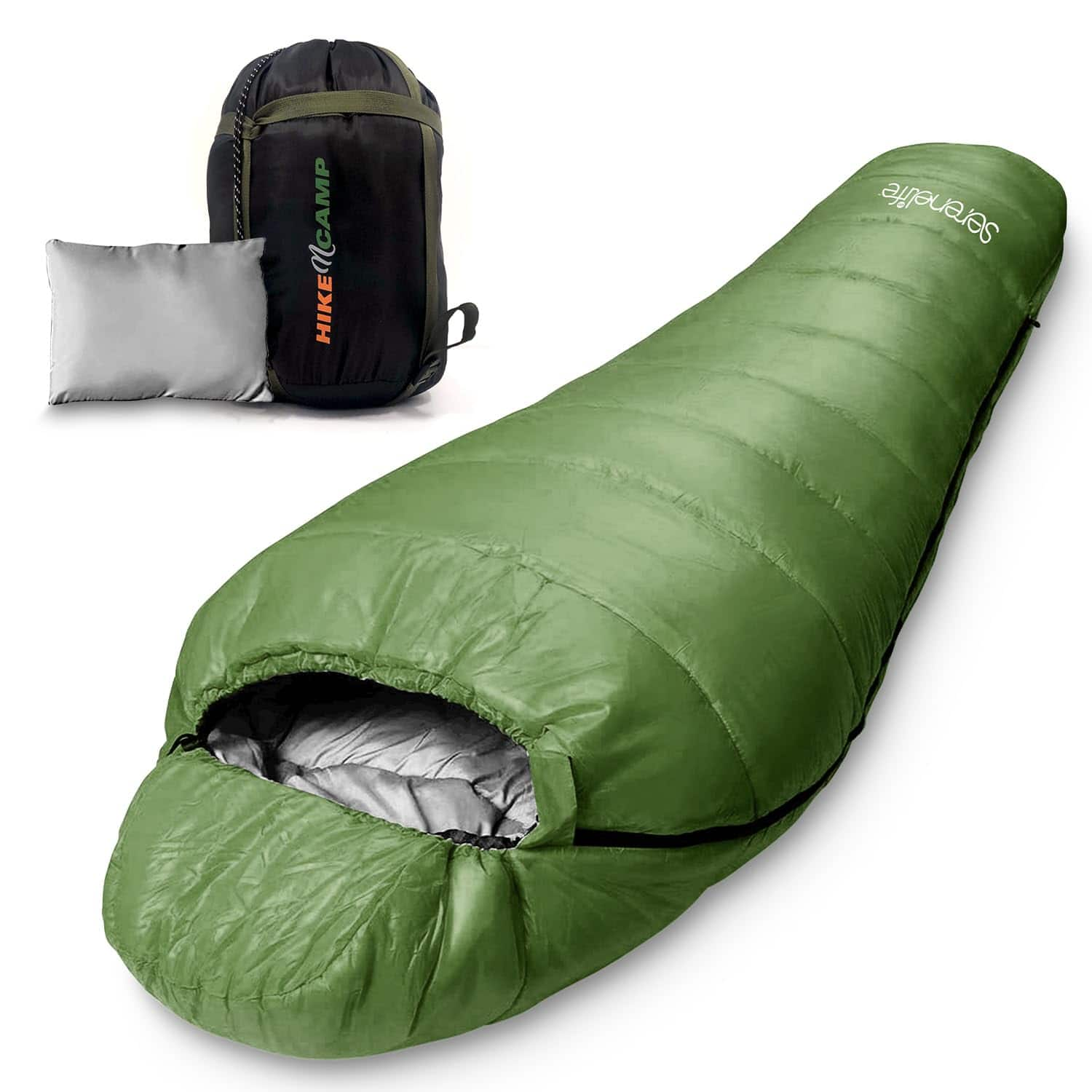
SereneLife - SLSGR5 Mummy Sleeping Bag with Travel Pillow, Waterproof Shell, for Camping & Outdoor Use - Green
SKU: J36C98PCSFSee all Sleeping BagsProduct Description
A green waterproof mummy sleeping bag with travel pillow, offering warmth and comfort for cold-weather camping.$48.99 Your price for this item is $48.99 -
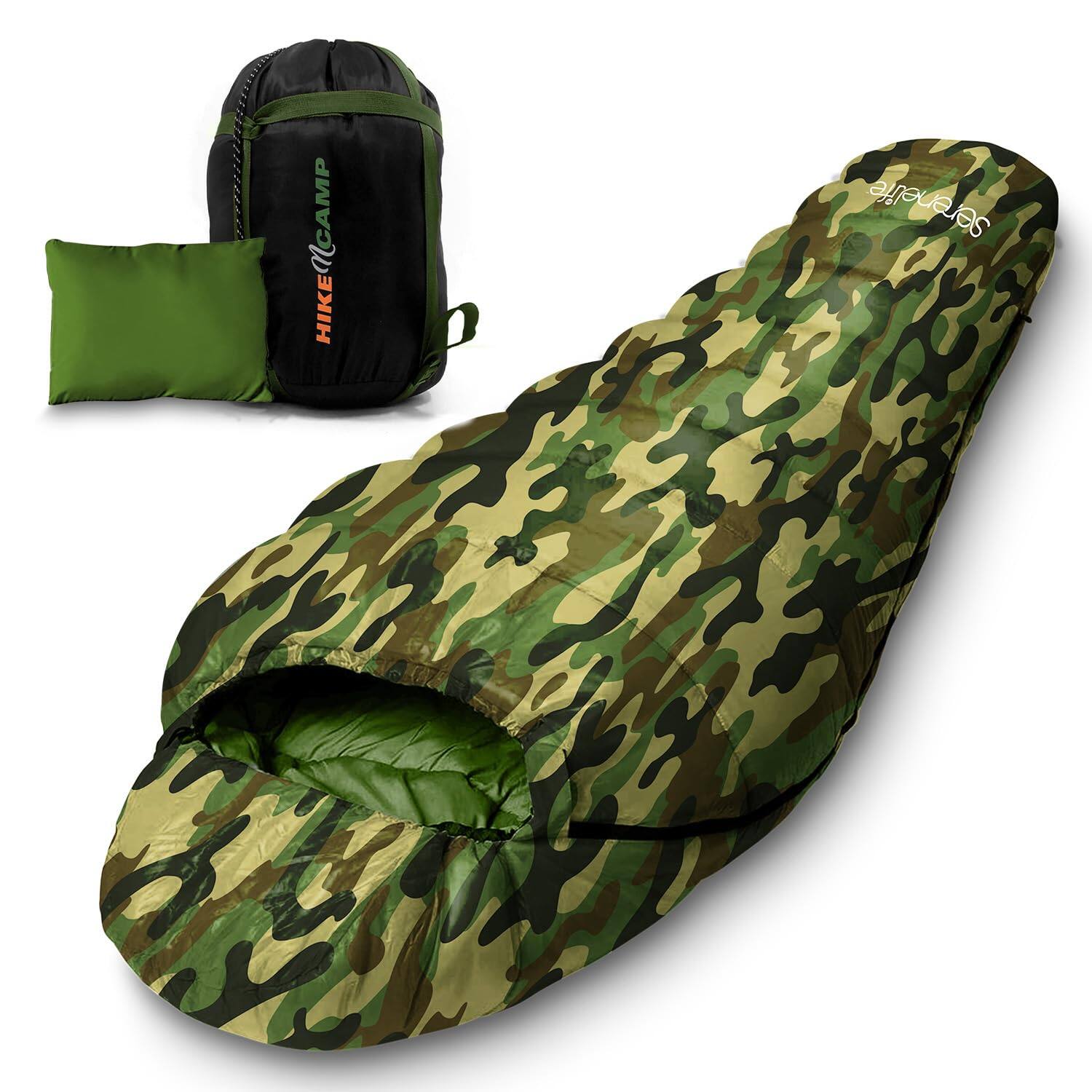
SereneLife - SLSCA5 Backpacking Sleeping Bag, Mummy Design for Adults & Teens, Outdoor Weather-Proof - Camouflage
SKU: J36C98PCS8See all Sleeping BagsProduct Description
A weather-proof camouflage mummy sleeping bag with polyester shell and hollow cotton filling for outdoor comfort.$48.99 Your price for this item is $48.99 -
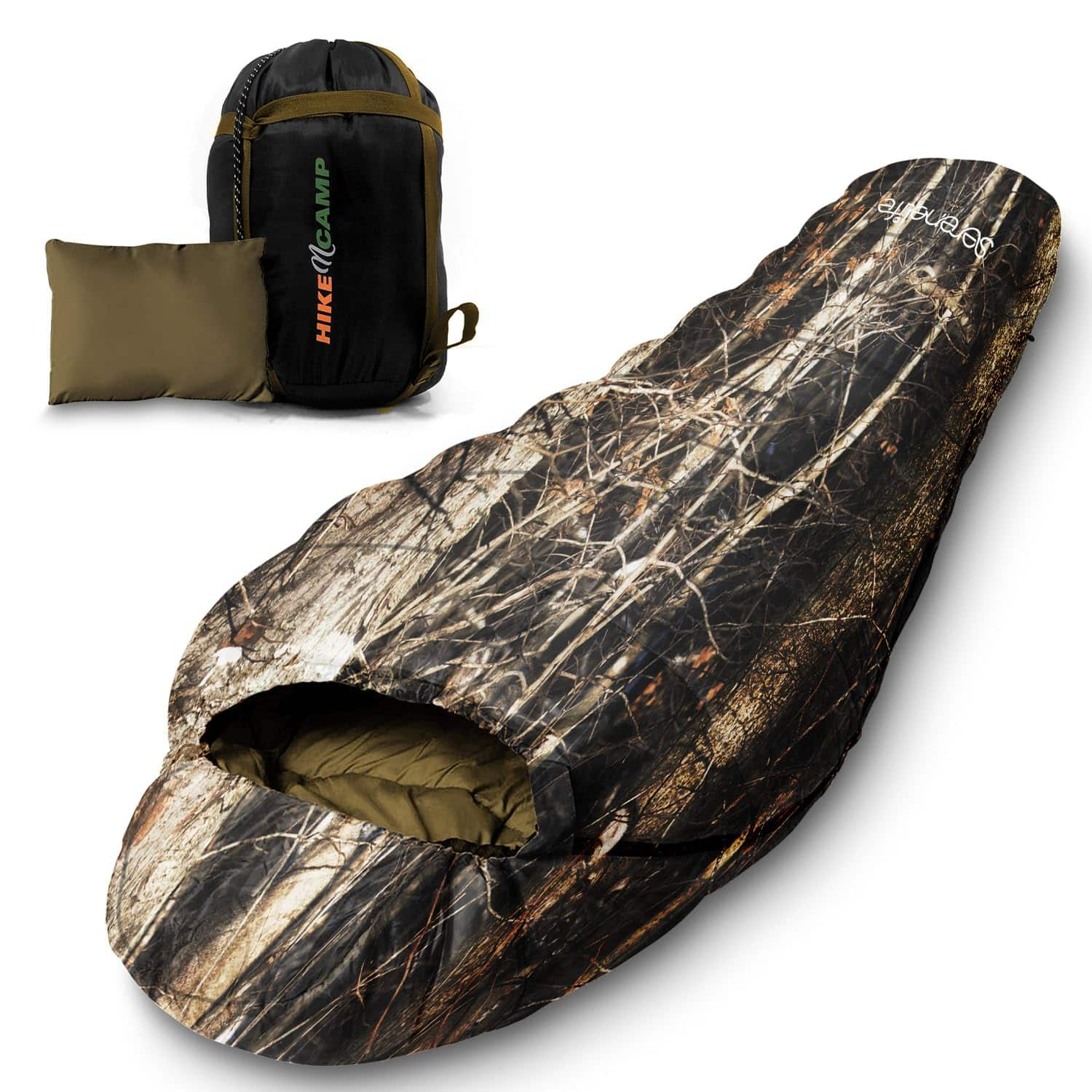
SereneLife - SLSRT5 Mummy Sleeping Bag, Lightweight, Weather-Proof with Pillow and Bag for Camping, Hiking - Real Tree
SKU: J36C98PC93See all Sleeping BagsProduct Description
A weather-proof, Real Tree-patterned mummy sleeping bag with hollow cotton filling, pillow, and compression sack.$50.99 Your price for this item is $50.99 -
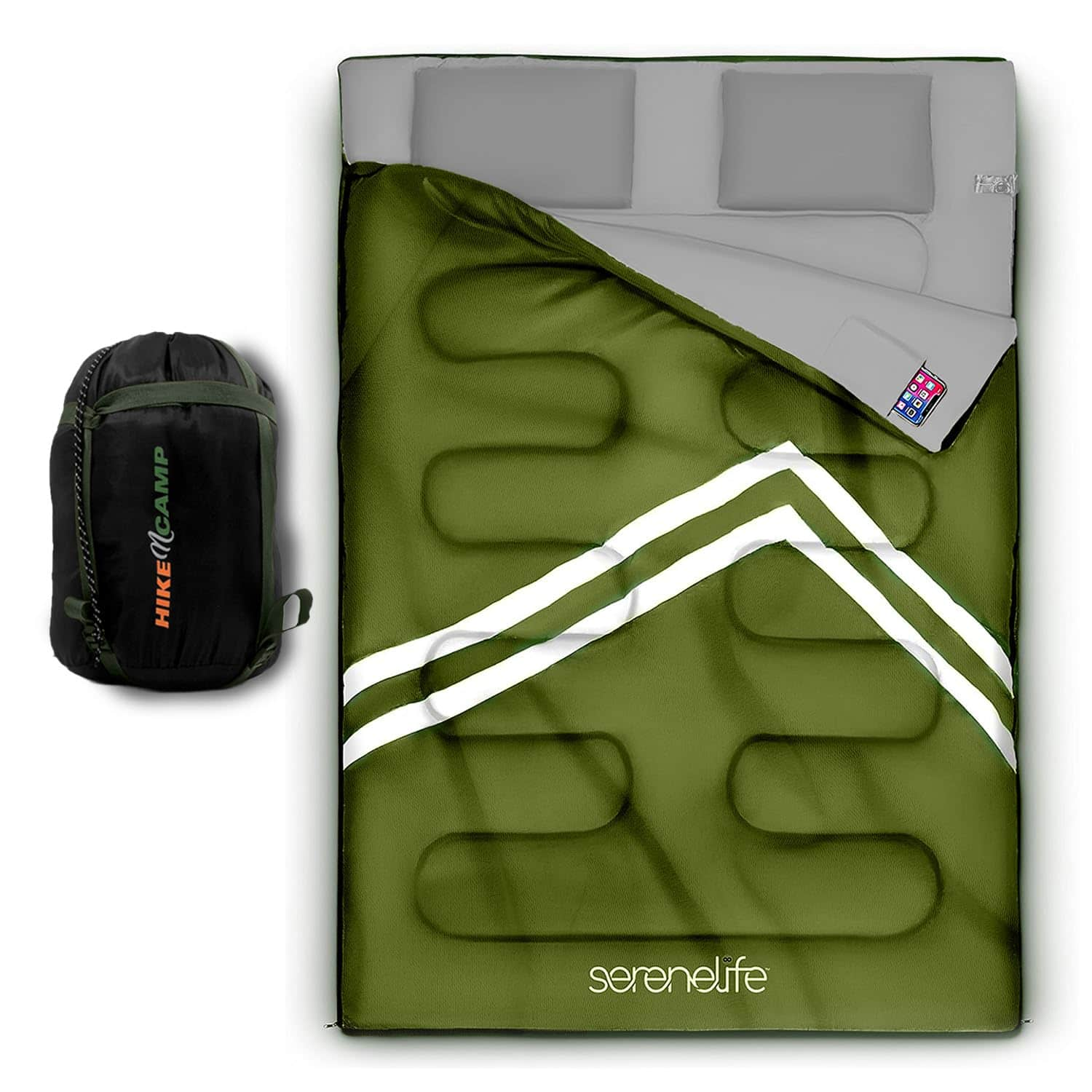
SereneLife - SLSBX9 Backpacking Sleeping Bag, Double, Weather-Proof, Lightweight, with 2 Pillows for Camping - Green
SKU: J36C98YT5PSee all Sleeping BagsProduct Description
A lightweight, weather-proof green double sleeping bag with two pillows and anti-snag zippers for camping comfort.$54.99 Your price for this item is $54.99 -
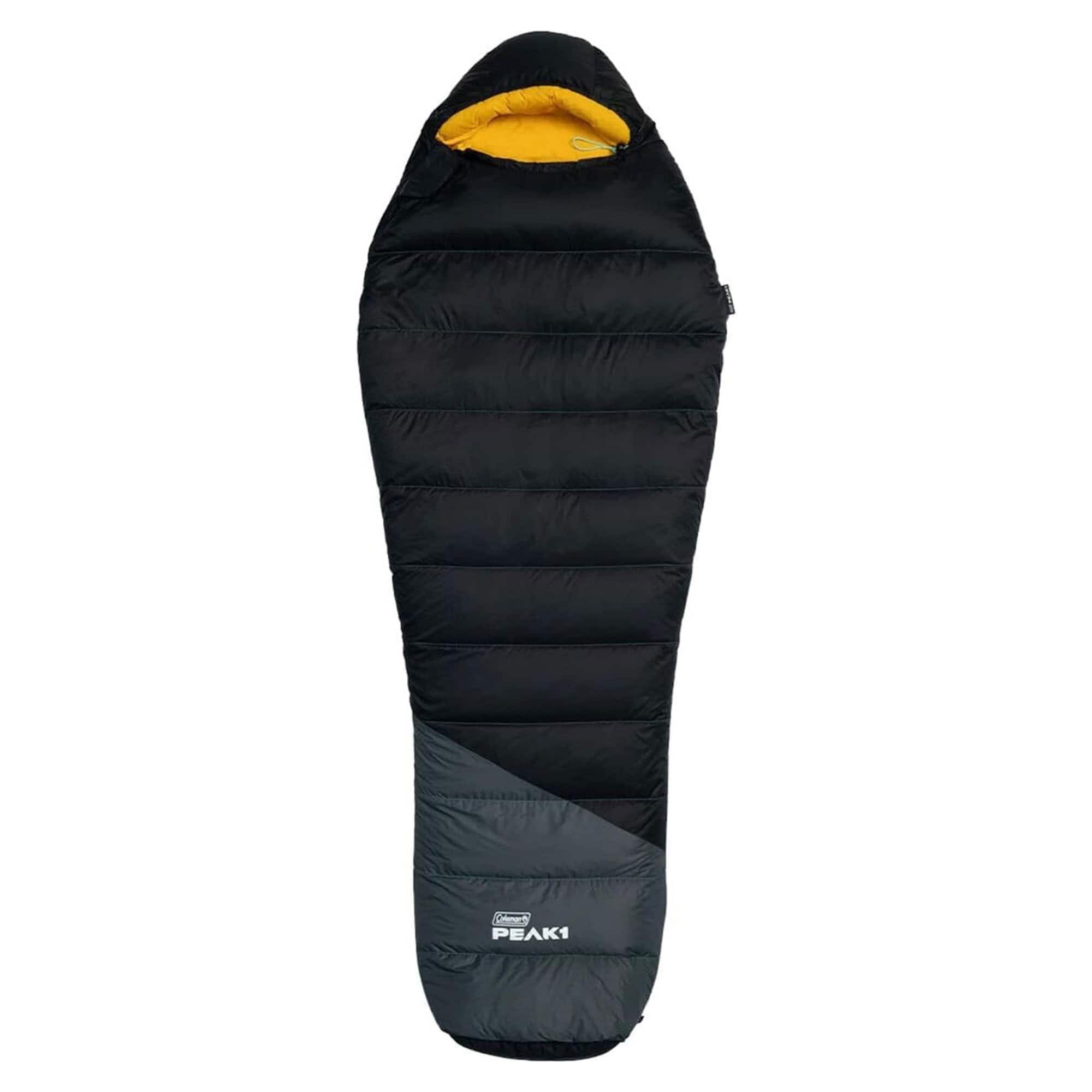
Coleman - PEAK1 20 Degrees Fahrenheit 1 Person Nylon Mummy Sleeping Bag - Black
SKU: J796LW7G7XLove This Sleeping Bag!...Great sleeping bag...Best qualities for this mummy style sleeping bag are insulation and portability.
See all Sleeping BagsProduct Description
A black nylon mummy sleeping bag with 650-fill insulation, water-repellent DWR shell, and compression sack.$356.99 Your price for this item is $356.99 -
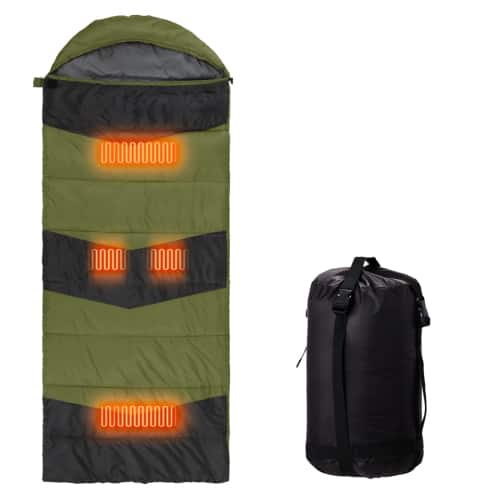
Winado - 1PC Rectangular Waterproof Sleeping Bag with Multi USB Heating Pads, Lightweight for Outdoor Backpacking Hiking Camping - Green
SKU: JXQHQ3Q32ZSee all Sleeping BagsProduct Description
A lightweight green waterproof sleeping bag with built-in USB heating pads and a soft 190T polyester shell.$52.99 Your price for this item is $52.99 -
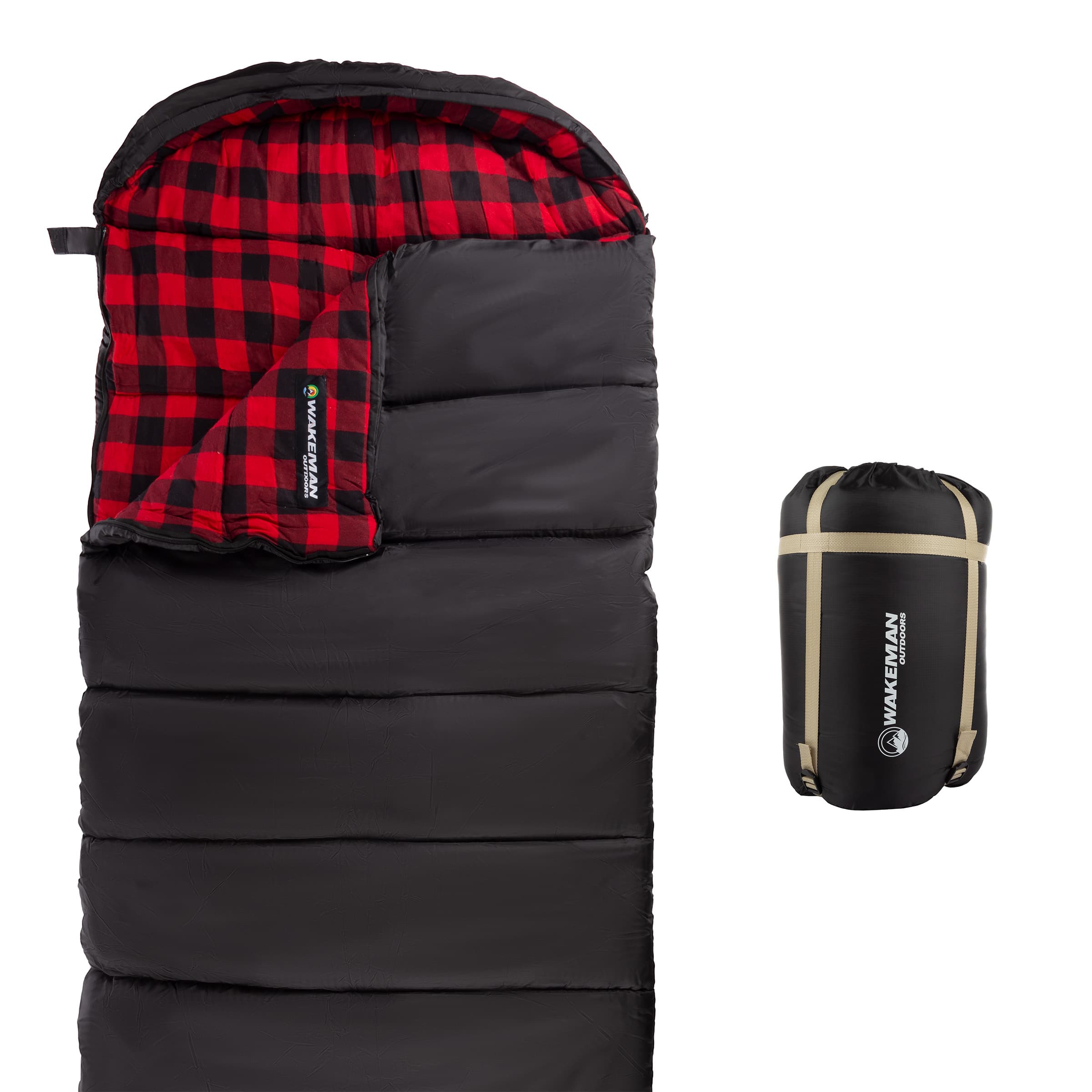
Wakeman - XL Sleeping Bag - 3-Season Envelope-Style - Black and Red
SKU: JJ8T88WLK9See all Sleeping BagsProduct Description
A black and red 3-season sleeping bag with waterproof polyester shell, soft lining, and drawstring hood.$84.99 Your price for this item is $84.99 -
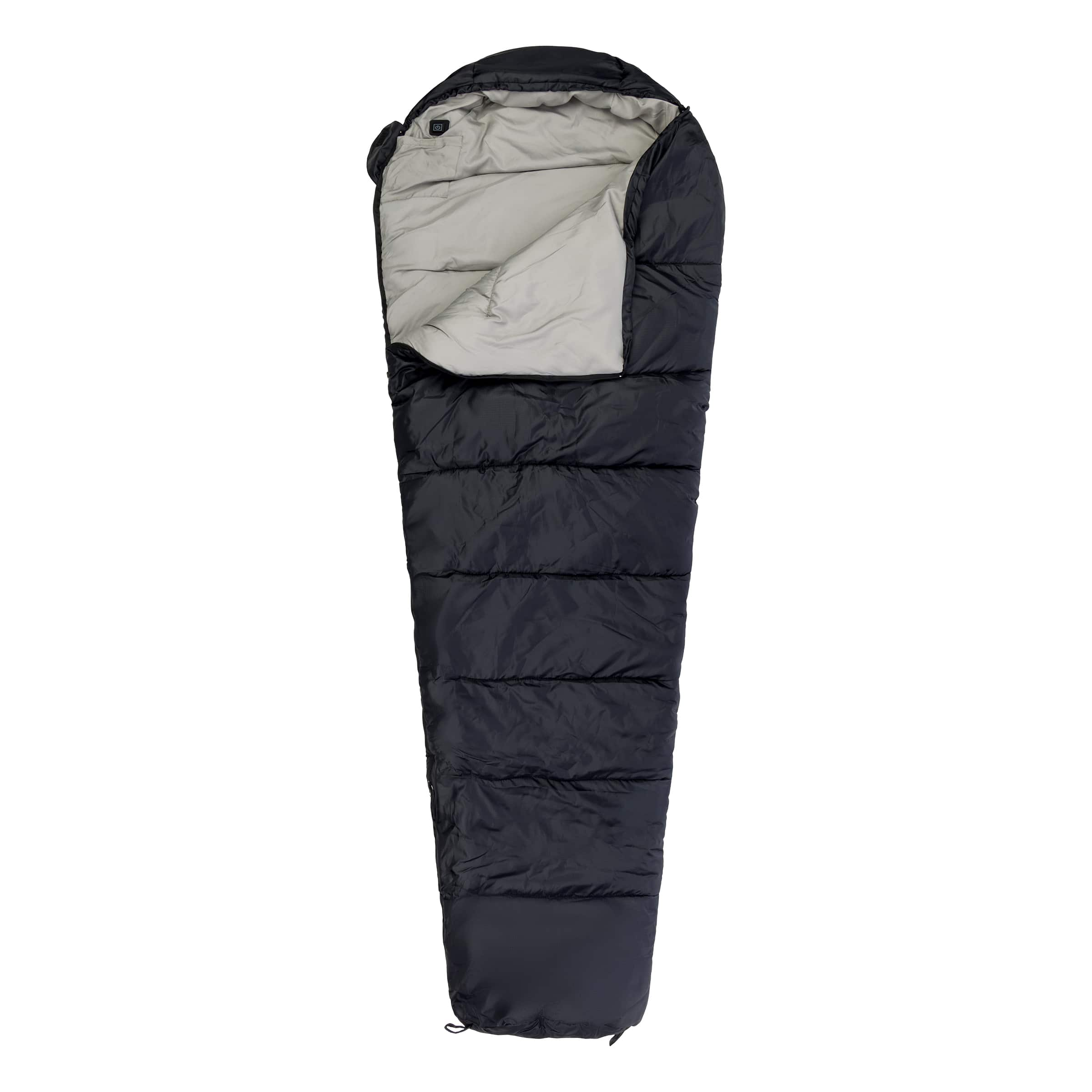
Wakeman Outdoors - Heated Sleeping Bag for Camping Supplies, X-Large, Black - Black/Gray
SKU: JJGL32F2G5See all Sleeping BagsProduct Description
A black-and-gray heated mummy bag with water-resistant polyester, five heating pads, and three heat levels.$79.99 Your price for this item is $79.99 -
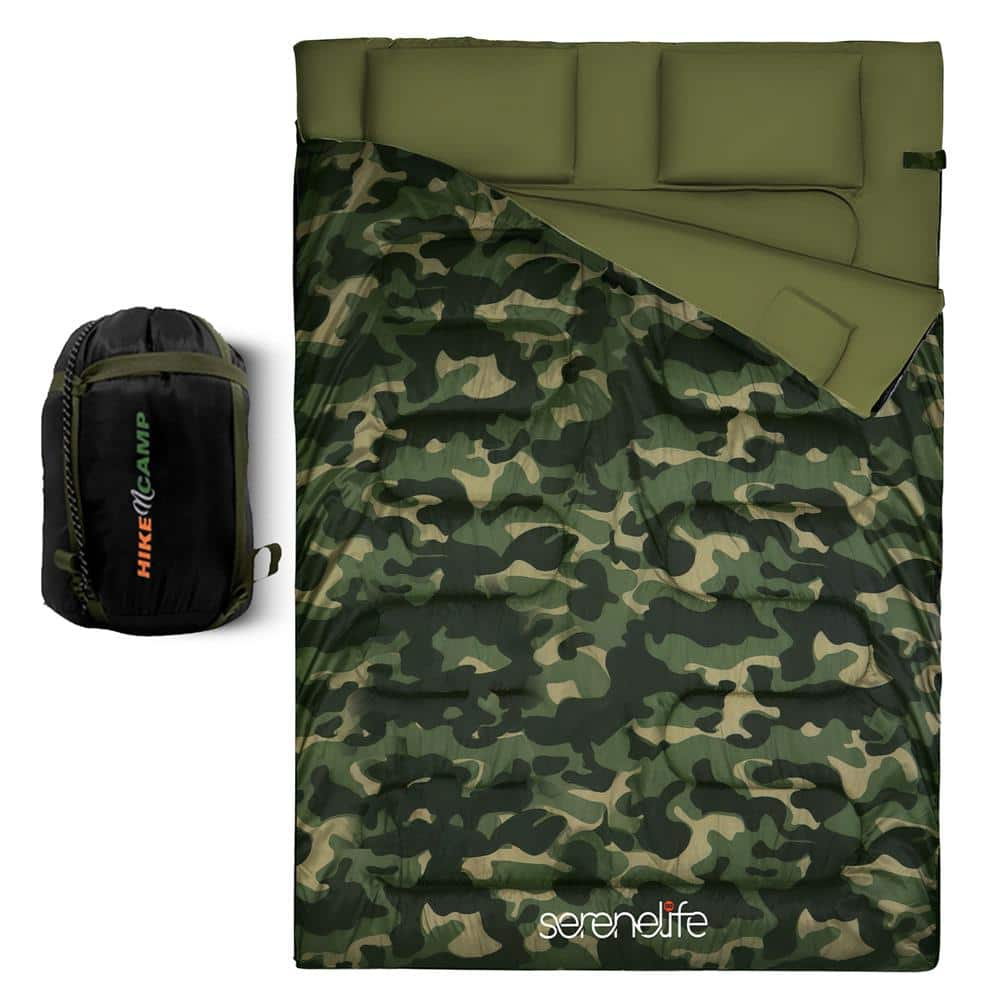
SereneLife - Backpacking Sleeping Bag Camping Gear - Double Sleeping Bag for Adults/Teens w/ 2 Pillows - Camouflage
SKU: J36C98PCPTSee all Sleeping BagsProduct Description
A camouflage double sleeping bag with two pillows, offering warmth and comfort for outdoor camping adventures.$54.99 Your price for this item is $54.99Save $14Was $68.99The previous price was $68.99 -
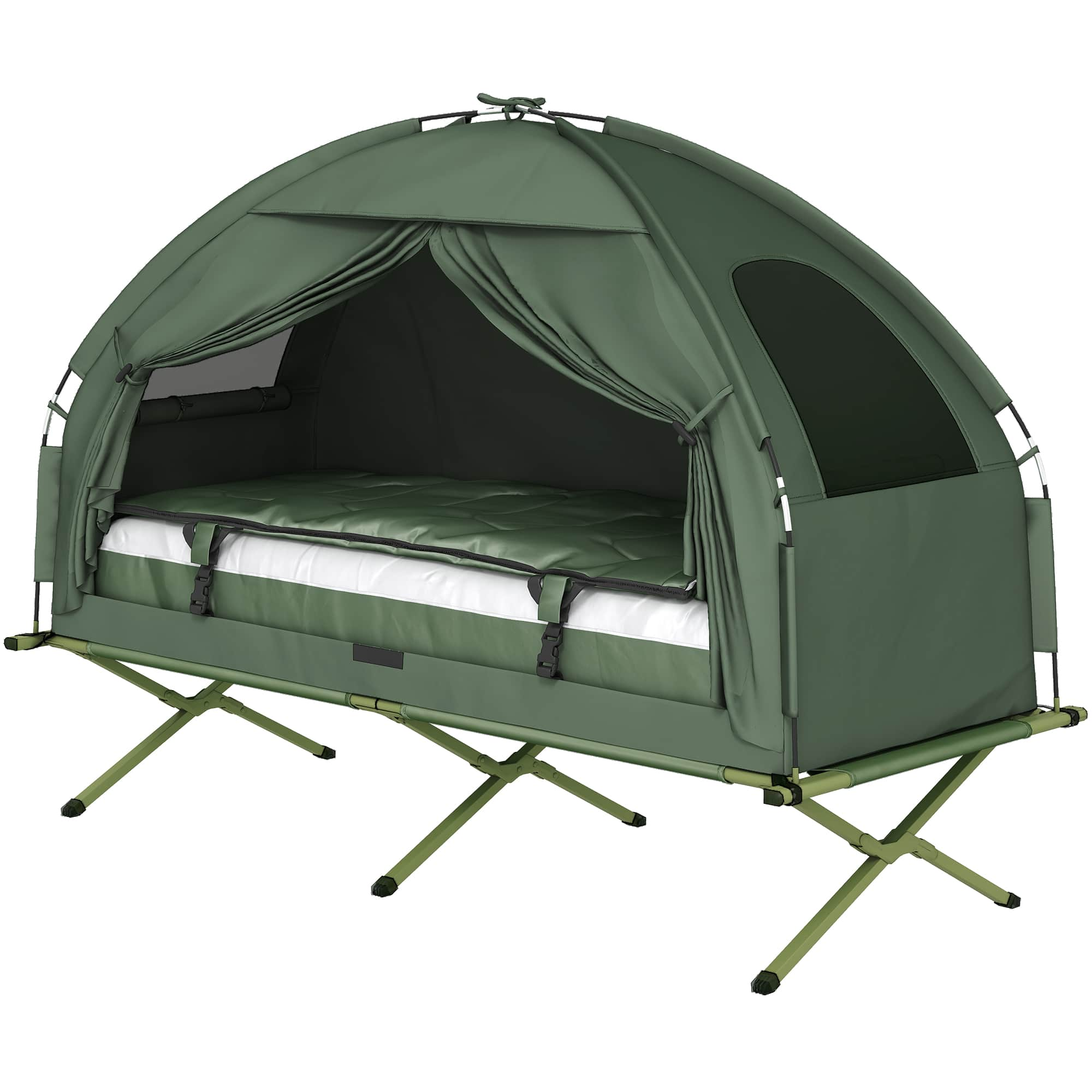
Outsunny - Multifunctional Folding Camping Cots for Adults, Elevated Tent with Sleeping Bag - Green
SKU: JXRZXHF39PLove it! Very easy to build and love that it came with a fitted mattress....Everything you need in one package, the best....Love it!
See all Beds & Bed FramesProduct Description
A green camping cot tent with an air mattress, sleeping bag, bedding, and travel bag.$132.99 Your price for this item is $132.99Save $2Was $134.99The previous price was $134.99
Sleeping bags for winter camping are designed to retain body heat through freezing nights, with insulation, draft protection, and coverage that go beyond a typical summer sleeping bag. Many winter camping trips call for a temperature rating of 0°F or lower, although the appropriate rating depends on the expected nighttime low, the sleeper, and the rest of the sleep system. A bag rated to 0°F is not necessarily comfortable for every person at that temperature. Comfort ratings, lower-limit ratings, and extreme or survival ratings describe different thresholds; survival ratings should never be treated as comfortable sleeping temperatures. Standardized temperature testing can make comparisons more useful, but a rating is not a guarantee of warmth in every setting. Insulation type is another important distinction. Down offers a strong warmth-to-weight ratio and compresses efficiently, making it appealing for backpacking, ski touring, and trips where sleeping gear must fit inside a pack. Fill power describes the loft of down, not the warmth of the entire bag; the amount of insulation, its distribution, and the bag’s construction also matter. Synthetic insulation generally retains more insulating ability when damp and can be practical for trips where moisture exposure is difficult to avoid, though it often takes up more packed space for comparable warmth. Water-resistant down treatments and shell finishes can help manage incidental moisture, but neither makes a sleeping bag waterproof. Lightweight nylon or polyester shells help contain insulation, while ripstop construction can limit the spread of small tears. Softer lining fabrics affect how the bag feels against sleep clothing, especially around the face and neck. For a tent pitched beside a snowy trail or a sheltered winter campsite reached by car, the most relevant features are those that work together: sufficient insulation, a suitable temperature rating, protection from drafts, and materials matched to the demands of the trip.
Fit has a direct effect on how a winter sleeping bag feels through a long night. A close-fitting mummy shape reduces the interior space that body heat must warm, while a roomier shape gives side sleepers and people who change positions more freedom to move. Neither approach works well if the dimensions are wrong. A bag that is too short can compress insulation around the feet or shoulders, and an overly narrow cut can feel restrictive when wearing dry base layers. Extra length may be useful for taller campers, but unnecessary empty space can make warming the interior more difficult. Listed sleeper height, shoulder girth, hip width, and footbox dimensions provide a fuller picture than a size label alone. A shaped hood helps limit heat loss around the head, an insulated draft collar reduces warm air escaping at the neck, and a draft tube helps block cold air along the zipper. Baffles that keep insulation distributed evenly can reduce thin spots, while a well-insulated footbox adds comfort where cold toes often become noticeable first. Zipper pulls that are easy to locate in the dark and snag-resistant zipper construction are small details with practical value when settling in wearing gloves or adjusting ventilation before sleep. A two-way zipper can offer more control over airflow without opening the entire bag. Ground insulation is equally important because body weight compresses the fill beneath a sleeper, reducing its insulating ability. For frozen ground or snow, a sleeping pad with an R-value around 5 or higher is a common starting point, with greater insulation needed in more severe cold. Sleeping bags, pads, shelter, and dry sleep clothing form a system rather than independent guarantees of comfort. Campers comparing that broader setup can explore Top Rated Camping Gear for related equipment categories. A warm bag still needs protection from precipitation, tent-wall moisture, and the cold surface beneath it.
Intended use helps explain the differences in packed size, fabric weight, and construction across sleeping bags for winter camping. Backpackers carrying equipment over several miles often prioritize low weight and compact storage, while campers unloading near a campsite may prefer additional room or sturdier fabrics without placing the same emphasis on packability. Snowshoeing overnights, backcountry photography trips, and cold-weather campground stays can involve similar overnight temperatures but very different carrying demands. A compression sack is useful for transport, although its packed dimensions deserve attention alongside the bag’s weight. Small interior pockets can keep a few essentials close, and an included storage sack makes it easier to maintain loft between outings. For someone giving winter camping equipment as a gift, the recipient’s height, sleeping position, typical destinations, and preference for down or synthetic insulation matter more than color alone. Care also plays a substantial role in long-term performance. Airing out a sleeping bag after use helps release moisture from perspiration and condensation before storage. A liner or clean sleep layers can reduce the buildup of body oils inside the bag, while keeping the shell away from sharp equipment, rough ground, and campfire sparks helps prevent avoidable damage. Washing methods should follow the care label because down and synthetic fills may require different detergents and drying procedures. Thorough drying is essential before storage, particularly when insulation feels dry on the surface but still holds moisture deeper inside. Excessive heat can damage fabrics and finishes, and a tightly compressed bag should not become its own permanent storage container. Loose storage in a large breathable sack or another dry, uncompressed arrangement helps preserve loft. Durable stitching, protected zippers, repairable shell fabrics, and careful handling all contribute to a bag that remains useful across repeated trips. The result is dependable overnight equipment suited to its owner’s camping habits, with comfort shaped as much by fit and upkeep as by the temperature printed on the label.
Best Sellers
Related Pages
FAQ
Winter camping sleeping bags commonly use down or synthetic insulation. Down comes from duck or goose plumage, while synthetic fill typically consists of polyester fibers. Product descriptions usually identify the insulation separately from the shell and lining materials.
Nylon and polyester are common shell and lining fabrics. Some shells feature ripstop construction, which has a distinctive grid of reinforcement threads. Linings may have a smooth or brushed texture, depending on the design.
Common convenience features include interior stash pockets, two-way zippers, fabric zipper pulls, and hanging loops. Some bags also include a separate storage sack or a dedicated pocket for a pillow.
Check the care label before cleaning, since instructions vary by insulation and fabric. Some bags allow machine washing with a specified cleaner, while others require a different method. Follow the manufacturer's washing and drying directions, and let the bag dry completely before storing it.
Store the sleeping bag loosely in a breathable storage sack or hang it in a clean, dry location. Avoid leaving it tightly compressed for extended periods, and follow any storage instructions provided by the manufacturer.