Studio Monitor
-
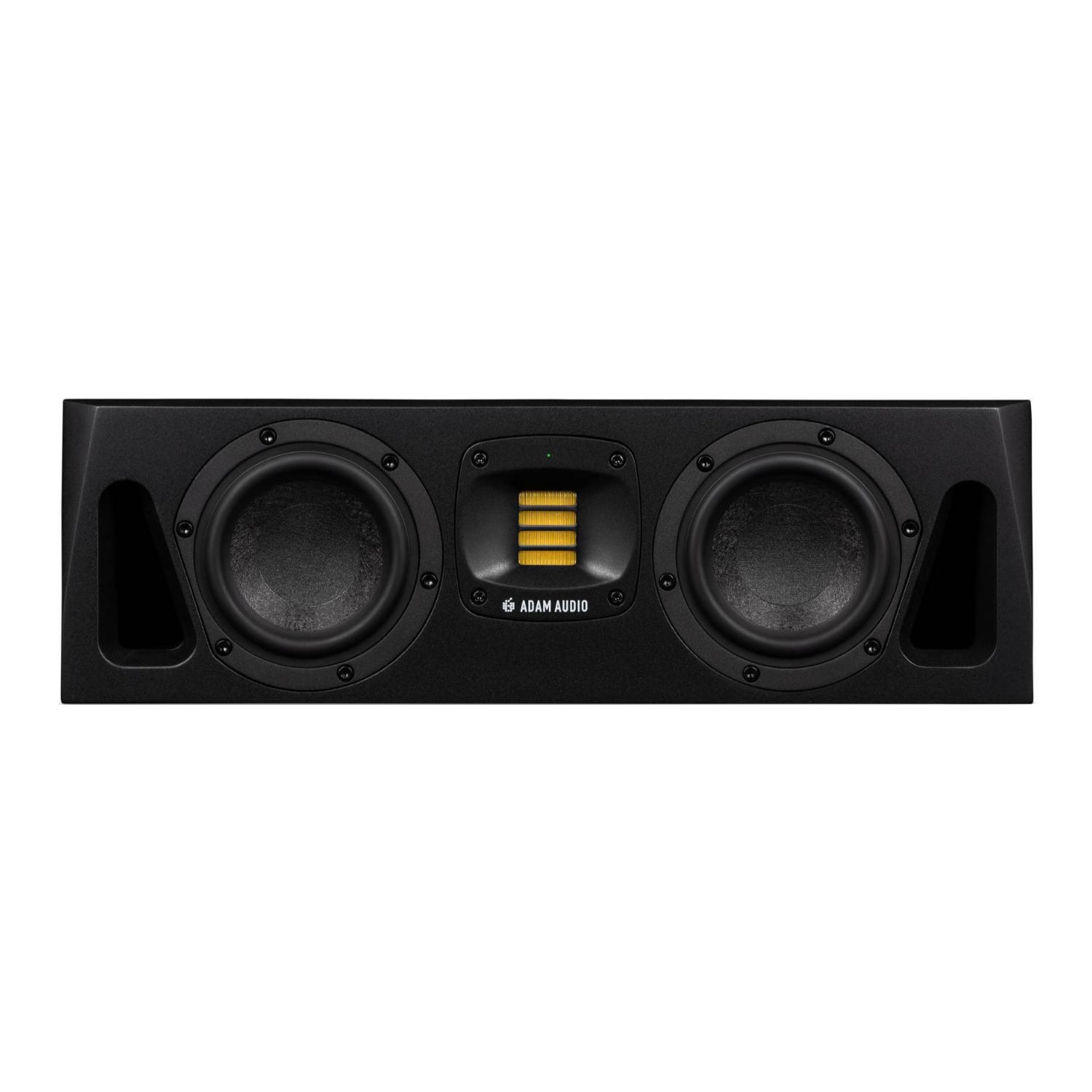
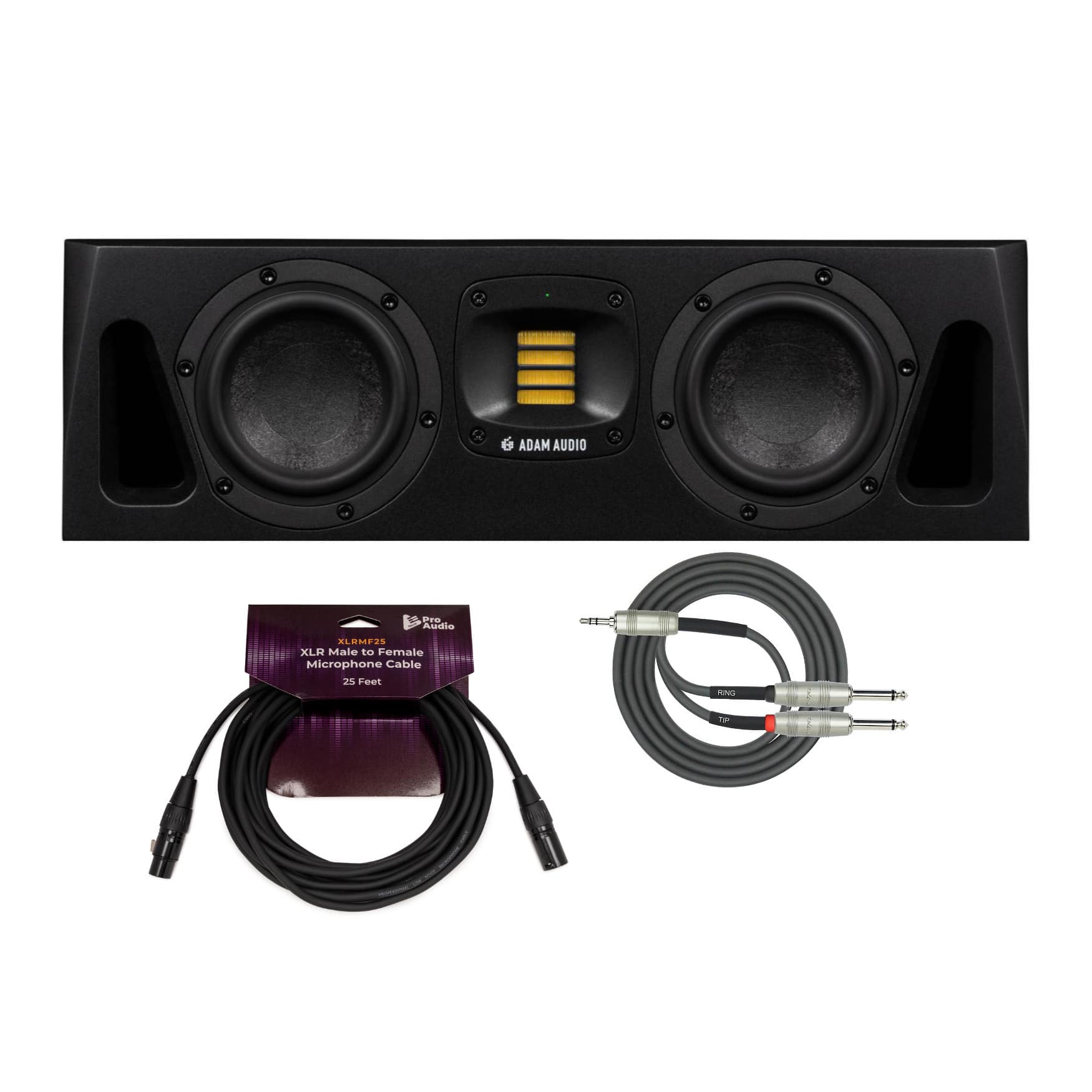
ADAM Audio - A44H Powered Two-Way Midfield Studio Monitor
SKU: CC5VPRQQYPSee all Powered Bookshelf SpeakersProduct Description
A low-profile studio monitor featuring dual 4-inch woofers, X-ART tweeter, and DSP-based tuning.Your price for this item is $829.99 -
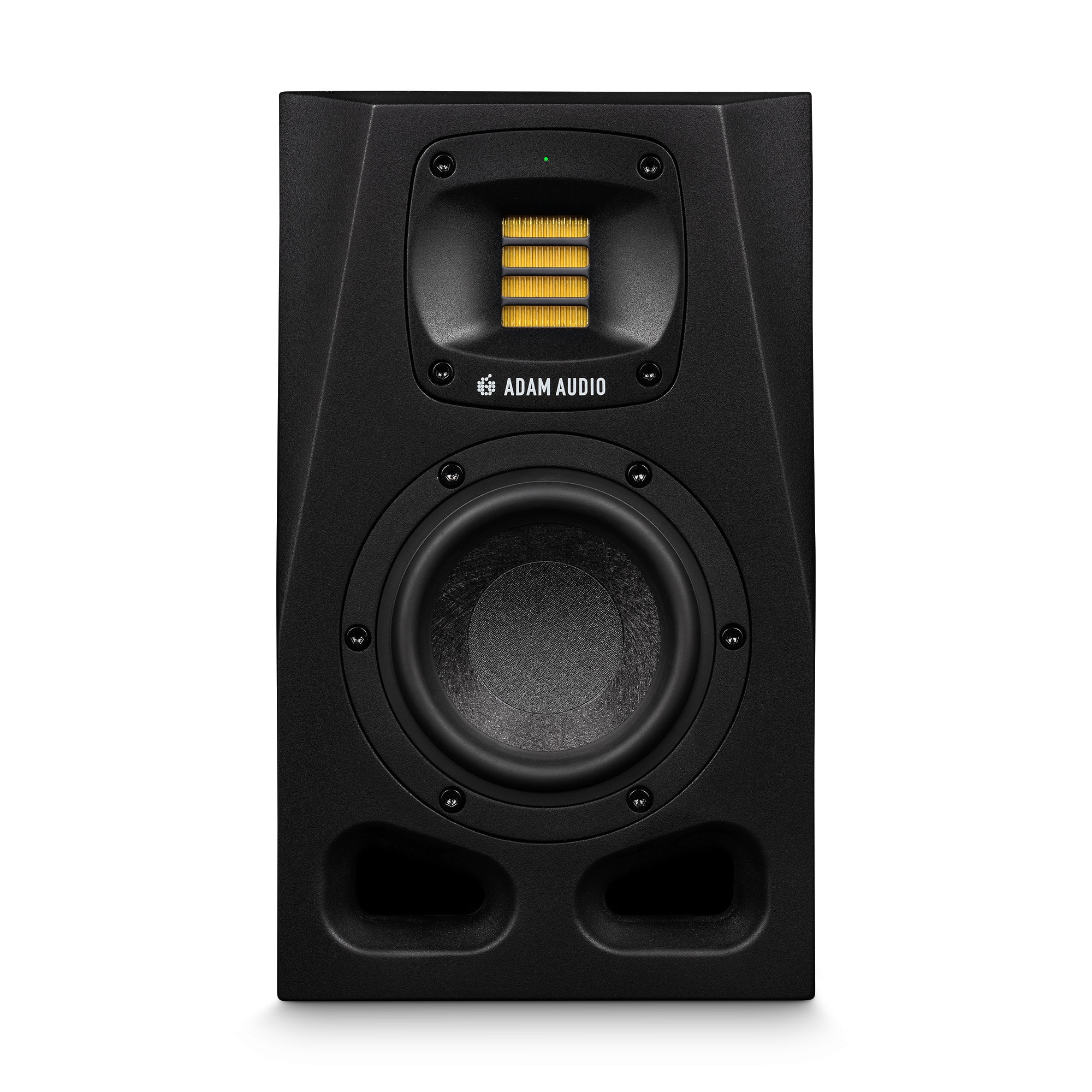
ADAM Audio - A4V Powered 2-Way Studio Monitor
SKU: CC5VPRQQGHSee all Powered Bookshelf SpeakersProduct Description
A compact 2-way studio monitor with a handmade X-ART tweeter delivers precise, full-bodied sound.Your price for this item is $619.99 -
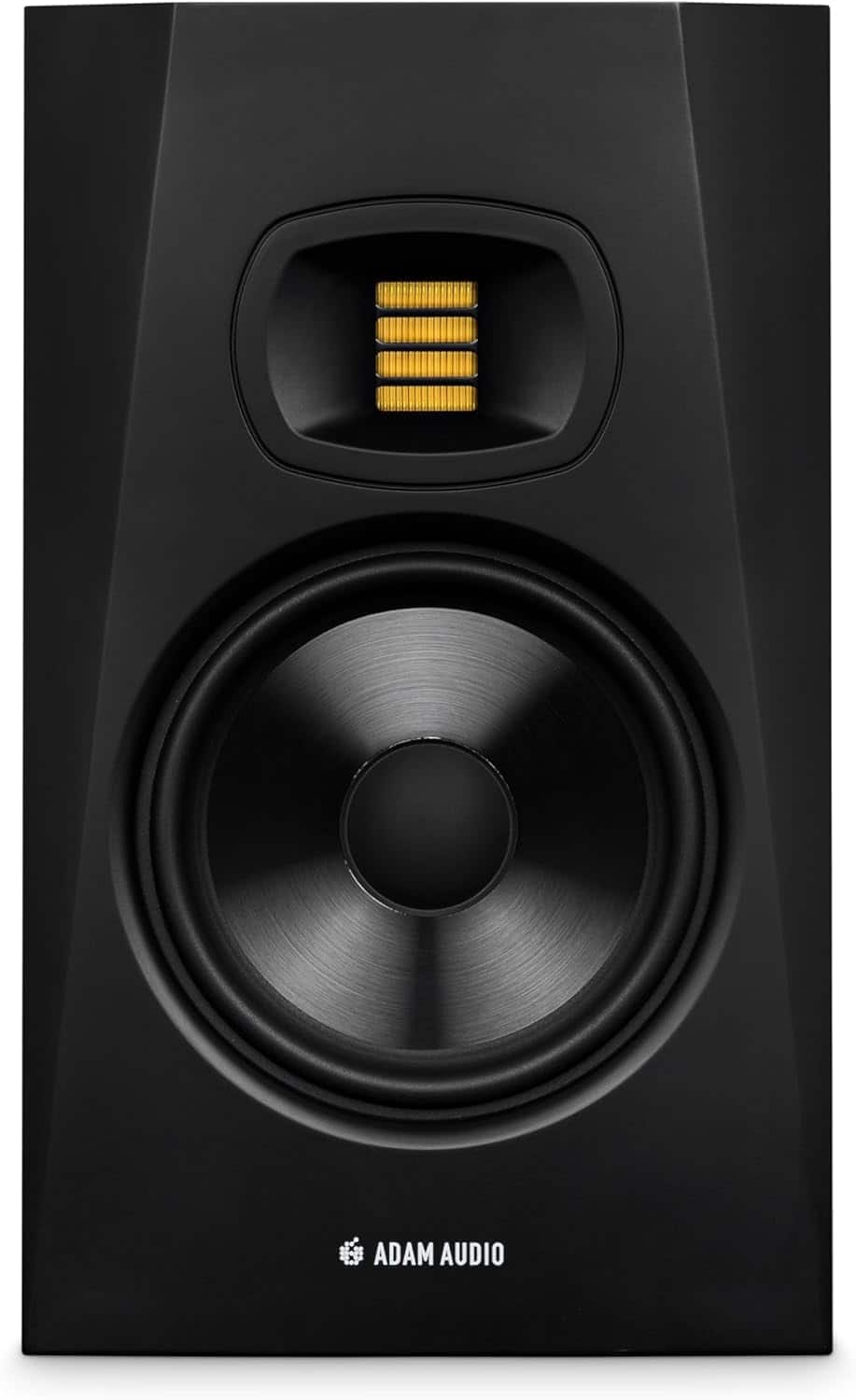
ADAM Audio - T7V Studio Monitor for recording, mixing and mastering, Studio Quality Sound (Single) - Black
SKU: CC5VPRQ6F9See all Bookshelf SpeakersProduct Description
A black nearfield studio monitor delivering precise sound with a 7" woofer and U-ART tweeter.Your price for this item is $289.99 -
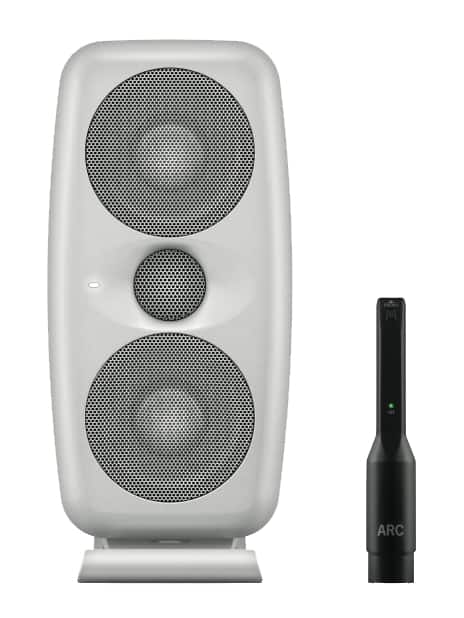
IK Multimedia - iLoud MTM High-Resolution Compact Powered Studio Monitor with ARC Calibration and Tilting Stand - Black
SKU: J39H2VVLKRSee all Bookshelf SpeakersProduct Description
A compact black studio monitor featuring 3.5" polypropylene woofers and built-in ARC calibration with mic.Your price for this item is $399.99 -
ADAM Audio - A44H Powered Two-Way Midfield Studio Monitor Bundle
SKU: JJG2FXFG4WSee all Floor SpeakersProduct Description
A low-profile studio monitor bundle featuring dual 4-inch woofers, X-ART tweeter, and DSP tuning.Your price for this item is $839.99 -
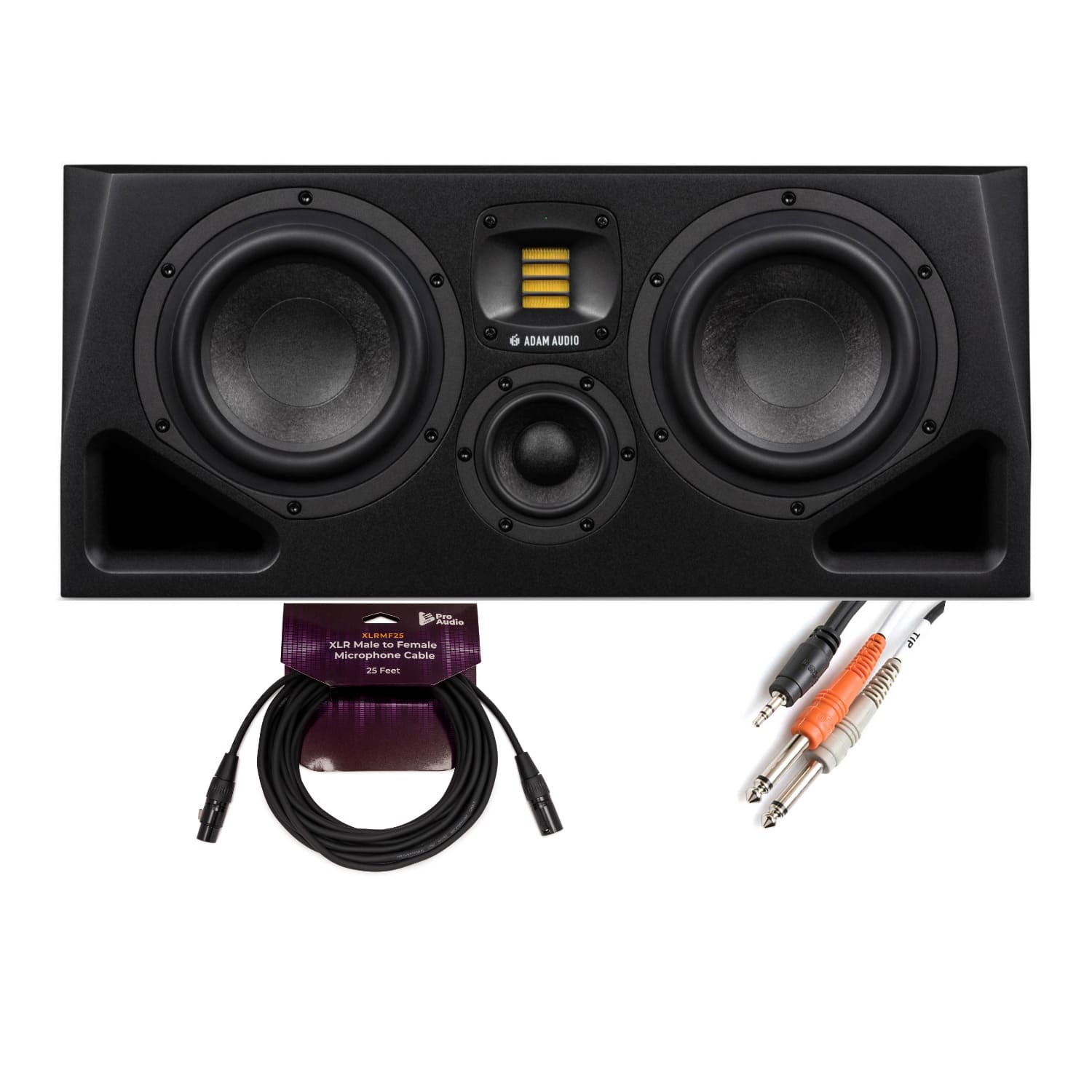
ADAM Audio - A77H Powered Three Way Midfield Studio Monitor Bundle
SKU: JJG2F8XP5TSee all Floor SpeakersProduct Description
A low-profile studio monitor bundle featuring dual 7-inch woofers, X-ART tweeter, and DSP-based tuning.Your price for this item is $1,499.99 -
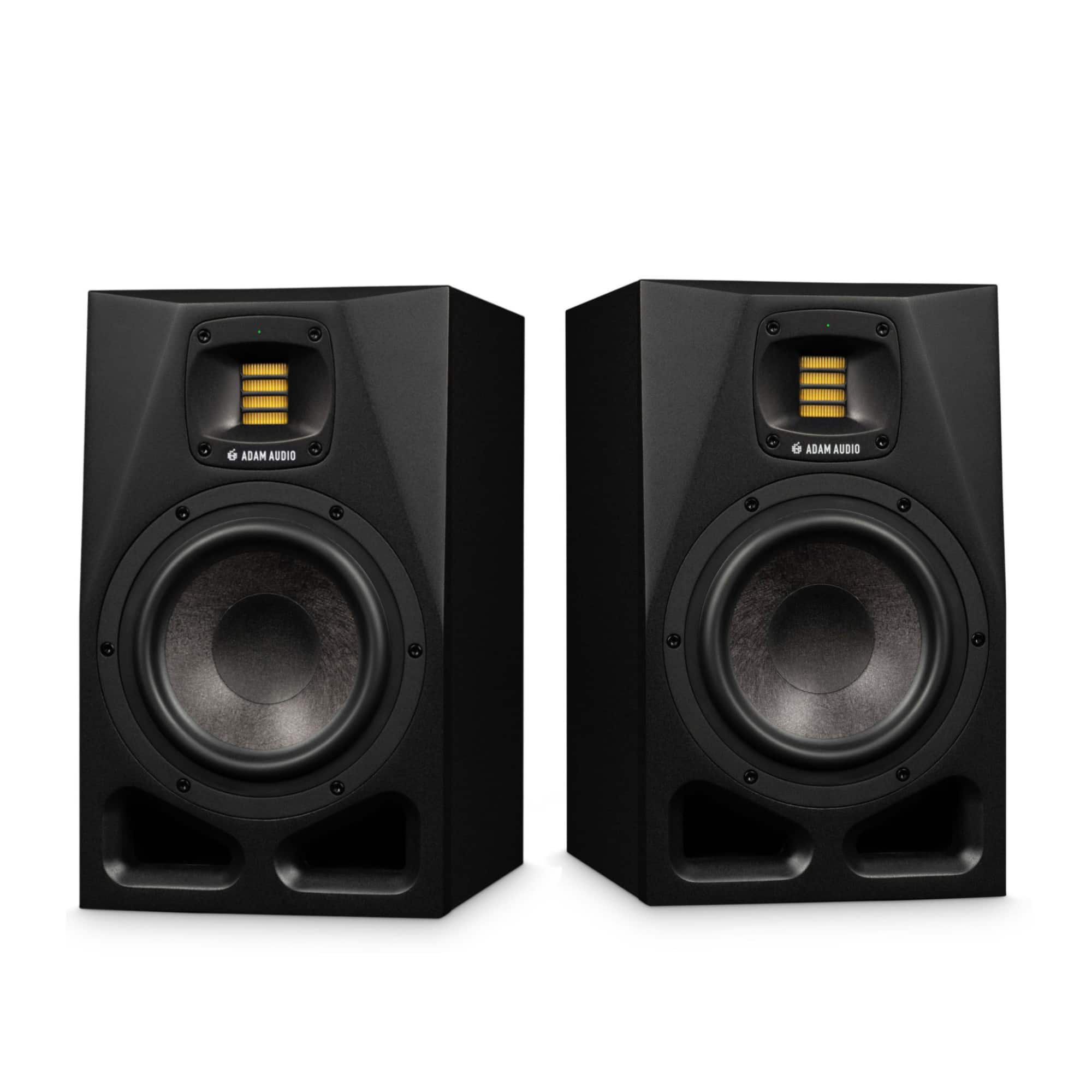
ADAM Audio - A7V 7-Inch Active Studio Monitor Speaker (Pair)
SKU: JJG2F3Y9LKSee all Bookshelf SpeakersProduct Description
A pair of active studio monitors delivering accurate, full-bodied sound, ideal for small studios and multimedia production.Your price for this item is $1,879.98 -
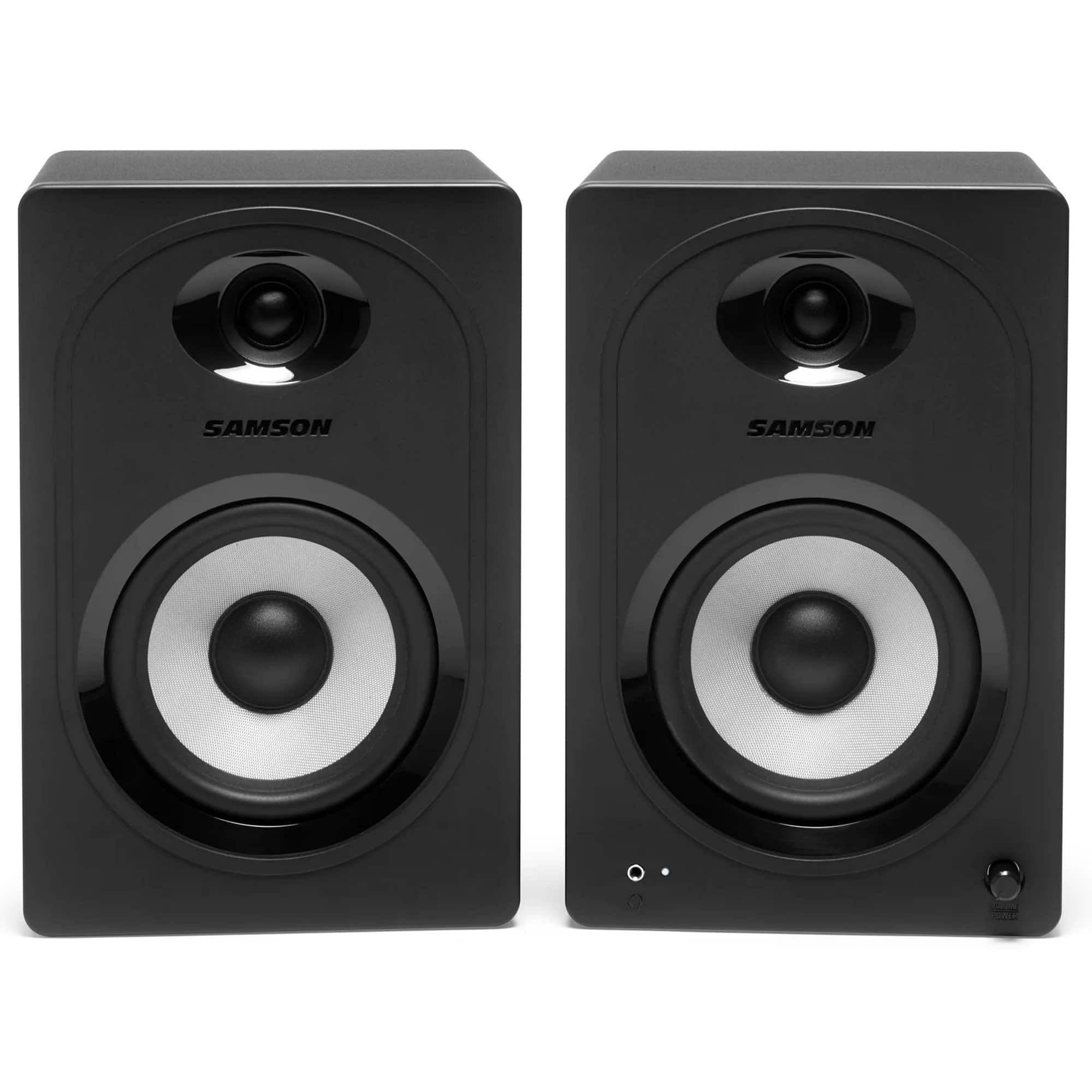
Samson - MX5BT MediaOne 5in Powered Studio Monitors
SKU: J3GRLPP6RSSee all Powered Bookshelf SpeakersProduct Description
A pair of bi-amped desktop studio monitors with Bluetooth, balanced inputs, aux, and headphone outputs.Your price for this item is $179.99 -
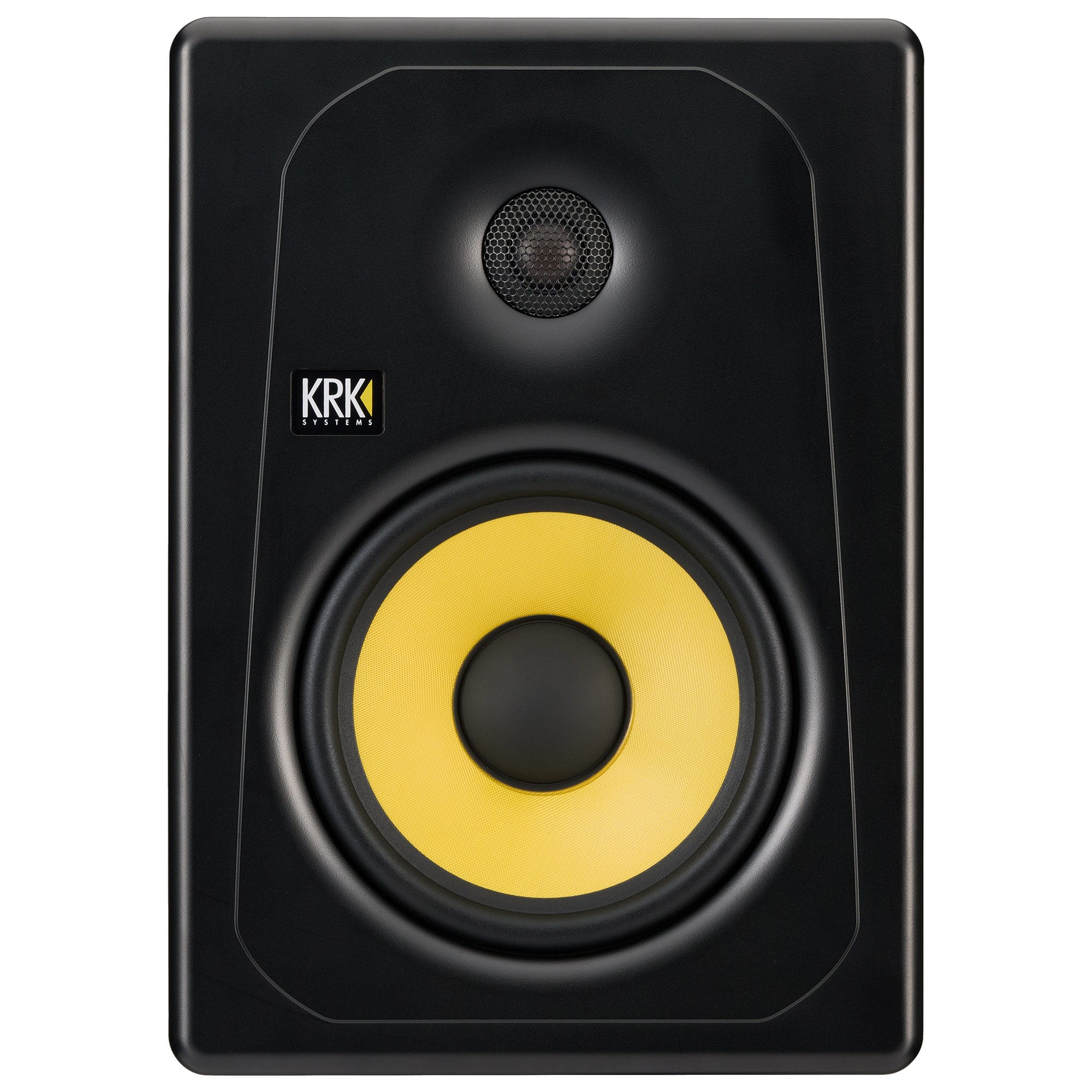
KRK - Kreate 8 Powered Studio Monitor
SKU: JXH9T8KW4SSee all Powered Bookshelf SpeakersProduct Description
A powered bookshelf speaker with Bluetooth connectivity, adjustable high- and low-frequency controls, and a foam-padded bottom.Your price for this item is $299.00 -
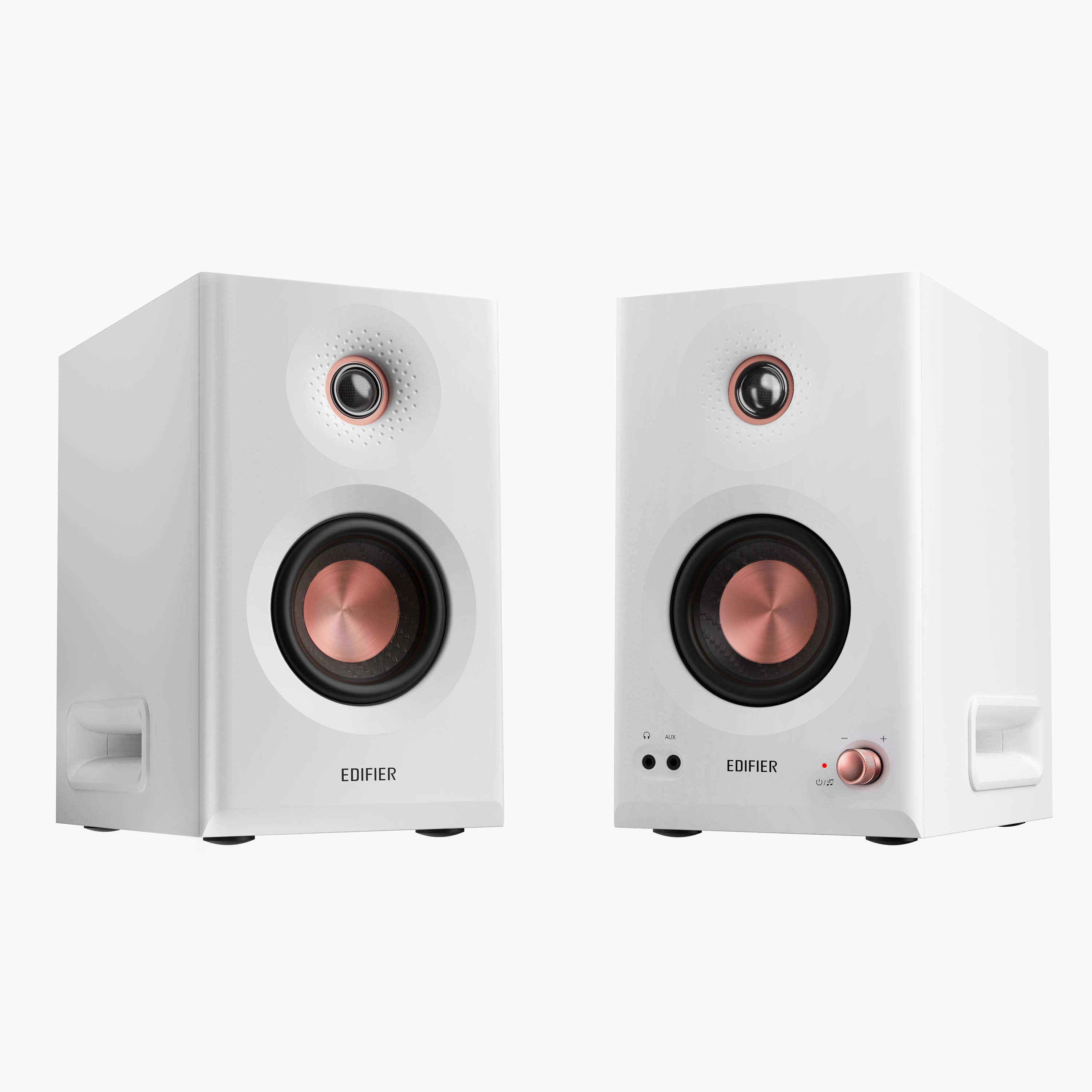
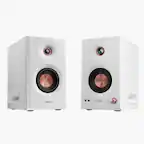
Edifier - MR5 Powered Studio Monitor 2.0 Speakers (Pair) - White
SKU: J3WSK7S68LAmazing loud and clear also very beautifully made ideal to match anything of household items I love it...best purchase ever 100% satisfied
See all Computer SpeakersProduct Description
A pair of white powered studio monitors delivering precise, natural sound with tri-amped active crossover technology.Your price for this item is $349.99
Best Sellers

Related Pages


FAQ
Studio monitors are designed to deliver a flat and accurate sound profile, allowing you to hear recordings as they truly are, without coloration or enhancement. Regular speakers often emphasize certain frequencies to enhance the listening experience, which may not be ideal for critical audio work.
While some studio monitors can connect directly to your computer or audio source, using an audio interface is recommended for the best sound quality and proper signal levels, especially in professional or home studio setups.
Yes, studio monitors can be used for gaming and watching movies. They provide clear and precise audio, which can enhance your experience, but keep in mind their neutral sound profile is intended for accurate audio reproduction rather than enhanced bass or surround effects.
For optimal sound, place your studio monitors at ear level and form an equilateral triangle with your listening position. Avoid placing them directly against walls, and use isolation pads or stands to reduce vibrations and improve clarity.
Yes, studio monitors come in active (powered) and passive (unpowered) types. Active monitors have built-in amplifiers, while passive monitors require an external amplifier. There are also nearfield, midfield, and farfield monitors, each designed for different listening distances and room sizes.