Vocal Microphone For Recording
-
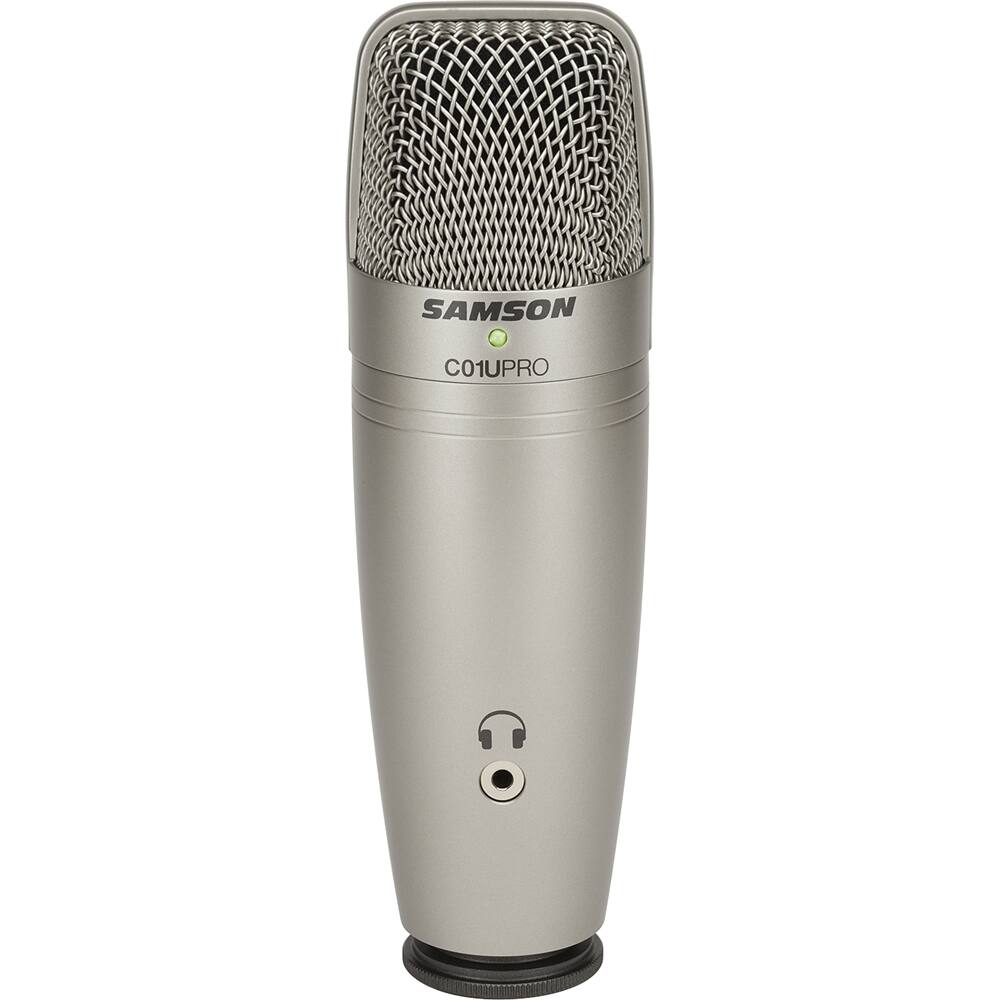
Samson - C01U Pro USB Studio Condenser Microphone
SKU: J3GRLY57HZSee all Camera MicrophonesProduct Description
A silver USB condenser microphone with a 19mm diaphragm and supercardioid pattern for studio-quality audio.Your price for this item is $89.99 -
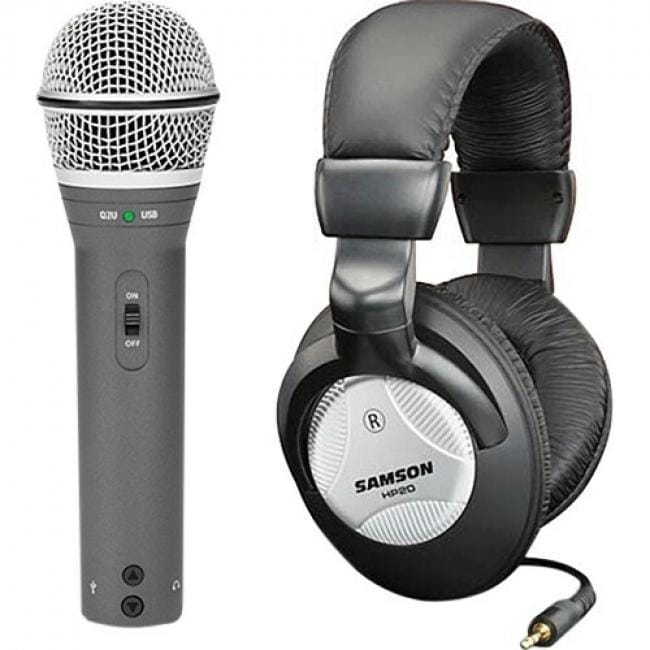
Samson - Q2U Rugged Wired Dynamic Microphone - Gray - 6.56 ft - Mono - 50 Hz to 15 kHz - 32 Ohm -54 dB - Cardioid
SKU: J3GRLY4QSQSee all Computer MicrophonesProduct Description
A rugged gray cardioid dynamic microphone with XLR, mini USB, and mini-phone connectivity for versatile recording.Your price for this item is $99.99 -
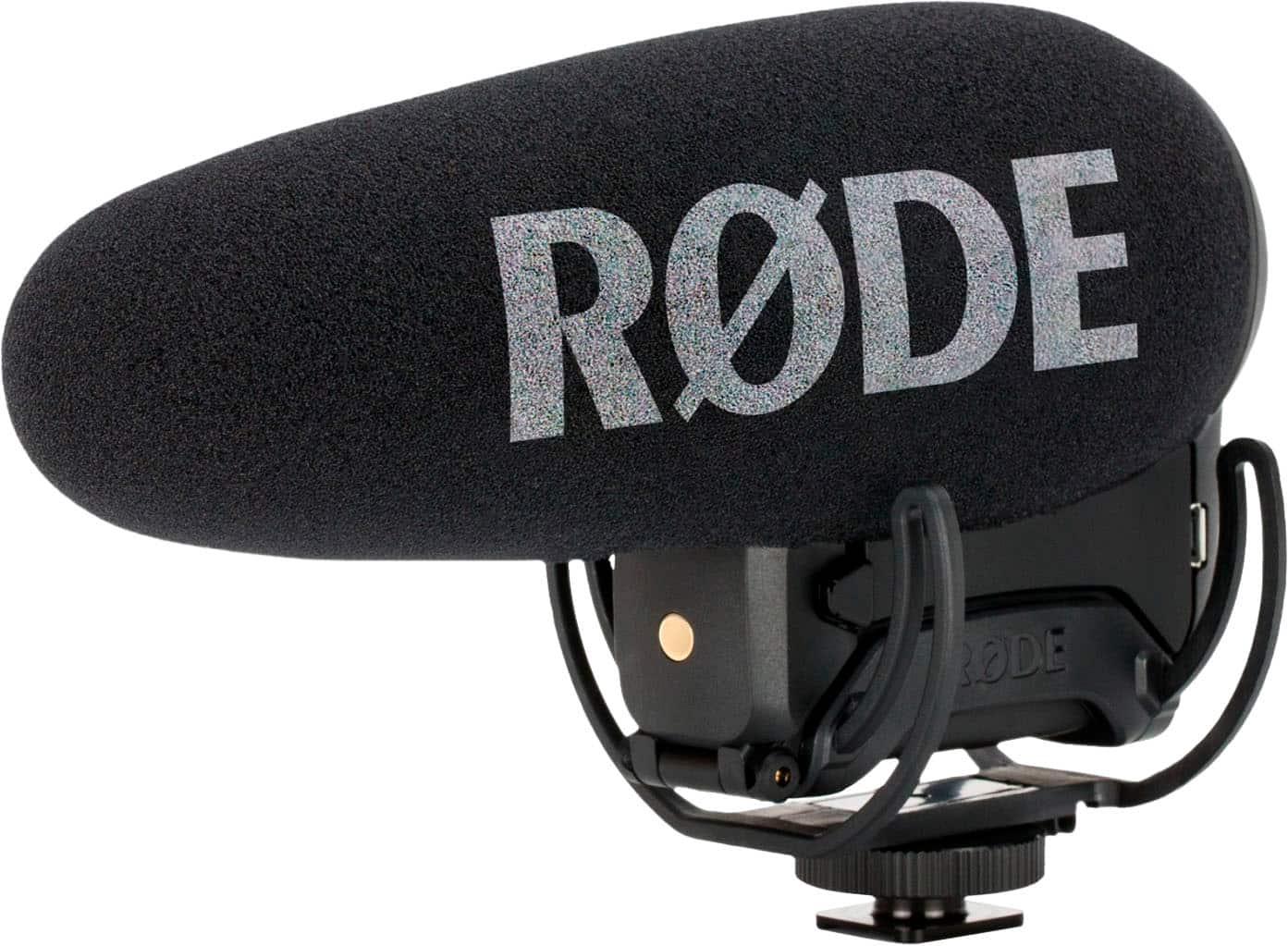
RØDE - VIDEOMIC PRO+ Premium On-Camera Microphone - Black
SKU: JXR9LSGGV3See all Camera MicrophonesProduct Description
A premium black on-camera shotgun microphone delivering broadcast-quality audio with auto on/off and long battery life.Your price for this item is $290.99Save $19The previous price was $309.99 -
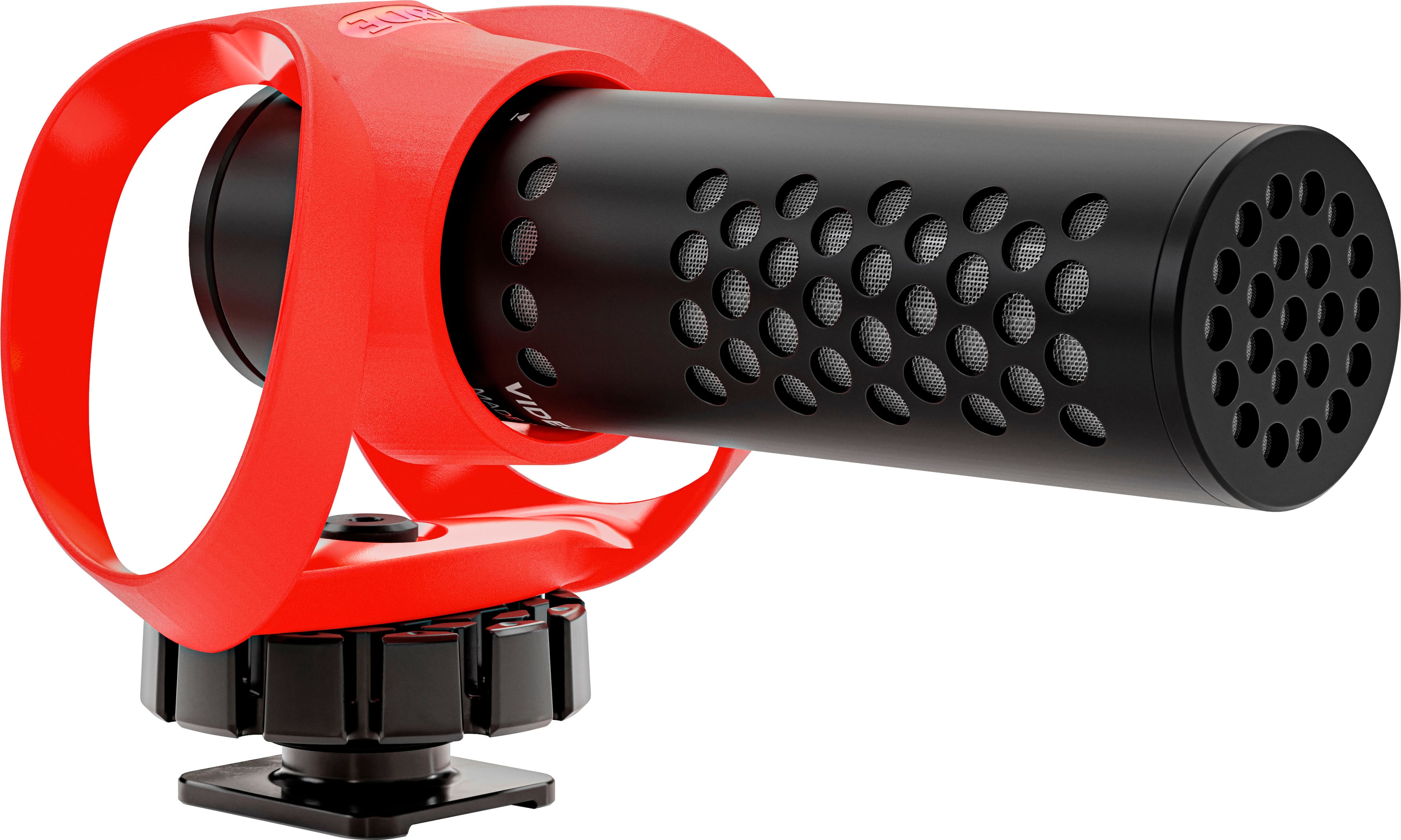
RØDE - VideoMicro II Wired Supercardioid Shotgun Microphone - Black
SKU: JXR9LSGQZXIt’s wonderful and a professional microphone if you’re looking to record on your iPhone and I love it with my tripod too to make wonderful story!...I was skeptical buying this microphone but I honestly...
See all Camera MicrophonesProduct Description
A compact black supercardioid shotgun microphone with rugged all-metal construction and advanced HELIX isolation mount.Your price for this item is $89.99 -
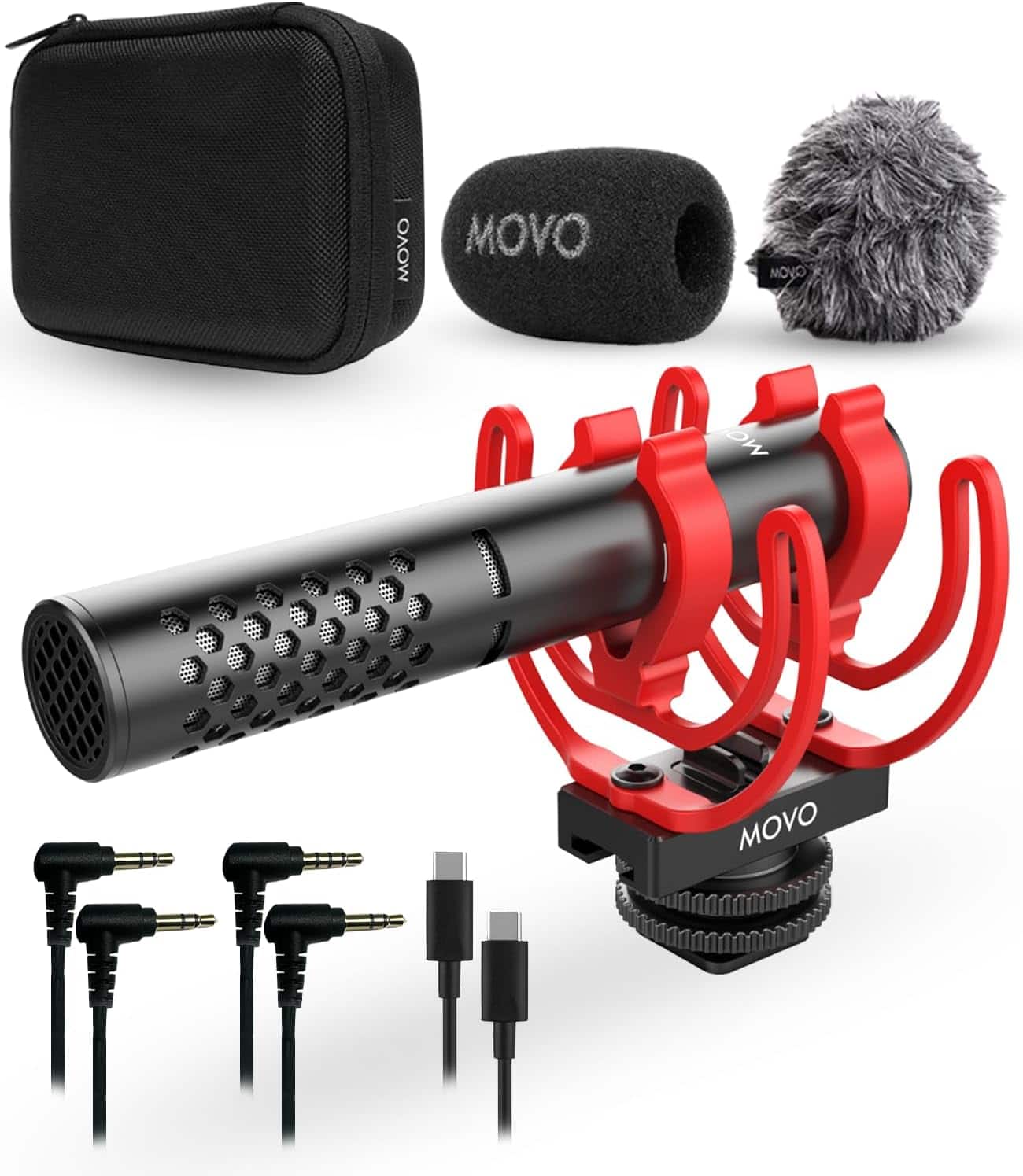
MOVO - X1-Mini Video Shotgun Mic - Supercardioid 3.5mm/USB-C Analog/Digital Microphone for Cameras, Smartphones, Computers
SKU: J3LVLQ3HKCSee all Camera MicrophonesProduct Description
A durable aluminum supercardioid microphone capturing high-fidelity audio for cameras, smartphones, and computers.Your price for this item is $69.95 -
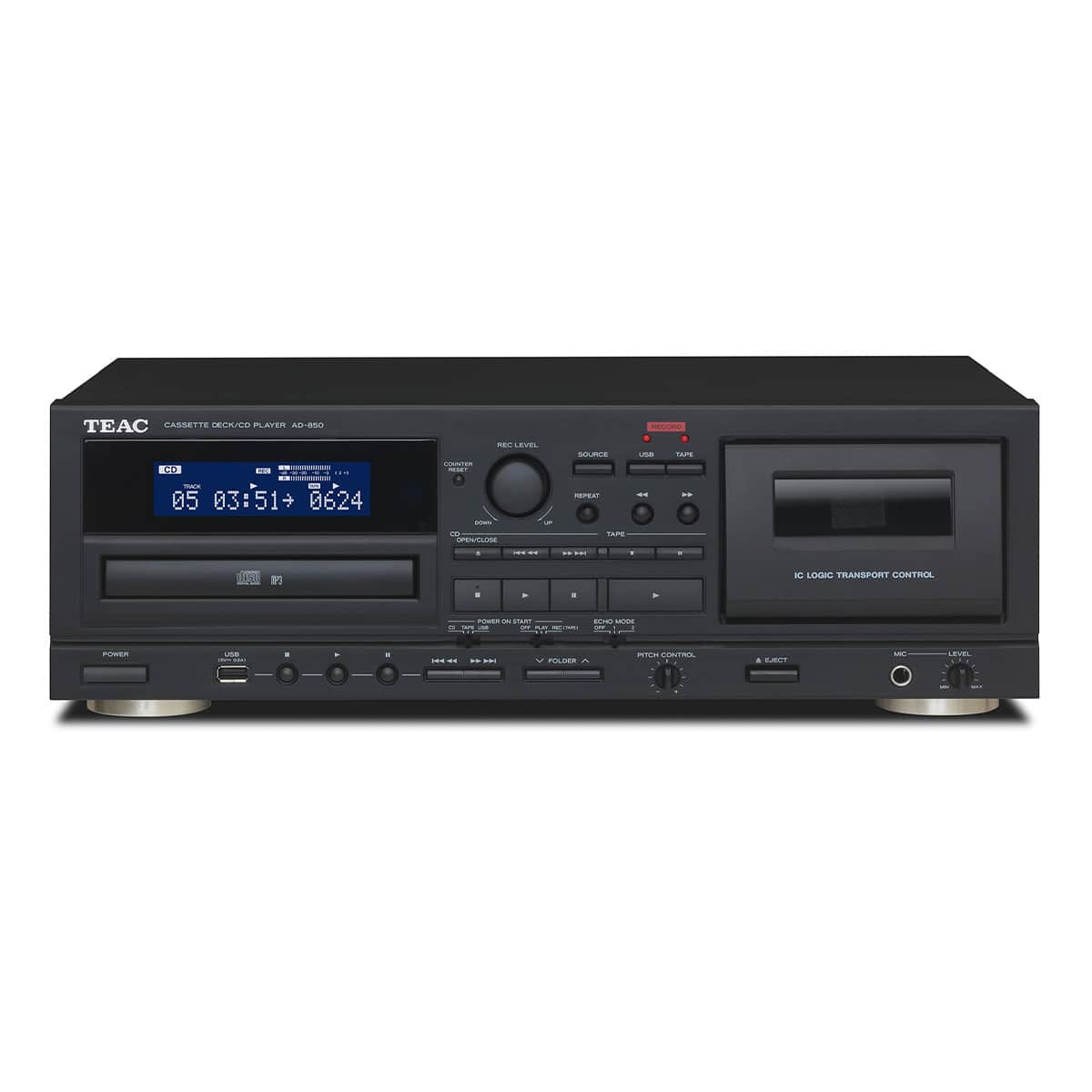
TEAC - AD-850-SE Cassette Deck & CD Player with Microphone Input & Digital Recording - Black
SKU: J7GXGS6GJ6See all CD & Cassette PlayersProduct Description
A versatile black audio unit combining cassette, CD, and digital recording with microphone input and remote control.Your price for this item is $599.99 -
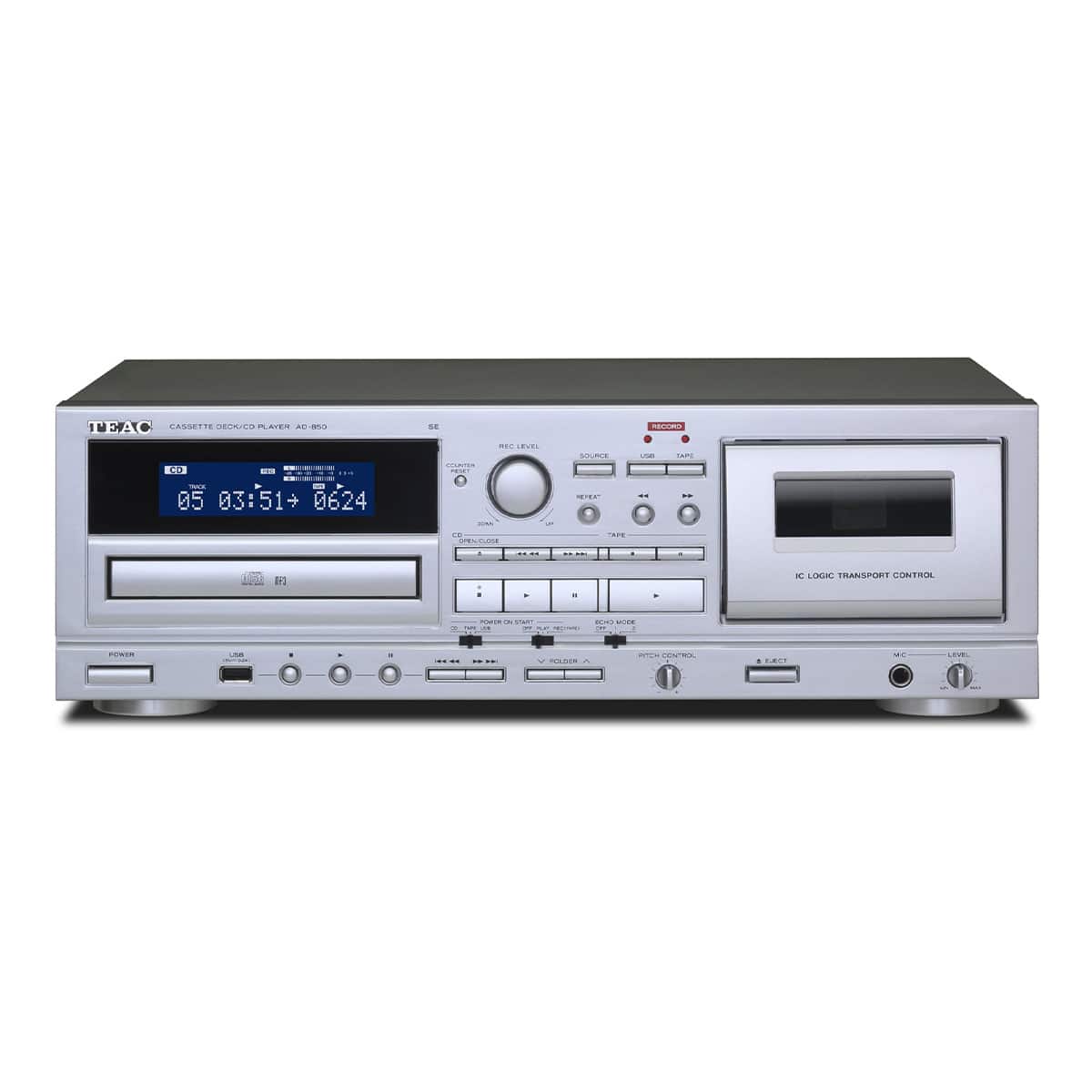
TEAC - AD-850-SE Cassette Deck & CD Player with Microphone Input & Digital Recording - Silver
SKU: J7GXGS6L8TSee all CD & Cassette PlayersProduct Description
A versatile silver audio unit combining cassette, CD, and digital recording with microphone input and remote control.Your price for this item is $599.99 -
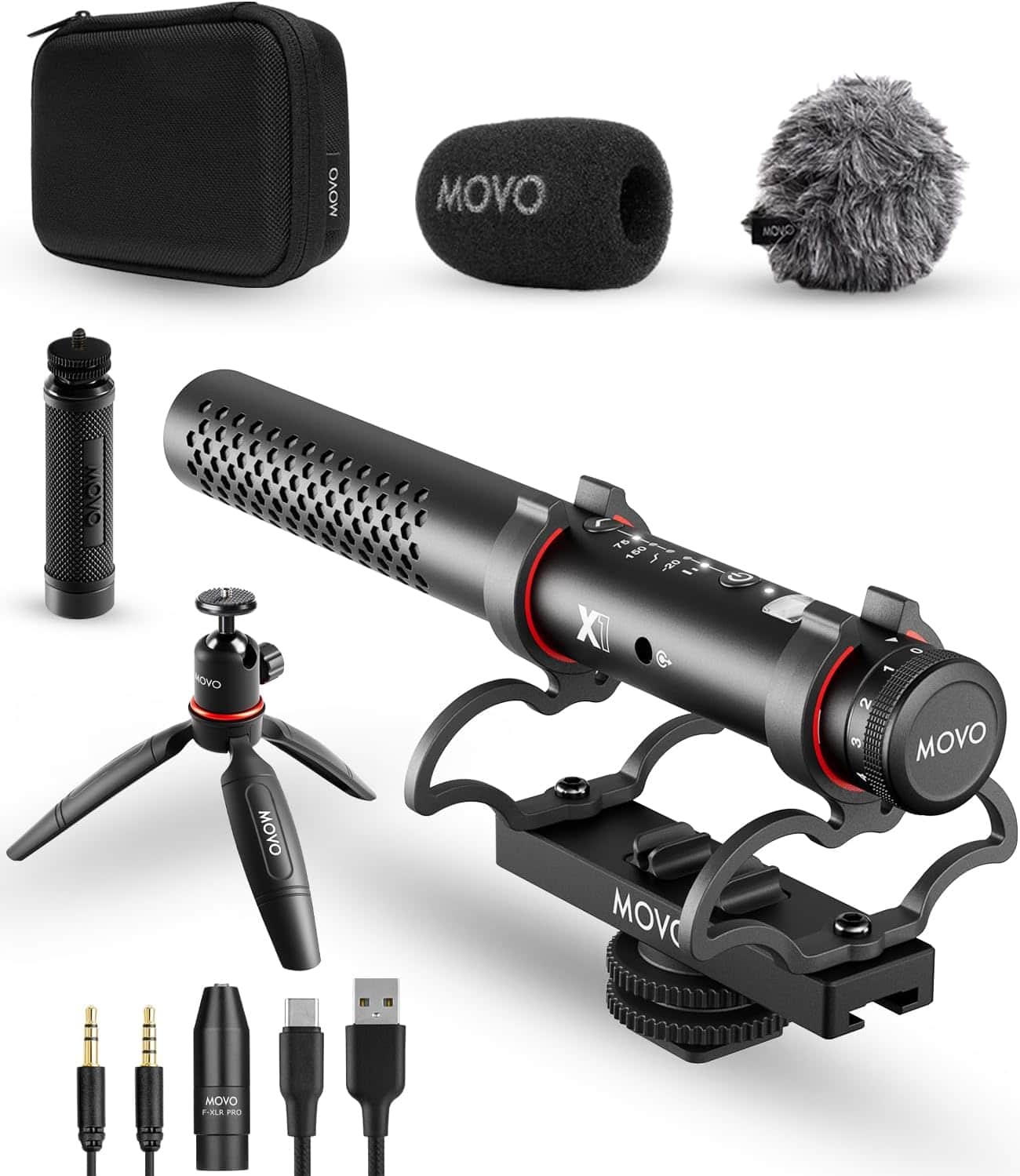
MOVO - X1 Supercardioid Shotgun Microphone - 3.5mm/XLR/USB-C Camera Mic for DSLR, Smartphones, and Computers
SKU: J3LVLQ3TYPSee all Camera MicrophonesProduct Description
A versatile black supercardioid shotgun microphone offering advanced audio controls and universal device compatibility.Your price for this item is $169.95Save $30The previous price was $199.95 -
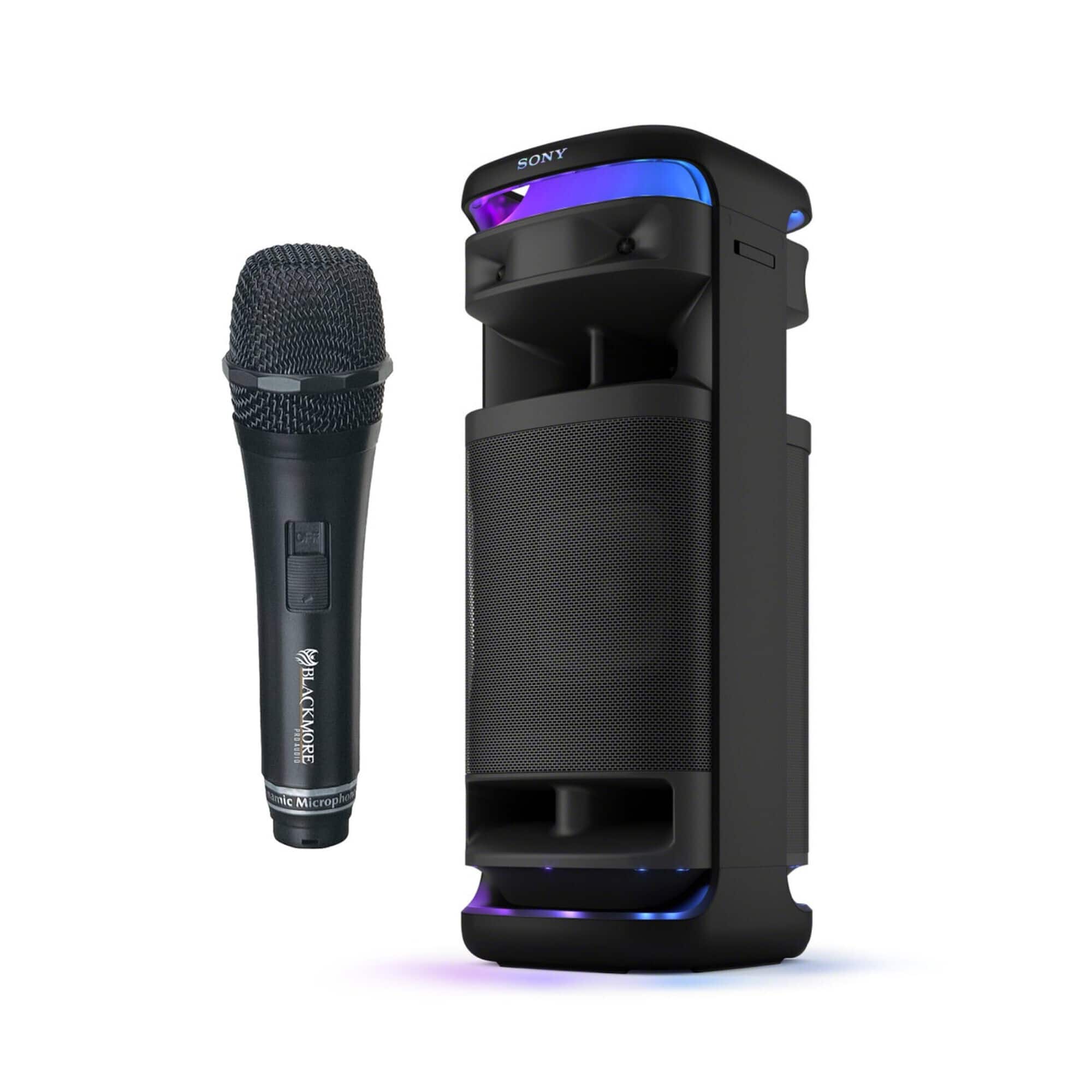
Sony - ULT TOWER 10 Party Speaker - SRSULT1000 Wired Unidirectional Dynamic Microphone Bundle - Black
SKU: JJG2FXYVL3See all Bluetooth & Wireless SpeakersProduct Description
A powerful black party speaker bundle with wireless and wired microphones for dynamic, immersive audio experiences.Your price for this item is $1,199.99 -
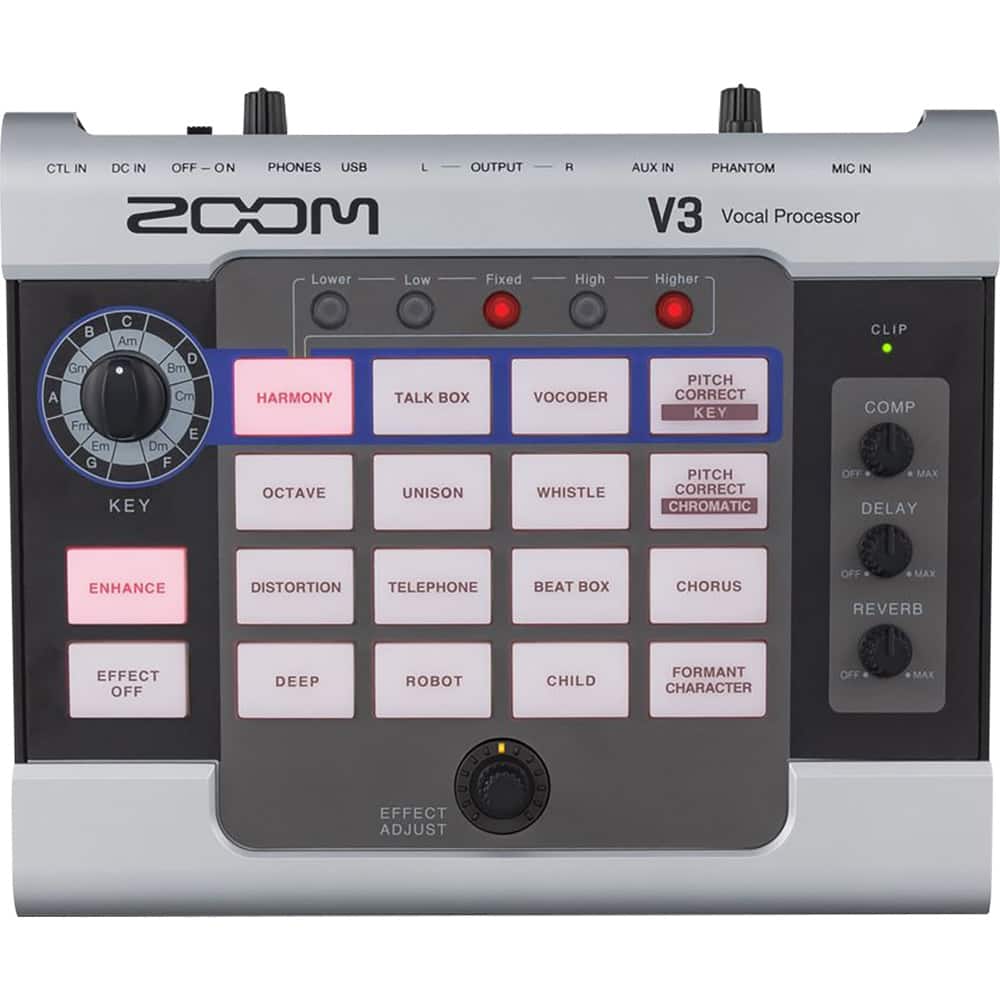
Zoom - V3 Multi-Effects Vocal Processor ZV3
SKU: J3K5G4G9PSSee all Voice RecordersProduct Description
A versatile vocal processor offering 16 effects, 3-part harmonies, pitch correction, and USB audio interface.Your price for this item is $279.99
Best Sellers


Related Pages

FAQ
When choosing a vocal microphone for recording, consider factors such as microphone type (condenser or dynamic), polar pattern (cardioid, omnidirectional, etc.), frequency response, connectivity (USB or XLR), and included accessories like shock mounts or pop filters. These features can help you achieve clear and professional-quality vocal recordings.
USB microphones are convenient and easy to use, making them a great choice for home studios, podcasts, and streaming. While many USB microphones offer excellent sound quality, professional studios often prefer XLR microphones for their flexibility and higher audio fidelity. However, modern USB microphones can still deliver impressive results for most vocal recording needs.
Condenser microphones are sensitive and capture a wide range of frequencies, making them ideal for studio vocal recordings. Dynamic microphones are more durable and handle higher sound pressure levels, which makes them suitable for live performances and certain recording environments. For most studio vocals, condenser microphones are recommended.
Depending on the microphone type, you may need additional equipment such as an audio interface (for XLR microphones), a microphone stand, pop filter, and headphones for monitoring. Many USB microphones are plug-and-play, but accessories like shock mounts and pop filters can further enhance your recording quality.
Yes, many vocal microphones, especially condenser types, can also be used to record acoustic instruments like guitars, pianos, and strings. However, the best microphone choice may vary depending on the instrument and desired sound, so check the microphone’s specifications for versatility.