Buying and Using a Voice Recorder: What You Need to Know

Best Selling Products carousel(6 Items)
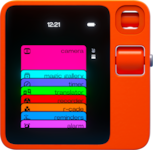
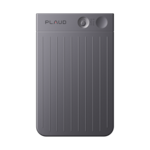
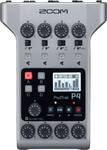
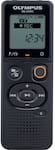

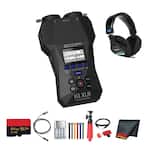
If you've ever had a moment where you wished you'd captured a conversation, a meeting or even just a random thought that struck gold while you were out and about, you're not alone. Voice recorders have come a long way from the bulky cassette-tape devices of the past. Today, they’re sleeker, smarter and far more versatile. Whether you're a student trying to keep up with fast-paced lectures, a journalist conducting interviews, a musician chasing inspiration or someone who just wants to organize thoughts more effectively, there's a good chance a voice recorder could be a game-changer in your daily routine.
Before diving in and buying the first gadget you see online, it's important to understand the different types of voice recorders available, their various uses, what to look for when buying one and, importantly, what the law says about using them—especially if you're planning on recording conversations involving other people.
Types of voice recorders and what they're good for
There’s a wide range of audio recording devices on the market, from basic to professional-grade. The type you choose really depends on your needs.
Digital voice recorders are the most common. They’re easy to use, typically compact and have enough storage to handle hours of recordings. These are ideal for general note-taking, interviews, lectures and meetings. Many modern digital recorders come with built-in USB plugs for easy file transfers, and some even support converting a voice memo to text, which is handy if you're trying to streamline your notes.
Voice activated recorders are a niche but incredibly useful tool if you're trying to capture sound passively. These devices begin recording only when they detect sound, which saves battery life and storage space. If you’re trying to monitor background noise, capture spontaneous speech or avoid the hassle of starting and stopping the recorder constantly, this is a great option.
Then there are mini voice recorders and small recording devices, perfect for situations where discretion or portability is key. Think of situations where carrying a bulky recorder would be a nuisance—maybe you're on a hike and want to record thoughts for a podcast, or you’re a private investigator (hey, it’s a legit use-case!) trying to capture conversation without drawing attention. These small voice recorders can fit in a pocket, bag or even be clipped to clothing.
For creatives, the best portable audio recorder or best microphone for recording vocals often means stepping up to professional-grade equipment. These recorders usually have higher-quality microphones, options for external mic input and settings to adjust audio levels. They’re ideal for music recording, podcasting and even field recording for video production. If your goal is crystal-clear sound with minimal background noise, you’ll want to aim for the best audio recording device your budget allows.
Common uses for voice recorders
It’s pretty wild how many different ways people use recording devices today. Students often rely on them to capture lectures without the need to scribble every word down. Journalists and researchers use them for interviews and fieldwork. Creatives like musicians and podcasters use them to record melodies, lyrics or full-on production audio on the go.
Even in corporate settings, digital recorders are used during meetings, brainstorming sessions or conferences. Some people use them for personal growth—recording affirmations, journaling aloud or even keeping track of dreams and thoughts they might forget by the time they get home. Voice memos are also increasingly being used for transcription purposes, especially with the growing popularity of voice-to-text apps and services.
And don’t forget about more unconventional uses—some people use a voice recorder online when they don’t have a device handy but still want to capture a quick idea. These web-based tools can be surprisingly effective in a pinch, though they may not always offer the best audio quality or privacy protection.
Things to consider when buying a voice recorder
When you're trying to choose the best voice recorder for your needs, there are a few key things to keep in mind:
- Audio quality. Look for high bitrates and adjustable mic sensitivity if clarity is crucial.
- Battery life. Long recordings mean you’ll need a device that can keep up.
- Storage capacity. A recorder with a memory card slot can save the day.
- Portability. If you’re constantly on the move, a compact design is essential.
- Interface. A user-friendly interface can save you a lot of frustration.
- File format support. MP3 is common, but some devices also support WAV or other higher-quality formats.
And, of course, compatibility with your computer or phone—there’s nothing worse than realizing your recorder uses a proprietary file type you can’t easily access.
Legal considerations: is it illegal to record someone without their consent?
Before you hit “record,” it’s really important to consider the legal side of things. You might be wondering: is it illegal to record someone without their consent? The answer varies widely depending on where you are.
In the United States, recording laws are set at the state level. Some states operate under "one-party consent" laws, meaning as long as one person involved in the conversation consents to the recording (which could be you), it's legal. Other states have "two-party" or "all-party" consent laws, meaning everyone involved must agree to be recorded. Breaking these laws can have serious consequences—fines, lawsuits or even criminal charges. So, before you start recording a conversation—especially if you're planning to share or publish it—do your research.
Finding the best recording device for you
Choosing the best recording device comes down to one thing: what do you need it for? There’s no single “perfect” solution—just the right tool for the job. Whether you’re looking for a sound recorder to capture professional audio, a voice memo tool for thoughts on the go or just a reliable voice recorder device for everyday use, today’s options offer a ton of flexibility. They make excellent gift ideas, and with their versatility, they’re among the top tech gifts.
You don’t need to be a tech wizard to find a device that suits you. Start with the basics—figure out your primary use case, set a budget and consider whether size, audio quality or convenience matters most to you. And if you're ever in doubt, remember: sometimes the best voice recorder isn’t the most expensive or feature-packed, but the one you’ll actually use regularly.
So go ahead—record that song, document that interview or capture those fleeting thoughts before they disappear. Just make sure you’re doing it responsibly, legally and with the right voice recording tool in hand.