How Technology Can Help Seasonal Affective Disorder
Best Selling Products carousel(5 Items)
![Circadian Optics - Light Therapy Lamp [LEO] UV-Free LED Happy Mood Full Spectrum Sun Light Lamp with 10,000 Lux for Seasonal Sunlight - Gray](https://pisces.bbystatic.com/image2/BestBuy_US/images/products/833c2174-d023-478e-993d-4e431e15bc6a.jpg;maxHeight=150;maxWidth=170)
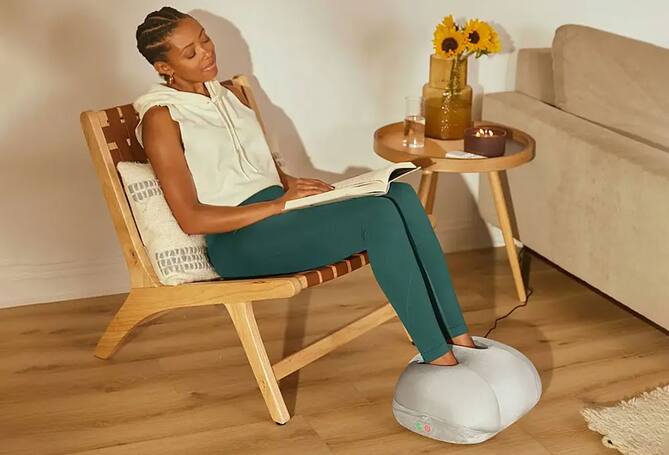
Tips to boost mental health all year long
How do you know if you have seasonal affective disorder?
What are the causes of SAD?
Millions of people experience seasonal affective disorder every year. Medical expertise doesn't always understand the reasons for it, but there may be several contributing factors. Research shows that individuals who have deficient levels of vitamin D or serotonin in their bodies may be at a greater risk for suffering from SAD. Overproduction of melatonin may be a factor as well.
Who does seasonal affective disorder affect in the population? It generally occurs more often in women than in men. It happens most often in areas that have drastically shortened daylight hours during winter. People who already have mental health conditions, such as bipolar disorder or depressive disorder, are more likely to experience it. There is even evidence that SAD runs in families, so it may have a genetic component.
Prepping for seasonal change
Techniques for dealing with SAD
There are several techniques that can help with seasonal affective disorder when it hits the hardest. One thing you can do is exercise regularly. Set an alarm on your smartphone to remind you and stick with it every day. Outdoor exercise works best as it gets you sunlight and vitamin D. Another thing you can do is practice mindfulness. Focus on things you like about the season whenever you feel hopeless. Think about what you like about yourself as well.
If you worry about maintaining new habits, enlist a friend or pet to keep you going. Make social events or walking your dog a priority and try not to stay at home even if it feels comfortable. Staying active is key. Don't allow yourself to sleep during the day or oversleep in the morning as this may cause lethargy. Invest in smart home devices that help you get out of bed, such as smart lighting that turns on at a certain time each day. Getting a whiff of coffee in the morning might boost your mood, so programming a coffee maker to brew a fresh pot first thing is a good idea to get you going. You should also avoid alcohol during your roughest months because it can lower your mood and may lead to an unhealthy reliance on substances.
Tools to help you deal with SAD
There are some products that can assist you in your efforts against SAD. A simple journal, whether on paper or a journaling app on your tablet, can help you keep track of trends in your depression, as well as where your weak points are in sleep and activity.
Light therapy is one of the most recommended treatments for SAD. For example, a lightbox is a device that delivers a daily dose of much-needed vitamin D that you may be lacking from the sun during colder months. You can try dawn simulator alarm clocks that awaken you with light rather than noises. This helps keep your body on track with its sleep-wake cycle, even when the days get shorter, and dawn comes later. Aromatherapy shows positive effects for people with SAD because certain essential oils decrease anxiety symptoms and promote activity. You can use aroma sticks, diffusers or wearable aroma jewelry for this purpose.
What doctors say about SAD
While you can help relieve the symptoms of SAD on your own, it's important for you to speak with your doctor about your condition and how to manage it. They may mention some tools and techniques listed here, but they may also suggest supplements and antidepressants or anxiety medication. With their help, you may determine if there is a root cause of your specific type of SAD. Then, you can treat the underlying condition rather than the symptoms. They may refer you to a therapist to aid in navigating your rough months. Ask about cognitive-behavioral therapy (CBT) as it shows positive results in studies.
Seasonal affective disorder affects up to 3% of the United States population, so if you suffer from it, you're not alone. These tips can help you fight feelings of depression brought on by SAD and get through the season a little easier. If you experience thoughts of suicide or harm, please reach out to your therapist, or contact the National Suicide Prevention Lifeline at (800) 273-8255. SAD doesn't have to control your life.
Additional information:
These statements and any information contained herein are intended for educational purposes only and are not meant to substitute for medical care or to prescribe treatment for any specific health condition. Carefully review product labels for instructions and important safety information and consider consulting with a health care professional regarding your use of health and wellness products.