How to Choose the Best Bedding for You

Best Selling Products carousel(5 Items)
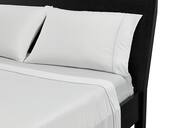
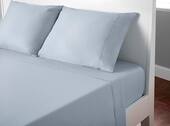
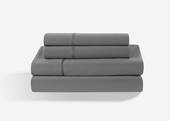
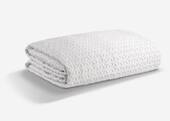
Different types of bedding
Hypoallergenic bedding
People who have allergies should look for hypoallergenic bedding. This bedding is designed with materials that make it difficult for allergens to survive, thus reducing the chance of an allergic reaction at night. Having a hypoallergenic mattress pad creates a barrier between you and any dust mites that are lurking in your mattress. At the same time, this extra layer of bedding helps prevent damage to your mattress from body oils, sweat and dead skin cells that you shed while you sleep.
Of course, you could opt to clean your mattress each week instead, or you can save yourself the hassle with a mattress protector that you can easily throw into your washing machine. The same goes for hypoallergenic pillows. These might be even more important if you are prone to allergies since this is what you lay your head on each night.
Cooling bed sheets
Types of blankets and comforters
Because of the changing seasons, you might need more than one covering for your bed to use at different times during the year. For instance, the best comforter for summer or spring is one made out of an airy material such as cotton. You could also use a lightweight blanket if a comforter feels too heavy. Similar to sheets, the best comforters for hot sleepers are ones that are breathable and made from cooling materials.
In the fall and winter, many people choose to make their beds with flannel sheets and down comforters that help seal in the heat. For those who can’t seem to get warm enough at night, there are electric blankets to keep them toasty. Another type of blanket that is nice to have in cooler temperatures is a weighted blanket. These blankets apply a calming pressure to help you relax and drift off to sleep. And if you need extra warmth, some models have a heated feature, like a traditional electric blanket.