How to Power Up Your Outdoor Vacations
Best Selling Products carousel(5 Items)
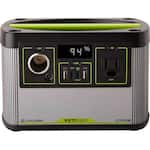
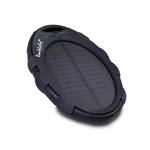
When it’s time for vacations, many people opt for road trips and camping adventures. Spending a few days in the great outdoors is a perfect way to take a break from screens and just enjoy being present in the moment. But that doesn’t mean that you won’t want to edit pictures or video while on the road, fit in a quick virtual call, or watch a movie in your tent.
Even if you are leaving entertainment devices turned off, you still might like to turn on some camping lights for ambiance. To do that, you’ll need a reliable way to generate and store power. Since there’s a good chance you won’t have access to an electrical outlet at your campsite, keep reading to discover alternative ways to juice up your gear.
Put your car battery to use
One popular method for powering e-readers and other handheld devices is using your vehicle’s battery power. This is easily accomplished with a car charger or an inverter for larger devices that have a conventional plug rather than a USB. However, remember to use this method sparingly and only when the car is on. This is because you don’t want to drain the battery in your car or truck to the point that it won’t start when you need to get back home.
While automotive batteries can power small devices, they do not have the capacity to power larger camping gear, such as fans, power tools and hot plates. These devices include motors and heating elements that require more energy than your car battery can safely provide. Instead, consider solar power options for these needs.
Consider solar power for camping or backpacking
When setting off on a camping or backpacking trip, you’re usually hoping for sunny weather. Not only does sunshine provide warmth while you hike, but it can also be converted into a power source. In fact, with a simple solar panel and battery kit, you can gather enough energy to recharge a phone or handheld GPS device.
When it comes down to what size solar panel you need, the basic rule of thumb is the larger the panel surface area, the more energy you can gather. If you’re backpacking for more than a few days, a lightweight, compact set of solar panels will give you enough juice to recharge a small device like a two-way radio. For when you’re camping, a larger solar panel and battery pack can charge up the mini fridge inside your RV or the outdoor string lights placed around your campsite. You can even install solar panels on the roof of your vehicle for ease of use if you travel frequently.
No matter which size of panels you choose, make sure you don’t skip the battery pack. You never want to hook your panels directly to a device you’re recharging. That’s because the sun’s energy is inconsistent due to cloud cover and time of day, so the power captured by the panels will vary, which can hurt your electronics. A battery will serve as a buffer that delivers a consistent level of energy to your equipment.
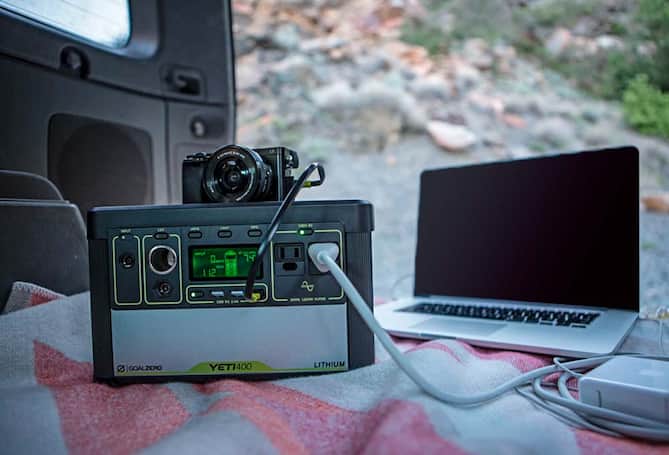
Charge a portable power pack before you leave
Know the pros and cons of traditional generators
If you need to run equipment with high energy requirements while out in the wilderness, such as a space heater or a portable electric grill, you will need a generator with more power than most portable solar setups provide.
The most popular option in this situation is a gas or diesel generator. This is the power source most often used by RV travelers. These machines are easy to transport, especially if you have a larger vehicle, and they provide a lot of energy.
However, these types of generators have several downsides, such as noise level, exhaust smell, greenhouse gas emissions and fuel usage. Additionally, some gas generators are finicky in cold temperatures, so diesel is a more reliable option if you’re outdoor vacation is during a cold snap. Either way, you will need to haul the fuel for the generator with you, which requires caution because it is highly flammable.
In other words, you should consider generators that rely on fuel only if you really need high wattage for your outdoor activities. Otherwise, stick with solar generators. They’re not only a more convenient option, but they also help promote sustainable living.