Tools to Keep You Safe in the Kitchen

Best Selling Products carousel(5 Items)
Spending time in the kitchen cooking or baking can have many positive effects. For some, time in the kitchen brings out creativity, joy and a healthier lifestyle. But beyond these rewards, cooking can come with a few risks. Poor preparation, technique or tools can lead to possible injuries or illness.
To keep you and your family safe, here are some handy items to help prevent common kitchen hazards:
Knife sharpeners.
This might sound like the opposite of what you were expecting, but sharp knives are safer knives. Dull knives can be more dangerous because it’s easier to lose control of the blade when you must use more pressure to cut. So, it’s essential to keep your knives sharpened.
You can use a knife-sharpening service or buy an electric or manual knife sharpener to do it yourself. Your sharpening frequency depends on how often you use each knife, which is one of the reasons it’s nice to have a sharpener at home. You can sharpen knives as needed rather than waiting until enough of them become dull to warrant a trip to a professional.
Food thermometers.
One of the most common forms of food poisoning comes from eating undercooked meat. Without the proper tools, you could end up with a raw chicken or an overcooked, dry roast.
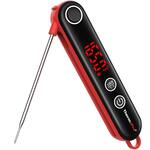
Fortunately, a reliable meat thermometer can help. When inserted, the thermometer will measure the internal temperature of meat, poultry, and fish so that you know whether the cut has reached a safe consumption level. You can also use a meat thermometer to aim for the perfect rare, medium, or well-done steak.
For design, you can find classic analog food thermometers that utilize a printed temperature scale and moving arrow. Or, if you want an easy-to-read digital display, you can find a variety of digital thermometers, including smart thermometers with Bluetooth connectivity.
Proper kitchen storage.
Sometimes cooking requires doing things in a hurry. If you have a sauce simmering and you need to stir in the next ingredient, you may be in a rush to find the right utensil or measurement tool.
Organization is the key to eliminating struggle (and, thereby, accidents and mistakes) in the kitchen. With a thoughtful system, you can keep your cooking going with less mess and less stress.
Try using drawer dividers, trays, cabinet organizers and shelving racks to keep everything handy and easy to find for an organized kitchen. Some kitchen storage can be especially useful to keep things safe and secure. Knife blocks and magnetic strips can keep your sharp kitchen tools in place and out of reach for little ones.
Separate cutting boards for raw meat.
Babyproofing.
If you have kids, you know how easily they can get into things they shouldn’t. So, it’s important to build in precautions for their safety (and your sanity).
You can keep your kids out of danger by baby-proofing your kitchen cabinets. Place child-proof latches and locks on the drawers and cabinets that contain your knives, chemicals, or other items you don’t want your children to touch. You can also baby-proof your kitchen appliances. For gas and electric stoves, you can find protective knob covers to avoid accidents with the burners. Some machines, like dishwashers, can have built-in locking features, but you can also find attachable locks for refrigerators, freezers, and other off-limits appliances.
Food storage containers.
You might want to think twice about throwing that plate of leftovers in the fridge without covering it. Leaving food exposed, even in the refrigerator, allows opportunities for contamination.
You can find reusable food storage containers for your leftover meals or ingredients that seal for easy and convenient covering. These items allow you to protect your food and keep your produce fresher longer.