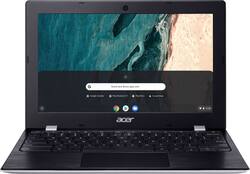
Acer - 11.6" HD- Chromebook 311- Intel Celeron N4000-4GB Memory -32GB eMMC
- Key Specs
- Screen Size: 11.6 inches (Size of the screen, measured diagonally from corner to corner.)
- Screen Resolution: 1366 x 768 (HD) (Screens come in a range of resolutions (measured in pixels, horizontal x vertical). The higher the resolution, the greater the picture quality.)
- Touch Screen: false (Touch-screen devices make navigating more intuitive. Using a touch-screen display, you can do things such as tap to select, hold and drag to move items, swipe to scroll, and pinch to zoom.)
- Processor Model: Intel Celeron (Your computer's processor is like its brain. Working in combination with system memory, the power of the processor determines the complexity of software you can run, how many programs you can have open at the same time, and how fast those programs will run. Most computers feature an AMD, Intel or Snapdragon processor.)
- Storage Type: eMMC
- Total Storage Capacity: 32 gigabytes
- System Memory (RAM): 4 gigabytes (Random-access memory (RAM) is a computing device's short-term data storage, which allows active information to be accessed quickly. The size and type of RAM determines how efficiently the device can handle large amounts of information at one time. For example, gaming or video editing requires more RAM for optimal performance.)
- Graphics: Intel UHD Graphics 600 (Often referred to as a "graphics processing unit" (GPU), this device is responsible for displaying image content and decoding/encoding video content in programs and games.)
- Backlit Keyboard: false (Integrated lights allow for visibility of the keys in low-light conditions.)
- General
- Brand: Acer
- Model Number: CB311-9H-C12A
- Product Name: 11.6" HD- Chromebook 311- Intel Celeron N4000-4GB Memory -32GB eMMC
- Year of Release: 2021
- Display
- Display Type: LED
- Screen Size: 11.6 inches (Size of the screen, measured diagonally from corner to corner.)
- Screen Resolution: 1366 x 768 (HD) (Screens come in a range of resolutions (measured in pixels, horizontal x vertical). The higher the resolution, the greater the picture quality.)
- Touch Screen: false (Touch-screen devices make navigating more intuitive. Using a touch-screen display, you can do things such as tap to select, hold and drag to move items, swipe to scroll, and pinch to zoom.)
- Processor
- Processor Brand: Intel
- Processor Model: Intel Celeron (Your computer's processor is like its brain. Working in combination with system memory, the power of the processor determines the complexity of software you can run, how many programs you can have open at the same time, and how fast those programs will run. Most computers feature an AMD, Intel or Snapdragon processor.)
- Processor Model Number: Intel® Celeron® N4000 Dual-Core Processor
- Storage
- Storage Type: eMMC
- Total Storage Capacity: 32 gigabytes
- eMMC Capacity: 32 gigabytes (The amount of data that can be stored on the device's embedded Multimedia Card (eMMC). eMMC is a flash-based storage used in smartphones and personal computers; it typically has a smaller capacity than HDD or SSD storage.)
- Memory
- System Memory (RAM): 4 gigabytes (Random-access memory (RAM) is a computing device's short-term data storage, which allows active information to be accessed quickly. The size and type of RAM determines how efficiently the device can handle large amounts of information at one time. For example, gaming or video editing requires more RAM for optimal performance.)
- Type of Memory (RAM): LPDDR (Each type of RAM delivers a different level of speed, bandwidth, energy efficiency and performance.)
- Graphics
- Graphics Type: Integrated (Dedicated graphics uses a separate graphics card for processing video images. Because it does not use memory from the system's RAM, there is no extra burden on the CPU and graphics are processed more efficiently. Integrated graphics shares system RAM to process video images.)
- GPU Brand: Intel
- Graphics: Intel UHD Graphics 600 (Often referred to as a "graphics processing unit" (GPU), this device is responsible for displaying image content and decoding/encoding video content in programs and games.)
- Compatibility
- Operating System: Chrome OS (The operating system manages all software and hardware, including files, memory and connected devices. Most importantly, it lets you interact with your device and your programs in a visual way; otherwise, you'd be typing computer code to get anything done.)
- Camera
- Front-Facing Camera: false
- Features
- Backlit Keyboard: false (Integrated lights allow for visibility of the keys in low-light conditions.)
- Certifications Listings & Approvals
- ENERGY STAR Certified: false (Devices carrying the ENERGY STAR service mark, such as computer products and peripherals, kitchen appliances, and other products, generally use 20% to 30% less energy than required by federal standards.)
- EPEAT Qualified: false (The Electronic Product Environmental Assessment Tool (EPEAT) was designed to provide an environmental assessment tool for purchasers. In order to qualify for EPEAT, a product must meet all 23 required criteria.)
- Other
- UPC: 193199473080
Designed For Convenience Be dialed in—all the time, everywhere and anywhere—with the Acer Chromebook 11. Recognized as the perfect multi-media companion, this special machine is super thin, extra light and delivers unmatched value in today’s fast-paced, technology-driven world. It features an impressive HDR camera, fast wireless connectivity and a long-lasting battery life, so you can run your favorite Google apps or access your photos, videos, music and documents—all day long.
- Companion On-the-Go: Powered by an Intel® Celeron® processor, the Chromebook loads content-rich webpages fast, provide crisp video playback, and enable you to multitask effortlessly by allowing multiple pages to run at the same time.
- Effortless Mobility: At just 0.71 inches thin and weighing less than 2.35 lbs, this Chromebook floats like a butterfly and slips into your bag with ease
- All Day Battery Life: “All day”? Could mean a lot of things depending on who you talk to. We figure with up to 10 hours of battery operation, you’ll agree, whatever you call a day, we’ve got you covered
- Flexible Connectivity: Two USB Type-C ports for ultra-quick data transfer, video streaming, and battery charging. The reversible USB 3.1 Type-C™ connector is the same at both ends and on both sides, so it’s easy to attach. USB 3.1 is 10 times faster than USB 2.0.
- Stay Productive: Fast boot times, ease of use, tough security and a long battery life are some of the advantages of Chrome OS. With a boot time of about 8 seconds you’ll start working quicker; the simplified interface makes it easy to learn; integrated malware protection stops viruses in their tracks
Q: Does it come with a charger
A: All Acer Chromebooks and laptops include an AC adapter/power cord.
Q: what year google updates end for this chromebook model?
A: The AUE for this Chromebook is June 2026.
A: That is a typo. All Acer laptops and Chromebooks have a front facing webcam.
Q: Does this come with a web camera for video meetings?
A: All Acer Chromebook and laptops include a built in webcam.
A: 11.6" 16X9 HD, IPS, LED, LCD display (1366 x 768) ComfyView (Matte) with UHD Graphics 600 easy to share screen wide angle screen
Q: What is the maximum size sd card it will take...
A: undefined
A: undefined
Q: Does this have a place for a cd to go?
A: No it does not... a usb stick, yes
People also viewed
 Clearance$230.99The price was $329.99
 $198.00The price was $249.00
 $205.00The price was $229.00
 $277.99The price was $429.00
 $196.00The price was $319.00
 Clearance$199.99The price was $279.00
 $329.00The price was $429.00
 $70.00The price was $139.00
 $94.99The price was $99.99
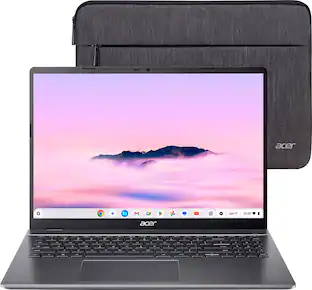
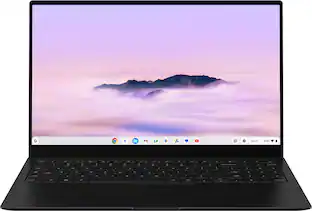

Today's top picks
 $199.99The price was $249.99
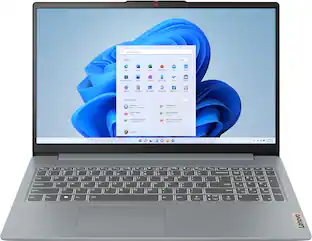 $479.99The price was $729.99
 $789.99The price was $1,049.99
 $799.99The price was $1,199.99