Allo Darlin' - We Come from the Same Place - COMPACT DISCS [CD]
Reviews coming soon
About this product
Allo Darlin' - We Come from the Same Place [COMPACT DISCS] UK - Import date 10/14/2014
Specifications
- GenreRockDescriptionAllo Darlin' - We Come from the Same Place [COMPACT DISCS] UK - Import date 10/14/2014ArtistAllo Darlin'TitleWe Come from the Same PlaceFormatCDLabelFortuna Pop
Reviews
This product doesn't have any reviews yet.
Compare similar products

Allo Darlin' - We Come from the Same Place [COMPACT DISCS] UK - Import date 10/14/2014
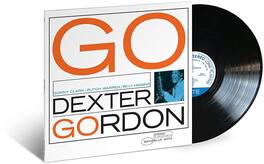
Limited 180gm vinyl LP pressing. Featuring a quartet with Sonny Clark on piano, Butch Warren on bass, and Billy Higgins on drums, GO! Was a showcase of Gordon's limitless creativity on hard-swinging numbers like InchCheese CakeInch and InchLove for Sale,Inch as well as his peerless artistry on ballads as evidenced on InchI Guess I'll Hang My Tears Out to DryInch and InchWhere Are You.Inch This Blue Note Classic Vinyl Edition is all-analog, mastered by Kevin Gray from the original master tapes, and pressed on vinyl at Optimal.

Five years on from the wantonly indecent 20 Buck Spin-released debut EP Pulsing Dark Absorptions, Philadelphia's Daeva rise like blistering flames from the hellish depths with the long-smoldering first album Through Sheer Will And Black Magic... A fiery maelstrom of early demonic black metal and jagged edge thrash convulsions forms the inherent basis of the album, where Daeva have perfected their art like gleaming, forged steel. Within this blueprint for madness guitarist Steve Jansson imposes a deliberate brandishing of death metal's maggot-strewn corpse and a vigorously lethal dose of pure '80s metal spirit and zeal. The journey through these scorched wastelands persistently guided by the venomously inventive acid-tongue of vocalist Edward Gonet. Song after song, riff after riff, the Arthur Rizk-produced Through Sheer Will And Black Magic is an insatiable and unstoppable whirlwind of unearthly pleasures and infernal butchery. Storming the gates of heaven with voracious exhilaration, Daeva inflict the ultimate triumph of hell upon the feeble sheep of the light.

With well-received albums of his piano trios, piano music and music for chamber orchestra, Brilliant Classics has expanded the horizons of many listeners to Ermanno Wolf-Ferrari (1876-1948). Previously known principally for his operatic and dramatic works such as I Gioelli della Madonna, Wolf-Ferrari built up a body of instrumental music that was played across Europe during his lifetime. Association with Mussolini's Fascist regime cast a shadow over his postwar reputation and only in recent years have listeners been able to rediscover the music of an inveterate Romantic. The First Violin Sonata was written while the 19-year-old Wolf-Ferrari was still studying with Joseph Rheinberger in Munich. However, it's long-breathed melodies and grasp of large-scale form bely it's composer's relative inexperience. All the same, the Brahmsian contours of the First Sonata are succeeded in the Second by a more personal idiom, one that more successfully integrates Wolf-Ferrari's lifelong allegiances to both German and Italian schools of composition. Dating from 1901, it sings with a stern, almost austere passion rather in the manner of the composer's Belgian contemporary Cesar Franck; the second of the sonata's two movements has an especially sacred character and ends in a mood of serenity. The Third Sonata is a very late work, dating from 1943, while Wolf-Ferrari was giving concert tours through Axis countries. In parallel with the evolution of the trio of sonatas by Brahms, this E major work has a neoclassical character maintained throughout the suppressed passion of it's four compact movements there is even an excursion into strict counterpoint in the first movement's development section, and the finale returns to the work's opening theme, now touched by both irony and tenderness.