Black Cultural History & Heritage: Frederick Douglass: Leader of the Abolitionist Movement - DVD
Reviews coming soon
About this product
Frederick Douglass (born Frederick Augustus Washington Bailey, c. February 14, 1818 - February 20, 1895) was an American social reformer, abolitionist, orator, writer, and statesman. He became the most important leader of the movement for African-American civil rights in the 19th century. Join us as we delve into his life, born into slavery in Talbot County, Maryland, in 1818. He would rise to become one of the most renowned intellectuals of his era. His incredible journey from an enslaved child, separated from his mother at birth, to one of the 19th century's most eloquent speakers is truly remarkable. Despite a state law prohibiting the education of slaves, young Frederick learned the alphabet and a few basic words from Sophia Auld, the wife of Baltimore slaveholder Hugh Auld. His lessons were abruptly halted when Auld admonished his wife, warning that an educated slave would become unfit for servitude. From that moment, Frederick knew that education was his key to freedom. This series explores the resilience, innovation, and lasting contributions of African Americans, serving as a rich educational resource for classrooms, academic discussions, and lifelong learners of history.
Specifications
- GenreDocumentaryDescriptionFrederick Douglass (born Frederick Augustus Washington Bailey, c. February 14, 1818 - February 20, 1895) was an American social reformer, abolitionist, orator, writer, and statesman. He became the most important leader of the movement for African-American civil rights in the 19th century. Join us as we delve into his life, born into slavery in Talbot County, Maryland, in 1818. He would rise to become one of the most renowned intellectuals of his era. His incredible journey from an enslaved child, separated from his mother at birth, to one of the 19th century's most eloquent speakers is truly remarkable. Despite a state law prohibiting the education of slaves, young Frederick learned the alphabet and a few basic words from Sophia Auld, the wife of Baltimore slaveholder Hugh Auld. His lessons were abruptly halted when Auld admonished his wife, warning that an educated slave would become unfit for servitude. From that moment, Frederick knew that education was his key to freedom. This series explores the resilience, innovation, and lasting contributions of African Americans, serving as a rich educational resource for classrooms, academic discussions, and lifelong learners of history.TitleBlack Cultural History & Heritage: Frederick Douglass: Leader of the Abolitionist MovementFormatDVDMPAA RatingNRStudioTMW Media Group
Reviews
This product doesn't have any reviews yet.
Compare similar products
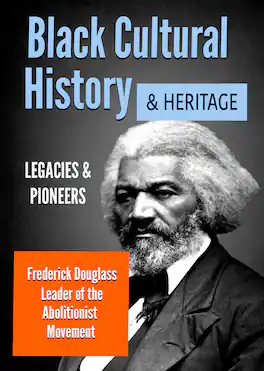
Frederick Douglass (born Frederick Augustus Washington Bailey, c. February 14, 1818 - February 20, 1895) was an American social reformer, abolitionist, orator, writer, and statesman. He became the most important leader of the movement for African-American civil rights in the 19th century. Join us as we delve into his life, born into slavery in Talbot County, Maryland, in 1818. He would rise to become one of the most renowned intellectuals of his era. His incredible journey from an enslaved child, separated from his mother at birth, to one of the 19th century's most eloquent speakers is truly remarkable. Despite a state law prohibiting the education of slaves, young Frederick learned the alphabet and a few basic words from Sophia Auld, the wife of Baltimore slaveholder Hugh Auld. His lessons were abruptly halted when Auld admonished his wife, warning that an educated slave would become unfit for servitude. From that moment, Frederick knew that education was his key to freedom. This series explores the resilience, innovation, and lasting contributions of African Americans, serving as a rich educational resource for classrooms, academic discussions, and lifelong learners of history.
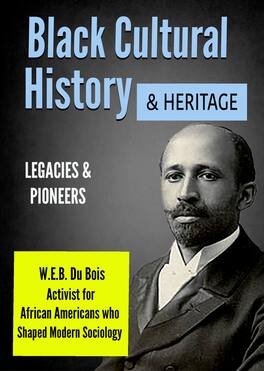
W.E.B. Du Bois (1868-1963) was a sociologist, historian, and civil rights activist who was a leader in the fight for racial equality. His work transformed how society viewed Black Americans. His 95 years were nothing short of extraordinary. He studied at Fisk University, Harvard, and the University of Berlin. As a scholar, he played a pivotal role in shaping modern Sociology. As an activist, he co-founded the NAACP. As a writer, he produced some of the most profound prose of the Twentieth Century, including The Souls of Black Folk and Black Reconstruction. As a public intellectual, Du Bois relentlessly fought against injustice, inequality, and prejudice through debates, speeches, editorials, and essays. As a propagandist, he challenged the prevailing assumptions of his era with powerful rhetoric and evocative imagery. This series explores the resilience, innovation, and lasting contributions of African Americans, serving as a rich educational resource for classrooms, academic discussions, and lifelong learners of history.
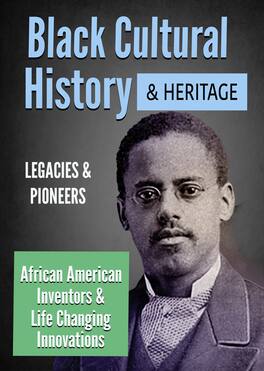
This program celebrates the incredible achievements of African American inventors whose work has transformed lives and industries. George Washington Carver revolutionized agriculture by promoting sustainable farming methods and discovering hundreds of uses for crops like peanuts and sweet potatoes. Garrett Morgan invented life-saving devices including the gas mask and the traffic signal, enhancing public safety worldwide. Lewis Latimer improved the design of the incandescent light bulb, making electric lighting more practical and accessible. Marie Van Brittan Brown co-invented the first home security system, pioneering the technology behind modern surveillance and safety systems. Granville Woods, known as the Black Edison, developed groundbreaking technologies in railway and communication systems, forever changing the way people connect and travel. This program highlights their perseverance, creativity, and enduring impact on the world, making it an inspiring resource for educators, students, and history enthusiasts. This series explores the resilience, innovation, and lasting contributions of African Americans, serving as a rich educational resource for classrooms, academic discussions, and lifelong learners of history.
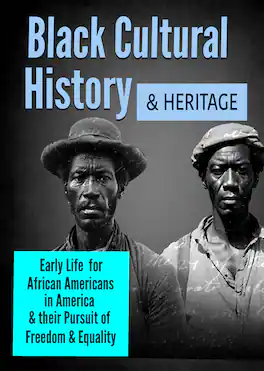
This program illuminates the incredible resilience and determination of African Americans in the early 1800s as they relentlessly pursued freedom and equality. Despite enduring unimaginable hardships under slavery, they resisted through acts of defiance, escape, and organized efforts in the abolitionist movement. From the Underground Railroad to freedom petitions and the powerful voices of Frederick Douglass and Harriet Tubman, African Americans were leaders in the fight for liberty. During the Civil War, their bravery reached new heights as over 180,000 African American men enlisted in the Union Army and Navy. By serving in regiments like the renowned 54th Massachusetts Infantry, they demonstrated their courage and unwavering commitment to securing freedom for themselves and future generations. This series explores the resilience, innovation, and lasting contributions of African Americans, serving as a rich educational resource for classrooms, academic discussions, and lifelong learners of history.