Cappella Musicale Di San Giacomo Maggiore In Bologna Cascio - Baruffe Amrose Del Settecento - COMPACT DISCS [CD]
Reviews coming soon
About this product
The Cappella Musicale di San Giacomo Maggiore in Bologna constitutes a vocal and instrumental group dedicated to the enhancement of the unpublished heritage of hidden treasures in the still unexplored musical archives. After the sacred works by Ippolito Ghezzi, Pirro Capacelli Albergati, and of the InchItalian Seicento in Spanish style,Inch the team directed by Roberto Cascio tackles the genre of the eighteenth-century comic intermezzo, which had great fortune in it's time among the composers of the theatrical genre, to then come up to the present day in the wake of the immortal Serva Padrona by Giovanni Battista Pergolesi. The two interludes proposed here are the InchPalandrana and ZamberluccoInch by Alessandro Scarlatti, the progenitor of that Eighteen century Neapolitan school in which Pergolesi will also grow, and the InchSelvaggia and DametaInch by anonymous composer. Both works are centered on comic amorous quarrels performed by two characters brought to the stage by the vocal parts of a contralto and a bass.
Specifications
- GenreClassicalDescriptionThe Cappella Musicale di San Giacomo Maggiore in Bologna constitutes a vocal and instrumental group dedicated to the enhancement of the unpublished heritage of hidden treasures in the still unexplored musical archives. After the sacred works by Ippolito Ghezzi, Pirro Capacelli Albergati, and of the InchItalian Seicento in Spanish style,Inch the team directed by Roberto Cascio tackles the genre of the eighteenth-century comic intermezzo, which had great fortune in it's time among the composers of the theatrical genre, to then come up to the present day in the wake of the immortal Serva Padrona by Giovanni Battista Pergolesi. The two interludes proposed here are the InchPalandrana and ZamberluccoInch by Alessandro Scarlatti, the progenitor of that Eighteen century Neapolitan school in which Pergolesi will also grow, and the InchSelvaggia and DametaInch by anonymous composer. Both works are centered on comic amorous quarrels performed by two characters brought to the stage by the vocal parts of a contralto and a bass.ArtistCappella Musicale Di San Giacomo Maggiore In Bologna CascioTitleBaruffe Amrose Del SettecentoFormatCDLabelTactus Records
Reviews
This product doesn't have any reviews yet.
Compare similar products

The Cappella Musicale di San Giacomo Maggiore in Bologna constitutes a vocal and instrumental group dedicated to the enhancement of the unpublished heritage of hidden treasures in the still unexplored musical archives. After the sacred works by Ippolito Ghezzi, Pirro Capacelli Albergati, and of the InchItalian Seicento in Spanish style,Inch the team directed by Roberto Cascio tackles the genre of the eighteenth-century comic intermezzo, which had great fortune in it's time among the composers of the theatrical genre, to then come up to the present day in the wake of the immortal Serva Padrona by Giovanni Battista Pergolesi. The two interludes proposed here are the InchPalandrana and ZamberluccoInch by Alessandro Scarlatti, the progenitor of that Eighteen century Neapolitan school in which Pergolesi will also grow, and the InchSelvaggia and DametaInch by anonymous composer. Both works are centered on comic amorous quarrels performed by two characters brought to the stage by the vocal parts of a contralto and a bass.

Violoncello is a word that names the bass instrument of the violin family, an instrument of which the origin dates back to the beginning of the sixteenth century. However, the first document that contains this term is in a collection of sonatas by Giulio Cesare Arresti published in 1665. From a musicological point, this fact is of big importance because of it's philological use to standardize the word in the future as a fix term to name the instrument. Based on this background, the ensemble decided to choose a specific repertoire taking into account the historical context of the cello's use as a solo instrument. The main part of this instrumental journey is dedicated to the first collection of music for violoncello, the Ricercate sopra il Violoncello o clavicembalo, Opera Prima by Giovanni Battista degli Antonii, published in Bologna in 1687. Giovanni Battista degli Antonii, born in Bologna himself, was an organist and member of the Concerto Palatino as a trombonist and cornettist from 1650 to 1675. From 1684 he was member of the Accademia Filarmonica, as specified on the front cover of his Ricercate, along with the dedication of the composition to the duke Francesco Il d'Este.

Within this recording for the first time is brought to light the reading of the InchHistoria del Beato San MartinoInch, a devotional text of the beginning of the sixteenth century which narrates in a fresh and popular language the events of San Martino of Tours, through a colorful account of his life in a dialectal, proverbial and domestic jargon, which plunges us into the typical mixed atmosphere of divine and profane of the end of Humanism and beginning of the Renaissance. The reciting voice of Roberto Cascio is flanked by the instrumental ensemble of the Cappella Musicale di San Giacomo Maggiore in Bologna. The choice of music was based on the particular period of Italian music prevalent at the end of the 1400s and the beginning of the 1500s, and, in particular, on the widespread devotional-laud genre and the use of spiritual camouflaging (in fact, the melodies derived from the secular repertoire, which, in turn and very often, came from the many French composers who, at that time, frequented the most important Italian courts).
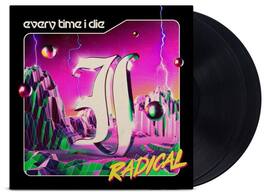
Double vinyl LP pressing. Every Time I Die is a loud rock institution committed to leaving an outpouring of chaotic passion and blissful malcontent all over their records and on the stage. The band's ninth studio album, Radical, is 16 tracks of peak-ETID, including raucous new anthems. They deliver what you have come to know and love and then diverge into new paths. To say that InchAll This And WarInch featuring guest vocals by Josh Scogins from The '68 is absolute brutal heaviness is an understatement. It's an addictive punch in the face, you'll want on repeat. The boys then run off to explore the dark haunted woods of a more somber and melodic side in the track InchThing With FeathersInch featuring Andy Hull from Manchester Orchestra. Radical proves with every track that it is a distillation of the strengths of their past, injected with their unyielding revelry and signature sarcasm while cognizant - and fiercely combative - of the present state of world affairs.
Specs
Be the first to ask a question.
We’ll try to get your question answered within 24 hours by a Best Buy customer or brand representative.