Cluster - Cluster 71 - VINYL LP
Reviews coming soon
About this product
2016 re- of Bureau B's 2010 reissue. 140-gram LP. Cluster's self-titled debut was originally released by Philips in 1971; this edition is the first reissue to restore the track running order of the original Philips . Includes liner notes by electronic avant-garde pioneer Asmus Tietchens. In 1998, The Wire listed Cluster's self-titled debut as one of 100 Records That Set The World On Fire (When No One Was Listening). Very few albums from Germany can lay claim to this honor. Cluster is a monster; it contains a mere three untitled tracks and was quite an ordeal for untrained ears when it was released. Yet the album pointed the way forward like no other electronic opus. Cluster's previous incarnation was a trio called Kluster. A change in direction and musical differences moved Dieter Moebius and Hans-Joachim Roedelius to split from the group's third member, Conrad Schnitzler, in 1970. The following year, in addition to playing live, they recorded their first album in Ralf Arnie's Star Musik Studio in Hamburg. Here they first met Conny Plank, who would himself become a legend. They remained close friends until Plank's death in 1987. Early Cluster music was new. New in the sense that it did not continue any tradition, instead laying the foundations for a future tradition. The duo's utter renunciation of conventional harmony and rhythm, embrace of near total aural abstraction, and confident use of noise, rigorous live electronic improvisation, and a positive mindset were all factors in Cluster's innovative trailblazing of 1971. For want of a better category, Cluster was classified rather inappropriately and incorrectly as cosmic. Few recognized Cluster for what it was - a synthesis of pop music, stripped of embarrassing glamour, and so-called serious music without intellectual constraints. Moebius and Roedelius took the liberty of raiding both disciplines to perfect the
Specifications
- GenreDance and electronicDescription2016 re- of Bureau B's 2010 reissue. 140-gram LP. Cluster's self-titled debut was originally released by Philips in 1971; this edition is the first reissue to restore the track running order of the original Philips . Includes liner notes by electronic avant-garde pioneer Asmus Tietchens. In 1998, The Wire listed Cluster's self-titled debut as one of 100 Records That Set The World On Fire (When No One Was Listening). Very few albums from Germany can lay claim to this honor. Cluster is a monster; it contains a mere three untitled tracks and was quite an ordeal for untrained ears when it was released. Yet the album pointed the way forward like no other electronic opus. Cluster's previous incarnation was a trio called Kluster. A change in direction and musical differences moved Dieter Moebius and Hans-Joachim Roedelius to split from the group's third member, Conrad Schnitzler, in 1970. The following year, in addition to playing live, they recorded their first album in Ralf Arnie's Star Musik Studio in Hamburg. Here they first met Conny Plank, who would himself become a legend. They remained close friends until Plank's death in 1987. Early Cluster music was new. New in the sense that it did not continue any tradition, instead laying the foundations for a future tradition. The duo's utter renunciation of conventional harmony and rhythm, embrace of near total aural abstraction, and confident use of noise, rigorous live electronic improvisation, and a positive mindset were all factors in Cluster's innovative trailblazing of 1971. For want of a better category, Cluster was classified rather inappropriately and incorrectly as cosmic. Few recognized Cluster for what it was - a synthesis of pop music, stripped of embarrassing glamour, and so-called serious music without intellectual constraints. Moebius and Roedelius took the liberty of raiding both disciplines to perfect theArtistClusterTitleCluster 71FormatVINYLLabelBureau B
Reviews
This product doesn't have any reviews yet.
Compare similar products
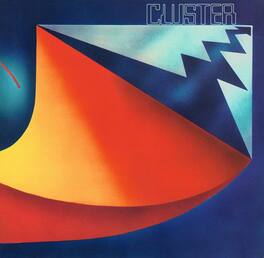
2016 re- of Bureau B's 2010 reissue. 140-gram LP. Cluster's self-titled debut was originally released by Philips in 1971; this edition is the first reissue to restore the track running order of the original Philips . Includes liner notes by electronic avant-garde pioneer Asmus Tietchens. In 1998, The Wire listed Cluster's self-titled debut as one of 100 Records That Set The World On Fire (When No One Was Listening). Very few albums from Germany can lay claim to this honor. Cluster is a monster; it contains a mere three untitled tracks and was quite an ordeal for untrained ears when it was released. Yet the album pointed the way forward like no other electronic opus. Cluster's previous incarnation was a trio called Kluster. A change in direction and musical differences moved Dieter Moebius and Hans-Joachim Roedelius to split from the group's third member, Conrad Schnitzler, in 1970. The following year, in addition to playing live, they recorded their first album in Ralf Arnie's Star Musik Studio in Hamburg. Here they first met Conny Plank, who would himself become a legend. They remained close friends until Plank's death in 1987. Early Cluster music was new. New in the sense that it did not continue any tradition, instead laying the foundations for a future tradition. The duo's utter renunciation of conventional harmony and rhythm, embrace of near total aural abstraction, and confident use of noise, rigorous live electronic improvisation, and a positive mindset were all factors in Cluster's innovative trailblazing of 1971. For want of a better category, Cluster was classified rather inappropriately and incorrectly as cosmic. Few recognized Cluster for what it was - a synthesis of pop music, stripped of embarrassing glamour, and so-called serious music without intellectual constraints. Moebius and Roedelius took the liberty of raiding both disciplines to perfect the
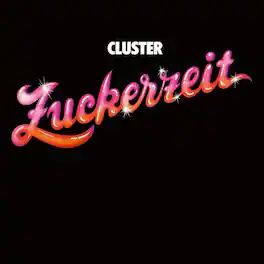
Zuckerzeit is the third studio album by German band Cluster, originally released in 1974 on Brain Records. It was co-produced by Michael Rother, their bandmate in side-project Harmonia. The music on Zuckerzeit marks a shift from Cluster's abrasive early work toward a more rhythmic, pop-oriented sound.
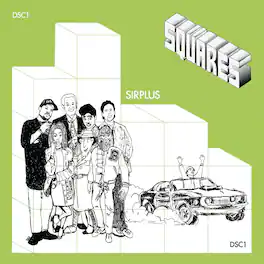
Sixteen beats in honor of the sixteen squares in Sirplus's Akai MPC 2000XL. Classic beats from a classic machine. No eight outs, just straight out the stereo jack. You can hear the time that was put into crafting a clean sound even without the detailed mixing from DAW. Raw beats from Sirplus with help from Exile on the turntables. That's it. Also take note of the vinyl only vocal feature from Blu on the last track. This version will not be on digital platforms.

Specs
Be the first to ask a question.
We’ll try to get your question answered within 24 hours by a Best Buy customer or brand representative.