Fela Kuti - Ikoyi Blindness - VINYL LP
Reviews coming soon
About this product
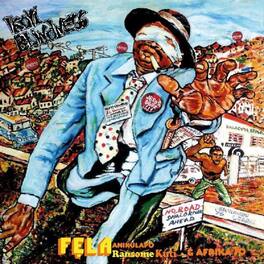
Limited white colored vinyl LP pressing. Fela used the cover of Ikoyi Blindness to announce his change of middle name from Ransome, which he now considered a slave name, to Anikulapo, which means Inchhe who carries death in his pouch.Inch The front cover shows Ransome crossed out and Anikulapo added above it. Fela also used the album cover to announce the Africanisation of Africa 70's name, changing it to Afrika 70. In the title track, Fela draws attention to the economic chasm separating the haves and have-nots of Nigerian society, contrasting the get-rich-at-all-costs mindset of the residents of the prosperous Lagos suburb Ikoyi with the more community-minded attitude of the poor inhabitants of the Mushin, Maroko, Ajegunle and Somolu neighbourhoods. Ikoyi residents are blind to the sufferings of less fortunate people, says Fela. Fela returns to the topic on the second track, InchGba Mi Leti Ki N'Dolowo (Slap Me Make I Get Money).Inch In Lagos in 1975 and 1976, there had been an upsurge in police and military personnel assaults on people in the street; motorists were commonly pulled out of their vehicles and given a whipping for minor traffic offences. Scandalously, the police and soldiers were being allowed to get away with corruption in broad daylight. In the lyric, Fela demands that the judiciary administer the law equally, without fear or favour.
Specifications
- GenreForeignDescriptionLimited white colored vinyl LP pressing. Fela used the cover of Ikoyi Blindness to announce his change of middle name from Ransome, which he now considered a slave name, to Anikulapo, which means Inchhe who carries death in his pouch.Inch The front cover shows Ransome crossed out and Anikulapo added above it. Fela also used the album cover to announce the Africanisation of Africa 70's name, changing it to Afrika 70. In the title track, Fela draws attention to the economic chasm separating the haves and have-nots of Nigerian society, contrasting the get-rich-at-all-costs mindset of the residents of the prosperous Lagos suburb Ikoyi with the more community-minded attitude of the poor inhabitants of the Mushin, Maroko, Ajegunle and Somolu neighbourhoods. Ikoyi residents are blind to the sufferings of less fortunate people, says Fela. Fela returns to the topic on the second track, InchGba Mi Leti Ki N'Dolowo (Slap Me Make I Get Money).Inch In Lagos in 1975 and 1976, there had been an upsurge in police and military personnel assaults on people in the street; motorists were commonly pulled out of their vehicles and given a whipping for minor traffic offences. Scandalously, the police and soldiers were being allowed to get away with corruption in broad daylight. In the lyric, Fela demands that the judiciary administer the law equally, without fear or favour.ArtistFela KutiTitleIkoyi BlindnessFormatVINYLLabelPartisan Records
Reviews
This product doesn't have any reviews yet.
Compare similar products
Limited white colored vinyl LP pressing. Fela used the cover of Ikoyi Blindness to announce his change of middle name from Ransome, which he now considered a slave name, to Anikulapo, which means Inchhe who carries death in his pouch.Inch The front cover shows Ransome crossed out and Anikulapo added above it. Fela also used the album cover to announce the Africanisation of Africa 70's name, changing it to Afrika 70. In the title track, Fela draws attention to the economic chasm separating the haves and have-nots of Nigerian society, contrasting the get-rich-at-all-costs mindset of the residents of the prosperous Lagos suburb Ikoyi with the more community-minded attitude of the poor inhabitants of the Mushin, Maroko, Ajegunle and Somolu neighbourhoods. Ikoyi residents are blind to the sufferings of less fortunate people, says Fela. Fela returns to the topic on the second track, InchGba Mi Leti Ki N'Dolowo (Slap Me Make I Get Money).Inch In Lagos in 1975 and 1976, there had been an upsurge in police and military personnel assaults on people in the street; motorists were commonly pulled out of their vehicles and given a whipping for minor traffic offences. Scandalously, the police and soldiers were being allowed to get away with corruption in broad daylight. In the lyric, Fela demands that the judiciary administer the law equally, without fear or favour.

This recording brings together two of today's finest British organist/composers and includes specially commissioned works. Jeremy Filsell's music is rooted in a long liturgical tradition and ranges from a poignant Epitaph to a Te Deum which recreates the spirit of William Walton's glorious piece for the 1953 Coronation. David Briggs's Pange lingua portrays the wonders of the Holy Communion in music, and his dramatic and grandiose Messe pour Saint-Sulpice also has moments of quiet, emotional profundity. The Vasari Singers' Great British Anthems (8.572504) has been described as 'essential listening' (Gramophone).
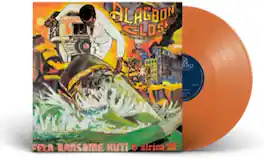
Alagbon Close was named after the headquarters of the Nigerian Criminal Investigation Department in Lagos. It was where Fela was detained after the 2nd raid on his home failed to find anything incriminating. The title track calls out the Nigerian police's violence, arrogance and apparent immunity from prosecution. Alagbon Close was also the first of Fela's albums to have a sleeve designed by Ghariokwu Lemi, whose artwork became an integral part of Afrobeat's message. To mark it's 50th anniversary, the album is presented on Jollof orange color vinyl in a single pocket, wide-spine jacket with gold foil OBI strip.

Zao & Outcast - Steadfast Records The First Two Seven Inches [CASSETTES] date 08/08/2025
Specs
Be the first to ask a question.
We’ll try to get your question answered within 24 hours by a Best Buy customer or brand representative.