Leonardo Palacios - Guastavino: Guitar Works - COMPACT DISCS [CD]
Reviews coming soon
About this product
The guitar output of a landmark figure in Argentinean classical music, fusing national melodies and dances with European forms in a fusion of perennial appeal. Carlos Guastavino (1912-2000) became internationally renowned, after the Second World War, for song-cycles and works for his own instrument, the piano, which refracted his Argentinean identity, and the culture of his home nation, through European classical idioms. Without plugging himself in to the current of modernism which coursed through the work of American contemporaries, from Copland and Carter in the US to Chavez and Revueltas in Mexico, and down to Brazilian composers such as Claudio Santoro, Guastavino nonetheless belonged to their age, and spoke of his time through his music. Composed between 1967 and 1973, his three sonatas for the guitar embody sonata form in both the progress of their individual movements and their larger, three-movement structures. The First Sonata is dedicated to his brother, Jose Amadeo, who played the guitar as an amateur, and inspired Carlos to write for the instrument. Jose Amadeo died by his own hand while Carlos was at work on the sonata, and it's central movement is an elegy to his memory. The Second, more Romantic in tone, deploys native rhythms such as the Zampa as well as jazzy harmonies. The Third returns to the Zampa but in a more intricately worked style. Here, the central movement is a smoky Milonga, evoking a mood more familiar from the tangos of Astor Piazzolla.Leonardo Palacios sets the sonatas in their context with transcriptions of five short pieces originally conceived for piano Apegado a mi, Vidala del Secadal, Santa Fe para llorar, the seventh of Guastavino's Cantos Populares and finally the Bailecito (Little Dance) which established his fame worldwide. As a Uruguayan guitarist with decades of experience as a performer and teacher, Palacios brings both tech
Specifications
- GenreClassicalDescriptionThe guitar output of a landmark figure in Argentinean classical music, fusing national melodies and dances with European forms in a fusion of perennial appeal. Carlos Guastavino (1912-2000) became internationally renowned, after the Second World War, for song-cycles and works for his own instrument, the piano, which refracted his Argentinean identity, and the culture of his home nation, through European classical idioms. Without plugging himself in to the current of modernism which coursed through the work of American contemporaries, from Copland and Carter in the US to Chavez and Revueltas in Mexico, and down to Brazilian composers such as Claudio Santoro, Guastavino nonetheless belonged to their age, and spoke of his time through his music. Composed between 1967 and 1973, his three sonatas for the guitar embody sonata form in both the progress of their individual movements and their larger, three-movement structures. The First Sonata is dedicated to his brother, Jose Amadeo, who played the guitar as an amateur, and inspired Carlos to write for the instrument. Jose Amadeo died by his own hand while Carlos was at work on the sonata, and it's central movement is an elegy to his memory. The Second, more Romantic in tone, deploys native rhythms such as the Zampa as well as jazzy harmonies. The Third returns to the Zampa but in a more intricately worked style. Here, the central movement is a smoky Milonga, evoking a mood more familiar from the tangos of Astor Piazzolla.Leonardo Palacios sets the sonatas in their context with transcriptions of five short pieces originally conceived for piano Apegado a mi, Vidala del Secadal, Santa Fe para llorar, the seventh of Guastavino's Cantos Populares and finally the Bailecito (Little Dance) which established his fame worldwide. As a Uruguayan guitarist with decades of experience as a performer and teacher, Palacios brings both techArtistLeonardo PalaciosTitleGuastavino: Guitar WorksFormatCDLabelBrilliant Classics
Reviews
This product doesn't have any reviews yet.
Compare similar products

The guitar output of a landmark figure in Argentinean classical music, fusing national melodies and dances with European forms in a fusion of perennial appeal. Carlos Guastavino (1912-2000) became internationally renowned, after the Second World War, for song-cycles and works for his own instrument, the piano, which refracted his Argentinean identity, and the culture of his home nation, through European classical idioms. Without plugging himself in to the current of modernism which coursed through the work of American contemporaries, from Copland and Carter in the US to Chavez and Revueltas in Mexico, and down to Brazilian composers such as Claudio Santoro, Guastavino nonetheless belonged to their age, and spoke of his time through his music. Composed between 1967 and 1973, his three sonatas for the guitar embody sonata form in both the progress of their individual movements and their larger, three-movement structures. The First Sonata is dedicated to his brother, Jose Amadeo, who played the guitar as an amateur, and inspired Carlos to write for the instrument. Jose Amadeo died by his own hand while Carlos was at work on the sonata, and it's central movement is an elegy to his memory. The Second, more Romantic in tone, deploys native rhythms such as the Zampa as well as jazzy harmonies. The Third returns to the Zampa but in a more intricately worked style. Here, the central movement is a smoky Milonga, evoking a mood more familiar from the tangos of Astor Piazzolla.Leonardo Palacios sets the sonatas in their context with transcriptions of five short pieces originally conceived for piano Apegado a mi, Vidala del Secadal, Santa Fe para llorar, the seventh of Guastavino's Cantos Populares and finally the Bailecito (Little Dance) which established his fame worldwide. As a Uruguayan guitarist with decades of experience as a performer and teacher, Palacios brings both tech

There is a moment on Sides, the new album from Richmond, Virginia-based duo LeanYear, in which a hospital room floor is filled with white chrysanthemums. This imagery,based on an opiate-induced hallucination experienced by vocalist Emilie Rex's motheras she recovered from surgery, is a perfect encapsulation of the band's second album dreamlike and beautiful, yet burdened with cold, stark reality. Sides is a harrowingjourney through realms of grief and memory, a meditation woven into a tapestry of synthpads, woodwinds, and Rex's instantly recognizable voice. The duo of Rex and Rick Alverson-who also works as a film director (The Mountain,Entertainment, The Comedy)-originally set out to write an album about conflict, butduring the writing and recording process, they were confronted with a number ofpersonal tragedies. Alverson lost both of his parents in rapid succession, Rex's motherreceived a cancer diagnosis, and the couple's beloved family dog, Orca, died. Theseevents transformed the album into an exploration of loss-an attempt at processing thepainful, complex, and private emotions that bubble to the surface when confronted withdeath. InchWe thought we'd do a concept album called Sides where we could reflect on allof the division in the world, and some in our own families, but then COVID transformedeverything/everyone, and we suffered our own specific losses. The record becameabout loss and grief,Inch Rex explains. InchIn this way, the title Sides was still appropriate ourindividual grief and collective grief, the margins of before and after, the act and feelingof during and enduring. It felt like straddling a threshold between two opposingsides-the moment before conflict and the moment after it passes, life and death, the actof living and the memory of the act. Grief feels like a contention between what you knewand what you now know, and often both feel real and u
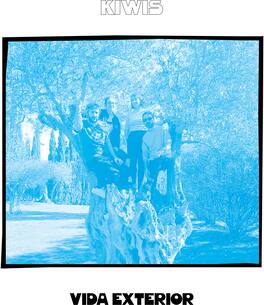
Debut album from this new Barcelona quartet who take their musical cues from all over the indiepop map, with the Aussie-style pure jangle of Ocean Party and Dick Diver, the modern-day '50s girl-group of Camera Obscura and the School, and the simple American '00s sunny sound of the Maybellines and the Snow Fairies, to create an absolutely perfect masterpiece of indiepop!

Christian Lindberg - String Concerto No 3 [COMPACT DISCS] date 03/30/2010