Native American History, Culture and Heritage - DVD
Reviews coming soon
About this product
The story of the North American indigenous peoples is a story of loss, hardship, violence, betrayal, and misappropriation. It is also a story of community, spirituality, diversity, honor, and resilience. Long before Christopher Columbus stepped foot on what would come to be known as the Americas, the expansive territory was inhabited by Indigenous people known as Native Americans. In this historical program, we discuss the colonization of North America and the founding of the United States along with the early discrimination against Native Americans. Native American Indians are a unique civilization with a rich ancestry stemming back over dozens of centuries. Their societies of tribes, nations and traditions once dominated American soil. Today, Native Indian Heritage is being reborn with ancient languages once again spoken, tradition and culture replenished and although scattered in reservations throughout the country, their heritage and culture continues. During the first half of the 19th century, the United States population witnessed a near five-fold expansion due to high birth rates and a rising tide of immigration from Europe. Westward migration exploded as Americans searched for new land and opportunities. The Native Indigenous were relocated to reservations (some of the most rural areas of the United States) and the tribes of the once dominant population of the United States were reduced to a handful of Indian Reserves. The importance of cattle, sheep, pigs and horses in Europe (not native to North and South America) became food and transportation and provided Native Indians with horses which changed their entire culture from farmers to hunters and gatherers. It has been over 500 years since Columbus made that fateful encounter with the natives of the new world. Despite all of the positive changes that have come for American Indians in the last half of the cent
Specifications
- GenreSpecialtyDescriptionThe story of the North American indigenous peoples is a story of loss, hardship, violence, betrayal, and misappropriation. It is also a story of community, spirituality, diversity, honor, and resilience. Long before Christopher Columbus stepped foot on what would come to be known as the Americas, the expansive territory was inhabited by Indigenous people known as Native Americans. In this historical program, we discuss the colonization of North America and the founding of the United States along with the early discrimination against Native Americans. Native American Indians are a unique civilization with a rich ancestry stemming back over dozens of centuries. Their societies of tribes, nations and traditions once dominated American soil. Today, Native Indian Heritage is being reborn with ancient languages once again spoken, tradition and culture replenished and although scattered in reservations throughout the country, their heritage and culture continues. During the first half of the 19th century, the United States population witnessed a near five-fold expansion due to high birth rates and a rising tide of immigration from Europe. Westward migration exploded as Americans searched for new land and opportunities. The Native Indigenous were relocated to reservations (some of the most rural areas of the United States) and the tribes of the once dominant population of the United States were reduced to a handful of Indian Reserves. The importance of cattle, sheep, pigs and horses in Europe (not native to North and South America) became food and transportation and provided Native Indians with horses which changed their entire culture from farmers to hunters and gatherers. It has been over 500 years since Columbus made that fateful encounter with the natives of the new world. Despite all of the positive changes that have come for American Indians in the last half of the centTitleNative American History, Culture and HeritageFormatDVDMPAA RatingNRStudioTMW Media Group
Reviews
This product doesn't have any reviews yet.
Compare similar products
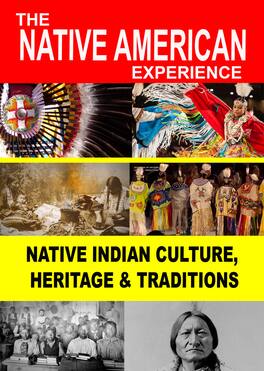
The story of the North American indigenous peoples is a story of loss, hardship, violence, betrayal, and misappropriation. It is also a story of community, spirituality, diversity, honor, and resilience. Long before Christopher Columbus stepped foot on what would come to be known as the Americas, the expansive territory was inhabited by Indigenous people known as Native Americans. In this historical program, we discuss the colonization of North America and the founding of the United States along with the early discrimination against Native Americans. Native American Indians are a unique civilization with a rich ancestry stemming back over dozens of centuries. Their societies of tribes, nations and traditions once dominated American soil. Today, Native Indian Heritage is being reborn with ancient languages once again spoken, tradition and culture replenished and although scattered in reservations throughout the country, their heritage and culture continues. During the first half of the 19th century, the United States population witnessed a near five-fold expansion due to high birth rates and a rising tide of immigration from Europe. Westward migration exploded as Americans searched for new land and opportunities. The Native Indigenous were relocated to reservations (some of the most rural areas of the United States) and the tribes of the once dominant population of the United States were reduced to a handful of Indian Reserves. The importance of cattle, sheep, pigs and horses in Europe (not native to North and South America) became food and transportation and provided Native Indians with horses which changed their entire culture from farmers to hunters and gatherers. It has been over 500 years since Columbus made that fateful encounter with the natives of the new world. Despite all of the positive changes that have come for American Indians in the last half of the cent

A contemporary drama about a man (Hanks) who is isolated and forced to transform himself in order to survive both physically and emotionally.

Native American Indian women have been the foundation and spirit of their culture for centuries. Their role in the tribal communities not only assumed the more conventional matriarchal responsibilities within the tribe but also spearheaded the collection of materials and construction of homes for all members, an incredible feat especially given their era. The men revered these women as sources of life and fortitude, providing them with a sense of balance and harmony in their lives. In this program, we explore the lives, challenges, successes and accomplishments of several awe-inspiring Native American women from past and present times. These include the legendary Ponochantas, the revolutionary singer-songwriter and Academy Award winner, Buffy Sainte-Marie, as well as Deb Haaland - who etched her name in history by becoming the first Native American woman to hold office as US Secretary of Interior in 2021. Furthermore, we will shed light on numerous other powerful and influential Native American women who have left an indelible mark upon society. Featuring Susan LaFlesche Picotte (First Female American Indian Doctor), Lozen (Native Warrior), Pocahontas (Historic Native Personality), Deb Haaland (Congresswoman), Sharice Davids (Congresswoman), Buffy Sainte-Marie (Activist Musician, Composer, Academy Award Winner), Wilma Pearl Mankiller (First Female Indian Tribal Council Chief), Joy Harjo (US Poet Laureate), Quannah Chasinghorse Potts (Fashion Model), Nicole Mann (NASA Astronaut), Ashley Callingbull (Miss Universe), Deb Haaland (US Secretary of the Interior), Eloise P. Cobell (Activist), Matika Wilbur (Photographer/Author).
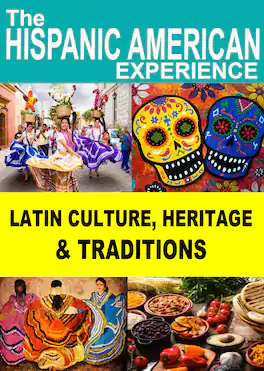
This program celebrates the History, Cultures and Contributions of People from Spain, Mexico, Caribbean Central and South America. Latin America is a diverse, multicultural region that has a vibrant culture that is all it's own. Rich in history, culture and art, there are many interesting facts to find out about this fascinating region of the world. United by one language, individual customs, traditions, ethnic dialect and especially food bring out the unique charm of each country. Let's explore the deep and complex flavors of Hispanic, Latino and Latin cultural heritage. From food to dance to architecture to spirituality to song. Hispanic culture includes patriarchal structure, the importance of religion, an emphasis on respect and dignity, enjoying traditional food and celebrating together, embracing ones artistic roots and history. In this program well learn about Latin American celebrations, La Raza or Day of the People, Cinco de Mayo (or the 5th of May), Mexican Independence Day or Grito de Dolores, de los Muertos, or Day of the Dead. From the diversity of Hispanic cuisine, carnival, soccer, a quinceanera, Las Posadas and Last Posadas, famous artists and how the Spanish onquered Mexico.
Specs
Be the first to ask a question.
We’ll try to get your question answered within 24 hours by a Best Buy customer or brand representative.