Orchestra Sinfonica di Milano - Music for Violin, Piano & Orchestra - COMPACT DISCS [CD]
Reviews coming soon
About this product
Franco Margola (1908-1992) had an unwavering and authentic love for the violin, lasting throughout his career and artistic development. This recording showcases the versatility of the Brescian composer and the evolution of his musical thought over his lifetime. Often resisting the fashions of his time, the composer balanced tradition and modernism. In the aftermath of the Second World War, Margola became intolerant of harsh and violent sounds and so preferred writing more relaxing pieces. Kinderkonzert No.2 is a work for violin and orchestra (1954). In the first movement, the writing is fluid and melodious. Only during the cadenza does the atmosphere become more serious, and the lightness that characterized the entire movement is only rediscovered with the return of the full orchestra. The next movement, Sostenuto, has a dreamlike character that comes to life in the central section with dance-style music. In the final Allegro, the soloist's part is characterized by brilliant virtuosic writing which fits well into the articulated orchestral texture. Almost thirty years later, Margola wrote Concerto dell'alba for violin and string orchestra (1982). Intended to be the third of the Kinderkonzert, Concerto dell'alba sounds free from any form of modernism and cerebralism. Nevertheless, the composer uses a modern idiom with wisdom and discretion which creates a spontaneous musical eloquence and cantabile sound. A vigorous RondoÌ with lively popular tunes concludes the Concerto. The composer proposed a decidedly neoclassical writing style in Variazioni sopra un tema giocoso (1965), placing well calibrated sounds within a formal structure. Also neoclassical, Sonata in D (1931) is the first of a series of five violin sonatas and reveals the composer's technical mastery. In the first movement, two themes are alternated one serious, and the other dreamy, seemingly floating on th
Specifications
- GenreClassicalDescriptionFranco Margola (1908-1992) had an unwavering and authentic love for the violin, lasting throughout his career and artistic development. This recording showcases the versatility of the Brescian composer and the evolution of his musical thought over his lifetime. Often resisting the fashions of his time, the composer balanced tradition and modernism. In the aftermath of the Second World War, Margola became intolerant of harsh and violent sounds and so preferred writing more relaxing pieces. Kinderkonzert No.2 is a work for violin and orchestra (1954). In the first movement, the writing is fluid and melodious. Only during the cadenza does the atmosphere become more serious, and the lightness that characterized the entire movement is only rediscovered with the return of the full orchestra. The next movement, Sostenuto, has a dreamlike character that comes to life in the central section with dance-style music. In the final Allegro, the soloist's part is characterized by brilliant virtuosic writing which fits well into the articulated orchestral texture. Almost thirty years later, Margola wrote Concerto dell'alba for violin and string orchestra (1982). Intended to be the third of the Kinderkonzert, Concerto dell'alba sounds free from any form of modernism and cerebralism. Nevertheless, the composer uses a modern idiom with wisdom and discretion which creates a spontaneous musical eloquence and cantabile sound. A vigorous RondoÌ with lively popular tunes concludes the Concerto. The composer proposed a decidedly neoclassical writing style in Variazioni sopra un tema giocoso (1965), placing well calibrated sounds within a formal structure. Also neoclassical, Sonata in D (1931) is the first of a series of five violin sonatas and reveals the composer's technical mastery. In the first movement, two themes are alternated one serious, and the other dreamy, seemingly floating on thArtistOrchestra Sinfonica di MilanoTitleMusic for Violin, Piano & OrchestraFormatCDLabelBrilliant Classics
Reviews
This product doesn't have any reviews yet.
Compare similar products

Franco Margola (1908-1992) had an unwavering and authentic love for the violin, lasting throughout his career and artistic development. This recording showcases the versatility of the Brescian composer and the evolution of his musical thought over his lifetime. Often resisting the fashions of his time, the composer balanced tradition and modernism. In the aftermath of the Second World War, Margola became intolerant of harsh and violent sounds and so preferred writing more relaxing pieces. Kinderkonzert No.2 is a work for violin and orchestra (1954). In the first movement, the writing is fluid and melodious. Only during the cadenza does the atmosphere become more serious, and the lightness that characterized the entire movement is only rediscovered with the return of the full orchestra. The next movement, Sostenuto, has a dreamlike character that comes to life in the central section with dance-style music. In the final Allegro, the soloist's part is characterized by brilliant virtuosic writing which fits well into the articulated orchestral texture. Almost thirty years later, Margola wrote Concerto dell'alba for violin and string orchestra (1982). Intended to be the third of the Kinderkonzert, Concerto dell'alba sounds free from any form of modernism and cerebralism. Nevertheless, the composer uses a modern idiom with wisdom and discretion which creates a spontaneous musical eloquence and cantabile sound. A vigorous RondoÌ with lively popular tunes concludes the Concerto. The composer proposed a decidedly neoclassical writing style in Variazioni sopra un tema giocoso (1965), placing well calibrated sounds within a formal structure. Also neoclassical, Sonata in D (1931) is the first of a series of five violin sonatas and reveals the composer's technical mastery. In the first movement, two themes are alternated one serious, and the other dreamy, seemingly floating on th

Viviz - Voyage - QR Card Version - incl. 15 Photocards, 24pg Lyrics Booklet, QR Card + Photocard [DISCLESS DIGITAL] With Booklet, Photos, Asia - Import date 11/15/2024
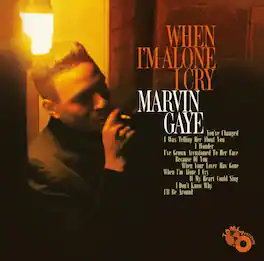
Vinyl LP pressing. Mono edition. For his third album, released on Motown in 1964, Marvin Gaye presented himself in the role of a big band singer. The set includes several pop and jazz standards. Gaye himself requested to sing two songs from Billie Holiday's classic album, Lady In Satin, InchI'll Be AroundInch and InchYou've Changed.Inch With brooding vocals and arrangements by such big names as Melba Liston, Jerome Richardson and Ernie Wilkins, the album showed us a deeper artist, presaging the mature Marvin later heard on Vulnerable, recorded in 1977.

Founded in 1951, the Orchestra Sinfonica Siciliana has been directed by charismatic maestros of international renown from the Romanian Sergiu Celibidache in the 60s to the Venezuelan Diego Matheuz and Duncan Ward in the present era. Now Gianna Fratta joins their ranks with a unique showcase of 20th-century orchestral masterpieces. Gianna Fratta opened the 2021-22 season of the OSS in Palermo with a concert featuring Martha Argerich as soloist in Schumann's Piano Concerto; she has herself won acclaim as a pianist, and now conducts leading ensembles across Italy. That program concluded with an explosive account of the suite from Stravinsky's Firebird ballet. Fratta likewise draws a full palette of orchestral color from the Sicilian orchestra in this studio account of the Rite of Spring, Stravinsky's radical sequel to the Firebird. Completed in 1908, Scriabin's Poem of Ecstasy makes such an instructive companion on disc that it is surprising to find the pairing is almost unique. Where Stravinsky uses jarring rhythmic dislocation and his command of an orchestra to paint tableaux in sound of a pagan rite, Scriabin places a no less quintessentially French-Russian harmonic palette in the service of sensual pleasure, building wave upon wave of melodic intensity to crash over the listener and ultimately overwhelm them. Both contrasting styles owe much to the innovations of Debussy, whose rhythmic suppleness in the evocation of wind and water would come to have a profound influence over 20th-century composers in the orchestral seascapes which punctuate his first opera, Peter Grimes. In the years after it's premiere in 1945, Grimes established a place on the world's lyric stages for British opera thanks to the universal power of it's storytelling, not only through the ordinary characters at it's heart, but through the translation of their complex feelings into surging orchestral