Polo Orquesta Barroca De Sevilla Gabetta - Cello Concertos - COMPACT DISCS [CD]
Reviews coming soon
About this product
This recording covers approximately five decades of literature for violoncello and orchestra- the fifty years between the two concertos by Vivaldi (ca. 1720), Haydn (ca. 1763) and Boccherini (publ. 1770). The Concerto for violoncello and strings in C minor RV 401 by Antonio Vivaldi (1678-1741) is a beautiful and enigmatic work. The autograph is written on an unusual type of paper, and virtually all the features of the document stand out from the rest of the 27 concerts for cello written by the Venetian author. It's dating around 1720 is still a hypothesis, as well as it's purpose. Even more uncertain is the origin of the Concerto for two cellos and strings in G minor RV 531. The accumulation of low instruments could make us assume that Vivaldi would choose high tessituras for soloists, something feasible and regularly used in several of his concerts for cello. Nevertheless, Vivaldi abandons this possibility. Both soloists play in the central register of the instrument and, as in the case of other double concertos by the author, the speech is articulated with transparency through third parallel voices, imitations and unaccompanied episodes. What relationship could there be between the Concerto in C major Hob VIIb 1 by Joseph Haydn (1732-1809), a work written around 1763 in his secluded residence of Eisenstadt (about 60 km. From Vienna), and the Concerto in D major G. 479 by Luigi Boccherini (1743-1805), edited in 1770 in Paris by a composer who was already living in Spain serving as a chamber musician and composer to the Infante Don Luis de Borbón? Unexpectedly more than we could imagine
- GenreClassicalDescriptionThis recording covers approximately five decades of literature for violoncello and orchestra- the fifty years between the two concertos by Vivaldi (ca. 1720), Haydn (ca. 1763) and Boccherini (publ. 1770). The Concerto for violoncello and strings in C minor RV 401 by Antonio Vivaldi (1678-1741) is a beautiful and enigmatic work. The autograph is written on an unusual type of paper, and virtually all the features of the document stand out from the rest of the 27 concerts for cello written by the Venetian author. It's dating around 1720 is still a hypothesis, as well as it's purpose. Even more uncertain is the origin of the Concerto for two cellos and strings in G minor RV 531. The accumulation of low instruments could make us assume that Vivaldi would choose high tessituras for soloists, something feasible and regularly used in several of his concerts for cello. Nevertheless, Vivaldi abandons this possibility. Both soloists play in the central register of the instrument and, as in the case of other double concertos by the author, the speech is articulated with transparency through third parallel voices, imitations and unaccompanied episodes. What relationship could there be between the Concerto in C major Hob VIIb 1 by Joseph Haydn (1732-1809), a work written around 1763 in his secluded residence of Eisenstadt (about 60 km. From Vienna), and the Concerto in D major G. 479 by Luigi Boccherini (1743-1805), edited in 1770 in Paris by a composer who was already living in Spain serving as a chamber musician and composer to the Infante Don Luis de Borbón? Unexpectedly more than we could imagineArtistPolo Orquesta Barroca De Sevilla GabettaTitleCello ConcertosFormatCDLabelIbs Classical
Reviews
This product doesn't have any reviews yet.
Compare similar products
![Polo Orquesta Barroca De Sevilla Gabetta - Cello Concertos - COMPACT DISCS [CD]](https://pisces.bbystatic.com/image2/BestBuy_US/images/products/4f37354a-9b42-4b7a-912d-e8e7bd719762.jpg;maxHeight=422;maxWidth=264?format=webp)
This recording covers approximately five decades of literature for violoncello and orchestra- the fifty years between the two concertos by Vivaldi (ca. 1720), Haydn (ca. 1763) and Boccherini (publ. 1770). The Concerto for violoncello and strings in C minor RV 401 by Antonio Vivaldi (1678-1741) is a beautiful and enigmatic work. The autograph is written on an unusual type of paper, and virtually all the features of the document stand out from the rest of the 27 concerts for cello written by the Venetian author. It's dating around 1720 is still a hypothesis, as well as it's purpose. Even more uncertain is the origin of the Concerto for two cellos and strings in G minor RV 531. The accumulation of low instruments could make us assume that Vivaldi would choose high tessituras for soloists, something feasible and regularly used in several of his concerts for cello. Nevertheless, Vivaldi abandons this possibility. Both soloists play in the central register of the instrument and, as in the case of other double concertos by the author, the speech is articulated with transparency through third parallel voices, imitations and unaccompanied episodes. What relationship could there be between the Concerto in C major Hob VIIb 1 by Joseph Haydn (1732-1809), a work written around 1763 in his secluded residence of Eisenstadt (about 60 km. From Vienna), and the Concerto in D major G. 479 by Luigi Boccherini (1743-1805), edited in 1770 in Paris by a composer who was already living in Spain serving as a chamber musician and composer to the Infante Don Luis de Borbón? Unexpectedly more than we could imagine
![Gratest Hits [Custard Yellow Vinyl] [Only @ Best Buy] [LP]](https://pisces.bbystatic.com/image2/BestBuy_US/images/products/ca23a7d3-5801-4fe9-aed1-d8d22f5ca7ad.jpg;maxHeight=422;maxWidth=264?format=webp)
![My Hero Academia: Season 7 [Original Soundtrack] [Translucent Sea Blue 2 LP] [Only @ Best Buy] [LP] [VINYL]](https://pisces.bbystatic.com/image2/BestBuy_US/images/products/ad658ab5-584e-481a-b93a-c8998e033654.jpg;maxHeight=422;maxWidth=264?format=webp)
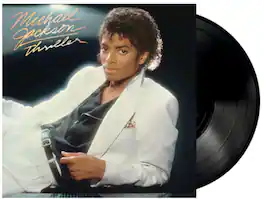
Limited vinyl LP repressing in gatefold jacket. Thriller is the sixth solo studio album by Michael Jackson. It was released by Epic Records on November 30, 1982, as the follow-up to Jackson's critically and commercially successful 1979 album Off The Wall. Thriller explores similar genres to those of Off The Wall, including pop, post-disco, rock and funk. Recording sessions took place on April to November 1982 at Westlake Recording Studios in Los Angeles with a production budget of $750, 000, assisted by producer Quincy Jones. Seven singles were released from the album, all of which reached the Top 10 on the Billboard Hot 100. In just over a year, Thriller became-and currently remains-the best-selling album of all time, with estimated sales of 65 million copies worldwide. It has become the first album ever to be certified 32 times multi-platinum for U.S. sales, marking more than 32 million sales shipped. The album won a record-breaking eight Grammy Awards in 1984, including for Album of the Year. Album Tracks 1. Wanna Be Startin' Somethin' Jackson, Michael 6 03 2. Baby Be Mine Jackson, Michael 4 20 3. The Girl Is Mine Jackson, Michael with Paul McCartney 3 42 4. Thriller Jackson, Michael 5 58 1. Beat It (Single Version) Jackson, Michael 4 18 2. Billie Jean (Single Version) Jackson, Michael 4 53 3. Human Nature Jackson, Michael 4 05 4. P.Y.T. (Pretty Young Thing) Jackson, Michael 3 59 5. The Lady in My Life Jackson, Michael 4 57
| Pros for Polo Orquesta Barroca De Sevilla Gabetta - Cello Concertos - COMPACT DISCS [CD] | |||
|---|---|---|---|
| There were no pros for this product— | There were no pros for this product— | Playback Quality | Sound Quality |
Specs
Be the first to ask a question.
We’ll try to get your question answered within 24 hours by a Best Buy customer or brand representative.