PopMarket - Lloyd: Aubade for Two Pianos - Multicolor
Reviews coming soon
About this product
Aubade, a fantasy for two pianos, was written during the summer of 1971, for John Odgon and Brenda Lucas. It is in one continuous movement, divided into sections, linked by an introductory theme. The titles of the eight sections are Introduction; Dance of the Charcoal Burners; The March of the Tin Soldiers; Love Duet; Waltz; Bells, Monks and Lutherans; Moths; Finale. As Edward Seckerson observed of Aubade, 'It's a fun piece, easy on the listener, demanding for the soloists'
Features
SPECIAL PRODUCTS
LLOYD,GEORGE Studio/Label/Brand: Lyrita
Classical Artists
Specifications
- BrandPopMarketModel Number9790708221043Product NameLloyd: Aubade for Two PianosColorMulticolorTitleLloyd: Aubade for Two PianosUPC9790708221043
Reviews
This product doesn't have any reviews yet.
Compare similar products
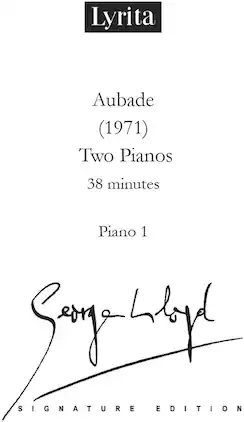
Aubade, a fantasy for two pianos, was written during the summer of 1971, for John Odgon and Brenda Lucas. It is in one continuous movement, divided into sections, linked by an introductory theme. The titles of the eight sections are Introduction; Dance of the Charcoal Burners; The March of the Tin Soldiers; Love Duet; Waltz; Bells, Monks and Lutherans; Moths; Finale. As Edward Seckerson observed of Aubade, 'It's a fun piece, easy on the listener, demanding for the soloists'
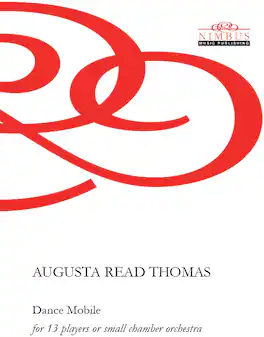
The word InchmobileInch denotes both the noun (a decorative structure that is suspended so as to turn freely in the air) as well as the adjective (lively, sprightly, spry, energetic, vigorous; animated, travelling, flexible, versatile, changing, fluid, and on the move). On this mobile, three circa 4-minute dances are hanging. Between them are moments floating in the air until the suspended mobile is activated and set into motion. To be performed with dancers when feasible. Dance Mobile is a spin-off of material Augusta developed in her much longer ballet. Commissioned by the Howard Hanson Institute for American Music in celebration of the 100th Anniversary of the Eastman School of Music.

Lament, Air and Dance, for violin and piano (1975) corresponds broadly with Joseph Horovitz's prescription for a three-movement design as favouring the listener 'first in the head, then in the heart, and finally in the toes'. The expansive, spaciously conceived opening Lament takes the form of a freely worked out chaconne based the opening theme played by the violin in low register.
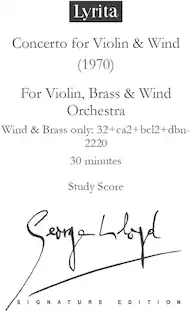
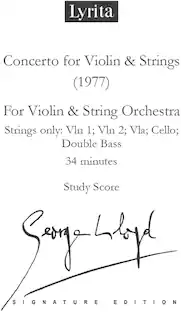
It is significant that, when Lloyd turned his attention to writing concertante works for the violin, he avoided using full orchestral forces. His sensitivity to issues of balance and scrupulousness in scoring in his operas was matched by his determination that the solo instrument in his concertos should not be overwhelmed by thick orchestral textures. As he put it, 'I don't really like the relationship between the violin and the big modern orchestra. I hate to hear that poor little fiddle being totally swamped'.
Specs
More to consider

Immerse yourself in sound Sponsored
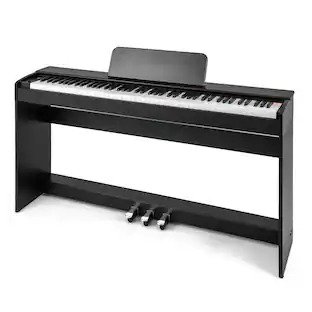
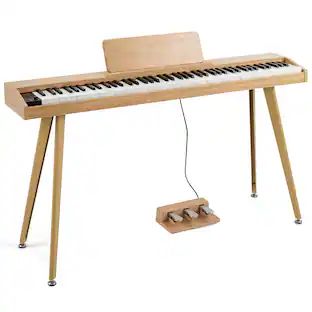
Costway 88-Key Hammer Action Weighted Keyboard Electric Piano with Stand & Triple Pedals
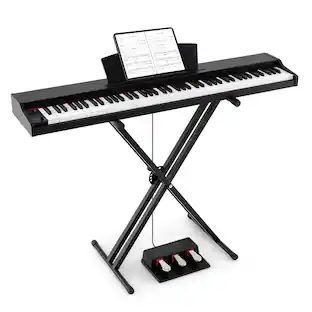
Black Friday Deal$279.99The price was $539.98Costway 88-Key Keyboard Piano Set with Adjustable Stand & 2 Keyboard Mode 2 Speakers
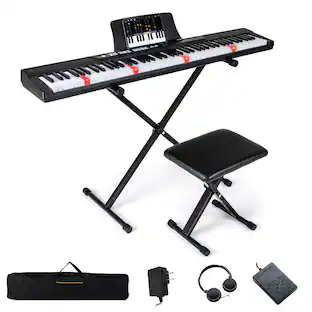
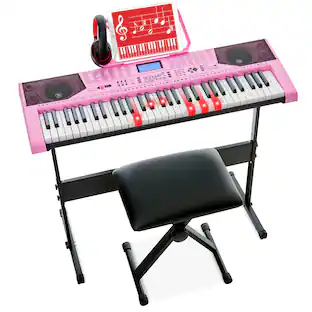
Black Friday Deal$150.99The price was $289.98Costway 88-Key Electric Piano Keyboard with Adjustable Stand Stool, Light-up Keys & Buttons
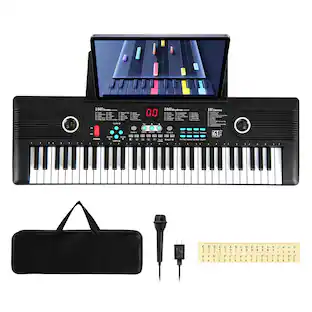
$179.99The price was $289.98Costway 61 Keys Kids Piano Keyboard with Carry Bag Microphone Sheet Stand Power Supply
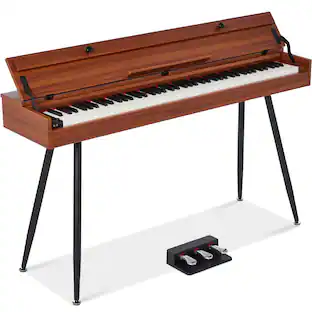
$45.49The price was $79.98Costway 88-Key Digital Piano Semi-Weighted Keyboard with 3 Pedal Unit & 80 Demos
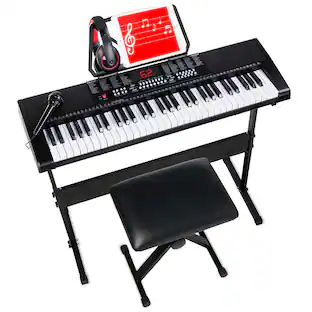
Black Friday Deal$141.49The price was $269.98Best Choice Products 61-Key Beginners Complete Electronic Keyboard Piano Set w/ LCD Screen, Lighted Keys
$149.99The price was $189.99