Ronco Vozza - 6 Sonatas for Cello - COMPACT DISCS [CD]
Reviews coming soon
About this product
The present features the first recording of Johann Carl Bischoff's Six Sonatas for Cello performed by Claudio Ronco and Emanuela Vozza on period instruments. Johann Carl Bischoff (1747-1800) was a a German composer and a virtuoso cellist. He became a member of the court orchestra of the Duke of Anhalt-Dessau in the 1770s. In 1793, Bischoff invented a cello-like instrument, which he named the Harmonicello. The instrument had five bowed gut strings and ten sympathetic metal ones. The Six Sonatas, featured here, are rooted in the best classical tradition, but above all are able to anticipate the sublime adventure of German Romantic music.
Specifications
- GenreClassicalDescriptionThe present features the first recording of Johann Carl Bischoff's Six Sonatas for Cello performed by Claudio Ronco and Emanuela Vozza on period instruments. Johann Carl Bischoff (1747-1800) was a a German composer and a virtuoso cellist. He became a member of the court orchestra of the Duke of Anhalt-Dessau in the 1770s. In 1793, Bischoff invented a cello-like instrument, which he named the Harmonicello. The instrument had five bowed gut strings and ten sympathetic metal ones. The Six Sonatas, featured here, are rooted in the best classical tradition, but above all are able to anticipate the sublime adventure of German Romantic music.ArtistRonco VozzaTitle6 Sonatas for CelloFormatCDLabelUrania Records
Reviews
This product doesn't have any reviews yet.
Compare similar products

The present features the first recording of Johann Carl Bischoff's Six Sonatas for Cello performed by Claudio Ronco and Emanuela Vozza on period instruments. Johann Carl Bischoff (1747-1800) was a a German composer and a virtuoso cellist. He became a member of the court orchestra of the Duke of Anhalt-Dessau in the 1770s. In 1793, Bischoff invented a cello-like instrument, which he named the Harmonicello. The instrument had five bowed gut strings and ten sympathetic metal ones. The Six Sonatas, featured here, are rooted in the best classical tradition, but above all are able to anticipate the sublime adventure of German Romantic music.

Eccentric composer and virtuoso cellist in the service of the Prince of Carignan in Paris in the first half of the eighteenth century, Venceslaus Spourni has left us a large and very interesting group of publications, in which we find symphonies, concerts and Burlesques for pastoral instruments such as the hurdy-gurdy and the bagpipe, and collections of chamber sonatas, at least three of which are dedicated to his instrument. This is the first ever recording of Opus IV for two cellos, the success of which is evidenced by the inclusion of the second of these sonatas in a successful collection of Inchseveral eminent authorsInch published in London in 1748.
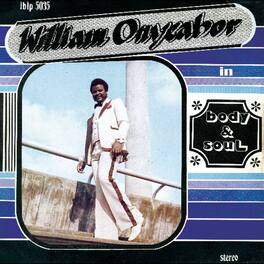
William Onyeabor - Body And Soul [VINYL LP] Blue, Colored Vinyl date 03/28/2025

Beethoven's sacred masterpieces and Helmuth Rilling, the Bach-Collegium Stuttgart, the Gachinger Kantorei Stuttgart and the outstanding quartets of vocal soloists have achieved world-wide acclaimed in producing a reference recording. Now available in a new 3 box-set, celebrating Beethoven´s anniversary year. Claudio Ronco is undoubtedly among the best artists in Baroque music repertoire, as a skilled Basso Continuo player and a Soloist of virtuoso repertoire. His twenty years of experience with the greatest groups and directors specialized in XVI to XVIIIth Century music, assure him a great stylistic flexibility, together with an extraordinary instrumental virtuosity, so as to distinguish his performances for the freshness of his inventions, spontaneity and elegance. In 2001 he met the cellist Emanuela Vozza who, at the time the first cello of the Bolognese ensemble DSG and of the Cappella Musicale of San Petronio in Bologna, a group created to promote the baroque repertoire, mostly unpublished, preserved in the rich library of this ancient musical institution. The characteristic freshness of her performances and the quality of sound combined with the expressive research, are the qualities that make her playing particularly suitable for facing the chamber music repertoire as well as the difficult art of the Basso Continuo.