Teppana Janis - Teppana Janis - VINYL LP
Reviews coming soon
About this product
Teppana Jänis was born in the village of Uuksujärvi in Suistamo on 21 June 1850. After becoming blind in the late 19th century, he went house to house, supporting himself by playing the kantele, a traditional Finnish and Karelian plucked string instrument belonging to the southeast Baltic box zither family.
Specifications
- GenreForeignDescriptionTeppana Jänis was born in the village of Uuksujärvi in Suistamo on 21 June 1850. After becoming blind in the late 19th century, he went house to house, supporting himself by playing the kantele, a traditional Finnish and Karelian plucked string instrument belonging to the southeast Baltic box zither family.ArtistTeppana JanisTitleTeppana JanisFormatVINYLLabelDeath Is Not the End
Reviews
This product doesn't have any reviews yet.
Compare similar products
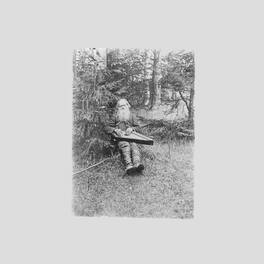
Teppana Jänis was born in the village of Uuksujärvi in Suistamo on 21 June 1850. After becoming blind in the late 19th century, he went house to house, supporting himself by playing the kantele, a traditional Finnish and Karelian plucked string instrument belonging to the southeast Baltic box zither family.

A descendant of the Hausa (a people from the Sahel) born in Riyadh in 1947, Ettab was a celebrated singer, actress and activist - and perhaps the only female artist of Saudi origin of her time to claim an international career. This album, produced in Lebanon in 1992 by brothers Mahmoud and Ahmed Moussa for the tag Relax-In, is a perfect introduction to her work. Resolutely modern in it's pop arrangements with a finesse worthy of Curtis Mayfield, it takes Eastern classical music to new horizons. Ettab's undeniably beautiful voice is characterized by it's original accent, which she refused to hide despite her exile to Egypt in 1980. After 15 albums and a few film appearances, Ettab devoted her time to defending the women's rights in the music world until her death in 2007 in Cairo. She is now a leading female icon in the Arab world, especially in her native Saudi Arabia. A masterpiece of Arabic music, essential to any fan of the genre, her work should be urgently (re)discovered.
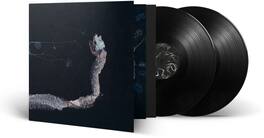
There have been comfortingly few changes in Tenhi since their last album InchVäreInch; this Finnish band is still performing it's unique brand of nature music, music that is above all atmospheric and touching. But there's a lot more to it for years now, the musicians have been stressing the meaning of the aesthetics beyond their compositions, as Tenhi is meant to be a reflection of their sensitive perception of nature, not only in sound, but also in lyrics and pictures. Maybe a pictorial comparison can help to understand Tenhi's development. InchOur new songs are run through by our perception of the Earth,Inch multi-instrumentalist Tyko Saarikko tells us. InchOur gaze isn't directed towards the horizon anymore, but towards the soil beneath our feet and the nature in our immediate surroundings.Inch Musically, vocals, piano, and violin are clearly mixed to the fore, giving InchMaaäetInch a more immediate expression. This picturesque character is mirrored in symbolic images that have been specifically created for the twelve new tracks, adding a fairy-tale quality to the whole work of art. InchThis album is much more personal, much darker than it's predecessors,Inch says the versatile musician who associates InchMaaäetInch with Inchthe smell of a forest ground covered in autumn leavesInch. The band allows single melodies enough space to unfold a deep capacity for fascination, dismissing all superficial questions of styles or genres. The Finnish lyrics are also very profound, weaving around motifs such as retreat, vulnerability, esoteric moods, and nature mysticism. Whatever name you'd like to put on Tenhi's manifold creative undertakings - the band members themselves describe it as Folk-influenced progressive music -, with InchMaaäetInch, they succeeded in crafting a warm-hearted deepening of their music. Musically, vocals, piano, and violin are clearly mixed to the fore
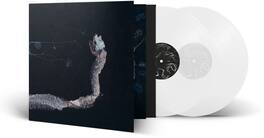
There have been comfortingly few changes in Tenhi since their last album InchVäreInch; this Finnish band is still performing it's unique brand of nature music, music that is above all atmospheric and touching. But there's a lot more to it for years now, the musicians have been stressing the meaning of the aesthetics beyond their compositions, as Tenhi is meant to be a reflection of their sensitive perception of nature, not only in sound, but also in lyrics and pictures. Maybe a pictorial comparison can help to understand Tenhi's development. InchOur new songs are run through by our perception of the Earth,Inch multi-instrumentalist Tyko Saarikko tells us. InchOur gaze isn't directed towards the horizon anymore, but towards the soil beneath our feet and the nature in our immediate surroundings.Inch Musically, vocals, piano, and violin are clearly mixed to the fore, giving InchMaaäetInch a more immediate expression. This picturesque character is mirrored in symbolic images that have been specifically created for the twelve new tracks, adding a fairy-tale quality to the whole work of art. InchThis album is much more personal, much darker than it's predecessors,Inch says the versatile musician who associates InchMaaäetInch with Inchthe smell of a forest ground covered in autumn leavesInch. The band allows single melodies enough space to unfold a deep capacity for fascination, dismissing all superficial questions of styles or genres. The Finnish lyrics are also very profound, weaving around motifs such as retreat, vulnerability, esoteric moods, and nature mysticism. Whatever name you'd like to put on Tenhi's manifold creative undertakings - the band members themselves describe it as Folk-influenced progressive music -, with InchMaaäetInch, they succeeded in crafting a warm-hearted deepening of their music. Musically, vocals, piano, and violin are clearly mixed to the fore