They Hate Change - Finally, New - COMPACT DISCS [CD]
Reviews coming soon
About this product
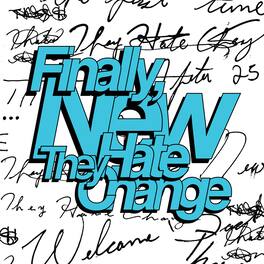
If it's really a post-genre world, why does everything sound the same? The two halves of Tampa rap duo They Hate Change - Dre (he/him) and Vonne (they/them) - first came together in front of the apartment complex where they both lived as teens. Dre had just moved down from Rochester, NY; Vonne was trying to sell him bad weed. It was clear from the start that the two listen to music differently from most people - they're sonic omnivores, obsessive deep-divers, lovers of rare and radical sounds. Starting as kids trawling the internet for tracks, they've been collecting music from around the world and across the decades, amassing a shared sonic knowledge so deep that InchencyclopedicInch barely begins to cover it - not just the East Coast hip-hop that Dre grew up on, or the hyperlocal bass-music variants like jook (the Gulf Coast's twerkably raunchy answer to house) and crank (think InchMiami bass meets NOLA bounceInch), but also drum 'n' bass, Chicago footwork, post-punk, prog (they're, like, seriously into prog), grime, krautrock, emo, and basically any genre on the map. Once they graduated to DJs on the Tampa DIY scene - which includes everything from punk rock house parties to the black Inchteen nightsInch that pop up in rec centers and ballrooms - they figured out how to pull all these disparate sounds together into a cohesive style. More importantly, they figured out how to make it something people will actually move to. When they made the transition to rapping and making beats, they brought that pleasure-seeking approach to sonic experimentation with them. For anyone who's been feeling suffocated by the sameness that's been afflicting hip-hop and pop - where a small handful of ideas gets recycled endlessly, and a spin through the big new- playlists quickly devolves into a blur - They Hate Change's Jagjaguwar debut, Finally, New lives up to it's name. Finally, a r
Format
CDSpecifications
- GenreDance and electronicDescriptionIf it's really a post-genre world, why does everything sound the same? The two halves of Tampa rap duo They Hate Change - Dre (he/him) and Vonne (they/them) - first came together in front of the apartment complex where they both lived as teens. Dre had just moved down from Rochester, NY; Vonne was trying to sell him bad weed. It was clear from the start that the two listen to music differently from most people - they're sonic omnivores, obsessive deep-divers, lovers of rare and radical sounds. Starting as kids trawling the internet for tracks, they've been collecting music from around the world and across the decades, amassing a shared sonic knowledge so deep that InchencyclopedicInch barely begins to cover it - not just the East Coast hip-hop that Dre grew up on, or the hyperlocal bass-music variants like jook (the Gulf Coast's twerkably raunchy answer to house) and crank (think InchMiami bass meets NOLA bounceInch), but also drum 'n' bass, Chicago footwork, post-punk, prog (they're, like, seriously into prog), grime, krautrock, emo, and basically any genre on the map. Once they graduated to DJs on the Tampa DIY scene - which includes everything from punk rock house parties to the black Inchteen nightsInch that pop up in rec centers and ballrooms - they figured out how to pull all these disparate sounds together into a cohesive style. More importantly, they figured out how to make it something people will actually move to. When they made the transition to rapping and making beats, they brought that pleasure-seeking approach to sonic experimentation with them. For anyone who's been feeling suffocated by the sameness that's been afflicting hip-hop and pop - where a small handful of ideas gets recycled endlessly, and a spin through the big new- playlists quickly devolves into a blur - They Hate Change's Jagjaguwar debut, Finally, New lives up to it's name. Finally, a rArtistThey Hate ChangeTitleFinally, NewFormatCDLabelJagjaguwar
Reviews
This product doesn't have any reviews yet.
Compare similar products
If it's really a post-genre world, why does everything sound the same? The two halves of Tampa rap duo They Hate Change - Dre (he/him) and Vonne (they/them) - first came together in front of the apartment complex where they both lived as teens. Dre had just moved down from Rochester, NY; Vonne was trying to sell him bad weed. It was clear from the start that the two listen to music differently from most people - they're sonic omnivores, obsessive deep-divers, lovers of rare and radical sounds. Starting as kids trawling the internet for tracks, they've been collecting music from around the world and across the decades, amassing a shared sonic knowledge so deep that InchencyclopedicInch barely begins to cover it - not just the East Coast hip-hop that Dre grew up on, or the hyperlocal bass-music variants like jook (the Gulf Coast's twerkably raunchy answer to house) and crank (think InchMiami bass meets NOLA bounceInch), but also drum 'n' bass, Chicago footwork, post-punk, prog (they're, like, seriously into prog), grime, krautrock, emo, and basically any genre on the map. Once they graduated to DJs on the Tampa DIY scene - which includes everything from punk rock house parties to the black Inchteen nightsInch that pop up in rec centers and ballrooms - they figured out how to pull all these disparate sounds together into a cohesive style. More importantly, they figured out how to make it something people will actually move to. When they made the transition to rapping and making beats, they brought that pleasure-seeking approach to sonic experimentation with them. For anyone who's been feeling suffocated by the sameness that's been afflicting hip-hop and pop - where a small handful of ideas gets recycled endlessly, and a spin through the big new- playlists quickly devolves into a blur - They Hate Change's Jagjaguwar debut, Finally, New lives up to it's name. Finally, a r

Bill Coleman - Remixxer [COMPACT DISCS] date 06/01/2010
If it's really a post-genre world, why does everything sound the same? The two halves of Tampa rap duo They Hate Change - Dre (he/him) and Vonne (they/them) - first came together in front of the apartment complex where they both lived as teens. Dre had just moved down from Rochester, NY; Vonne was trying to sell him bad weed. It was clear from the start that the two listen to music differently from most people - they're sonic omnivores, obsessive deep-divers, lovers of rare and radical sounds. Starting as kids trawling the internet for tracks, they've been collecting music from around the world and across the decades, amassing a shared sonic knowledge so deep that InchencyclopedicInch barely begins to cover it - not just the East Coast hip-hop that Dre grew up on, or the hyperlocal bass-music variants like jook (the Gulf Coast's twerkably raunchy answer to house) and crank (think InchMiami bass meets NOLA bounceInch), but also drum 'n' bass, Chicago footwork, post-punk, prog (they're, like, seriously into prog), grime, krautrock, emo, and basically any genre on the map. Once they graduated to DJs on the Tampa DIY scene - which includes everything from punk rock house parties to the black Inchteen nightsInch that pop up in rec centers and ballrooms - they figured out how to pull all these disparate sounds together into a cohesive style. More importantly, they figured out how to make it something people will actually move to. When they made the transition to rapping and making beats, they brought that pleasure-seeking approach to sonic experimentation with them. For anyone who's been feeling suffocated by the sameness that's been afflicting hip-hop and pop - where a small handful of ideas gets recycled endlessly, and a spin through the big new- playlists quickly devolves into a blur - They Hate Change's Jagjaguwar debut, Finally, New lives up to it's name. Finally, a r

Principally surveying the Préludes and Images, the first two volumes of Alessandra Ammara's Debussy survey have attracted praise for their affinity with the composer's elusive but painterly idiom. According to Fanfare, InchAmmara reveals her sensitivity to the Debussy sound world, rife with blurred outlines of objects and infiltrated with variegated light, in the manner of the painter J. M. W. Turner.InchFor Volume 3, her focus turns principally to the set of 12 Études, which miraculously took shape over the course of just two months, in August and September 1915. Plagued by ill health following the diagnosis of rectal cancer in 1909, presented with the pressing need to increase his earnings through editing and performing, Debussy wrote the Études while staying in a town near Dieppe, on the Normandy coast. Emerging from a period of severe depression, he once more took inspiration from the sea in a sudden and final burst of creativity, which also saw the composition of the suite for two pianos, en blanc et noir, and the Sonata for Flute, Viola and Harp.However, it is the 12 Études which have come both to define Debussy's late style - on the piano, as a counterpart to his ballet for Diaghilev, Jeux - and to present both a model and a challenge to later composers of piano études from Tansman to Ligeti. Debussy himself said that they were Incha warning to pianists not to take up the musical profession unless they have remarkable handsInch.While the dry titles of the individual Études serve to conceal their rich and turbulent inner landscape, aspects of their invention are prefigured by the earlier works on Alessandra Ammara's album. The three movements of Estampes are as much InchstudiesInch in their way as the Études - of particular kinds of movement refracted through the images of a Japanese pagoda, a Spanish evening, and a garden in the rain. From 1904, and capturing t