Thomas Dausgaard - Symphony No 6 - SUPER-AUDIO CD [Super Audio CD (SACD)]
Reviews coming soon
About this product
It is a sobering thought that the first public performance of any symphony by Schubert took place after his death, at a memorial concert in December 1828. The work in question was the Symphony No.6 in C major, composed ten years earlier but previously only played through once, by an amateur orchestra. What was heard at the 1828 concert was thus music by a relatively untroubled 20-year-old composer paying tribute to one of his heroes at the time Rossini. 'He is undeniably an exceptional genius', Schubert had said of Rossini in 1819, and both the cavatina style of the second movement and the effervescent spontaneity of the finale certainly call to mind the Italian composer's overtures. But in the third movement Scherzo another, even more important influence is heard, for instance in the numerous contrasts that abruptly punctuate the music in a clearly Beethovenian manner. Obviously proud of the work, Schubert called it his 'Great Symphony in C major', unsuspecting of the fact that the same designation would later be applied to his final work in the genre, Symphony No.9 in C major, D944. If Schubert's symphonies remained unperformed during his lifetime, at least some of the orchestral scores he wrote for the theatre and opera did meet with an audience. The most famous of these is the music for Rosamunda, Princess of Cyprus - a 'great Romantic play' which folded after only two performances, in December 1823. The play itself was ridiculed and relegated to the dustbin, but Schubert's contribution received unanimous praise, and various excerpts from it belong to his most famous music for orchestra. Schubert himself must have valued it, as he reused the main theme from Entr'acte No.3 twice, in the Andante of his 'Rosamunde' Quartet and in the third of his Four Impromptus. This is the second disc in an on-going cycle of Schubert's symphonies with the Swedish Chamber Orchestra
Specifications
- GenreClassicalDescriptionIt is a sobering thought that the first public performance of any symphony by Schubert took place after his death, at a memorial concert in December 1828. The work in question was the Symphony No.6 in C major, composed ten years earlier but previously only played through once, by an amateur orchestra. What was heard at the 1828 concert was thus music by a relatively untroubled 20-year-old composer paying tribute to one of his heroes at the time Rossini. 'He is undeniably an exceptional genius', Schubert had said of Rossini in 1819, and both the cavatina style of the second movement and the effervescent spontaneity of the finale certainly call to mind the Italian composer's overtures. But in the third movement Scherzo another, even more important influence is heard, for instance in the numerous contrasts that abruptly punctuate the music in a clearly Beethovenian manner. Obviously proud of the work, Schubert called it his 'Great Symphony in C major', unsuspecting of the fact that the same designation would later be applied to his final work in the genre, Symphony No.9 in C major, D944. If Schubert's symphonies remained unperformed during his lifetime, at least some of the orchestral scores he wrote for the theatre and opera did meet with an audience. The most famous of these is the music for Rosamunda, Princess of Cyprus - a 'great Romantic play' which folded after only two performances, in December 1823. The play itself was ridiculed and relegated to the dustbin, but Schubert's contribution received unanimous praise, and various excerpts from it belong to his most famous music for orchestra. Schubert himself must have valued it, as he reused the main theme from Entr'acte No.3 twice, in the Andante of his 'Rosamunde' Quartet and in the third of his Four Impromptus. This is the second disc in an on-going cycle of Schubert's symphonies with the Swedish Chamber OrchestraArtistThomas DausgaardTitleSymphony No 6FormatSuper Audio CD (SACD)LabelBis
Reviews
This product doesn't have any reviews yet.
Compare similar products

It is a sobering thought that the first public performance of any symphony by Schubert took place after his death, at a memorial concert in December 1828. The work in question was the Symphony No.6 in C major, composed ten years earlier but previously only played through once, by an amateur orchestra. What was heard at the 1828 concert was thus music by a relatively untroubled 20-year-old composer paying tribute to one of his heroes at the time Rossini. 'He is undeniably an exceptional genius', Schubert had said of Rossini in 1819, and both the cavatina style of the second movement and the effervescent spontaneity of the finale certainly call to mind the Italian composer's overtures. But in the third movement Scherzo another, even more important influence is heard, for instance in the numerous contrasts that abruptly punctuate the music in a clearly Beethovenian manner. Obviously proud of the work, Schubert called it his 'Great Symphony in C major', unsuspecting of the fact that the same designation would later be applied to his final work in the genre, Symphony No.9 in C major, D944. If Schubert's symphonies remained unperformed during his lifetime, at least some of the orchestral scores he wrote for the theatre and opera did meet with an audience. The most famous of these is the music for Rosamunda, Princess of Cyprus - a 'great Romantic play' which folded after only two performances, in December 1823. The play itself was ridiculed and relegated to the dustbin, but Schubert's contribution received unanimous praise, and various excerpts from it belong to his most famous music for orchestra. Schubert himself must have valued it, as he reused the main theme from Entr'acte No.3 twice, in the Andante of his 'Rosamunde' Quartet and in the third of his Four Impromptus. This is the second disc in an on-going cycle of Schubert's symphonies with the Swedish Chamber Orchestra

Grand Theft Auto VI: The Album on clear pink with purple splatter vinyl. The 2LP, gatefold jacket includes a Best Buy exclusive 12x24 poster. Atlantic Records and Rockstar Games announce Grand Theft Auto VI: The Album, the upcoming official soundtrack album from the biggest, most immersive evolution of the groundbreaking Grand Theft Auto series yet; Grand Theft Auto VI. Launching November 19 alongside the hotly anticipated game, Grand Theft Auto VI: The Album features 34 original tracks that capture the electric energy of Grand Theft Auto VI’s world of Vice City and Leonida, with a genre-defying roster of the most exciting and preeminent artists in the world.

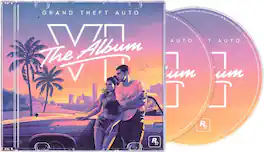
Atlantic Records and Rockstar Games announce Grand Theft Auto VI: The Album, the upcoming official soundtrack album from the biggest, most immersive evolution of the groundbreaking Grand Theft Auto series yet; Grand Theft Auto VI. Launching November 19 alongside the hotly anticipated game, Grand Theft Auto VI: The Album features 34 original tracks that capture the electric energy of Grand Theft Auto VI’s world of Vice City and Leonida, with a genre-defying roster of the most exciting and preeminent artists in the world.
| Pros for Thomas Dausgaard - Symphony No 6 - SUPER-AUDIO CD [Super Audio CD (SACD)] | |||
|---|---|---|---|
| There were no pros for this product— | There were no pros for this product— | Playback Quality | There were no pros for this product— |
Specs
Be the first to ask a question.
We’ll try to get your question answered within 24 hours by a Best Buy customer or brand representative.