“How does the automatic shut off work? Is it a timer, or does it stop when all batteries are charged? Does it prevent accidentally over charging/trickle charging?”
Answer This Question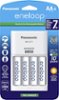
1-1 of 1 Answer
The Panasonic Eneloop chargers, such as the BQ-CC17 or BQ-CC55, that often come bundled with Eneloop AA batteries, use a sophisticated Minus Delta V Control or Smart Charge system for their automatic shut-off function. Here's how it works: Detecting Full Charge: Instead of relying solely on a timer, these chargers monitor the voltage of each individual battery during the charging process. When a NiMH battery reaches full charge, its voltage will peak and then begin to drop slightly. This slight drop in voltage is what the Minus Delta V Control detects. Automatic Shut-off: Once this voltage drop (or "Minus Delta V") is detected for a particular battery, the charger will automatically shut off power to that specific charging slot, preventing any further charging. Individual Charge Control: A key feature is the "Individual Charge Control." This means each battery slot operates independently. You can charge any combination of Eneloop or Eneloop Pro AA and AAA batteries in the charger, and each will be charged to full capacity and then shut off individually when complete. Overcharging Protection: This method effectively prevents accidental overcharging, which can generate excessive heat and shorten the lifespan of NiMH batteries. No Trickle Charging (for BQ-CC17): It's important to note that the BQ-CC17 charger does not use a trickle charge to top off the batteries after they are fully charged. Once a battery is full, the power to that slot is completely shut off. This is beneficial because continuous trickle charging can also be detrimental to the life of NiMH batteries, especially Eneloop Pro batteries. Indicators: Many of these chargers also include LED indicators. For example, on the BQ-CC17, the LED light turns solid green while charging and then turns off when the battery is fully charged. Other models, like the BQ-CC55, use different colors to indicate the charging status and then turn off the light when charging is complete. In summary: The Panasonic Eneloop chargers use a smart detection system (Minus Delta V or Smart Charge) to prevent overcharging by automatically cutting off the power to individual battery slots once a full charge is detected. This method is more sophisticated than relying solely on a timer and helps to prolong the life of your rechargeable batteries.
Sorry, there was a problem. Please try again later.