20 Amp Circuit Breakers
-
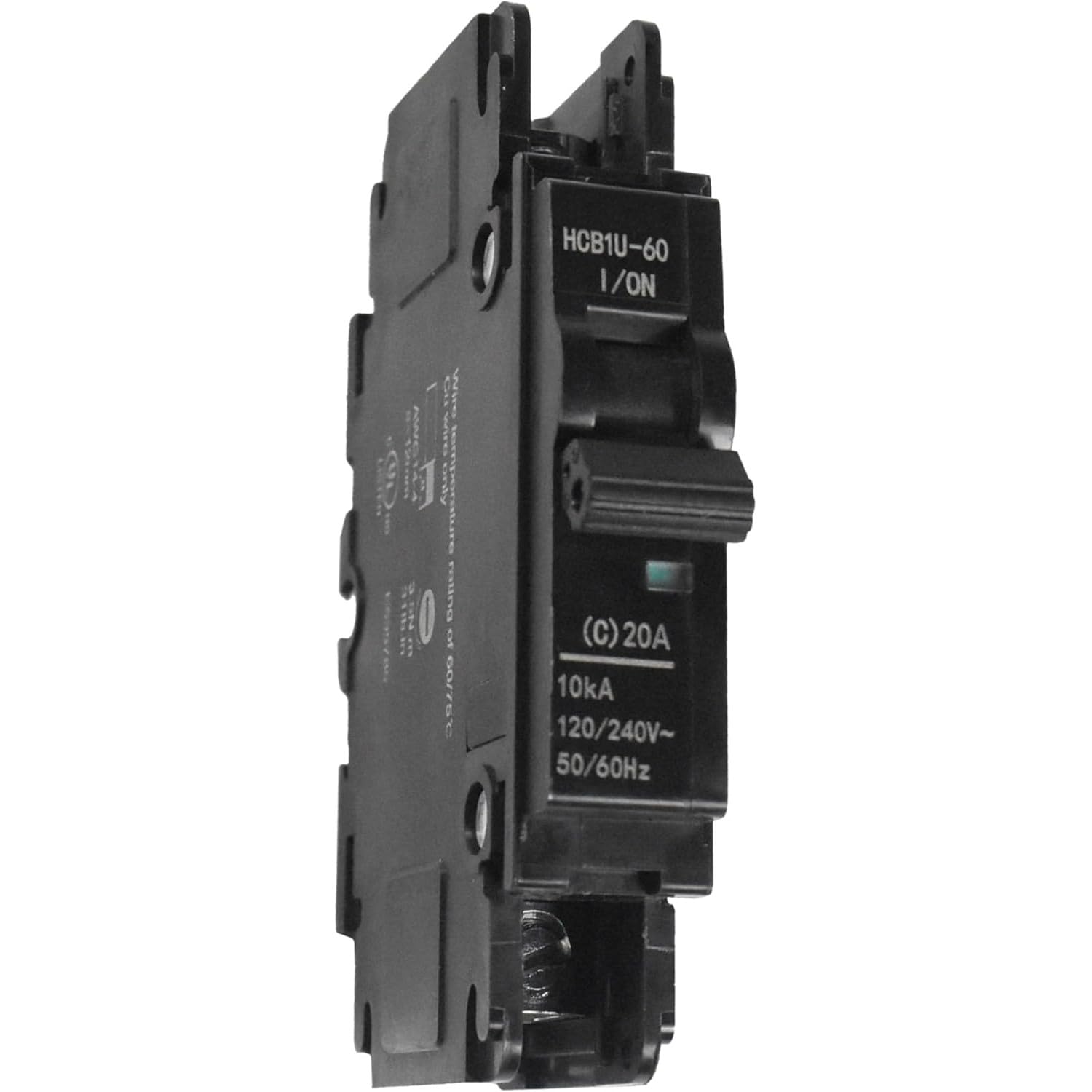
HQRP - UL 489 Miniature Circuit Breaker for HCB1U-60C20/1 - 1 Pole Type C 20 A 120/240 V AC - Black
SKU: J3ZSLC6JSYSee all Amp Accessories & Installation PartsProduct Description
A black 1-pole circuit breaker offering 20A, 120/240V AC protection with Type C tripping curve.Your price for this item is $16.40 -
Siemens - 20 amps Dual Function Single Pole Circuit Breaker
SKU: J3ZPTS4GWXSee all Amp Accessories & Installation PartsProduct Description
A dual-function circuit breaker providing both arc-fault and ground-fault protection for 120V branch circuits.Your price for this item is $96.67 -
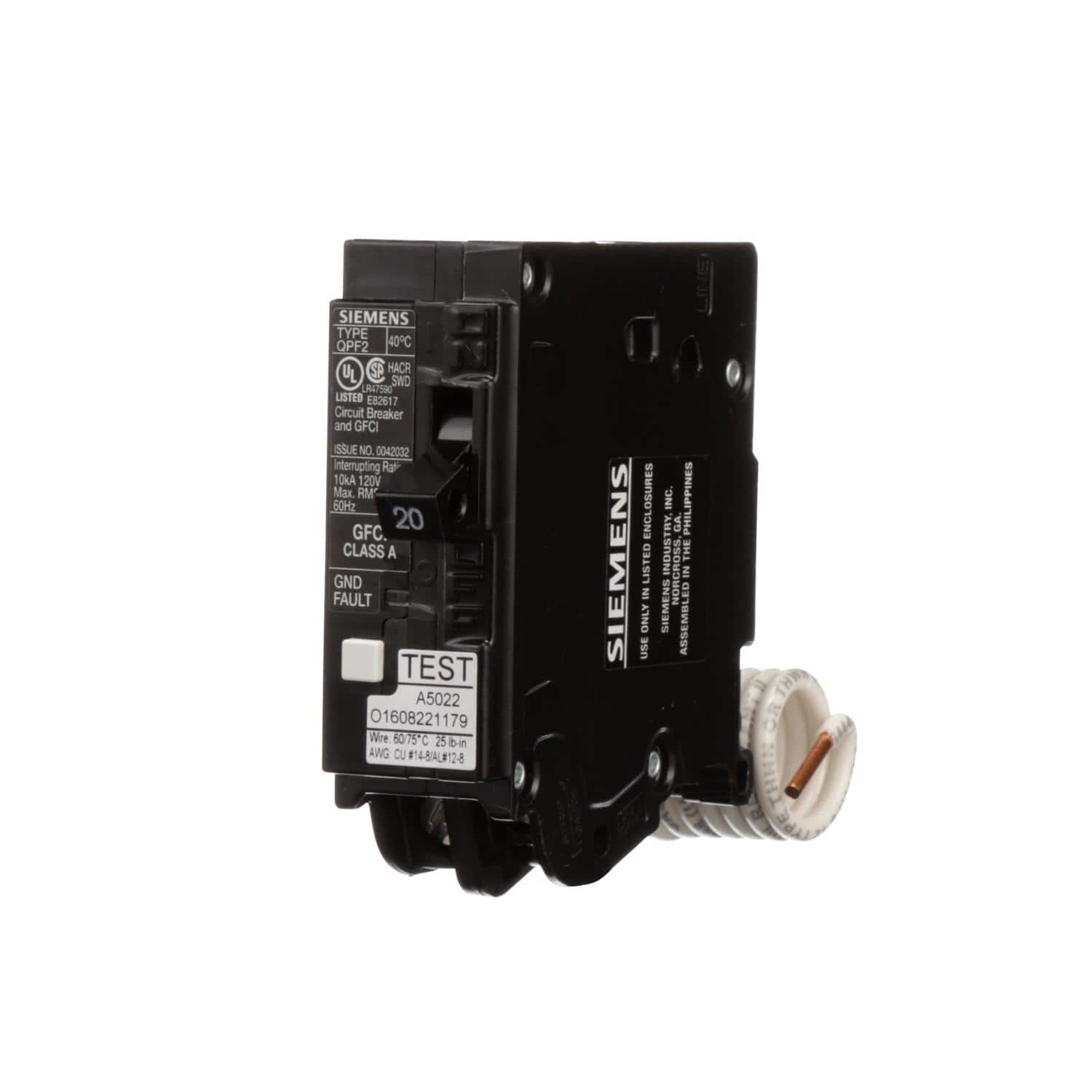
Siemens - 20 amps GFCI Single Pole Circuit Breaker
SKU: J3ZPTPG49YSee all Amp Accessories & Installation PartsProduct Description
A 20-amp single-pole GFCI circuit breaker with UL 943-compliant self-testing and automatic lockout protection.Your price for this item is $81.23 -
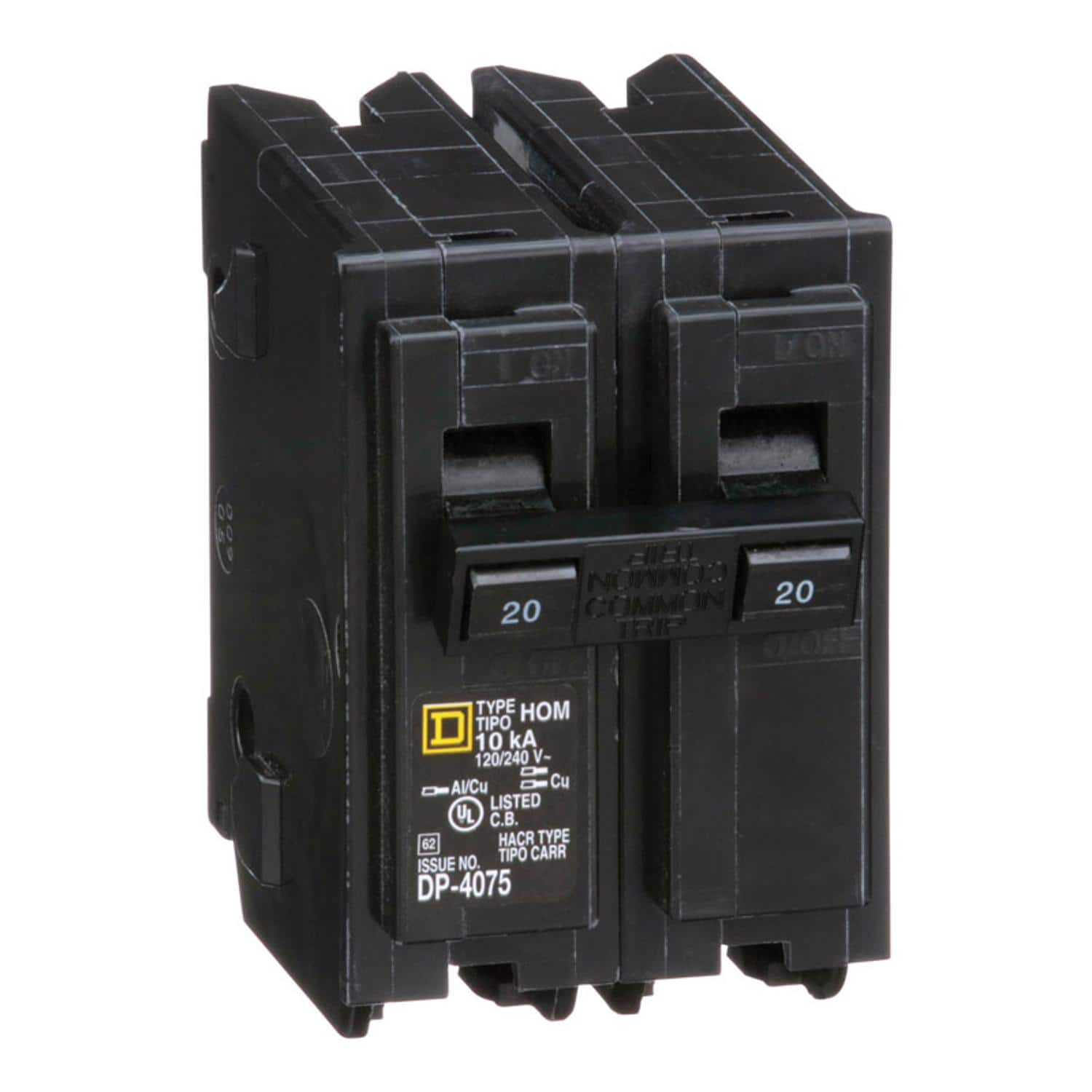
Square D - HomeLine 20 amps Surge 2-Pole Circuit Breaker
SKU: J7GK4JZ7PHSee all Amp Accessories & Installation PartsProduct Description
A durable 20-amp double-pole circuit breaker for 120/240V systems with thermal-magnetic tripping and 10,000 AIC rating.Your price for this item is $36.60 -
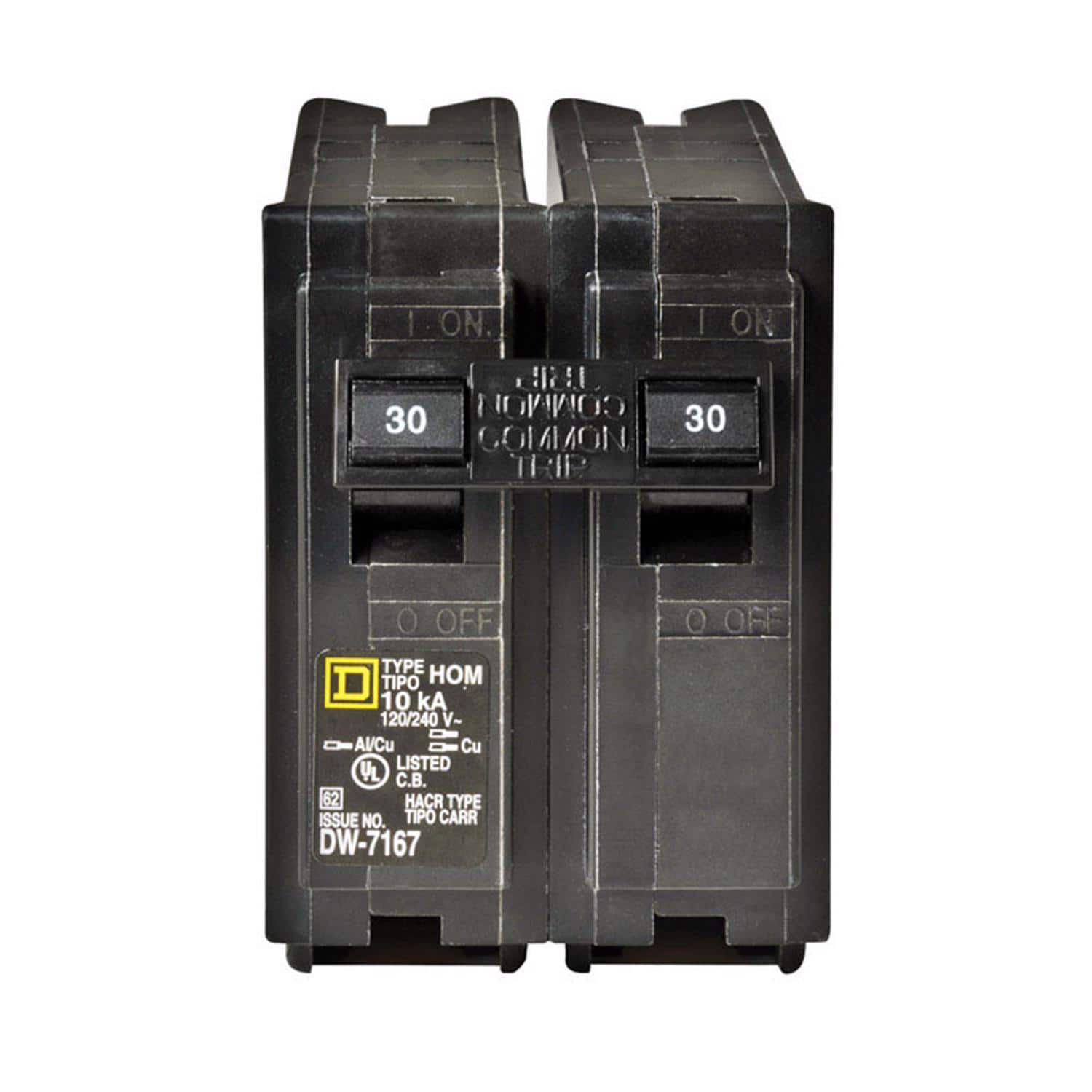
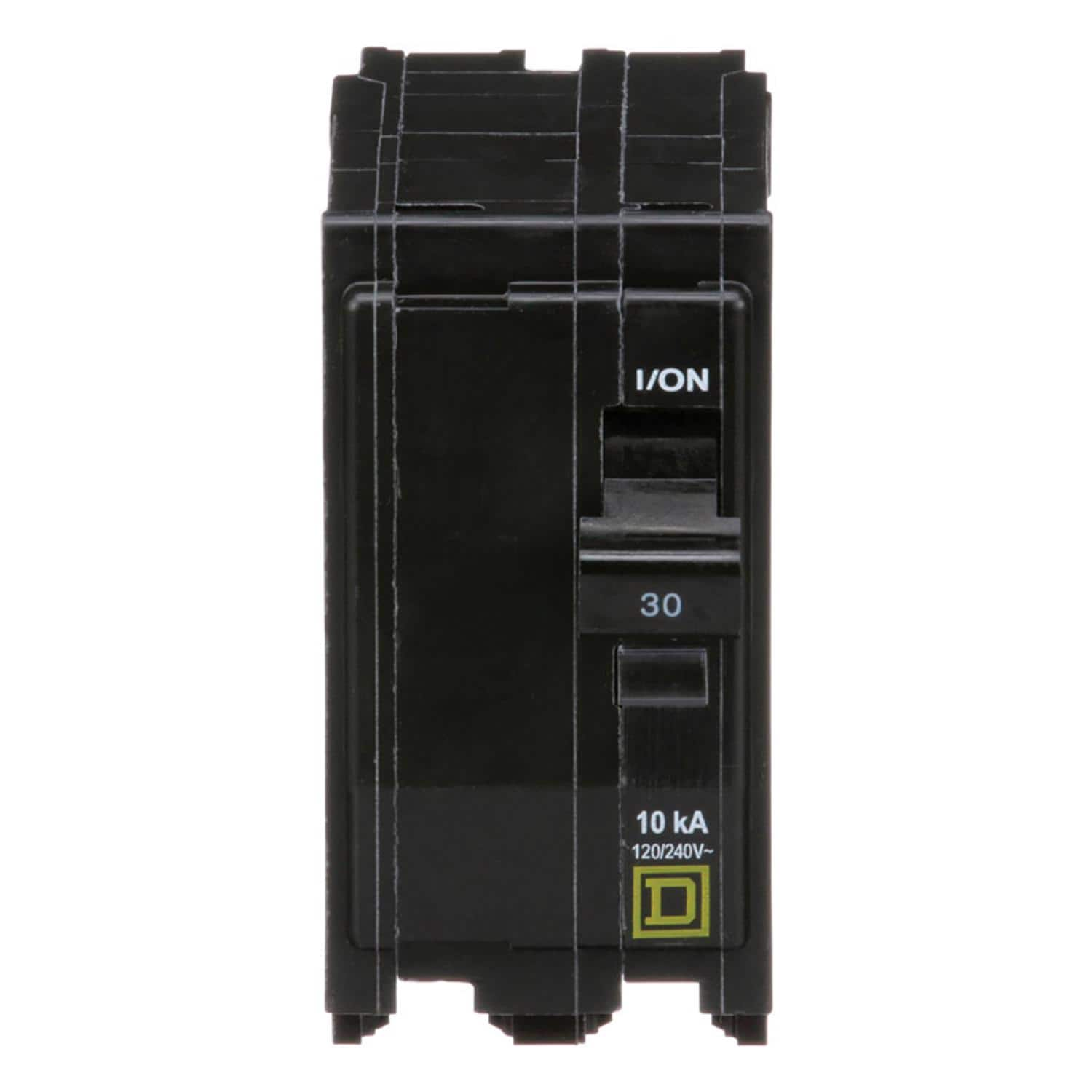
Square D - HomeLine 30 amps Surge 2-Pole Circuit Breaker
SKU: J7GK4JZ7PFSee all Amp Accessories & Installation PartsProduct Description
A 30-amp double-pole circuit breaker with plug-on neutral design, 120/240V AC operation, and 10kA interrupting capacity.Your price for this item is $36.60 -
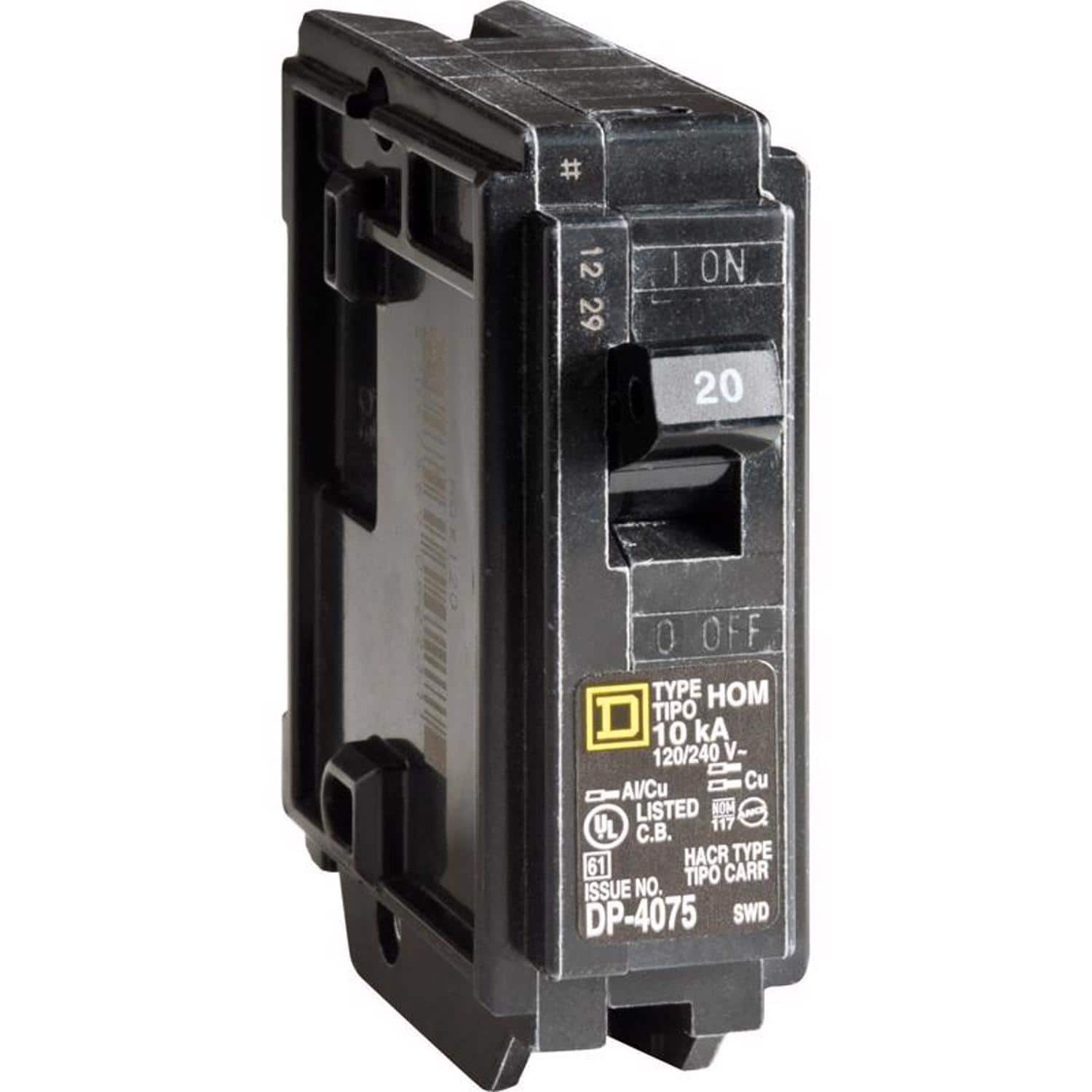
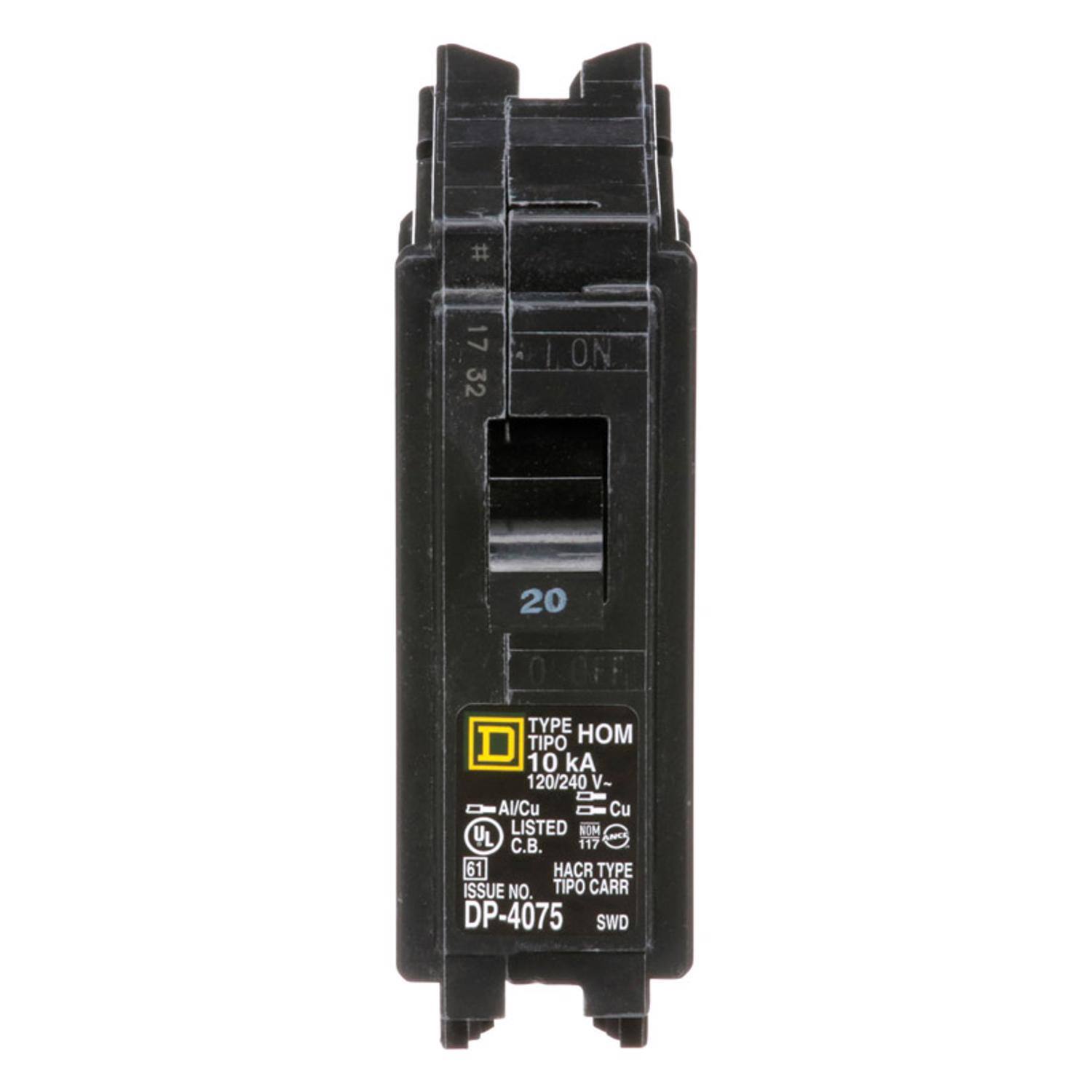
Square D - HomeLine 20 amps Standard Single Pole Miniature Circuit Breaker
SKU: J7GK4JZ7LSSee all Amp Accessories & Installation PartsProduct Description
A UL-listed 20A single-pole breaker with plug-on neutral design, 120V AC operation, and 10kA interrupting capacity.Your price for this item is $25.15 -
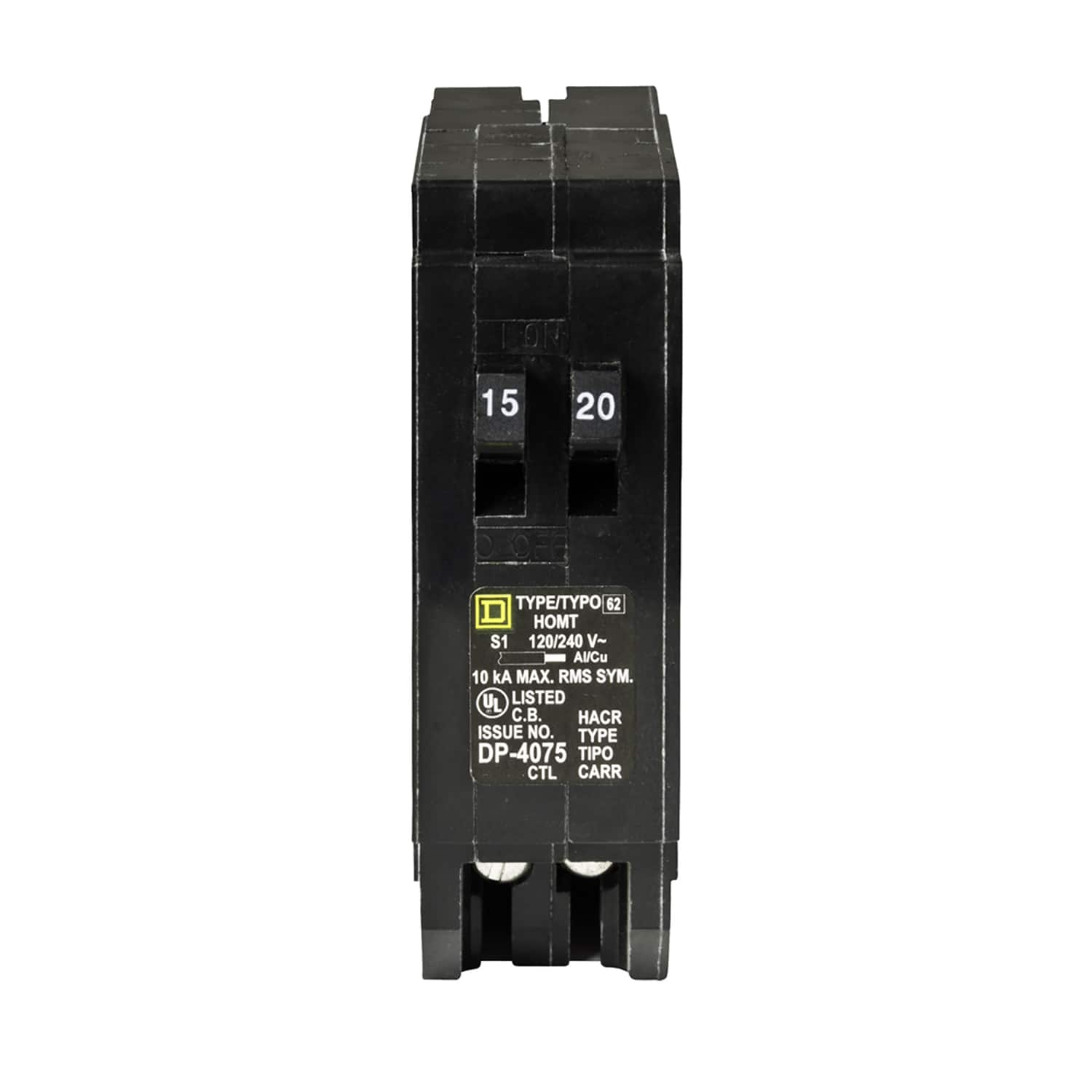
Schneider Electric - Square D 15/20 amps Tandem Single Pole Circuit Breaker
SKU: J7GK4JWZRZSee all Amp Accessories & Installation PartsProduct Description
A thermal-magnetic tandem circuit breaker providing 15/20 amp overcurrent protection for AC and DC systems.Your price for this item is $49.60Save $0The previous price was $49.91 -
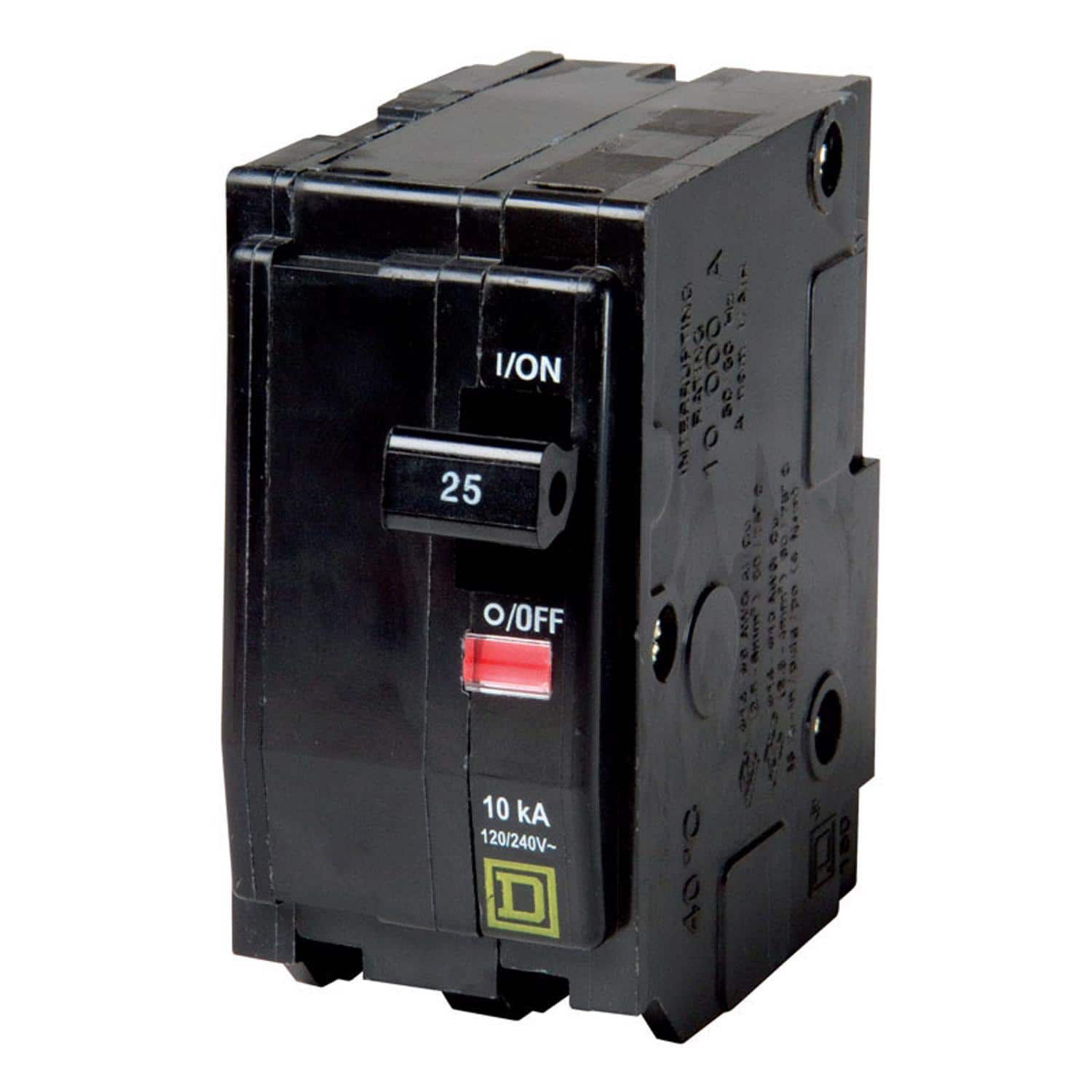
Schneider Electric - Square D QO 25 amps Plug In 2-Pole Circuit Breaker
SKU: J7GK4JT622See all Amp Accessories & Installation PartsProduct Description
A two-pole circuit breaker offering 25-amp overload and short-circuit protection with a visible trip indicator.Your price for this item is $52.96Save $0The previous price was $53.30 -
Schneider Electric - Square D 15/20 amps Tandem Single Pole Circuit Breaker
SKU: J7GK4CH477See all Amp Accessories & Installation PartsProduct Description
A tandem single-pole breaker providing 15 and 20 amp overload and short-circuit protection for home systems.Your price for this item is $35.32Save $0The previous price was $35.48 -
Schneider Electric - Square D QO 20 amps Tandem Single Pole Circuit Breaker
SKU: J7GK4JZQ2HSee all Amp Accessories & Installation PartsProduct Description
A tandem single pole circuit breaker providing 20-amp overload and short circuit protection for residential systems.Your price for this item is $112.58Save $0The previous price was $113.47 -
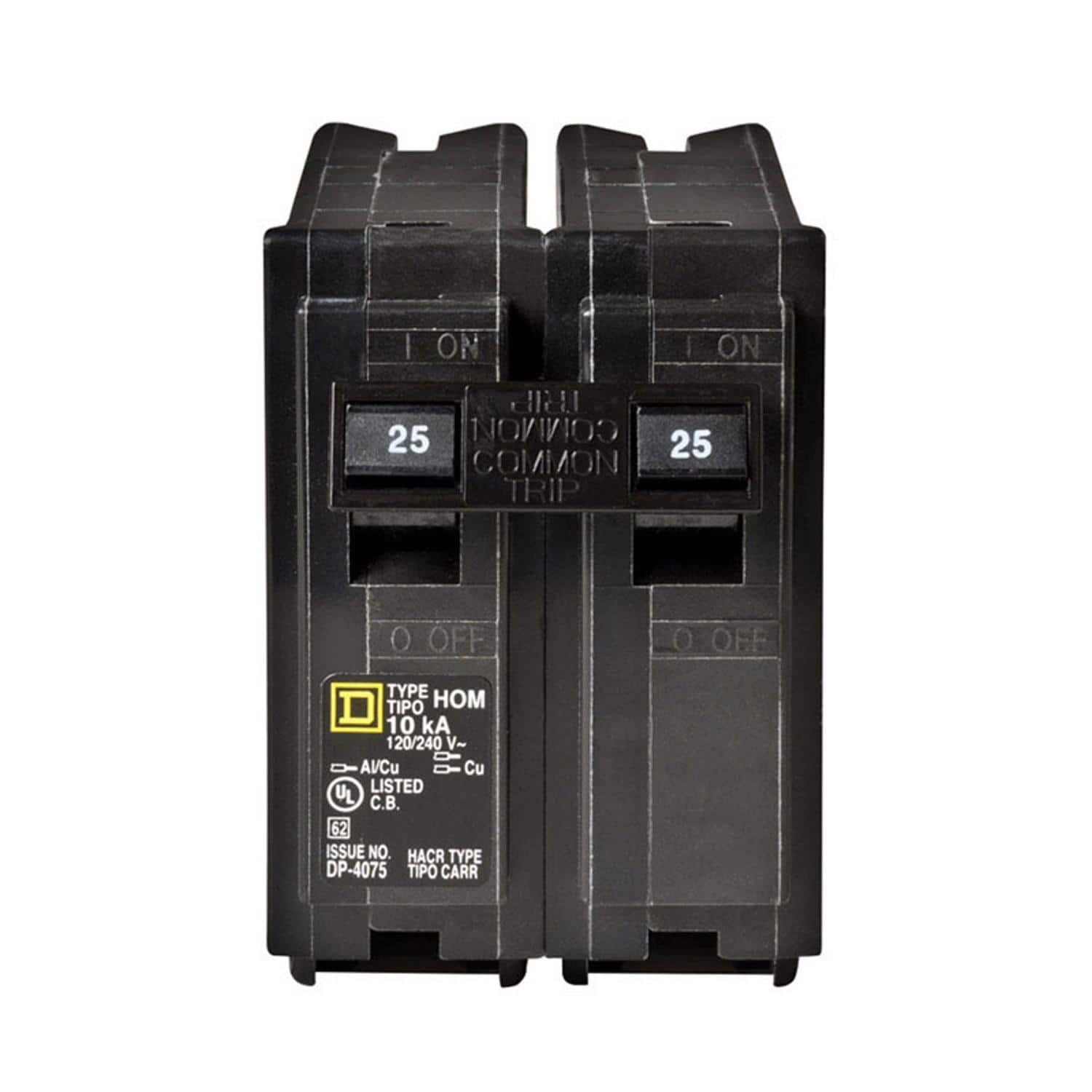
Square D - HomeLine 25 amps Surge 2-Pole Circuit Breaker
SKU: J7GK4JZRRGSee all Amp Accessories & Installation PartsProduct Description
A 25-amp double-pole thermal-magnetic breaker with plug-on neutral, 120/240V operation, 10kA capacity, and UL listing.Your price for this item is $36.74 -
Schneider Electric - Square D 15/15 amps Tandem Single Pole Circuit Breaker
SKU: J7GK4J4GP4See all Amp Accessories & Installation PartsProduct Description
A tandem single pole circuit breaker offering fast-acting 15/15 amp protection for residential lighting and receptacle circuits.Your price for this item is $108.98Save $0The previous price was $109.83 -
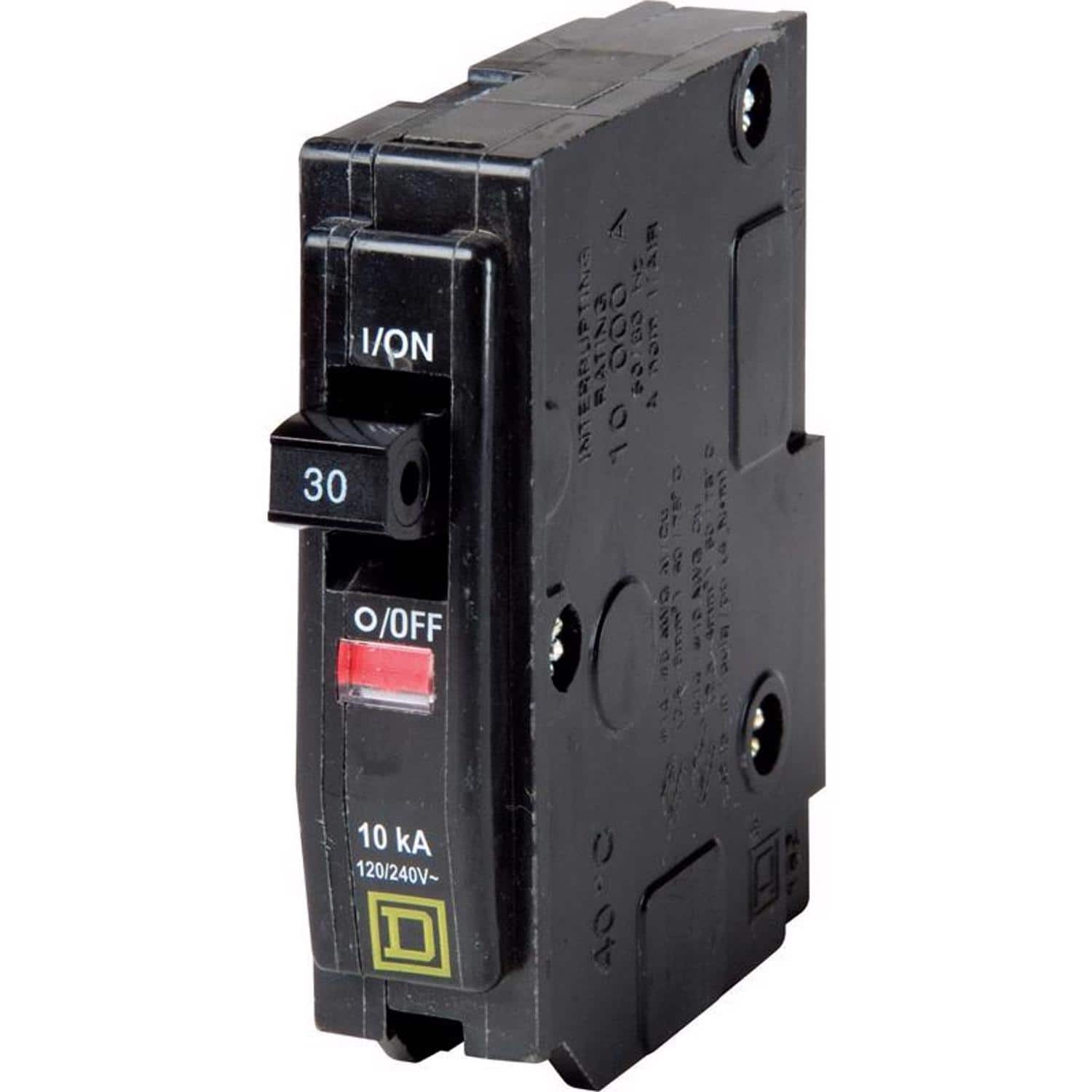
Square D - QO 30 amps Plug In Single Pole Circuit Breaker
SKU: J7GK42KQZCSee all Amp Accessories & Installation PartsProduct Description
A 30-amp single-pole circuit breaker with 120/240V rating, 10,000 AIR, Visi-Trip indicator, and UL listing.Your price for this item is $32.24 -
Schneider Electric - Square D QO 20 amps Plug In 2-Pole Circuit Breaker
SKU: J7GK4CVP92See all Amp Accessories & Installation PartsProduct Description
A plug-in 2-pole circuit breaker featuring a visi-trip indicator for quick identification of tripped circuits.Your price for this item is $55.03Save $0The previous price was $55.36 -
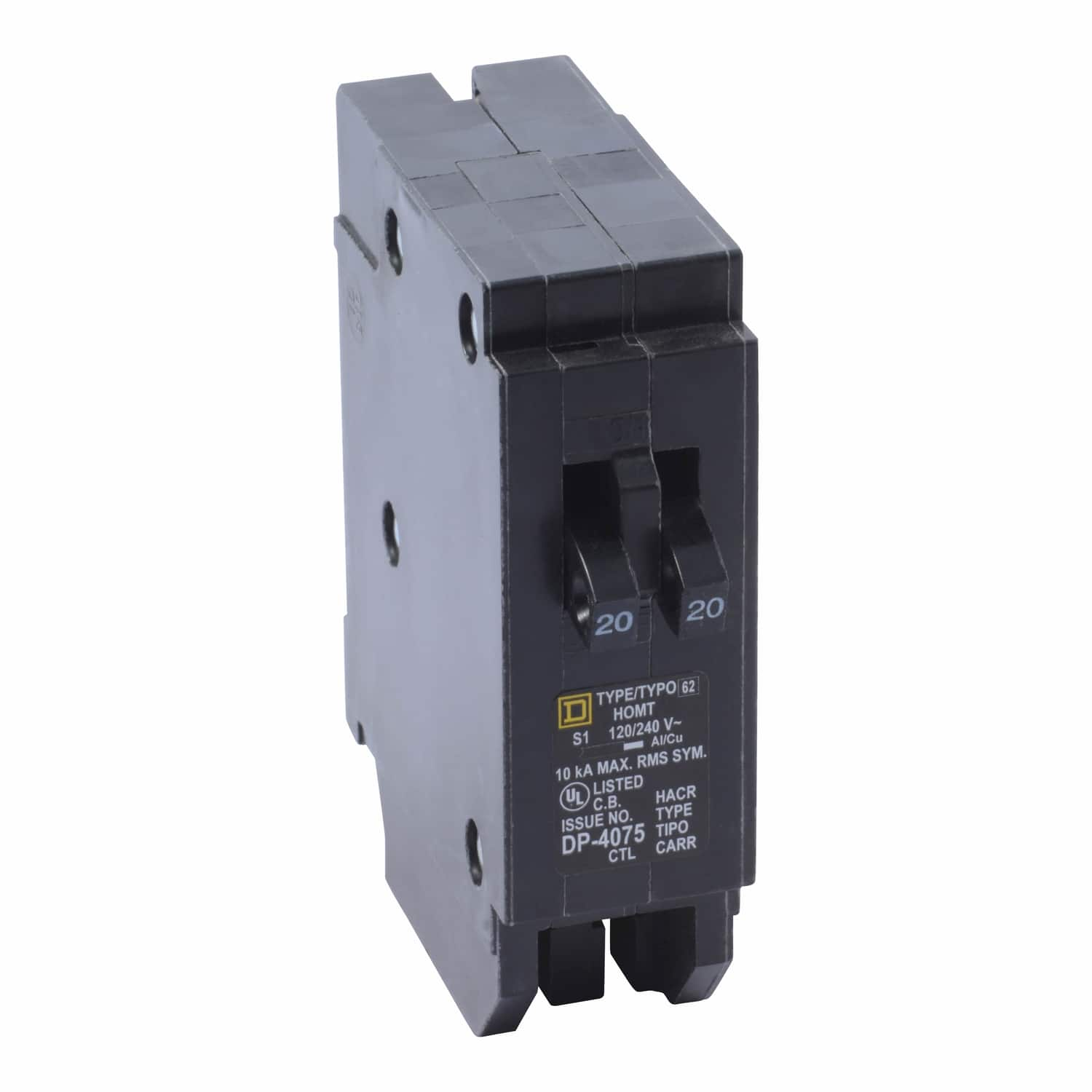
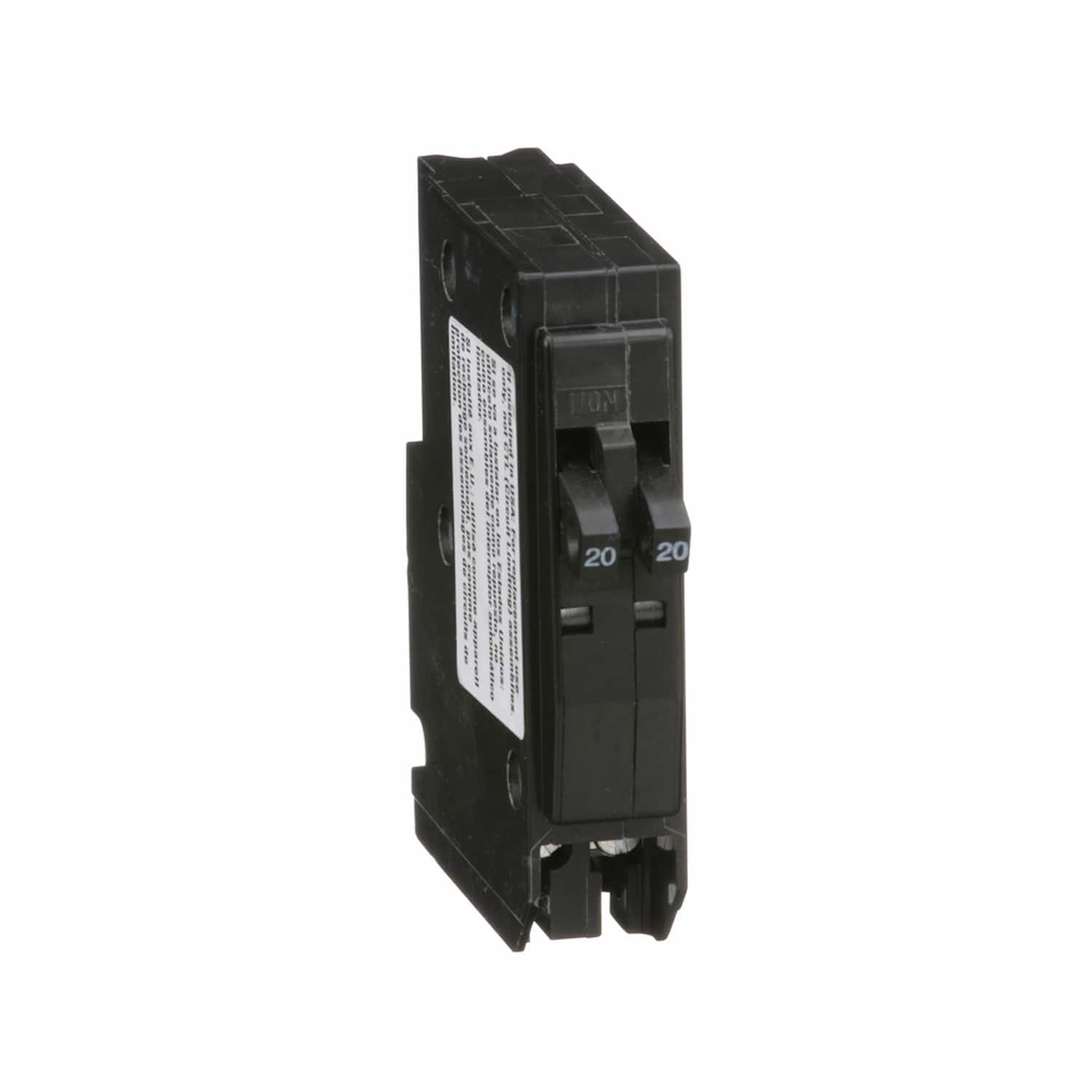
Square D - HomeLine 20/20 amps Tandem Single Pole Circuit Breaker
SKU: J7GK4JZ6TQSee all Amp Accessories & Installation PartsProduct Description
A tandem circuit breaker with two 20-amp single-pole breakers, rated 120/240V and 10,000 AIR.Your price for this item is $35.87 -
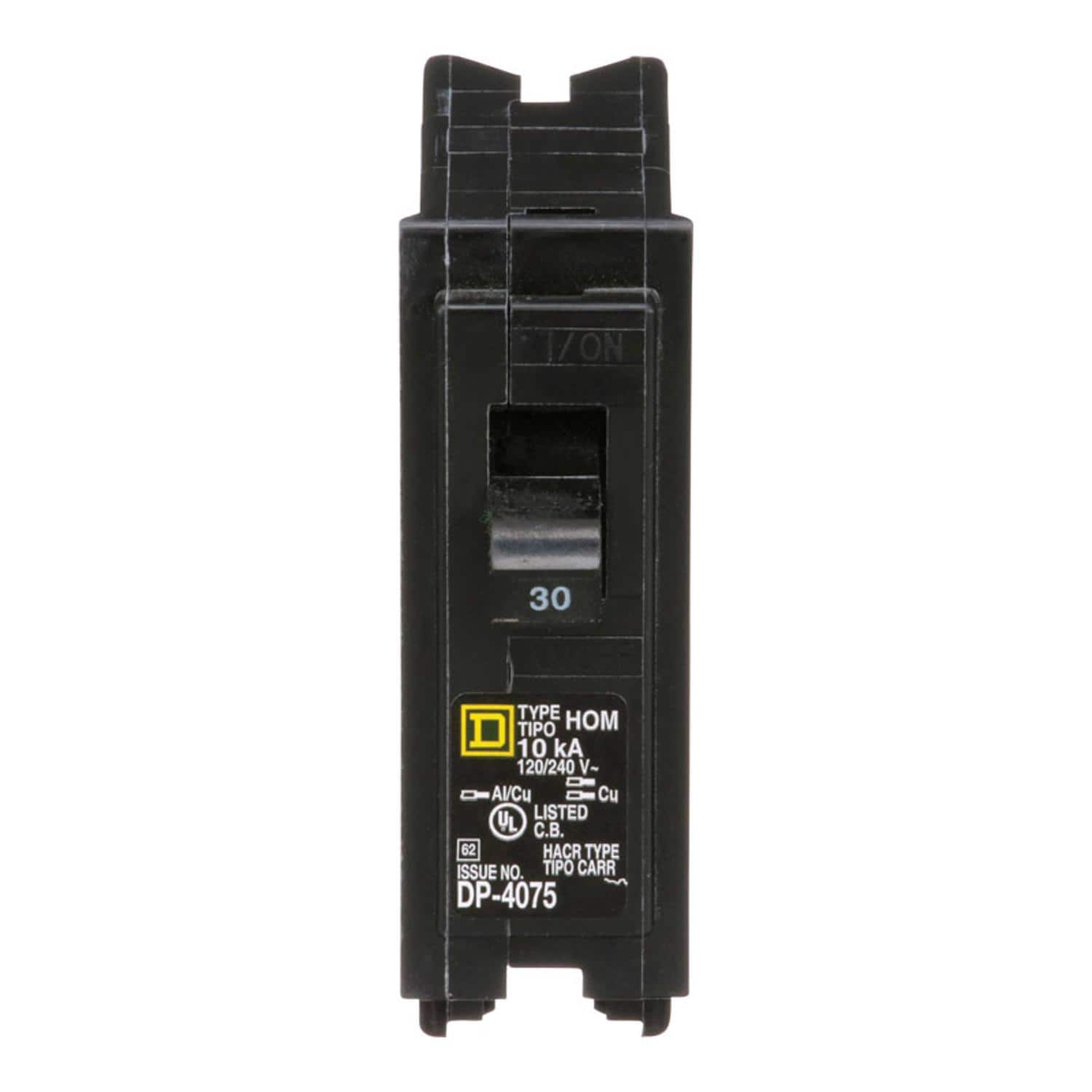
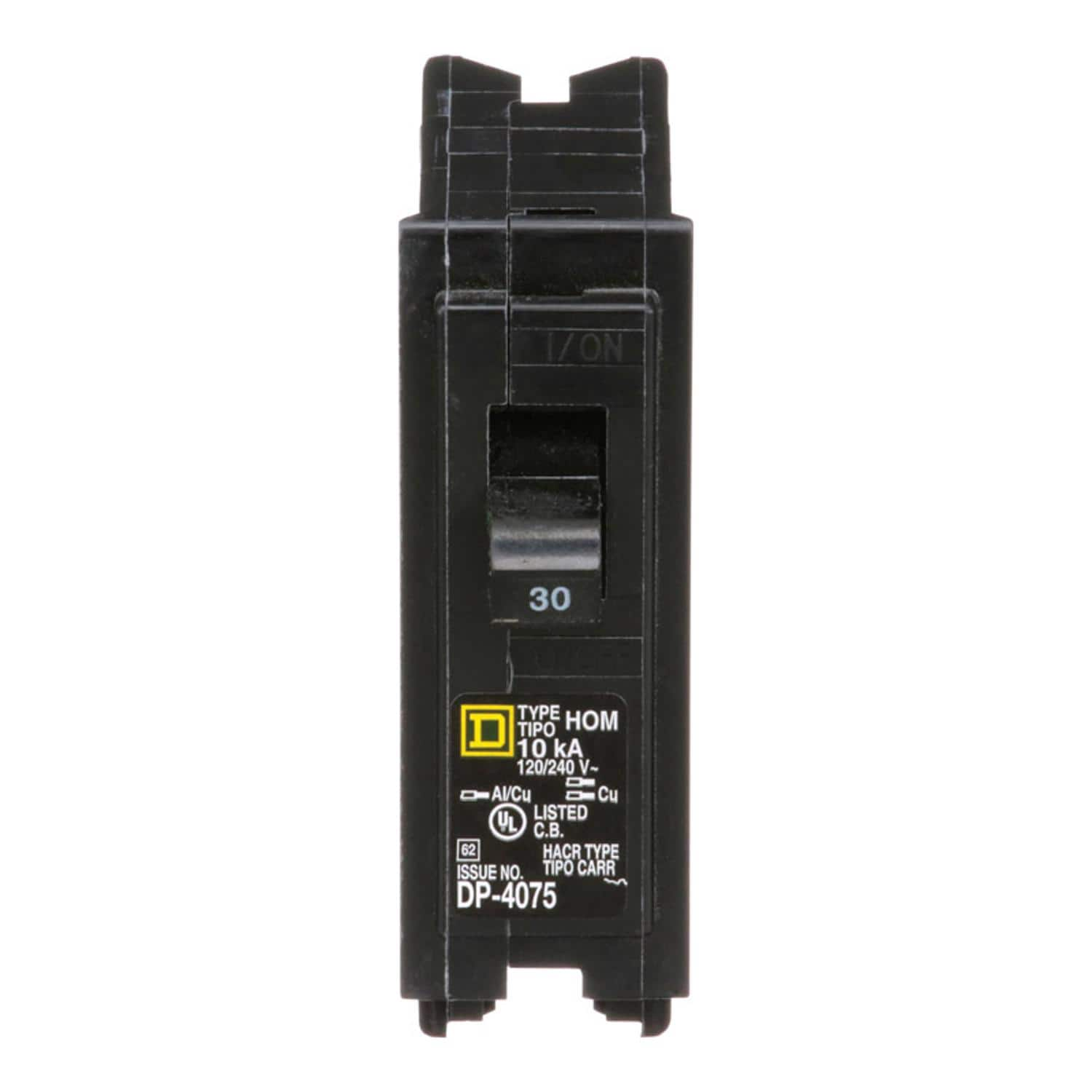
Square D - HomeLine 30 amps Surge Single Pole Circuit Breaker
SKU: J7GK4JZ7Y2See all Amp Accessories & Installation PartsProduct Description
A 30-amp single-pole circuit breaker providing overload and short-circuit protection, rated 120/240V with 10,000-AIC and UL-listed.Your price for this item is $25.15 -
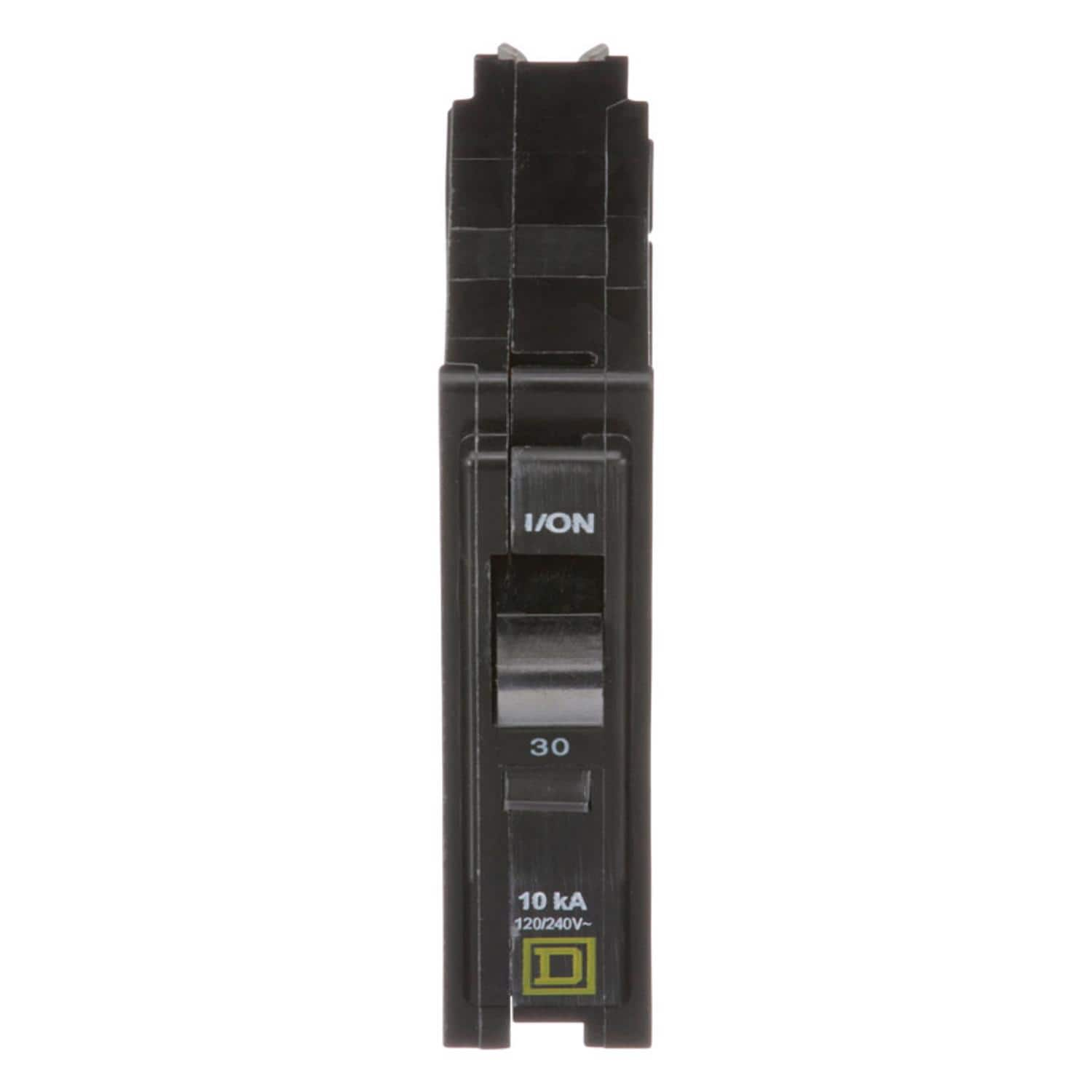
Schneider Electric - Square D QO 30 amps Plug In Single Pole Circuit Breaker
SKU: J7GK4CVPZQSee all Amp Accessories & Installation PartsProduct Description
A reliable 30-amp, single-pole plug-in breaker offering secure circuit protection for residential or light commercial use.Your price for this item is $32.79Save $0The previous price was $32.94 -
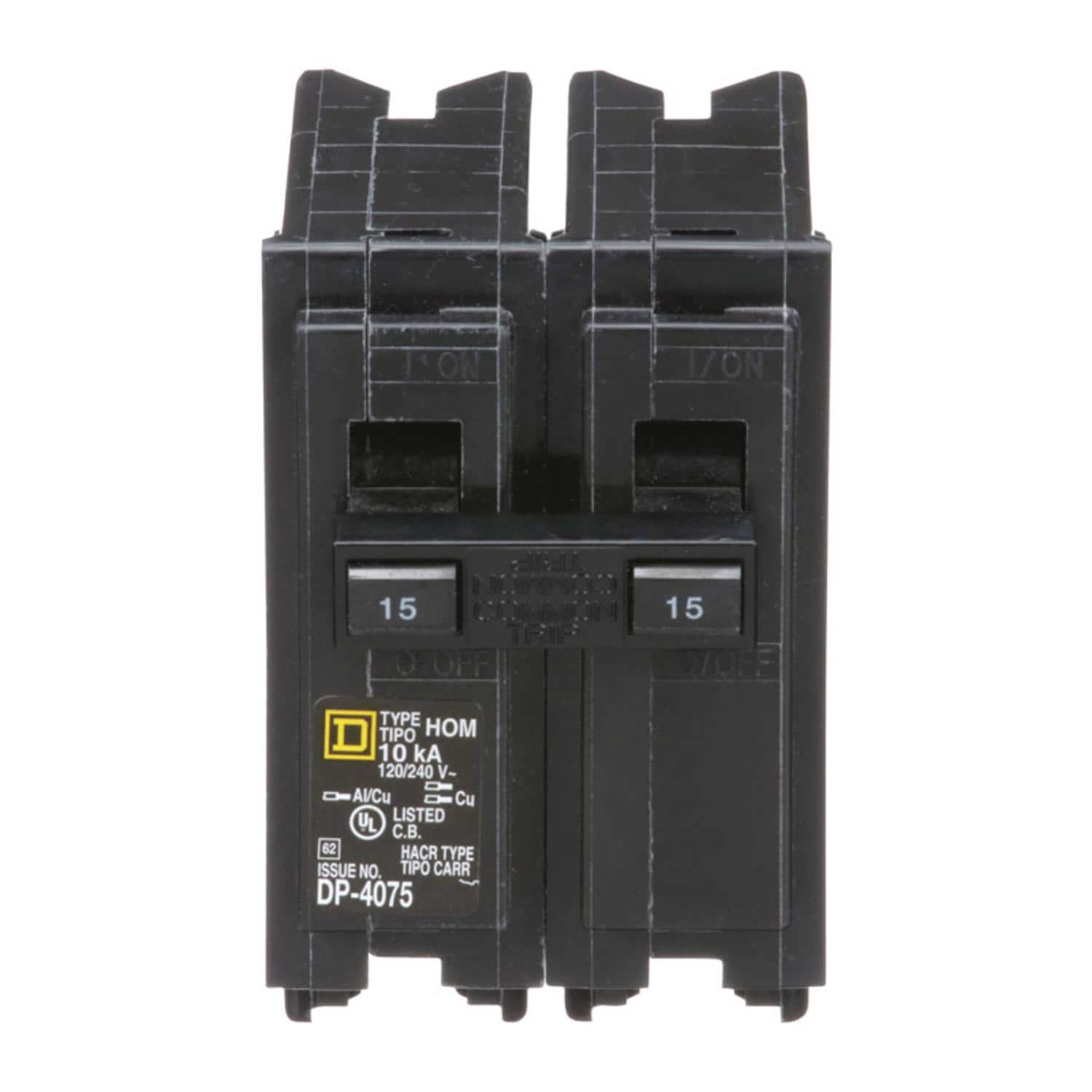
Square D - HomeLine 15 amps Surge 2-Pole Circuit Breaker
SKU: J7GK4JZ7PYSee all Amp Accessories & Installation PartsProduct Description
A 15-amp two-pole thermal-magnetic breaker offering overload and short-circuit protection, 120/240VAC rating, and 10,000-AIR interrupt capacity.Your price for this item is $36.16 -
Schneider Electric - Square D HomeLine 30 amps Surge Single Pole Circuit Breaker
SKU: J7GK4JZ7Q4See all Amp Accessories & Installation PartsProduct Description
A single pole, 30-amp circuit breaker designed for reliable surge protection in electrical installations.Your price for this item is $25.44Save $0The previous price was $25.54 -
Schneider Electric - Square D HomeLine 20 amps Plug In Single Pole Circuit Breaker
SKU: J7GK4JZ7QRSee all Amp Accessories & Installation PartsProduct Description
A single-pole, 20-amp circuit breaker providing overload and short-circuit protection for residential electrical systems.Your price for this item is $25.44Save $0The previous price was $25.54 -
Schneider Electric - Square D 20/20 amps Tandem Single Pole Circuit Breaker
SKU: J7GK4JHRYSSee all Amp Accessories & Installation PartsProduct Description
A tandem single-pole circuit breaker providing overload and short-circuit protection with a visible trip indicator.Your price for this item is $107.60Save $0The previous price was $108.46 -
Schneider Electric - Square D QO 30 amps Plug In 2-Pole Circuit Breaker
SKU: J7GK42KQ4LSee all Amp Accessories & Installation PartsProduct Description
A durable 2-pole circuit breaker with thermal magnetic technology and Visi-Trip indicator for reliable protection.Your price for this item is $52.07Save $0The previous price was $52.40 -
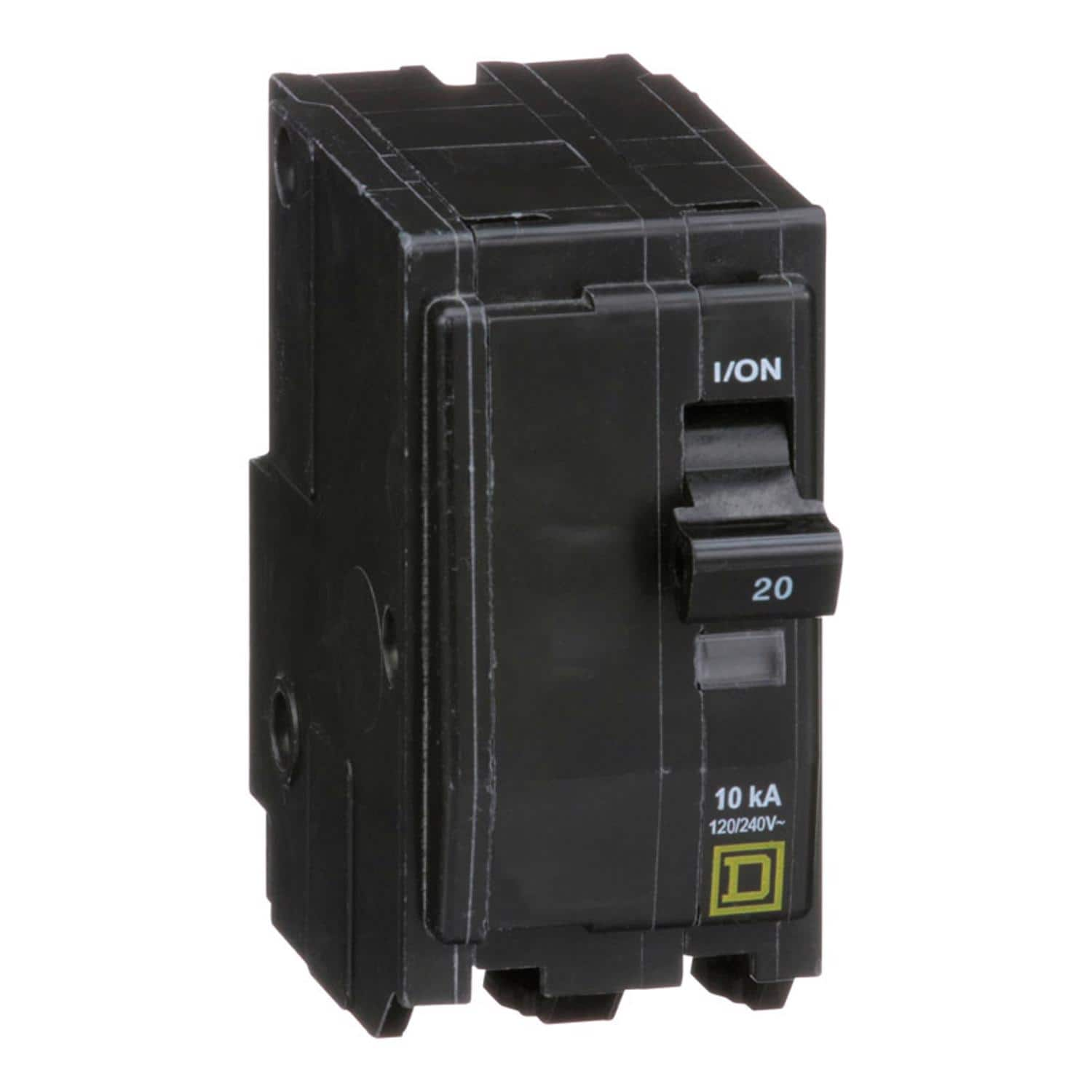
Square D - QO 20 amps Plug In 2-Pole Circuit Breaker
SKU: J7GK42KQ4JSee all Amp Accessories & Installation PartsProduct Description
A 20-amp, 120/240V AC, 2-pole thermal-magnetic circuit breaker with 10kA capacity and Visi-Trip indicator.Your price for this item is $52.07 -
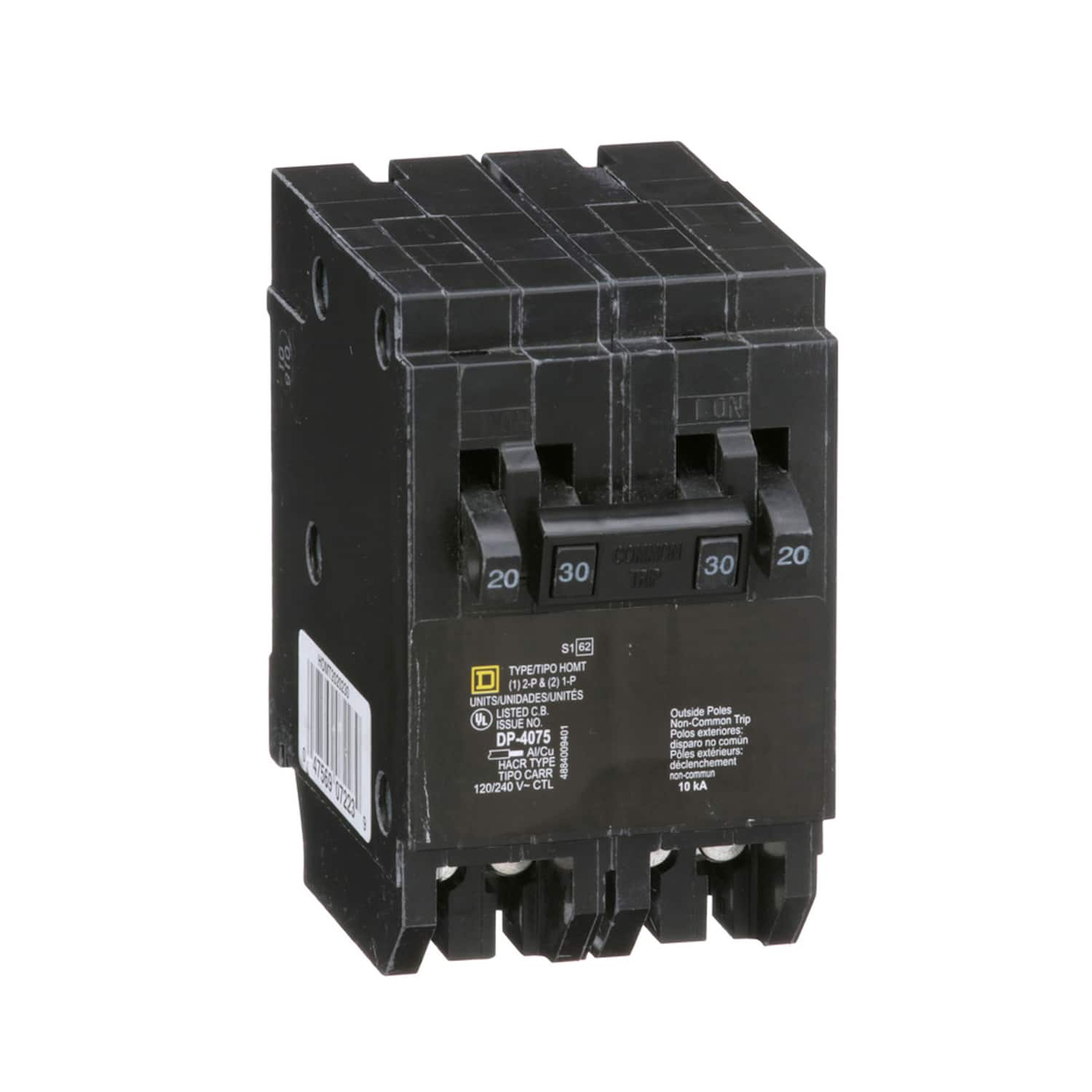
Square D - HomeLine 30 amps Tandem 2-Pole Circuit Breaker
SKU: J7GK4JZQRRSee all Amp Accessories & Installation PartsProduct Description
A 30-amp tandem two-pole circuit breaker engineered for fast installation, reliable performance, and superior circuit protection.Your price for this item is $58.75





Best Sellers



Related Pages







FAQ
20 amp circuit breakers commonly serve kitchen countertop receptacle circuits, laundry receptacle circuits, bathroom receptacle circuits, and some dedicated appliance circuits. The circuit assignment depends on the home's electrical design and applicable code requirements.
In typical U.S. residential electrical systems, single-pole breakers serve 120-volt circuits, while double-pole breakers commonly serve 240-volt or 120/240-volt circuits. A double-pole breaker connects to both hot legs of the electrical supply and disconnects them together.
Plug-in breakers connect to a panel's bus bars using clips, while bolt-on breakers use bolted connections. These terms describe the electrical connection method, and the panel's specifications determine which type it accepts.
Circuit directory labels identify the rooms, outlets, lighting, or appliances associated with each breaker. Labels such as 'kitchen receptacles' or 'laundry' describe the circuit's assigned use rather than a feature of the breaker itself.
Both interrupt a circuit under specified overcurrent conditions, but they use different mechanisms. A circuit breaker uses a switching mechanism that can be reset after the underlying issue is resolved. A fuse contains an element that melts when it operates, so the fuse must be replaced rather than reset.