Thanksgiving 24-Hour Flash SaleOne day. Online only. Ends today.Shop now

Main Content
Skip to contentGo to Product Search

Thanksgiving 24-Hour Flash SaleOne day. Online only. Ends today.Shop now

Main Content

Top Rated Ceramic Cookware

Find the best ceramic cookware for your kitchen by comparing size, stovetop compatibility, and care requirements. Browse the selection and check each product’s construction details, dimensions, and what’s included to choose cookware that fits your cooking routine and storage space.

What to look for in ceramic cookware

The best ceramic cookware for your kitchen should suit your cooktop, cooking habits and cleanup preferences.

1. Cooktop Compatibility

Check that the cookware is compatible with your gas, electric or induction cooktop. Induction cooking requires a compatible magnetic base, so confirm the manufacturer’s specifications before buying.

2. Sizes and Pieces

Choose pot and pan sizes based on your usual recipes and household size. Compare the usable pieces in a cookware set, keeping in mind that lids and accessories may count toward the total piece count.

3. Heat Limits and Handling

If you move dishes from the stovetop to the oven, check the oven-safe temperature limits for the cookware, handles and lids. Consider weight, handle design and how easily you can lift each piece when full.

4. Cleaning and Care

Review the manufacturer’s guidance on dishwasher use, utensils and cleaning methods, since ceramic cookware care requirements vary. Check whether the recommended maintenance and storage practices fit your daily routine.

  1. 1

    About this product

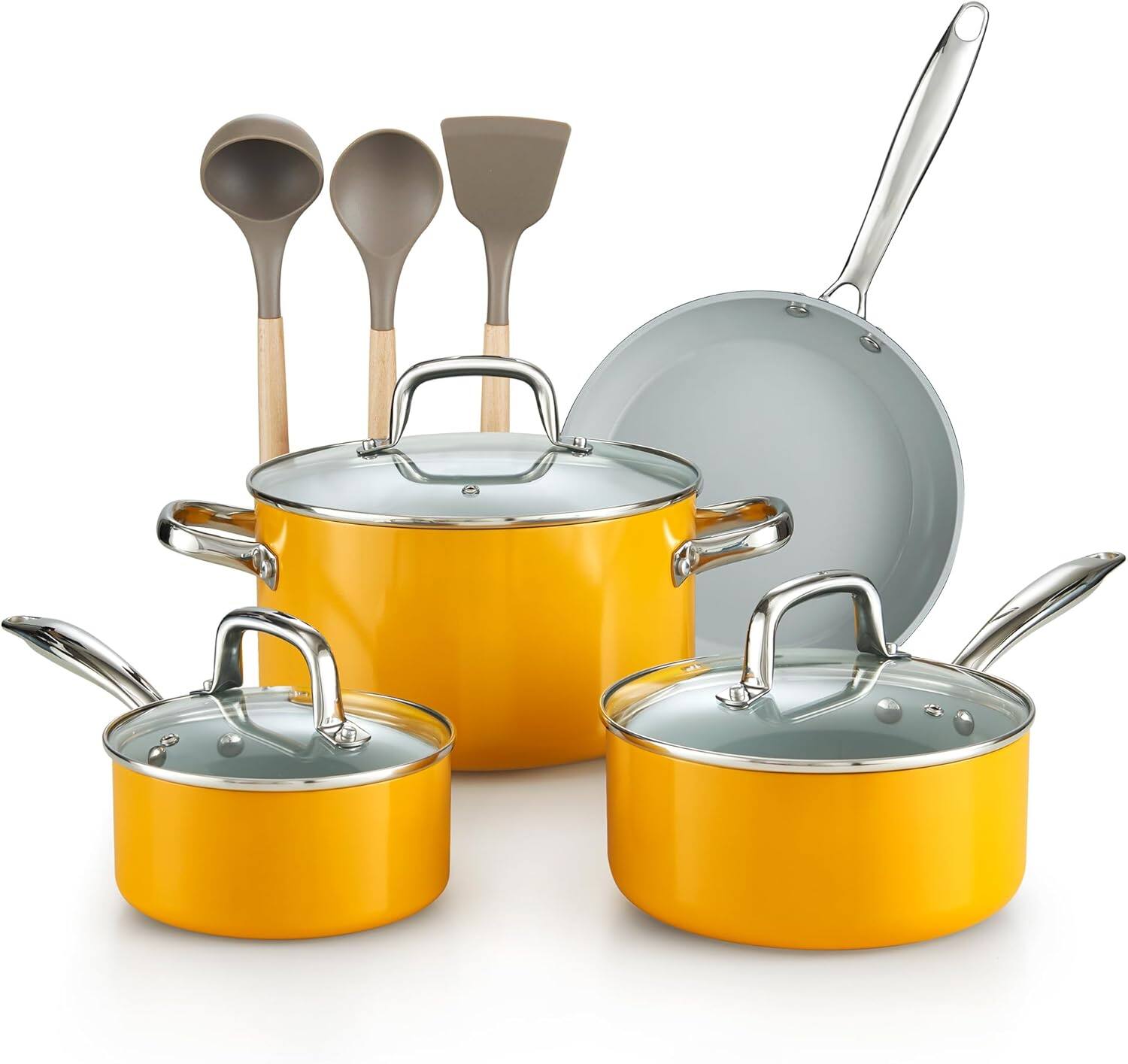
    A yellow 10-piece aluminum cookware set with non-toxic ceramic nonstick coating, induction and oven safe.

    A yellow 10-piece aluminum cookware set with non-toxic ceramic nonstick coating, induction and oven safe.

    (0)
    $149.99 Your price for this item is $149.99
  2. 2

    About this product

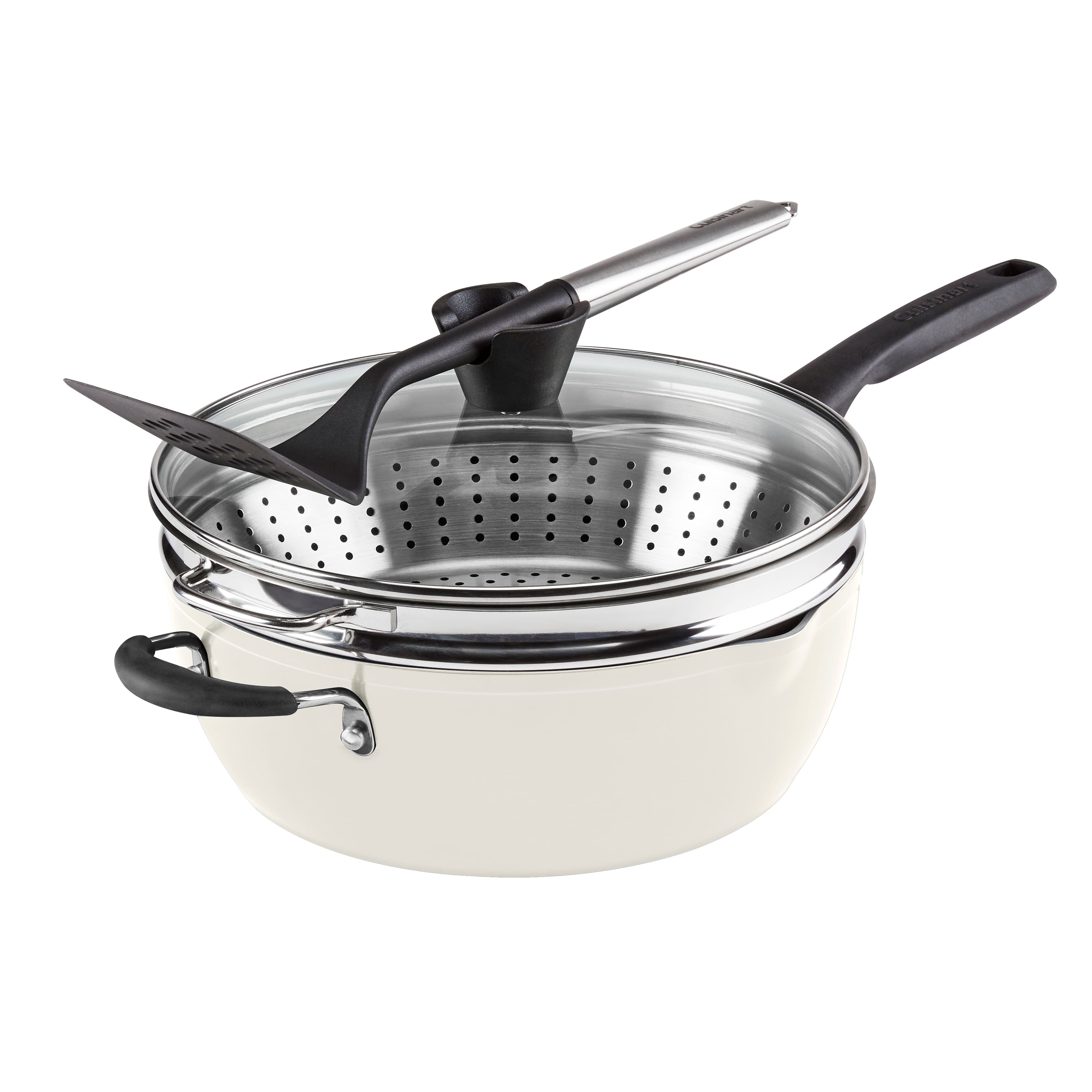
    A versatile crème de la crème ceramic nonstick 4-piece set designed for 14 different cooking tasks.

    A versatile crème de la crème ceramic nonstick 4-piece set designed for 14 different cooking tasks.

    (18)
    $89.95 Your price for this item is $89.95
  3. 3

    About this product

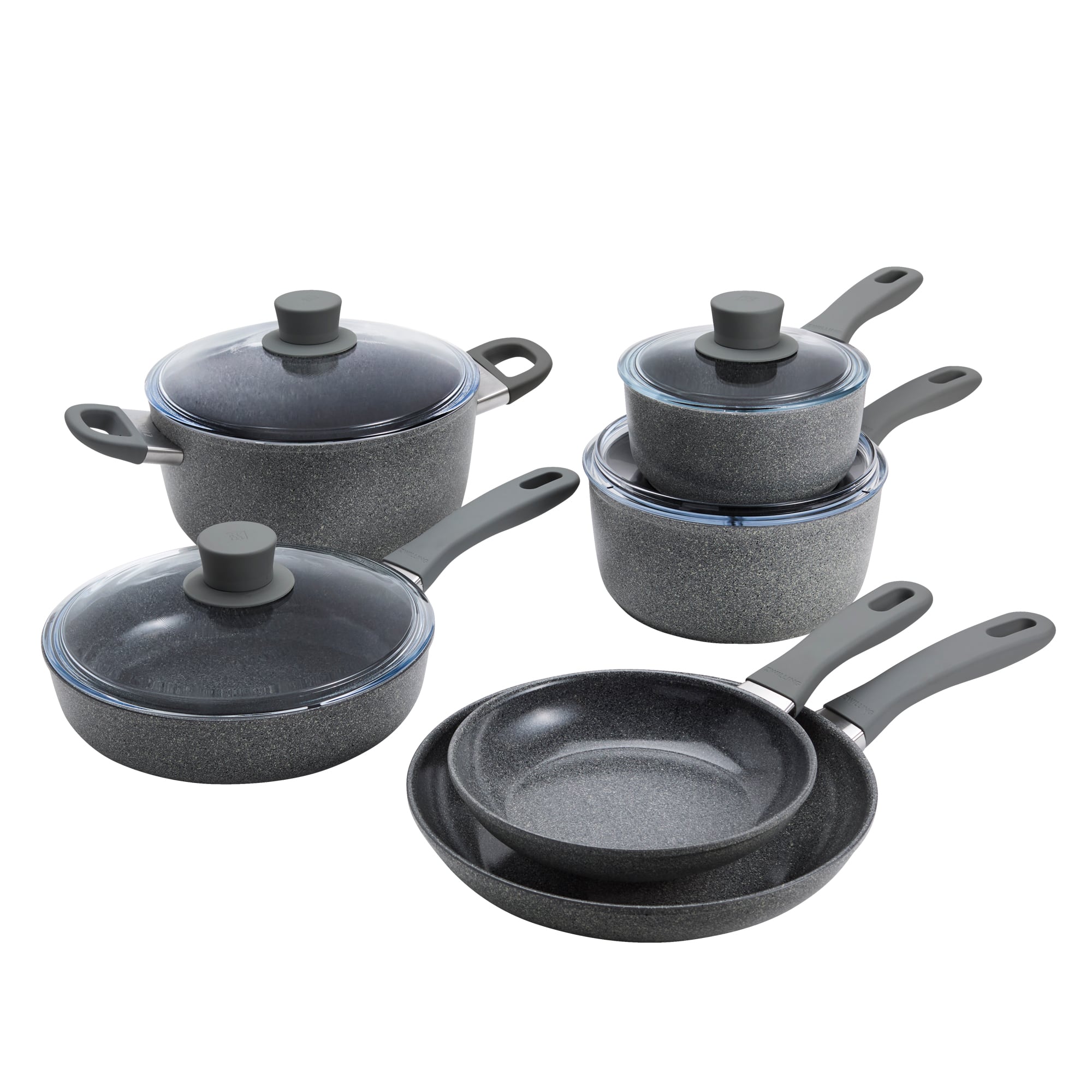
    A gray aluminum cookware set featuring a ceramic nonstick coating, soft-grip handles, and oven-safe design.

    A gray aluminum cookware set featuring a ceramic nonstick coating, soft-grip handles, and oven-safe design.

    (0)
    $399.99 Your price for this item is $399.99
  4. 4

    About this product

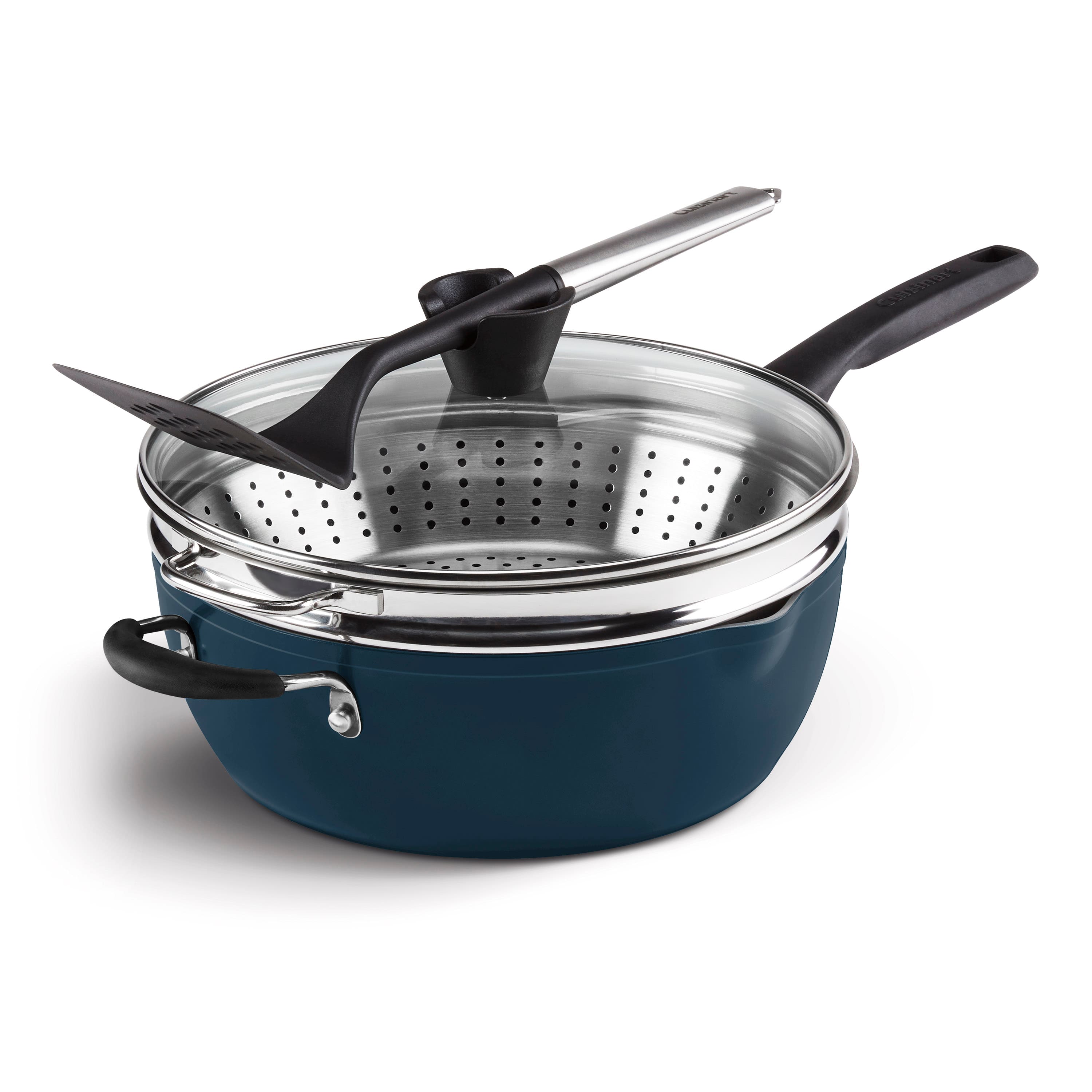
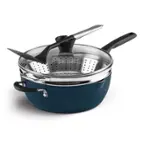
    A versatile blue ceramic nonstick pan set that handles 14 cooking tasks and is dishwasher safe.

    A versatile blue ceramic nonstick pan set that handles 14 cooking tasks and is dishwasher safe.

    (18)
    $89.95 Your price for this item is $89.95
  5. 5

    About this product

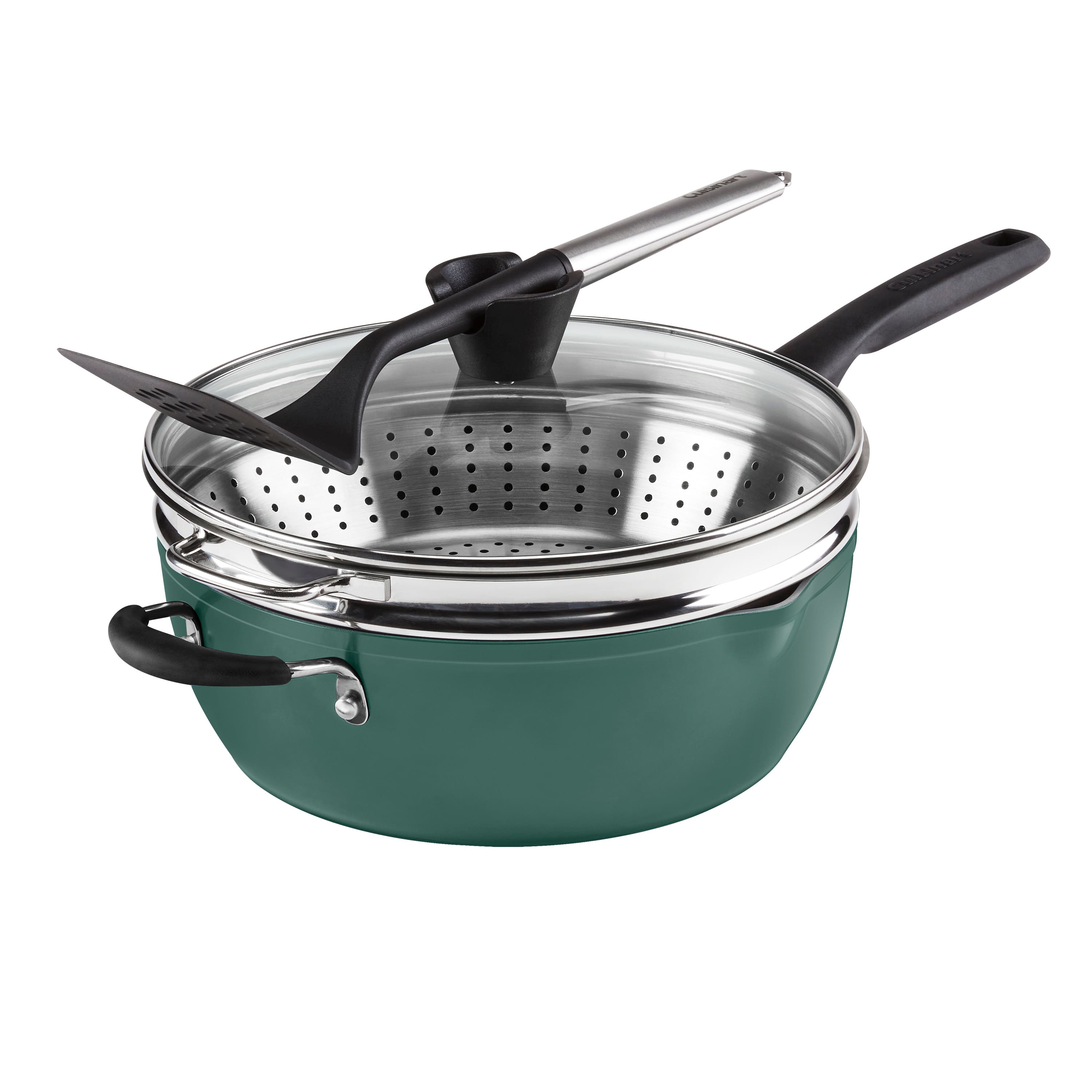
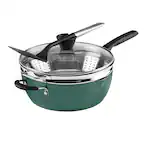
    A versatile sage green ceramic nonstick pan set that handles 14 cooking tasks and is dishwasher safe.

    A versatile sage green ceramic nonstick pan set that handles 14 cooking tasks and is dishwasher safe.

    (18)
    $89.95 Your price for this item is $89.95
  6. 6

    About this product

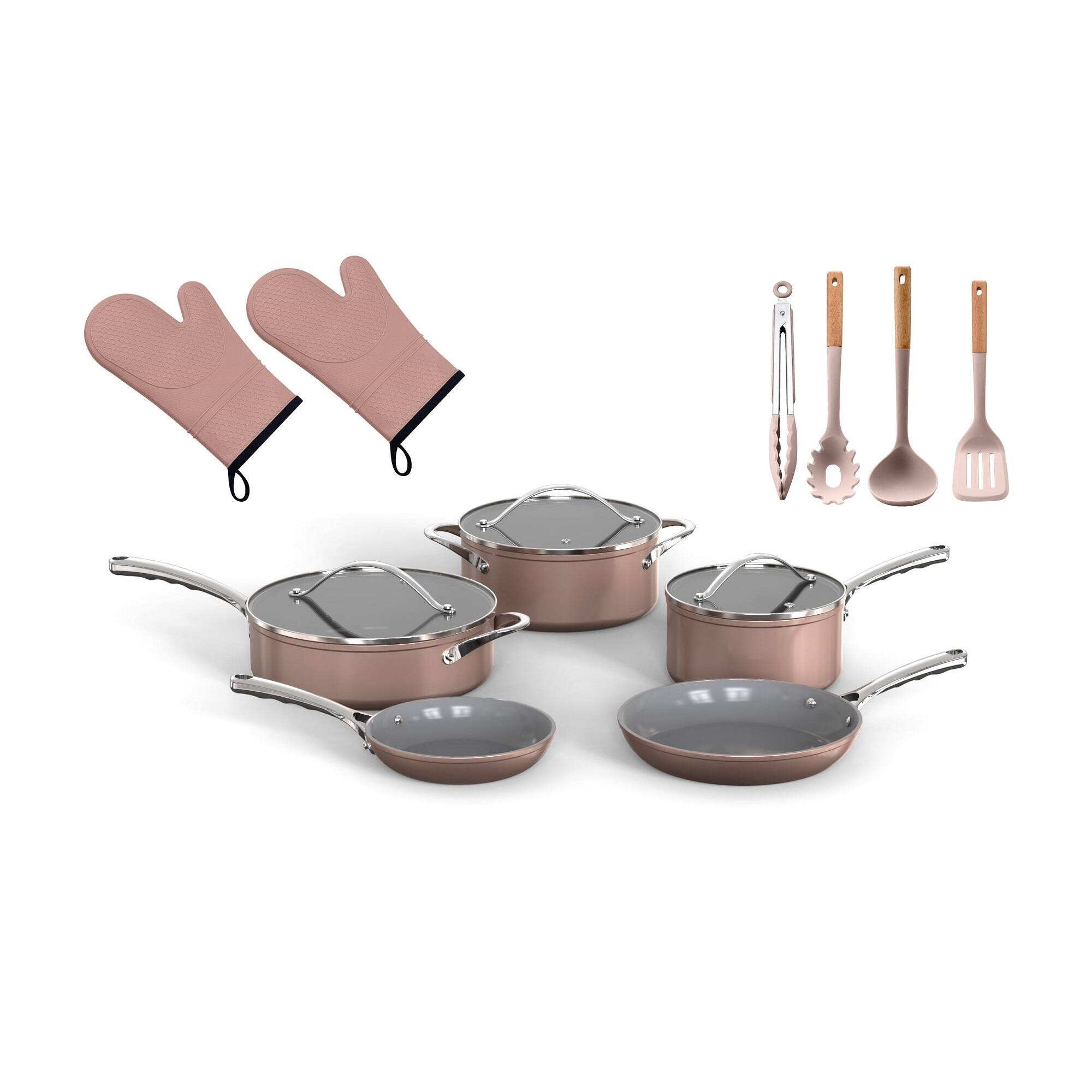
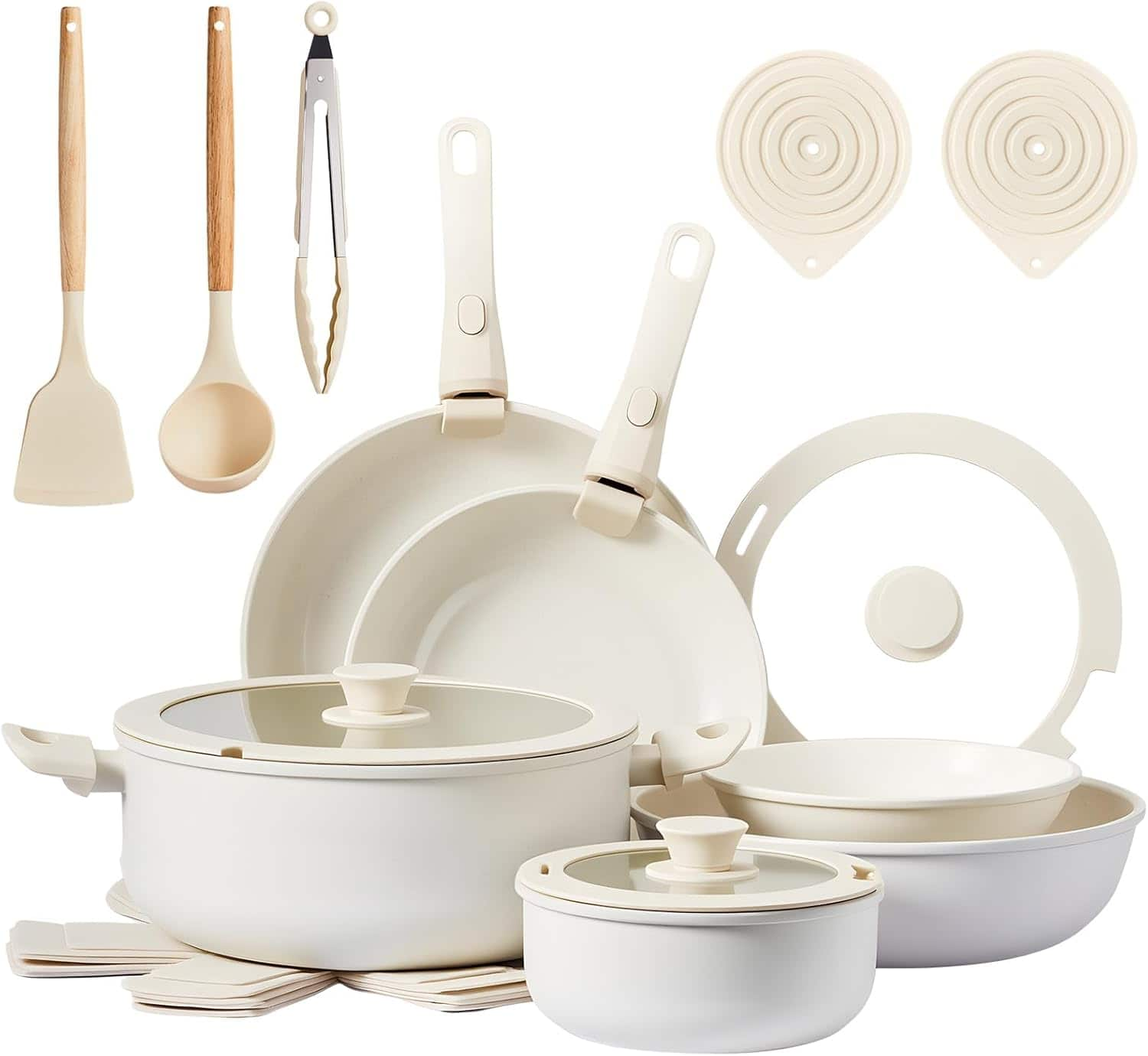
    A 14-piece cream ceramic cookware set with nonstick, toxin-free coating, silicone utensils, and oven mitts.

    A 14-piece cream ceramic cookware set with nonstick, toxin-free coating, silicone utensils, and oven mitts.

    (0)
    $285.99 Your price for this item is $285.99
  7. 7

    About this product

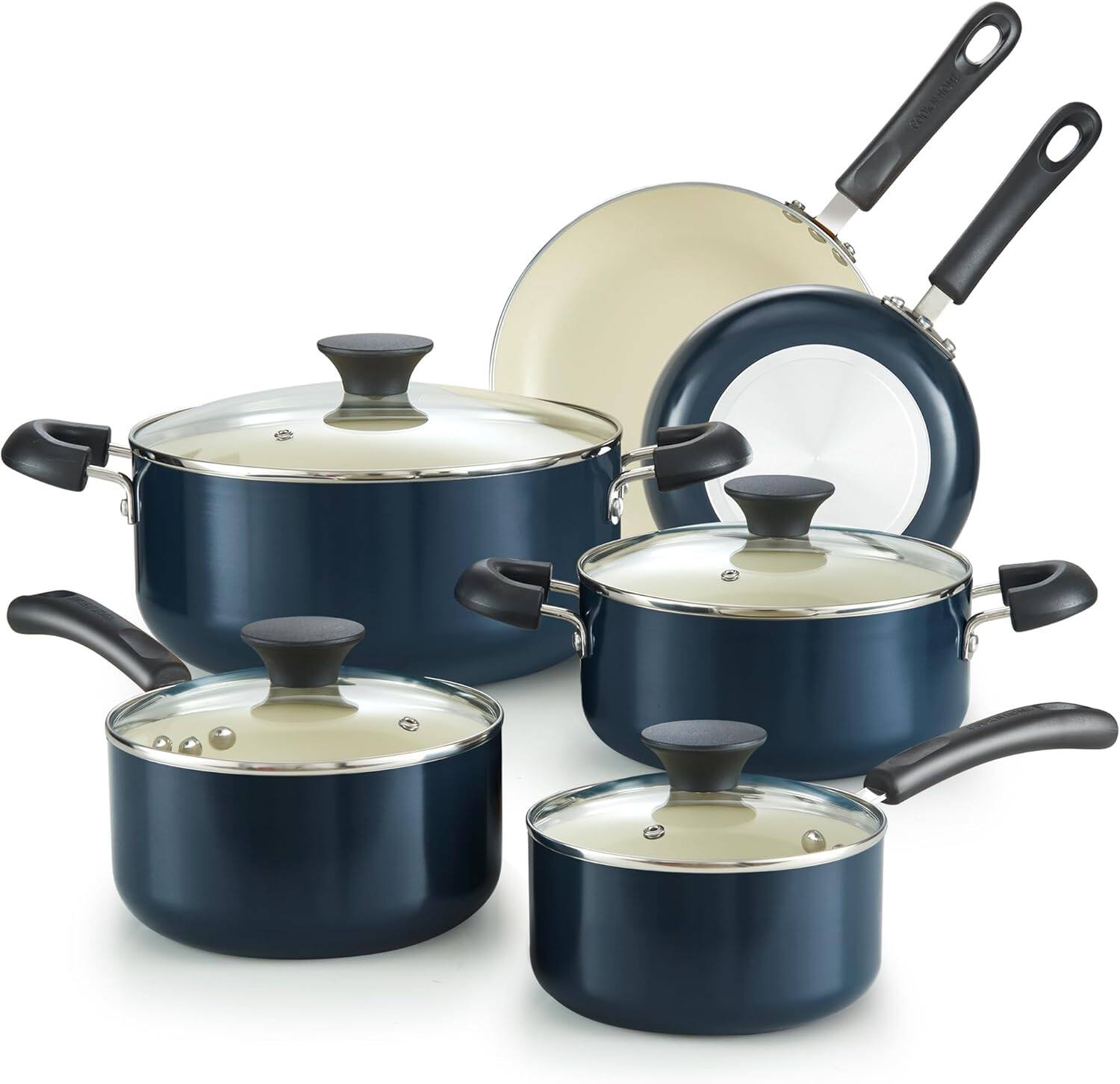
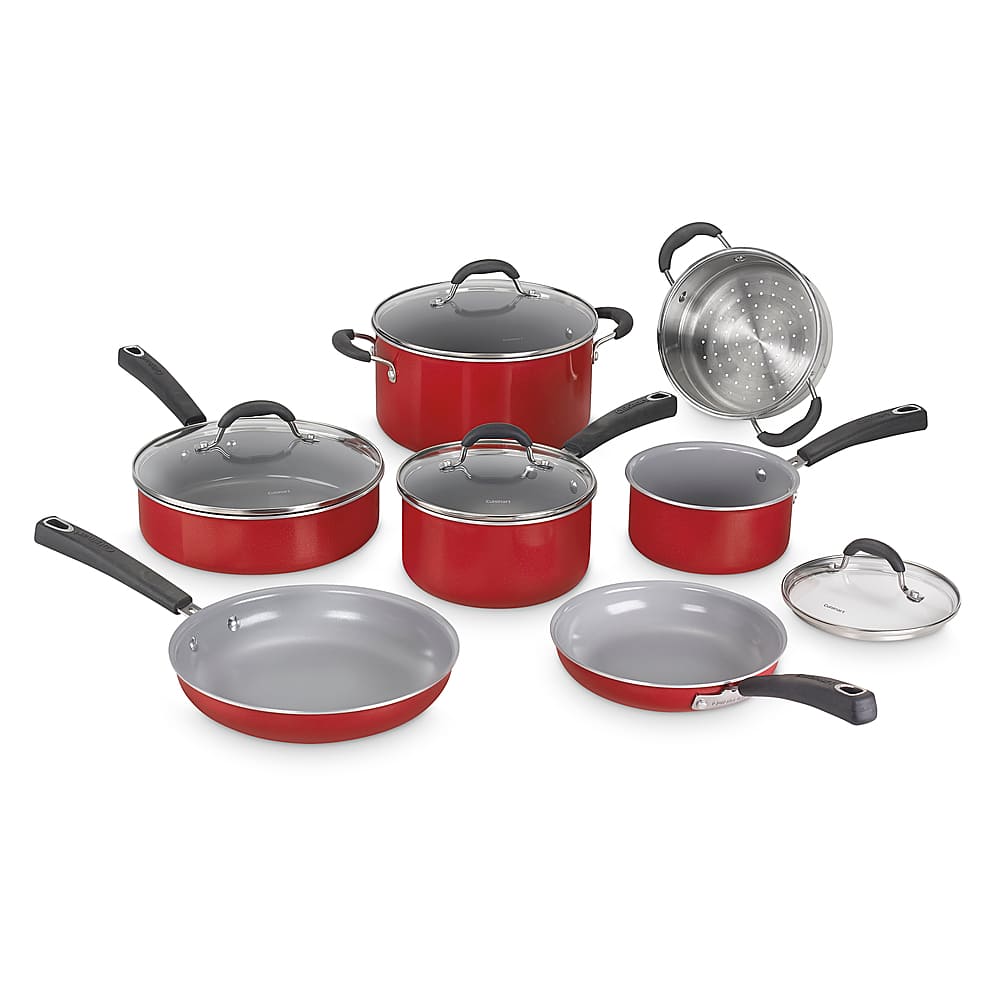
    A blue aluminum cookware set with ceramic nonstick coating, tempered glass lids, cool-touch handles, and oven-safe functionality.

    A blue aluminum cookware set with ceramic nonstick coating, tempered glass lids, cool-touch handles, and oven-safe functionality.

    (0)
    $129.99 Your price for this item is $129.99
  8. 8

    About this product

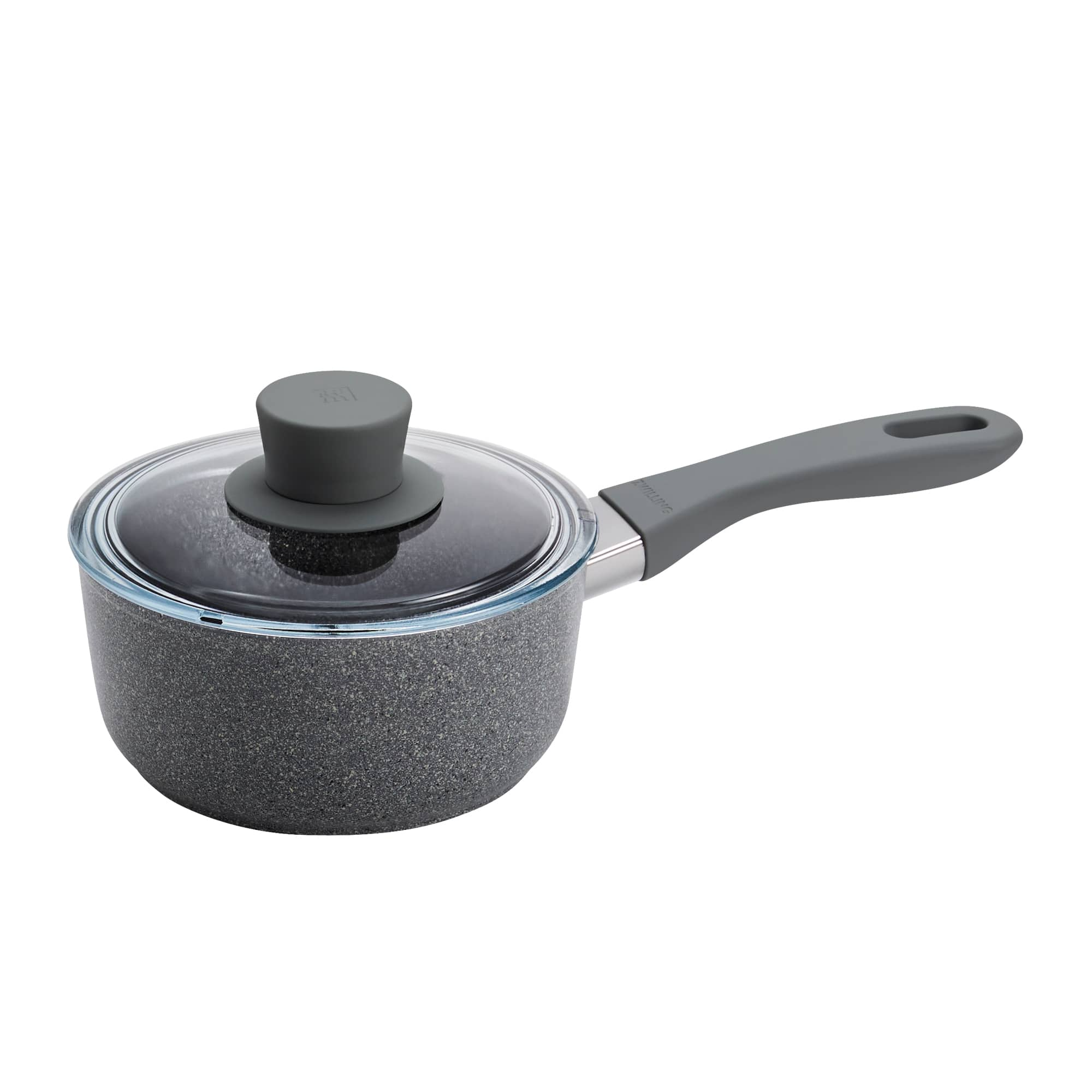
    A gray aluminum saucepan with a ceramic nonstick coating for healthier cooking and easy cleanup.

    A gray aluminum saucepan with a ceramic nonstick coating for healthier cooking and easy cleanup.

    (0)
    $69.99 Your price for this item is $69.99
  9. 9

    About this product

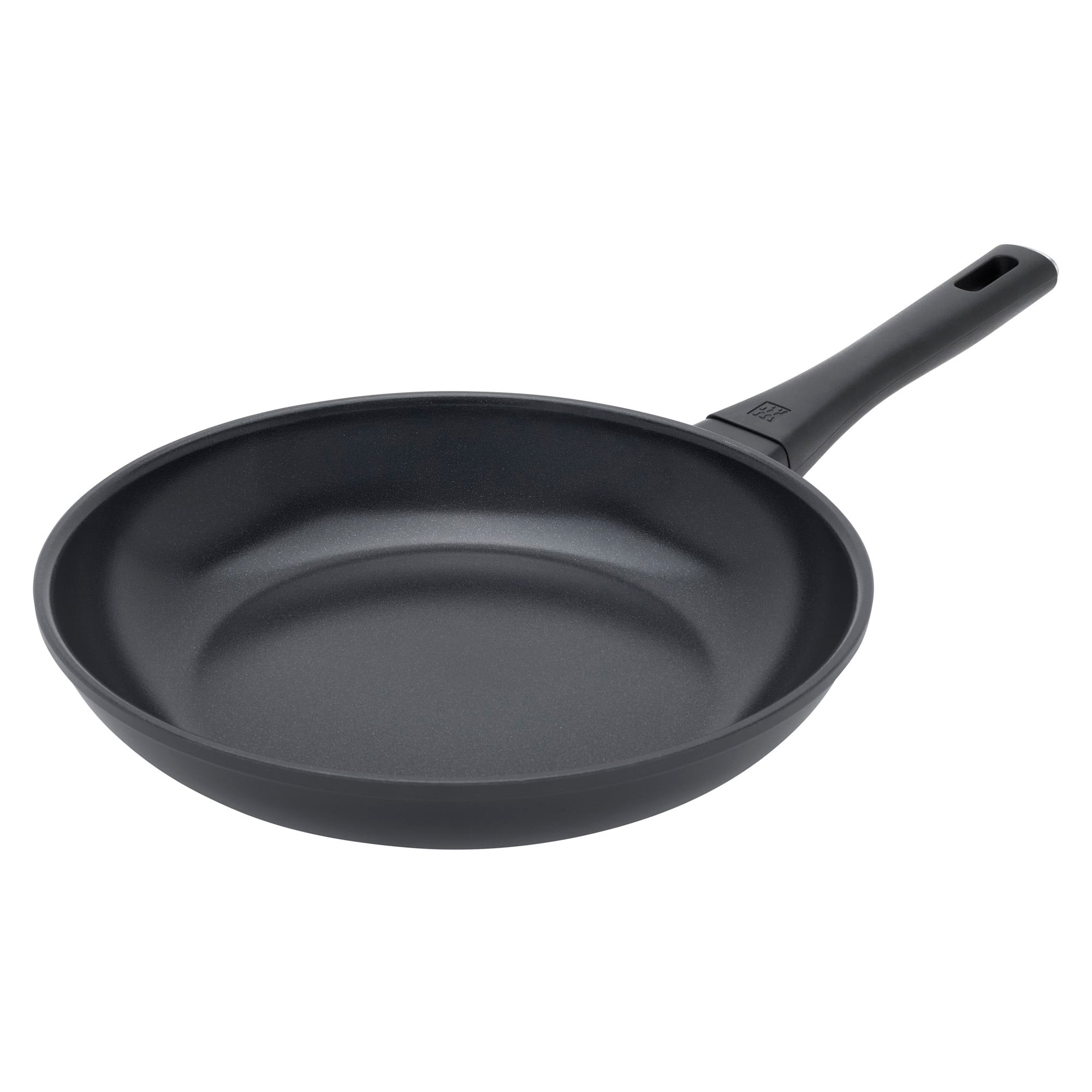
    A black aluminum fry pan with advanced ceramic nonstick coating for effortless cooking and easy cleaning.

    A black aluminum fry pan with advanced ceramic nonstick coating for effortless cooking and easy cleaning.

    (0)
    $79.99 Your price for this item is $79.99
  10. 10

    About this product

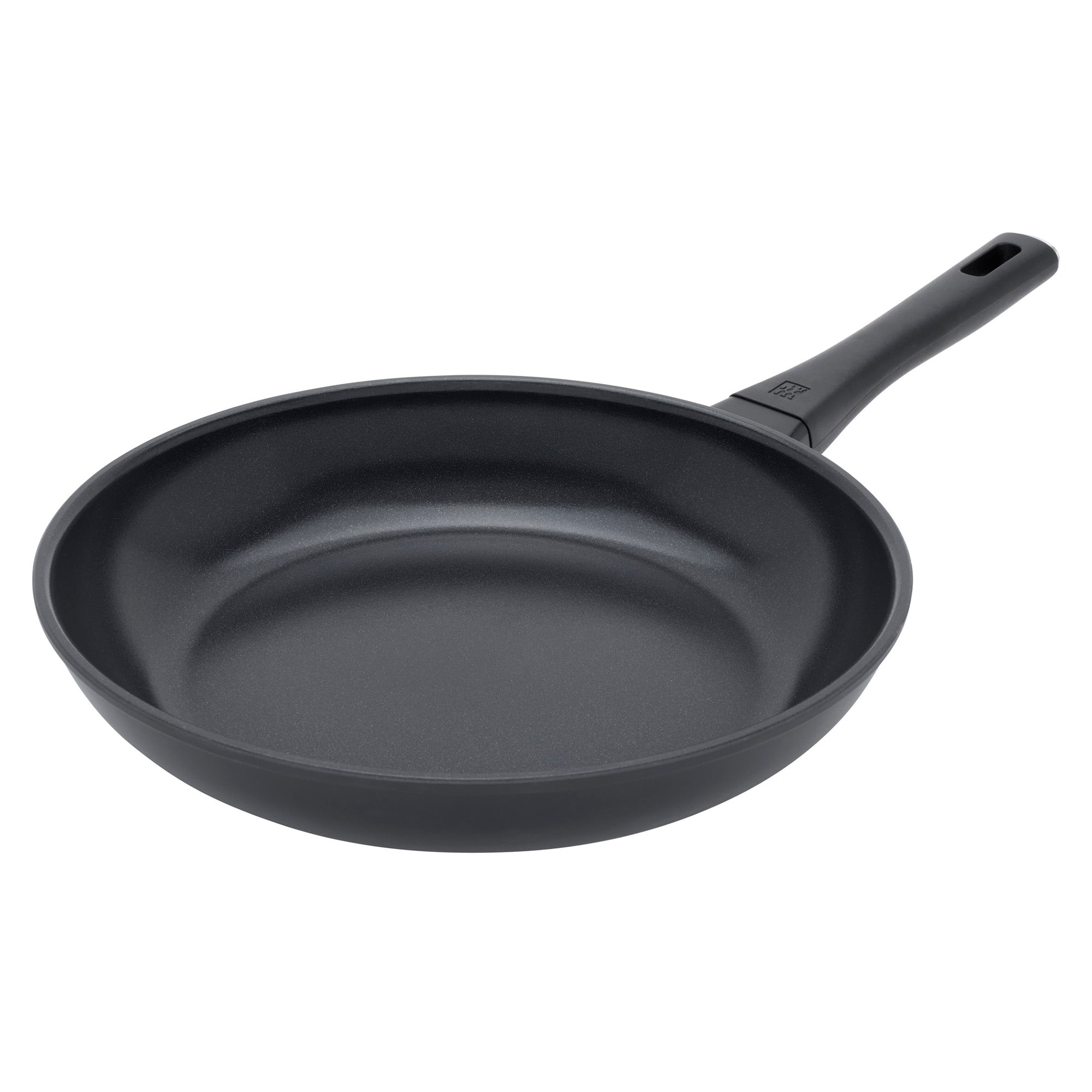
    A durable black aluminum fry pan with advanced ceramic nonstick coating, free from PFAS, PFOA, and heavy metals.

    A durable black aluminum fry pan with advanced ceramic nonstick coating, free from PFAS, PFOA, and heavy metals.

    (0)
    $89.99 Your price for this item is $89.99

Top Rated Ceramic Cookware

Ceramic cookware typically refers to metal pots and pans finished with a ceramic-based nonstick coating, rather than cookware made entirely from ceramic. The best ceramic cookware for a particular kitchen balances easy food release, even heating, comfortable handling, and compatibility with the appliances used every day. That balance depends as much on the body of the pan as on its cooking surface. Aluminum bodies respond quickly to changes in heat and are generally lighter to lift, while thicker bases can help distribute heat more evenly across the cooking surface. Hard-anodized aluminum provides a durable underlying structure, though the ceramic coating still needs gentle treatment. Some cookware combines stainless steel with an aluminum core to bring together a sturdy exterior and responsive heating. Construction matters when scrambling eggs, simmering a delicate sauce, or cooking pancakes that should brown evenly from edge to center. Ceramic-based coatings are often marketed as PFAS-free, but that claim should be confirmed in the manufacturer’s specifications rather than inferred from the word ceramic. A PFOA-free claim alone does not establish that a coating is free of all PFAS. Likewise, ceramic-coated metal cookware and solid ceramic cookware can have different handling requirements, so the material description deserves attention. Cooktop compatibility is another important distinction. Induction cooking requires a compatible magnetic base; an aluminum pan does not work on induction simply because it has a ceramic cooking surface. Flat, smooth bases are useful on glass cooktops, where cookware should sit securely without rocking. For recipes that move from a burner to the oven, the temperature ratings of the pan, handle, and lid all matter, and the lowest applicable limit governs the assembled cookware. Broiler compatibility is a separate specification, not something to assume from an oven-safe label. These details help distinguish cookware suited to quick stovetop meals from pieces designed for a wider range of cooking techniques. Weight and balance also become noticeable when a pan holds food, especially when lifting it from a back burner or pouring into a serving dish.

A useful ceramic cookware collection reflects the meals prepared most often, not simply the number of pieces in a set. A shallow frying pan gives eggs, quesadillas, and tender fish fillets room to cook and makes it easier to slide a spatula underneath them. A deeper sauté pan contains splashes from a bubbling tomato sauce and provides space for vegetables to be folded into cooked grains. Saucepans suit oatmeal, rice, and smaller portions of soup, while a larger pot accommodates pasta or meals prepared for several people. Cooking-surface dimensions deserve more attention than the rim measurement alone: sloped sides can leave less flat space than expected, and crowding ingredients encourages steaming instead of browning. A pan that fits the burner also makes heat easier to control, particularly when preparing a small portion on a large cooktop. For compact kitchens, nesting shapes and thoughtfully designed storage can reduce clutter, provided the coated surfaces remain protected from direct contact. For larger households, complementary sizes can keep breakfast moving while another burner handles a separate dish. Handles should offer a secure grip and enough clearance for comfortable lifting; helper handles can make a substantial, filled pan easier to manage with both hands. Well-fitting lids help contain splatters and retain moisture, while transparent lids make it possible to monitor a simmer without repeatedly releasing steam. Handle comfort, lid weight, and pouring control can be especially important for anyone who prefers lighter cookware or has limited grip strength. Coordinated finishes can look attractive on open shelving, but practical fit should lead the decision. Ceramic cookware can also make a thoughtful wedding or housewarming gift when the recipient’s cooktop, storage space, and cooking habits are known. Shoppers comparing ceramic surfaces with other cookware materials can explore Top Rated Cookware for a broader perspective on everyday kitchen needs. The most useful assortment is one in which each shape has a clear purpose, whether that means cooking breakfast for one or preparing several dishes for a shared dinner.

Ceramic nonstick performance depends on both everyday technique and ongoing care. Low to medium heat is generally appropriate for many ceramic-coated pans, with the manufacturer’s directions taking precedence for a particular construction. High heat is not a shortcut to better results: it can overheat the coating, scorch cooking fats, and make delicate foods harder to manage. A modest amount of a suitable oil or butter can support browning and food release when the cookware instructions recommend it; a nonstick surface does not mean every recipe should be cooked without fat. Extended heating while empty should be avoided, and aerosol cooking sprays may leave stubborn residue or conflict with care instructions. Silicone, wood, or other approved nonmetal utensils help protect the finish, while cutting food inside the pan can damage the cooking surface. After cooking, allowing the cookware to cool before washing reduces the risk of thermal shock and warping. Gentle handwashing with mild dish soap and a soft sponge is often the most protective routine, even when dishwasher cleaning is permitted. Stuck-on food usually calls for patient soaking according to the care directions rather than steel wool, aggressive scraping, or abrasive cleaners. Clean cooking surfaces matter because baked-on oil can interfere with food release and resemble coating wear. Storage deserves similar care: pan protectors or another soft barrier can prevent neighboring cookware from scraping the interior, and lids should not be wedged against coated surfaces. Ceramic coatings can lose some release performance over time, and no nonstick finish should be treated as permanently maintenance-free. Long-term satisfaction comes from matching the cookware to its intended use and keeping expectations realistic. Gentle egg dishes, reheating leftovers, sautéing vegetables, and preparing sauces are different demands from repeated high-temperature searing. A separate piece of cookware designed for intense heat may be a better fit for that technique. For everyday ceramic cookware, consistent heating, manageable weight, sensible shapes, and straightforward care are the qualities that remain useful long after the first meal.

FAQs