Best Filament 3D Printer
-
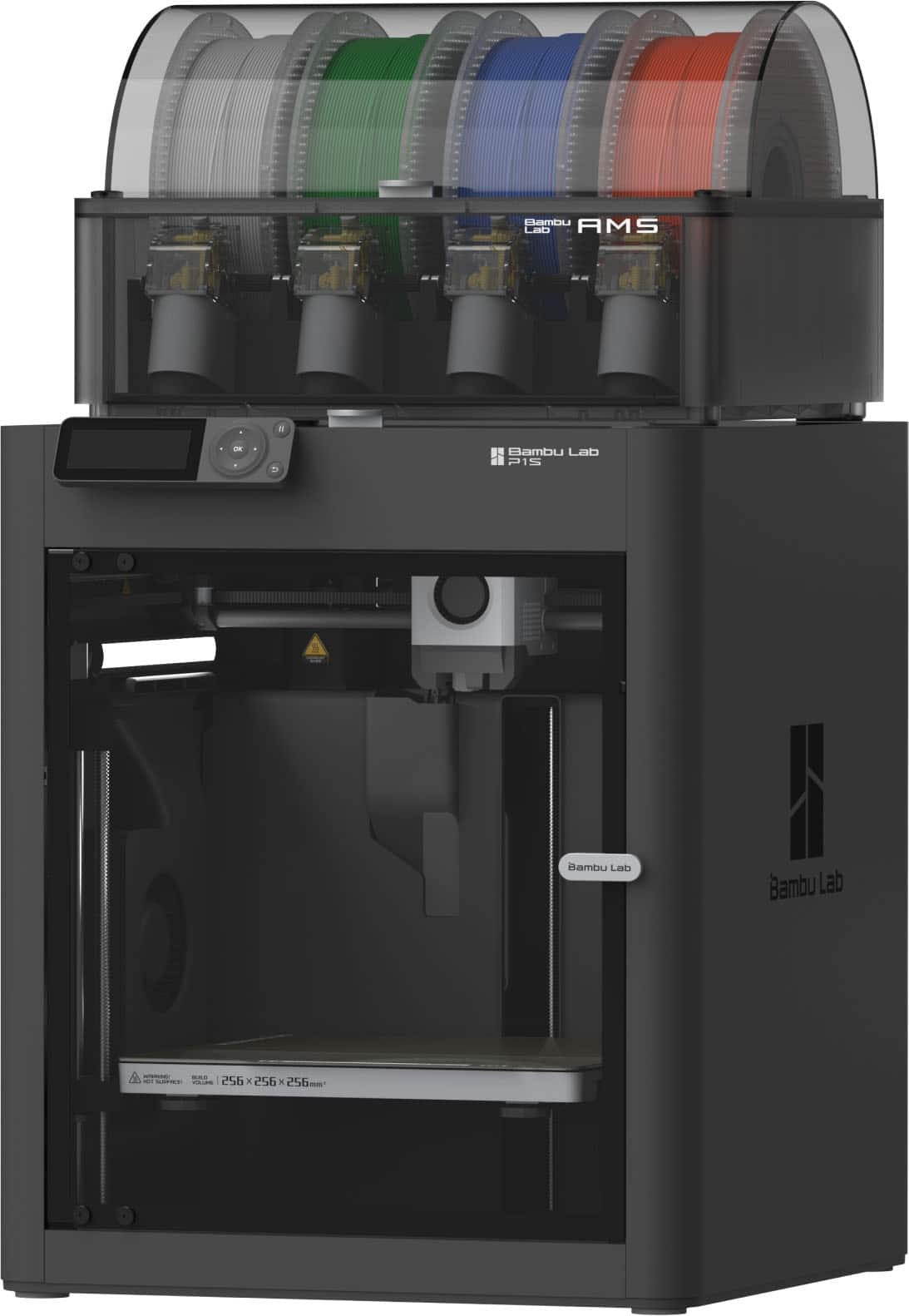
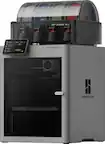
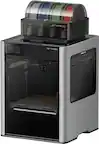
Bambu Lab - P1S Combo 3D Printer - Black
SKU: CZTZV9Z2C4Great product. I love 3d printing with Bambu and fast shipping with Best Buy!!!...Customer service at Best Buy, was great and I received the P1s, quickly....Love, love the ease of use. I loved it so much,...
See all 3D PrintersProduct Description
A black wireless 3D printer with auto-calibration, multi-color capability, Bluetooth, built-in camera, and display screen.Your price for this item is $499.99Save $50The previous price was $549.99 -
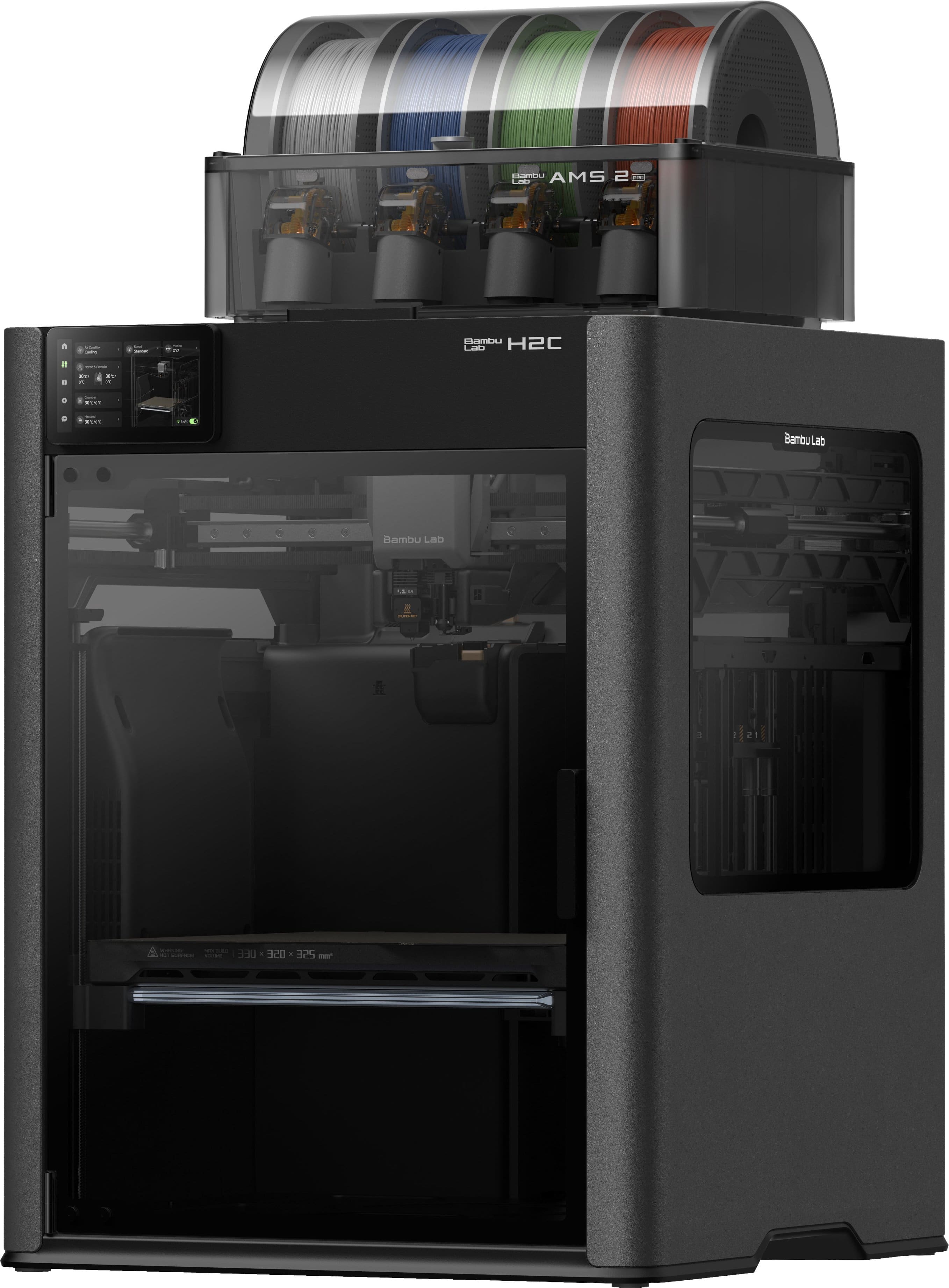
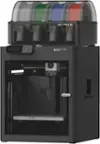
Bambu Lab - H2C AMS Combo 3D Printer - Gray
SKU: CZSQ275H6HLove being able to use support interface material without the waste! Best Buy was great as well....Love this machine. But I do not like the phone customer service at Best Buy at all.
See all 3D PrintersProduct Description
A gray wireless 3D printer featuring a built-in camera, display screen, and no assembly required.Your price for this item is $2,099.99Save $100The previous price was $2,199.99 -
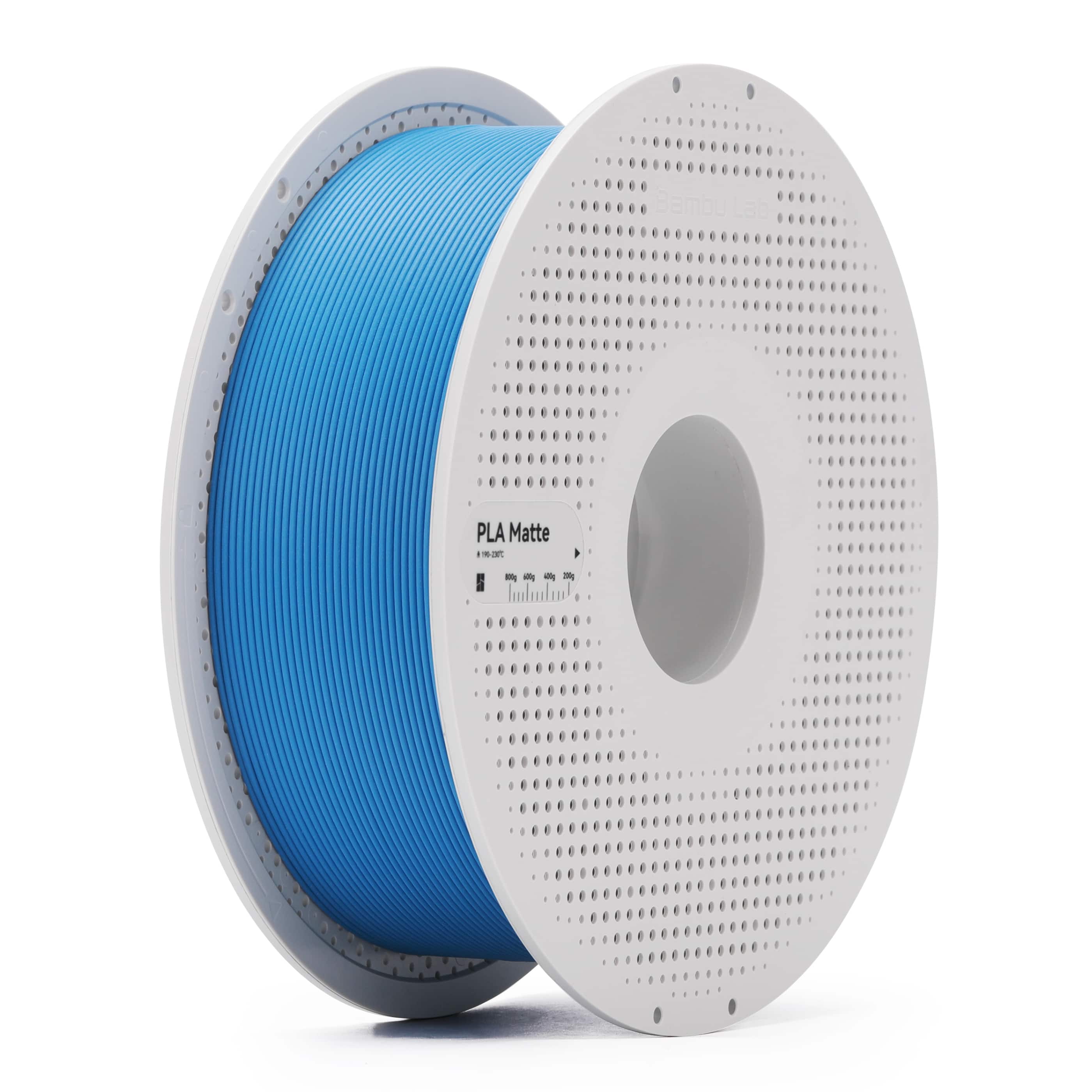
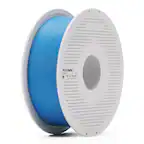
Bambu Lab - 1.75mm PLA Matte Filament - Marine Blue
SKU: CZTZV9Z7XKLove this filament...Prints great looks great easy to use with Bambu printer with RFID chip you know what you have left and...When you are doing 48 hour plus prints you want to get the best results possible...
See all 3D Printer FilamentProduct Description
A marine blue PLA filament with a smooth matte finish, offering elegant, fingerprint-resistant 3D prints.Your price for this item is $18.99 -
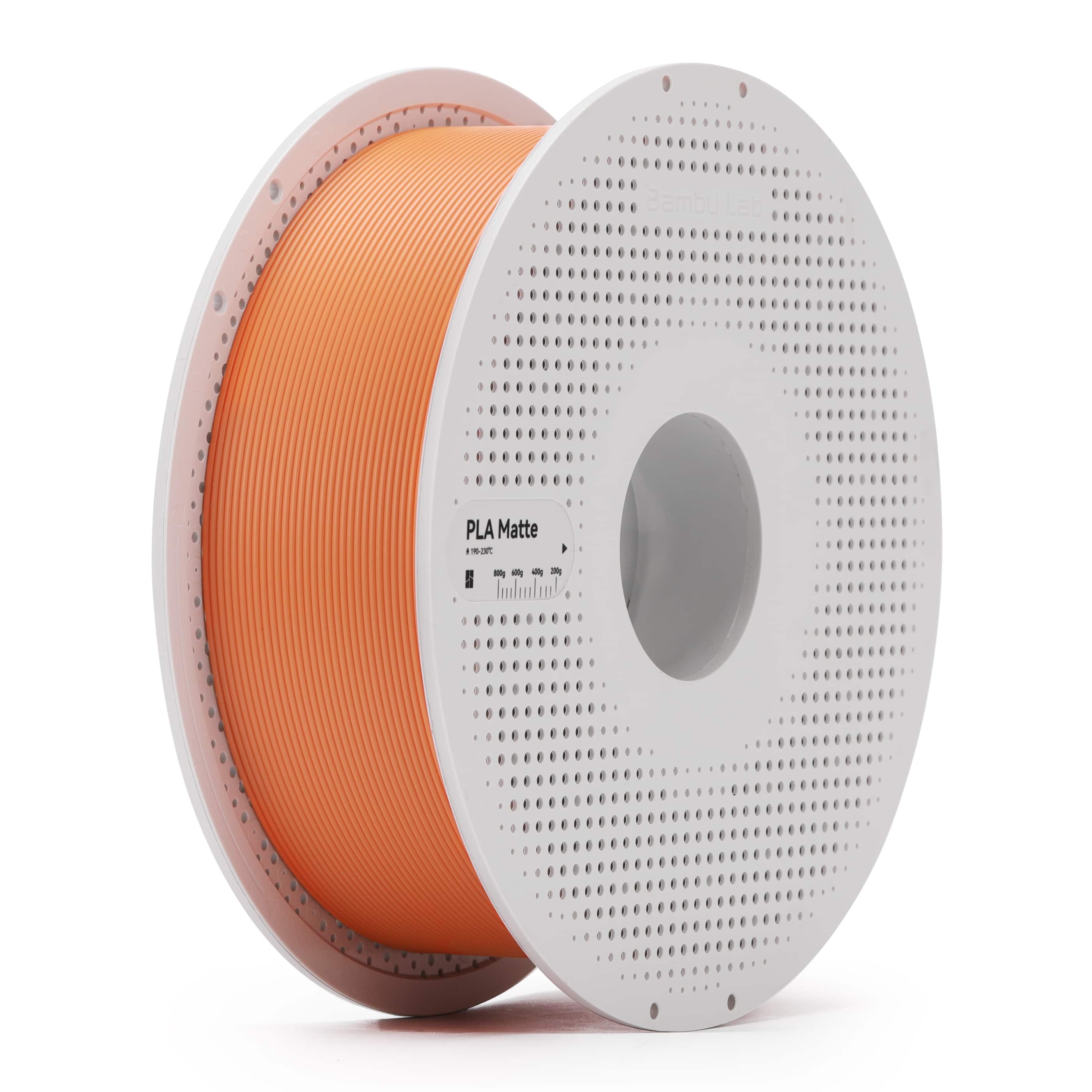
Bambu Lab - 1.75mm PLA Matte Filament - Mandarin Orange
SKU: CZTZV9ZJZ3great product no errors work perfectly. best filament I have....Great filament at a great price...When you need excellent results only use the best, Bambu filament, a step above the rest
See all 3D Printer FilamentProduct Description
A matte-finish orange PLA filament offering smooth, non-reflective prints with embedded RFID for easy setup.Your price for this item is $18.99 -
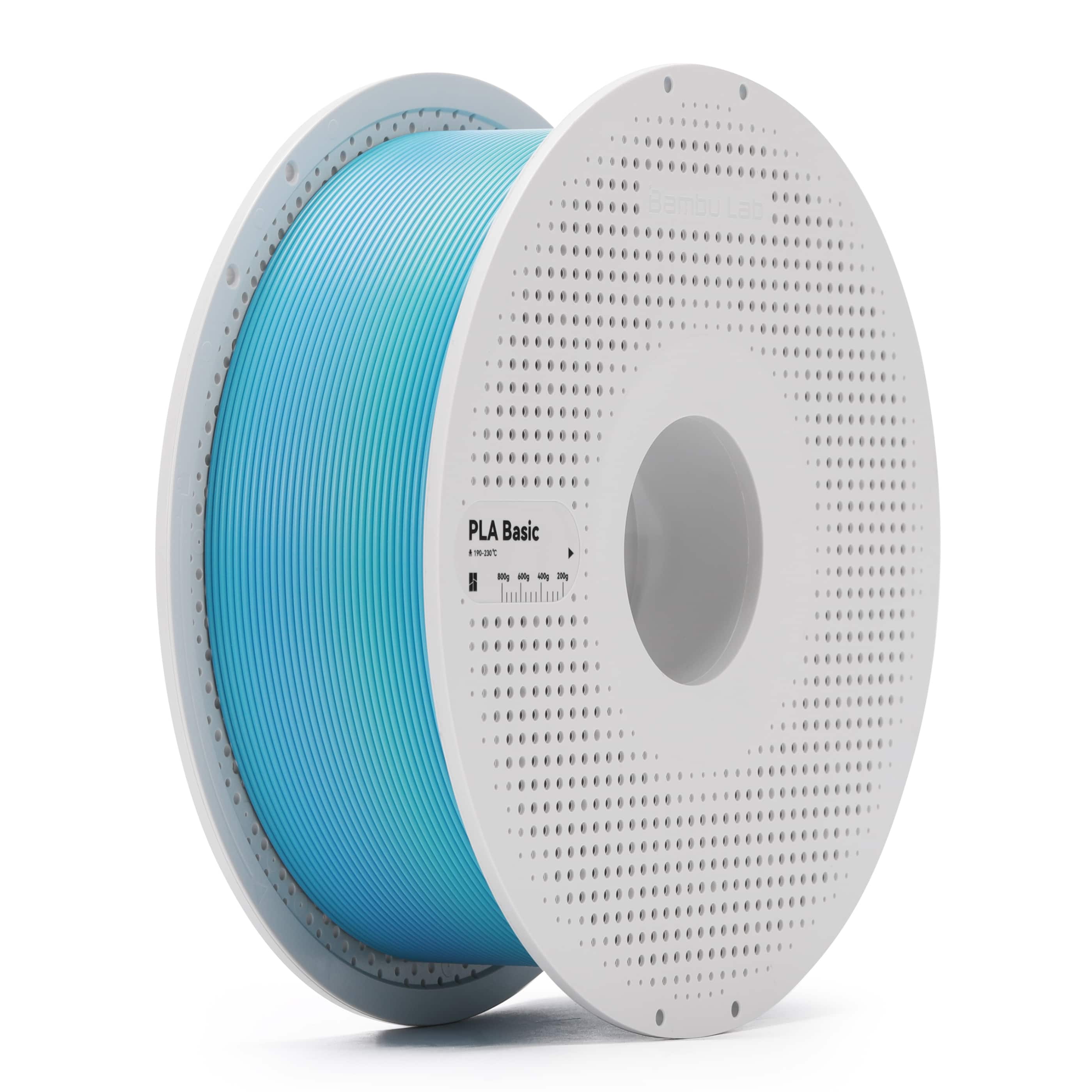
Bambu Lab - 1.75mm PLA Basic Gradient Filament - Ocean to Meadow
SKU: CZTZV9ZJLLI love using Best Buy for purchasing my fillament they have such a wide variety to choose from......Love the Bambu Filament is the best!
See all 3D Printer FilamentProduct Description
A user-friendly PLA filament featuring a smooth ocean-to-meadow color gradient for vibrant 3D prints.Your price for this item is $22.99 -
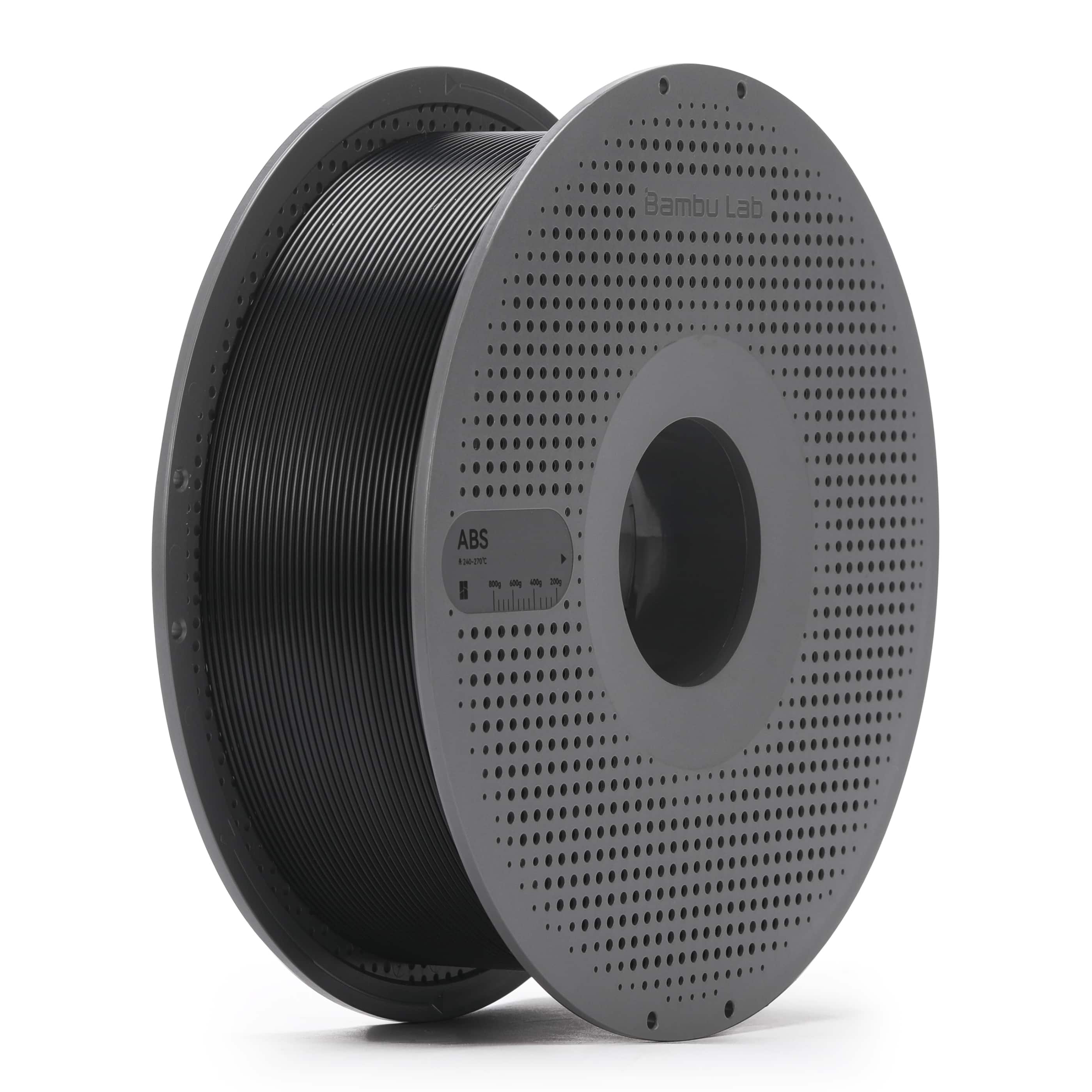
Bambu Lab - 1.75mm ABS Filament - Black
SKU: CZTZV9ZCQ2Great quality filament. Best buy has limited variety but ships fast....This is a great choice....This is and has been the best filament. . . .
See all 3D Printer FilamentProduct Description
A durable black ABS filament offering excellent stability, impact resistance, and heat tolerance for versatile 3D printing.Your price for this item is $18.99
Best Sellers

Related Pages
FAQ
Most filament 3D printers are compatible with popular materials such as PLA, ABS, PETG, and TPU. Some advanced models can also handle specialty filaments like wood-filled, metal-filled, or carbon fiber blends. Always check the printer's specifications for supported filament types.
Key features to consider include a heated bed, direct drive or Bowden extruder, touchscreen controls, filament run-out detection, and automatic bed leveling. Additional features like Wi-Fi connectivity and enclosure can enhance your printing experience.
Yes, filament 3D printers are available in models suited for all skill levels. Entry-level printers offer straightforward setup and operation, while advanced models provide more customization and precision for professional users.
Regular maintenance involves cleaning the print bed, checking and tightening belts, lubricating moving parts, and occasionally replacing the nozzle. Proper storage of filament to avoid moisture absorption is also important for optimal print quality.
Filament 3D printers are capable of producing functional prototypes, replacement parts, and even end-use products, depending on the material used and the printer's capabilities. For high-strength or specialized applications, choose a printer compatible with engineering-grade filaments.